Understanding the Official Rating and What It Means
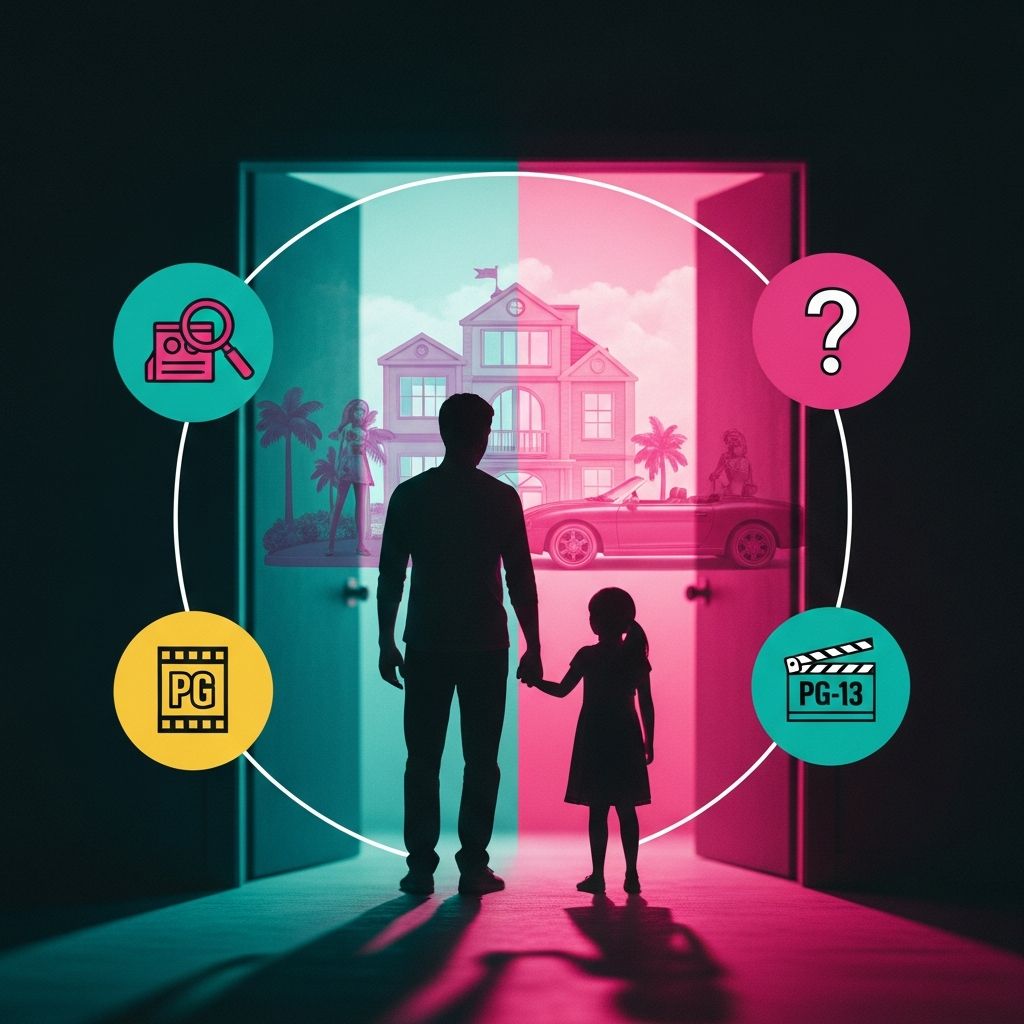
The 2023 Barbie film carries a PG-13 rating from the Motion Picture Association, a classification that signals parental guidance is recommended for children under thirteen years of age. This designation does not prohibit younger viewers but indicates that some material may be unsuitable for children below this threshold. The rating specifically identifies suggestive references and brief language as the primary reasons for this classification, creating a middle ground between family-friendly content and more mature theatrical releases. Understanding what this rating encompasses requires examining the specific content elements that contributed to this decision and how they manifest throughout the film’s runtime.
Language and Verbal Content Examination
One of the contributing factors to the PG-13 rating involves language usage within the film. The movie contains occasional strong language, including at least one instance of a bleeped profanity and scattered use of milder expletives commonly referred to in parenting guides. While the language is not pervasive or graphic, its presence distinguishes the film from G or PG-rated productions that maintain stricter standards. Parents should recognize that children exposed to this material may encounter words they haven’t previously heard in a theatrical setting, making preparatory conversations worthwhile for families with sensitive concerns about language exposure.
Visual Content and Physical Presentation
The film features various scenes with suggestive visual elements that influenced its rating determination. Sequences include women in party settings wearing clothing that reveals significant skin, including bare backs, shoulders, and extended leg exposure. Additional scenes depict a woman showering and emerging with visible shoulders and cleavage while wrapped in a towel, and a notable sequence involving a giant female figure in a bandeau swimsuit. These visual presentations are not explicit or pornographic in nature but exceed the standards typically found in content specifically marketed toward very young children. The filmmakers employ these images as part of the narrative and world-building rather than for gratuitous purposes, yet their presence remains a consideration for discerning parents.
Violence and Physical Conflict Presentation
The movie contains several action sequences and moments of physical conflict, though depicted with restraint typical of PG-13 cinema. A notable scene involves a male character engaging in combat with multiple opponents using punches, throws, and kicks, resulting in no visible injuries. Additional action includes a car chase sequence with dangerous driving elements, characters running through buildings while being pursued, and various physical altercations that propel the narrative forward. The introductory sequence contains a thematic presentation showing young girls destroying baby dolls, which some parents might find unsettling given the imagery, though it serves an intentional narrative purpose exploring evolving social attitudes. None of these sequences contain graphic depictions of blood or severe injury, maintaining the action-adventure standard expected in PG-13 ratings.
Thematic Elements and Conceptual Content
Beyond the content ratings categories, the film explores sophisticated themes that distinguish it from typical children’s entertainment. The narrative addresses gender roles, patriarchal structures, feminism, sexism, and the concept of societal perfection. These intellectual and philosophical elements require maturity to understand and process, particularly for very young viewers. The film presents discussions about attraction and sexuality in conversational contexts rather than visual ones, introducing concepts that might exceed the comprehension or interest level of younger audiences. Parents should recognize that while these themes are age-appropriate for teenagers, they may require explanation or context for children in the lower age spectrum.
Determining Appropriate Age Ranges
Professional reviewers and parents consistently recommend the film for audiences aged 11 and older, with many suggesting ages 12 to 13 as optimal entry points. This recommendation reflects the combination of content elements, thematic complexity, and visual presentation rather than any single prohibitive factor. Children at the younger end of the spectrum might find extended sequences boring or fail to grasp the satirical and philosophical elements that adults and teenagers find engaging. The film’s runtime of nearly two hours presents an additional consideration, as younger children may struggle to maintain attention throughout the full experience, particularly during dialogue-heavy scenes lacking action.
For particularly sensitive children or those with strict household standards regarding language and suggestive content, parents might consider waiting until age 13 or 14. Conversely, mature 10-year-olds with previous exposure to PG-13 films and demonstrated comprehension of complex narratives may find the experience appropriate with parental accompaniment and discussion afterward.
Practical Viewing Strategies for Families
Parents seeking to make informed decisions about their family’s participation in theatrical release events should consider several practical approaches. Attending a screening independently before bringing children allows parents to assess specific scenes in context and determine personal comfort levels. Alternatively, reading detailed parental guides from established review sources provides comprehensive breakdowns of every content concern. Many families utilize content filtering services available through streaming platforms, which allow selective muting of language and skipping of particular sequences when viewing at home, though this approach isn’t available for theatrical releases.
Preparing children beforehand by explaining specific elements they might encounter—such as hearing certain words or seeing characters in situations involving attraction or conflict—normalizes these experiences and reduces surprise or discomfort. Following the viewing, family discussions about themes, character choices, and the film’s messages about self-acceptance and challenging societal expectations provide valuable learning opportunities and context.
Distinguishing Between Maturity and Age
A critical distinction exists between a child’s chronological age and their emotional or intellectual maturity level. Some children at age 10 demonstrate sophisticated comprehension and comfort with complex themes, while some teenagers remain sensitive to suggestive content or language. Parents know their children best and can evaluate individual readiness more accurately than standardized ratings. Factors beyond the film’s content—such as a child’s exposure to similar media, their sensitivity to language, comfort level with action sequences, and intellectual capacity to engage with philosophical themes—all influence appropriateness decisions.
Alternative Viewing Formats and Options
Families interested in the Barbie property have multiple entry points beyond the theatrical film. The extensive library of previous Barbie animated films, available through streaming services, generally carries G or PG ratings and contains age-appropriate content for younger viewers. These animated productions offer entertainment value for the youngest fans without parental concern about language or suggestive content. Additionally, waiting for home video release of the theatrical film provides the option to screen privately with pausing capabilities and content-filtering technology on some platforms.
Parental Concerns Worth Addressing
Common concerns raised by parents include the film’s feminist messaging and whether it presents an anti-male perspective. The narrative does critique patriarchal systems and includes satirical commentary about gender dynamics, but the film ultimately promotes equality and appreciation for diverse perspectives rather than denigration of any gender. Parents comfortable with films that examine social issues will find this presentation thoughtful rather than offensive.
Another frequent question involves whether the film glorifies materialism or consumerism. While the story does explore capitalist themes and includes product-related elements—unsurprising given the film’s origin as a feature-length advertisement for a commercial product—the narrative ultimately questions shallow materialism and emphasizes deeper values. The film presents entertainment while occasionally critiquing its own commercial nature.
Long-Term Developmental Considerations
Research on media consumption suggests that viewing experiences shared between parents and children, accompanied by discussion and context-setting, produces more beneficial outcomes than independent youth viewing. The Barbie film provides opportunities for parents to discuss feminism, gender roles, societal expectations, and self-acceptance with teenagers in an accessible framework. The film’s core message emphasizing personal growth and self-improvement over external perfection aligns with values many families wish to instill.
Frequently Asked Questions
Is the Barbie movie appropriate for 8-year-olds?
While some mature 8-year-olds might handle the film, most reviewers recommend waiting until age 10-11. The language, suggestive content, and complex themes may exceed the interest and understanding of most children in this age group.
What specific language appears in the film?
The film contains one bleeped profanity and scattered mild expletives. The language is neither pervasive nor graphic compared to R-rated films but exceeds G or basic PG standards.
Are there scenes I should prepare my child for?
Yes—discuss the action sequences, scenes with suggestive clothing, references to attraction between characters, and philosophical discussions about identity and purpose before viewing.
Can I watch the film with my 9-year-old if I discuss it afterward?
This depends on your child’s individual maturity, previous media exposure, and comfort with language and suggestive content. Many parents make this choice successfully with preparation and follow-up conversation.
Does the film have educational value for children?
Yes, the film explores themes of self-acceptance, challenging societal expectations, gender equality, and personal agency—all valuable concepts for teenagers to consider and discuss.
What’s the difference between PG-13 and PG ratings?
PG suggests parental guidance for children under 10, while PG-13 requires parental guidance for those under 13. PG-13 films typically contain more language, suggestive material, or mild violence than PG films.
References
- Barbie [2023] [PG-13] Parents’ Guide & Review — Kids-In-Mind. https://kids-in-mind.com/b/barbie-parents-guide-movie-review-rating.htm
- What Parents Need to Know About the New ‘Barbie’ Movie 2023 — Cherish365. https://cherish365.com/barbie-movie-age-rating-2023/
- Barbie (2023) Parents Guide | Roy’s Boys — Roy’s Boys. https://roys-boys.com/blogs/blog/a-parents-guide-to-the-new-barbie-film-themes-lessons-and-talking-points
- Motion Picture Association Rating System — Motion Picture Association. https://www.mpaa.org/film-ratings/