Many teens notice that their periods do not show up on the same day every month, or that bleeding is sometimes heavier or lighter than expected. That is often a normal part of growing up, but irregular periods can occasionally be a sign that your body needs some extra attention from a health professional.
This guide explains what counts as an irregular period, common reasons cycles are off, how to track your period, and when it is important to see a doctor.
What Is a Menstrual Cycle, in Simple Terms?
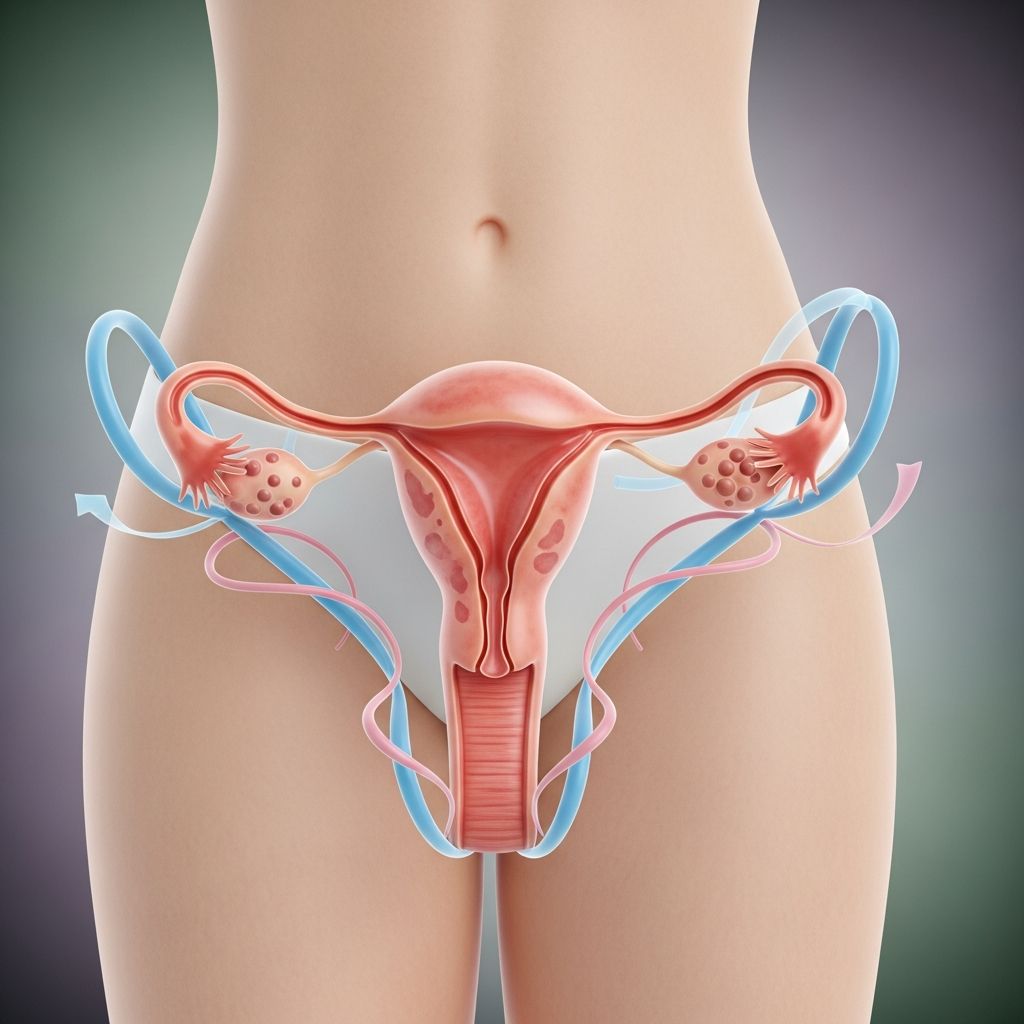
Your menstrual cycle is the repeating pattern of changes that prepares the body for a possible pregnancy. Hormones from the brain and ovaries signal the uterus to build a lining, release an egg, and then shed that lining as a period if pregnancy does not happen.
A “cycle” is counted from the first day of one period to the first day of the next period. In adults, a typical cycle is about 21–35 days, while teens often have a wider and more irregular range during the first few years after their first period.
| Cycle Feature | Common in Adults | Common in Early Teen Years |
|---|---|---|
| Length between periods | 21–35 days | About 21–45 days, sometimes longer at first |
| Bleeding days | 3–7 days | 2–7 days, may vary month to month |
| Ovulation (egg release) | Usually regular | Often irregular or skipped, which can lead to irregular periods |
What Counts as an Irregular Period?
Cycles in teens are often not perfectly predictable, but some patterns suggest your period is truly irregular and should be discussed with a clinician.
- Bleeding that comes more often than every 21 days.
- Cycles that are usually longer than 45 days apart.
- Going more than 3 months without a period after your periods have already started.
- Periods that regularly last longer than 7 days.
- Very heavy flow (for example, soaking pads or tampons every 1–2 hours for several hours in a row).
- Bleeding or spotting between periods.
If any of these situations sound familiar, it does not automatically mean something is seriously wrong, but it is a signal to get checked.
Why Periods Are Often Unpredictable in the Teen Years
Right after your first period (menarche), the communication between the brain, ovaries, and uterus is still maturing. The body may not release an egg every month (called anovulation), which is one major reason why teen cycles are frequently irregular.
During this time, many teens notice that:
- Some cycles are shorter and some are longer.
- Bleeding may be light one month and heavier another month.
- Skipping a period occasionally is common in the first couple of years.
For many teens, cycles gradually become more regular within about 2–3 years, as hormone patterns settle into a more predictable routine.
Common Causes of Irregular Periods in Teens
Although normal development is the most frequent explanation, other factors can affect how often you get your period and how much you bleed. Health professionals group these causes into several broad categories.
1. Hormone Shifts and Polycystic Ovary Syndrome (PCOS)
Hormones act as chemical messengers that control the menstrual cycle. When they are out of balance, periods may come too often, not often enough, or not at all.
One common hormonal condition is polycystic ovary syndrome (PCOS). In teens, PCOS often shows up as:
- Infrequent or very irregular periods.
- Acne that does not improve with regular skin care.
- Extra hair growth on the face, chest, or abdomen (called hirsutism).
- Weight gain or trouble losing weight.
- Dark, velvety skin patches, especially on the neck or underarms (acanthosis nigricans).
PCOS is linked with higher levels of certain hormones such as androgens and insulin and can affect long-term health if it is not treated. Doctors may suggest lifestyle changes and medicines (like hormonal birth control or medicines to improve insulin sensitivity) to help regulate cycles and protect overall health.
2. Stress, Eating Patterns, and Exercise
The menstrual cycle is sensitive to the body’s energy balance and stress levels. Changes in eating or activity can switch off ovulation and cause missed or irregular periods, a pattern sometimes called functional hypothalamic amenorrhea.
Situations that can contribute include:
- Very intense exercise without enough rest or calories (common in some competitive athletes).
- Not eating enough food, skipping meals, or restrictive dieting.
- Eating disorders such as anorexia or bulimia.
- High emotional stress, including major life changes or ongoing pressure.
When the brain senses that energy is low or that the body is under strain, it may reduce the hormone signals that trigger ovulation. Periods may become lighter, less frequent, or stop completely.
3. Thyroid Problems
The thyroid gland in the neck helps control metabolism. If it is underactive (hypothyroidism) or overactive (hyperthyroidism), periods can become irregular or stop.
Other signs of thyroid issues can include:
- Changes in weight not explained by diet.
- Feeling unusually cold or hot compared with others.
- Changes in heart rate.
- Tiredness, trouble concentrating, or mood changes.
Blood tests can check thyroid hormone levels, and treatment can often bring periods back into a healthier rhythm.
4. Pregnancy
If someone who could become pregnant is sexually active and misses a period, pregnancy is always a possibility, even if they use birth control. Health organizations stress that a missed period should be followed up with a pregnancy test when pregnancy is possible.
5. Other Medical Conditions
Irregular or absent periods can also be linked with other health issues.
- Bleeding disorders (such as von Willebrand disease), which can cause very heavy or long periods.
- Ovarian cysts, which may lead to pain and changes in bleeding patterns.
- Chronic illnesses that affect nutrition or hormone levels.
- Birth differences in the reproductive tract, especially when a teen has not started periods by about age 15.
- Certain medicines, including some used for mental health or cancer treatment, which can affect hormone levels.
Warning Signs: When to Contact a Doctor
While many cycle changes are harmless, some patterns need prompt medical advice. Professional groups such as the American College of Obstetricians and Gynecologists (ACOG) and major children’s hospitals recommend talking with a doctor or nurse if:
- You are 15 or older and still have not had your first period.
- It has been more than 3 years since breast development began and you have not started having periods.
- You suddenly stop getting periods for more than 3 months, and you are not pregnant.
- Your cycles are usually shorter than 21 days or longer than 45 days.
- Your period often lasts more than 7 days, or you need to change pads or tampons every 1–2 hours because they are completely soaked.
- You have severe pelvic or abdominal pain during your period that interferes with school or daily activities.
- You notice extra hair growth on the face, chest, or abdomen, along with irregular periods (possible signs of PCOS).
- You have bleeding or spotting between periods or after sex.
How Doctors Evaluate Irregular Periods
When you see a clinician about irregular bleeding, you can expect a mix of questions, an exam, and sometimes tests. Pediatric and adolescent gynecologists are specially trained to work with teens and can help make the experience more comfortable.
Questions You Might Be Asked
- When your first period started and how your cycles have changed over time.
- How often you get your period and how many days it lasts.
- How heavy the bleeding is (for example, how often you change products).
- Any pain, cramps, or other symptoms, like headaches or mood changes.
- Your eating habits, exercise routine, stress levels, and sleep.
- Whether you are sexually active and if you use protection.
- Any medicines, supplements, or herbal products you take.
Possible Exams and Tests
Not everyone needs the same tests. Depending on your symptoms, the clinician may suggest:
- Checking your height, weight, and vital signs.
- A simple exam of your abdomen and possibly an external genital exam.
- Blood tests to look at blood counts (for anemia), hormones (including thyroid and reproductive hormones), and sometimes iron levels, blood sugar, or clotting factors.
- A urine or blood pregnancy test if there is any chance of pregnancy.
- Ultrasound imaging of the pelvis to look at the uterus and ovaries, especially if there is pain or a question about PCOS or ovarian cysts.
Treatment Options and Self-Care
The treatment plan depends on the cause of the irregular periods, how severe the symptoms are, and your own goals and preferences. Often, a combination of lifestyle changes and medical care works best.
Healthy Habits to Support Regular Cycles
For many teens, focusing on general health can help the menstrual cycle become more stable over time.
- Balanced nutrition: Eating regular meals with enough calories, including a mix of whole grains, fruits, vegetables, protein foods, and healthy fats.
- Reasonable exercise: Staying active most days of the week but avoiding extreme training without medical guidance.
- Sleep: Aiming for consistent, adequate sleep each night to support hormone balance.
- Stress management: Using coping skills such as talking with trusted people, journaling, or relaxation techniques.
- Iron intake: If periods are heavy, your clinician may suggest iron-rich foods or a supplement to prevent low iron levels or anemia.
Medical Treatments
If lifestyle steps are not enough, or if a specific condition is found, a doctor may recommend one or more of the following:
- Hormonal birth control (pills, patch, ring, implant, or intrauterine device) to regulate or lighten periods, treat PCOS symptoms, or reduce pain.
- Progesterone-only medicines to trigger a period in someone whose cycles have stopped.
- Thyroid medicines if a thyroid disorder is causing irregular or absent periods.
- Metformin or other insulin-related medicines for PCOS and related metabolic concerns.
- Medicines that help blood clot when heavy bleeding is linked to a bleeding disorder.
- Pain relief medicines such as non-steroidal anti-inflammatory drugs (NSAIDs) for cramps, when appropriate.
In rare cases, surgery may be needed, such as if there is a structural problem in the reproductive tract or a large ovarian cyst causing severe pain.
Tracking Your Period: A Practical Tool
Keeping track of your cycles makes it easier to notice changes and share accurate information with your clinician. You can use a calendar, notebook, or a reputable app.
Useful details to record include:
- First and last day of each period.
- How heavy the flow is each day (light, moderate, or heavy).
- Any bleeding or spotting between periods.
- Symptoms such as cramps, headaches, breast tenderness, or mood changes.
- When you start or stop any new medicines.
Over time, patterns may become clearer and help you and your clinician decide whether your cycle is following a healthy path.
Frequently Asked Questions About Irregular Periods
Q1: Is it normal to skip a period in my first few years of having one?
Yes. In the first couple of years after your first period, it is common to skip cycles because the body does not always release an egg every month. However, if you go longer than about 3 months without a period, it is important to check in with a clinician, especially if there is any chance of pregnancy.
Q2: Can stress alone really make my period late or irregular?
Significant physical or emotional stress can affect the brain areas that control reproductive hormones. This can delay ovulation or stop it altogether, which may lead to late, missed, or irregular periods. If stress is ongoing or your cycles change a lot, professional support can help.
Q3: Do irregular periods mean I cannot get pregnant?
No. Irregular periods usually mean that ovulation is less predictable, not that it never happens. Because egg release can still occur, pregnancy is possible even if cycles are not regular. If you are sexually active and do not want to become pregnant, talk with a clinician about reliable contraception.
Q4: Will hormonal birth control mess up my fertility later?
Current evidence shows that commonly used hormonal birth control methods do not cause long-term infertility. After stopping them, most people return to their usual pattern of ovulation within weeks to months. Your clinician can explain benefits and risks for your individual situation.
Q5: Should I be embarrassed talking about my period with a doctor?
No. Clinicians who care for teens discuss periods and reproductive health every day. Their goal is to support your health and answer questions in a respectful, confidential way. Bringing notes or questions can make the conversation easier and ensure you get the information you need.
References
- Heavy and Abnormal Periods — American College of Obstetricians and Gynecologists (ACOG). 2024-01-01. https://www.acog.org/womens-health/faqs/heavy-and-abnormal-periods
- Amenorrhea in Teens — University of Rochester Medical Center Health Encyclopedia. 2023-05-01. https://www.urmc.rochester.edu/encyclopedia/content?ContentTypeID=90&ContentID=p01579
- Irregular Periods in Preteens and Teens — UChicago Medicine Comer Children’s Hospital. 2022-10-10. https://www.uchicagomedicine.org/comer/conditions-services/pediatric-adolescent-gynecology/irregular-periods-preteens-teens
- Menstrual Irregularities — Boston Children’s Hospital. 2022-08-15. https://www.childrenshospital.org/conditions/menstrual-irregularities
- Adolescent Menstrual Issues — Children’s Health. 2023-02-20. https://www.childrens.com/specialties-services/conditions/menstrual-issues
- When to Worry About Irregular Periods in Teens — Children’s Hospital Colorado. 2021-09-30. https://www.childrenscolorado.org/just-ask-childrens/articles/irregular-periods-in-teens/