Understanding Iron and Its Dietary Importance
Iron is a vital mineral that plays a fundamental role in maintaining optimal health and bodily function. This essential nutrient is responsible for transporting oxygen throughout the body via red blood cells, supporting energy production, and strengthening the immune system. Without adequate iron intake, individuals face the risk of developing anemia, characterized by fatigue, weakness, and reduced capacity for physical activity. The human body cannot produce iron independently, making dietary sources the primary means of obtaining this crucial nutrient. Understanding which foods contain iron and how to maximize absorption becomes essential for anyone committed to maintaining robust health and preventing nutritional deficiencies.
The Two Forms of Dietary Iron Explained
Iron exists in two distinct forms within food sources, each with different absorption rates and sources. Recognizing these differences helps individuals make informed dietary choices tailored to their nutritional needs and lifestyle preferences.
Heme Iron from Animal Sources
Heme iron, derived exclusively from animal-based foods, represents the most efficiently absorbed form of iron in the human diet. Your body absorbs approximately 30 percent of heme iron consumed, making it significantly more bioavailable than plant-based alternatives. This superior absorption rate means that animal sources require smaller quantities to meet daily iron requirements. The color of the meat indicates iron concentration, with darker red varieties containing higher levels of this essential mineral.
Non-Heme Iron from Plant Sources
Non-heme iron, found in plant-based foods, presents a more challenging absorption scenario. The body absorbs only a fraction of non-heme iron, requiring individuals following vegetarian or vegan diets to consume approximately 80 percent more iron to achieve the same nutritional benefit as meat eaters. However, strategic food pairing and preparation methods can significantly enhance non-heme iron absorption, making plant-based diets entirely capable of meeting iron requirements.
Top Animal-Based Iron Sources
For those who consume meat and seafood, numerous options provide abundant heme iron. These foods not only deliver substantial iron but also supply high-quality protein and additional essential nutrients.
Red Meat and Poultry
Lean red meat stands among the richest sources of dietary iron, with beef providing exceptional iron density. Chicken and turkey offer more moderate iron levels while remaining accessible and versatile for meal preparation. The iron content increases when selecting darker meat portions, particularly from poultry thighs rather than breast meat.
Organ Meats
Organ meats represent some of the most iron-dense foods available. Beef liver deserves special recognition, containing 36 percent of the daily value per serving. Beyond iron, organ meats provide folate, vitamin B12, and copper, making them nutritionally dense choices for those who enjoy these foods. Kidney and pâté also contribute significant iron quantities to the diet.
Seafood and Shellfish
Marine sources of iron deserve particular attention due to their exceptional nutrient profiles. Oysters and clams contain remarkably high iron concentrations, with a 3.5-ounce serving of clams providing 3 mg of iron representing 17 percent of the daily value. Salmon, tuna, and sardines offer additional iron alongside omega-3 fatty acids that support cardiovascular and brain health. Mussels and oysters round out the shellfish options, making seafood an excellent choice for increasing iron intake.
Plant-Based Iron Options for Vegetarians and Vegans
Those avoiding animal products need not worry about iron deficiency when armed with knowledge about plant-based sources and absorption optimization techniques. Multiple categories of foods provide substantial iron quantities.
Legumes and Beans
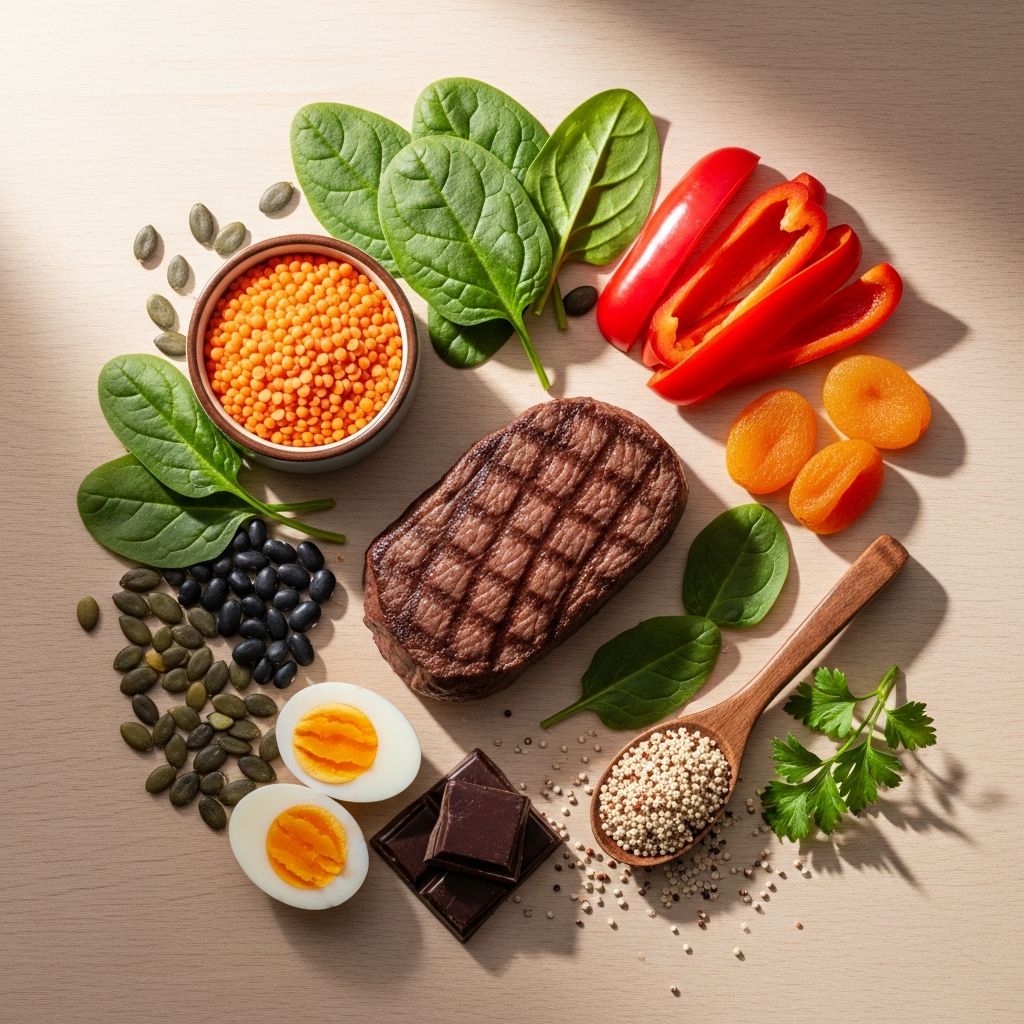
Legumes rank among the most iron-rich plant foods available. One cup of cooked lentils delivers 6.6 mg of iron, representing 37 percent of the daily value. Black beans provide approximately 1.8 mg per half-cup serving, while kidney beans, navy beans, chickpeas, and soybeans offer varying quantities. These foods simultaneously provide folate, magnesium, and potassium, creating nutritionally complete plant-based proteins when paired with complementary ingredients.
Dark Leafy Greens
Spinach and broccoli exemplify the iron-containing properties of dark leafy vegetables. Raw spinach contains 2.7 mg of iron per 3.5-ounce serving, though cooked preparations may concentrate this amount. Spinach additionally supplies vitamin C, which significantly enhances iron absorption. Broccoli provides 1 mg of iron per cooked cup while delivering 112 percent of the daily vitamin C requirement, effectively supporting iron utilization. Silver beet and other dark greens contribute similar benefits.
Seeds and Nuts
Pumpkin seeds emerge as particularly iron-rich options among seed varieties, containing 2.5 mg per one-ounce serving. These seeds additionally provide vitamin K, zinc, manganese, and magnesium. Various nuts and other seed varieties contribute moderate iron quantities while offering healthy fats that support overall nutritional status.
Whole Grains and Pseudocereals
Quinoa provides 2.8 mg of iron per cooked cup, representing 16 percent of the daily value. This grain contains complete protein profiles and naturally lacks gluten, benefiting those with celiac disease. Whole-grain bread, pasta, and oatmeal contribute iron while providing fiber and additional nutrients. Iron-fortified breakfast cereals offer convenient options for meeting daily requirements.
Soy Products
Tofu delivers 3.4 mg of iron per half-cup serving, equating to 19 percent of the daily value. This versatile soy product provides 22 grams of protein alongside calcium, magnesium, and selenium. Tofu’s isoflavones have associations with improved insulin sensitivity and reduced heart disease risk.
Dried Fruits and Other Supplementary Sources
Dried fruits concentrate nutrients including iron, making them efficient additions to snacks and meals. Raisins, prunes, apricots, dates, and figs all contribute significant iron quantities. These foods provide additional benefits through their natural sugar content, antioxidants, and fiber. Eggs, particularly the yolks, contain moderate iron alongside choline and lutein. Tomato products including paste offer non-heme iron with vitamin C that enhances absorption.
Maximizing Iron Absorption Through Strategic Food Pairing
Understanding iron bioavailability requires recognizing that food combinations dramatically affect how much iron the body actually absorbs. Strategic pairing of foods exponentially increases iron utilization.
Combining Iron with Vitamin C
Vitamin C stands as the most powerful enhancer of non-heme iron absorption. Pairing iron-rich plant foods with vitamin C sources can increase absorption up to three times. Citrus fruits including oranges, lemons, and limes provide abundant vitamin C. Strawberries, tomatoes, kiwi fruit, bell peppers, and broccoli represent additional excellent pairings. Including these foods at meals containing legumes, leafy greens, or fortified grains substantially improves iron bioavailability.
Combining Plant and Animal Sources
Mixing small quantities of lean meat, fish, or poultry with bean or dark leafy green dishes dramatically improves the absorption of plant-based iron sources. Even modest amounts of animal protein alongside vegetarian iron sources enhance overall iron acquisition. This approach benefits both omnivores and vegetarians seeking to optimize their iron status.
Cooking Methods and Preparation Techniques
Preparation methods influence iron content in meals. Cooking foods in cast-iron skillets increases the iron provided by the meal, as the cooking process transfers iron from the cookware into the food. This simple technique offers an effortless way to boost dietary iron without changing food choices.
Foods That Inhibit Iron Absorption
While maximizing absorption matters greatly, recognizing substances that interfere with iron utilization also proves important. Certain beverages and foods can bind to dietary iron, preventing the body from utilizing it. Commercial black and pekoe teas contain compounds that reduce iron absorption, making these beverages poor choices consumed with iron-rich meals. This doesn’t require complete avoidance, but spacing tea consumption away from iron-containing meals optimizes overall dietary iron status.
Daily Iron Requirements and Dietary Planning
Meeting iron requirements depends upon individual characteristics including age, sex, and health status. Women of childbearing age typically require higher iron intake than post-menopausal women or men, due to menstrual losses. Vegetarians and vegans require approximately 80 percent more iron than omnivores to achieve equivalent iron status. Planning meals that incorporate multiple iron sources while considering absorption enhancers enables individuals to meet their personalized requirements through food alone, without requiring supplementation in most cases.
Creating a Balanced Iron-Rich Diet
Building sustainable dietary patterns that consistently deliver adequate iron requires incorporating diverse sources across multiple food categories. A balanced approach includes:
- Selecting 2-3 iron-rich protein sources from meat, poultry, or seafood daily for non-vegetarians
- Including at least one serving of legumes, dark leafy greens, or whole grains at lunch and dinner
- Pairing every iron-containing meal with a vitamin C source
- Consuming dried fruits as snacks or incorporated into meals
- Limiting tea consumption during mealtimes, particularly with plant-based iron sources
- Varying choices across weeks to ensure diverse nutrient profiles beyond iron
Frequently Asked Questions
Q: Can vegetarians meet their iron needs through diet alone?
A: Yes, vegetarians can meet iron needs through careful food selection and strategic combinations. Consuming legumes, dark leafy greens, seeds, and whole grains while pairing these with vitamin C sources enables adequate iron intake. The requirement to consume 80 percent more iron becomes manageable through consistent attention to these principles.
Q: How much heme iron compared to non-heme iron does the body absorb?
A: The body absorbs approximately 30 percent of heme iron from animal sources, while non-heme iron from plant sources is absorbed at much lower rates. This significant difference in bioavailability explains why vegetarians require greater total dietary iron intake.
Q: Which single food provides the most iron?
A: Beef liver ranks among the highest, providing 36 percent of the daily iron value per serving. Oysters and clams also contain exceptionally high iron concentrations. Among plant sources, cooked lentils provide the most iron per serving at 37 percent of the daily value per cup.
Q: Does cooking in cast-iron significantly increase iron intake?
A: Yes, cooking acidic foods in cast-iron skillets transfers measurable quantities of iron into the prepared food. This represents a simple, cost-free method for increasing dietary iron without changing food selections.
Q: Are iron supplements necessary if eating iron-rich foods?
A: Most individuals meeting dietary iron requirements through food sources do not require supplements. However, pregnant women, individuals with diagnosed iron deficiency anemia, and some vegetarians may benefit from medical evaluation to determine whether supplementation proves necessary.
References
- Iron: Food Sources, Benefits, Recommended Daily Intake — Med Park Hospital. https://www.medparkhospital.com/en-US/lifestyles/health-benefits-of-iron
- 12 Healthy Foods That Are High in Iron — Healthline. https://www.healthline.com/nutrition/healthy-iron-rich-foods
- How to Add More Iron to Your Diet — Cleveland Clinic. https://health.clevelandclinic.org/how-to-add-more-iron-to-your-diet
- Foods High in Iron — Healthdirect Australia. https://www.healthdirect.gov.au/foods-high-in-iron
- Iron in Diet — UF Health. https://ufhealth.org/conditions-and-treatments/iron-in-diet
- Iron – Health Professional Fact Sheet — National Institutes of Health Office of Dietary Supplements. https://ods.od.nih.gov/factsheets/Iron-HealthProfessional/
- Iron-Rich Food: List of Meats and Vegetables — American Red Cross. https://www.redcrossblood.org/donate-blood/blood-donation-process/before-during-after/iron-blood-donation/iron-rich-foods.html