The Art of Intuitive Family Cooking
The modern family often finds itself caught between competing pressures: the expectation of meticulously planned meals, nutritious home-cooked dinners, and the reality of chaotic schedules, picky eaters, and limited time. Yet there exists a middle ground where families can thrive without the stress of traditional meal planning. This approach prioritizes flexibility, creativity, and the involvement of family members in the cooking process, ultimately creating stronger connections around the dinner table while maintaining nutritional balance.
Rather than adhering to rigid weekly meal plans or following complicated recipes that demand precise measurements and specialty ingredients, many parents are discovering that a more spontaneous, ingredient-driven approach to cooking offers both practical benefits and deeper satisfaction. This methodology transforms the kitchen from a place of stress into a space of exploration and togetherness.
Starting with What You Have: The Foundation of Adaptable Cooking
One of the most liberating aspects of flexible family cooking is abandoning the notion that you must plan meals in advance. Instead, the process begins with securing quality base ingredients and allowing creativity to flourish from there. This might involve sourcing a rotating selection of fresh produce through seasonal options or community-supported agriculture boxes, which provide an ever-changing assortment of vegetables and fruits that inspire new combinations rather than constrain them.
The power of this approach lies in its adaptability. When you receive an unexpected collection of produce, you’re forced to think creatively, experiment with new flavor combinations, and develop recipes organically. This spontaneity becomes a teaching moment and a source of innovation that planned meals cannot replicate.
Building a Reliable Pantry
While the produce selection may vary, maintaining a consistent pantry of staple ingredients provides the structure needed for this flexible system to work. Essential items should include:
- Whole grains such as quinoa, farro, and polenta that provide sustained energy and nutritional density
- Proteins including legumes, nuts, and seeds that offer versatility across various cuisines
- Quality oils and vinegars for building complex flavors
- Dried herbs and spices that transform simple ingredients into memorable dishes
- Pasta and noodles for quick, satisfying meals
- Canned tomatoes and broth for soup and sauce foundations
These pantry staples serve as the canvas upon which fresh, seasonal ingredients become complete meals. By keeping these basics well-stocked, you ensure that whatever fresh produce arrives presents an opportunity rather than a challenge.
The Magic of Simple Cooking Techniques
The most reliable tool in the flexible cooking arsenal is the sheet pan. This single piece of equipment enables the transformation of raw vegetables into caramelized, flavorful components that work across multiple meal formats. A large tray of roasted vegetables becomes the foundation for countless variations: tossed with warm grains and a protein source to create nourishing bowls, incorporated into soups for depth and texture, wrapped in whole grain flatbreads with fresh herbs, or combined with pasta and a light sauce for a complete dinner.
This technique offers several advantages beyond its simplicity. Roasting vegetables brings out their natural sugars and creates complex flavors that children and adults alike find more appealing than raw or steamed options. Additionally, preparing vegetables in bulk allows you to have components ready throughout the week, making meal assembly during busy evenings a matter of simple combination rather than starting from scratch.
Creating Meals with Modular Components
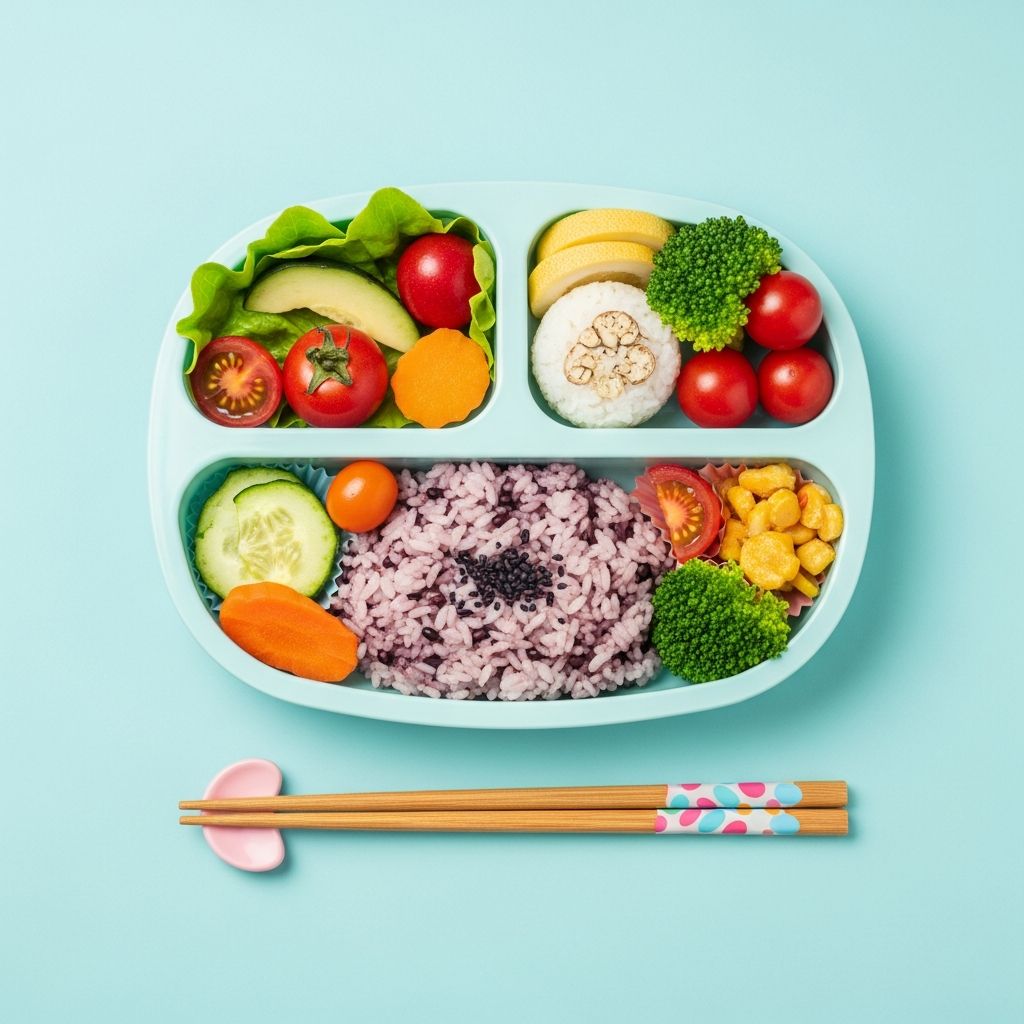
By thinking of meals as composed of distinct elements—a grain base, a protein component, and prepared vegetables—rather than as monolithic dishes, you create flexibility and accommodation for different preferences within the same family. One person might combine all components together, while another might keep elements separate, and a younger child might focus primarily on the grain with a small portion of vegetables. This approach respects individual preferences while maintaining the core nutritional value.
The Educational Power of Shared Cooking
Perhaps the most transformative aspect of involving children in the cooking process extends far beyond the immediate meal. When young people participate in selecting, purchasing, and preparing food, they develop a fundamentally different relationship with eating. Rather than viewing meals as something that simply appears before them, they understand the connection between raw ingredients and finished dishes, the effort involved in creating nourishment, and the care embedded in home-cooked food.
This engagement begins early and compounds over time. Children who grow up in kitchens where cooking is a shared activity become adults who feel confident and creative in their own food preparation. They develop palates that appreciate diverse flavors, and they establish patterns of nutrition that extend into their adult lives.
Building Positive Food Relationships
The journey toward accepting new foods often follows an unpredictable path. A child might enthusiastically consume a particular vegetable one week, then reject it entirely the next, only to embrace it again months later. This natural variation in preference shouldn’t be interpreted as failure but rather as a normal part of developing taste and food acceptance.
Rather than surrendering to these fluctuations, consistent reintroduction of diverse foods creates gradual acceptance. When the approach focuses on exploration rather than obligation, children feel less pressure and often become more willing to try new things. Framing food introduction as a game—”maybe today will be the day you discover you love this”—transforms potential conflict into collaborative adventure.
Practical Strategies for Implementation
Transitioning to this more flexible approach requires a shift in mindset rather than a complete lifestyle overhaul. Several practical strategies facilitate this transition:
Weekly Ingredient Assessment
Instead of meal planning on Sunday evening, conduct a quick inventory of available ingredients mid-week. Assess what fresh produce needs to be used, what proteins are available, and which grains or pasta varieties might work well. This simple exercise takes minutes but provides direction without rigid constraints.
Embrace Simple Combinations
Begin by mastering a few basic flavor combinations that appeal to your family. Perhaps it’s Italian herbs with tomatoes and legumes, or Asian-inspired soy and ginger with vegetables and rice. Building comfort with these foundational combinations gives you confidence to experiment within familiar frameworks.
Delegate Age-Appropriate Tasks
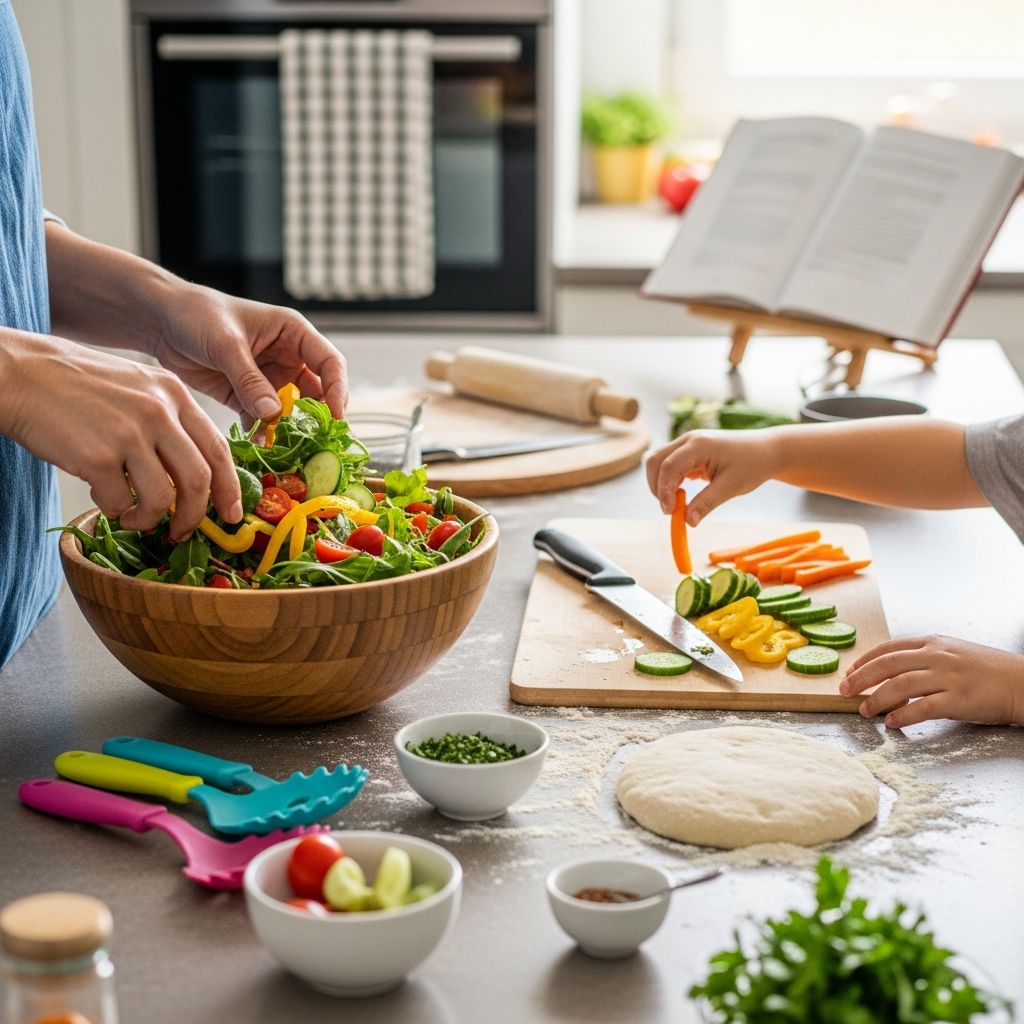
Even very young children can participate meaningfully in food preparation. Two-year-olds can help wash vegetables, older toddlers can tear lettuce or herbs, preschoolers can arrange ingredients, and school-age children can handle more complex tasks like measuring and basic knife skills. These contributions build connection and investment in the final meal.
Addressing Nutritional Concerns with Flexibility
Some parents worry that abandoning traditional meal planning compromises nutrition. In reality, the opposite often proves true. When meals are built around whole grains, abundant vegetables, and protein sources, nutrition typically exceeds that of many planned meal structures that might incorporate more processed elements.
The key lies in ensuring that base ingredients consistently include nutrient-dense options. Rather than requiring precise daily nutritional calculations, you can focus on ensuring that across the week, your family consumes adequate vegetables, whole grains, and proteins. Some days one component might be less prominent than others, but across seven days, the balance emerges naturally.
Growing Confidence in the Kitchen
Many home cooks underestimate their own abilities and knowledge. The transition from following recipes with precision to cooking intuitively requires building confidence in your palate and judgment. Start with recipes as guides rather than laws, noting how flavors develop, how long vegetables take to cook in your particular oven, and how different seasonings affect the final product.
Over time, you’ll develop an intuitive sense of flavor balance and cooking times. This embodied knowledge cannot be rushed but emerges through repeated experience and gentle experimentation. Each meal provides a learning opportunity, and perceived failures often teach more than successes.
Creating Lasting Family Food Traditions
Perhaps the ultimate goal of this approach involves establishing multigenerational patterns around food and family. Children who grow up in environments where fresh food is cooked together regularly internalize values around nutrition, creativity, and togetherness. These patterns often persist into their own adult lives and family structures, creating a ripple effect across generations.
The kitchen becomes a place where conversations happen, skills transfer naturally, and memories crystallize around shared meals. These moments might not feel momentous in the present, but they accumulate into the fabric of family identity and belonging.
Moving Beyond Perfection
Perhaps the most liberating aspect of this approach involves releasing the pursuit of perfection. Meals don’t need to look like cookbook photographs to nourish and satisfy. Vegetables can be slightly overcooked, grains can be leftover from the previous day, and combinations might be unconventional by traditional standards. What matters is that food arrives at the table with minimal stress and maximum intention.
When families embrace imperfection, the entire experience transforms. Burned edges on vegetables become character rather than failure. A dinner that took thirty minutes and involved everyone becomes a victory regardless of how it compares to restaurant standards. This shift in perspective removes enormous pressure and allows families to actually enjoy the experience of cooking and eating together.
Frequently Asked Questions
Q: How do I handle picky eaters when I’m not meal planning?
A: Involve them in ingredient selection and preparation when possible, serve components separately so they can choose their combination, and consistently reintroduce foods they’ve rejected. Children often become more accepting of foods when they’ve participated in their preparation and when there’s no pressure to consume them.
Q: Isn’t this approach more expensive than traditional meal planning?
A: Not necessarily. Seasonal produce is typically more affordable, and building meals from whole ingredients rather than packaged convenience foods often costs less. Community-supported agriculture boxes sometimes offer better value than grocery store shopping, depending on your location.
Q: What if I don’t have access to fresh produce regularly?
A: Frozen vegetables work beautifully in this system and often contain equivalent nutrition to fresh produce. Canned legumes, beans, and tomatoes also provide excellent bases for flexible cooking when fresh options are limited.
Q: Can this approach work for families with dietary restrictions?
A: Absolutely. Once you’ve identified the grains, proteins, and vegetables that fit within your restrictions, the same flexible framework applies. You simply work within a more defined ingredient palette rather than the full range.
Q: How young should children be before involving them in cooking?
A: Even toddlers can participate in simple ways like washing vegetables or arranging ingredients. As they develop coordination and attention span, they can gradually take on more complex tasks. The key is finding age-appropriate involvement that keeps them engaged and safe.
References
- The Forest Feast for Kids — Erin Gleeson. 2016. Published by Abrams.
- Involving Children in Food Preparation and Nutrition Education — Academy of Nutrition and Dietetics. Accessed April 2026. https://www.eatright.org
- Seasonal Eating and Sustainable Food Systems — United States Department of Agriculture. Accessed April 2026. https://www.usda.gov/our-agency/about-usda/what-we-do
- Child Development and Parental Involvement in Mealtime Routines — American Academy of Pediatrics. Accessed April 2026. https://www.aap.org
- Whole Grains and Nutritional Density in Family Meals — Whole Grains Council. Accessed April 2026. https://wholegrainscouncil.org