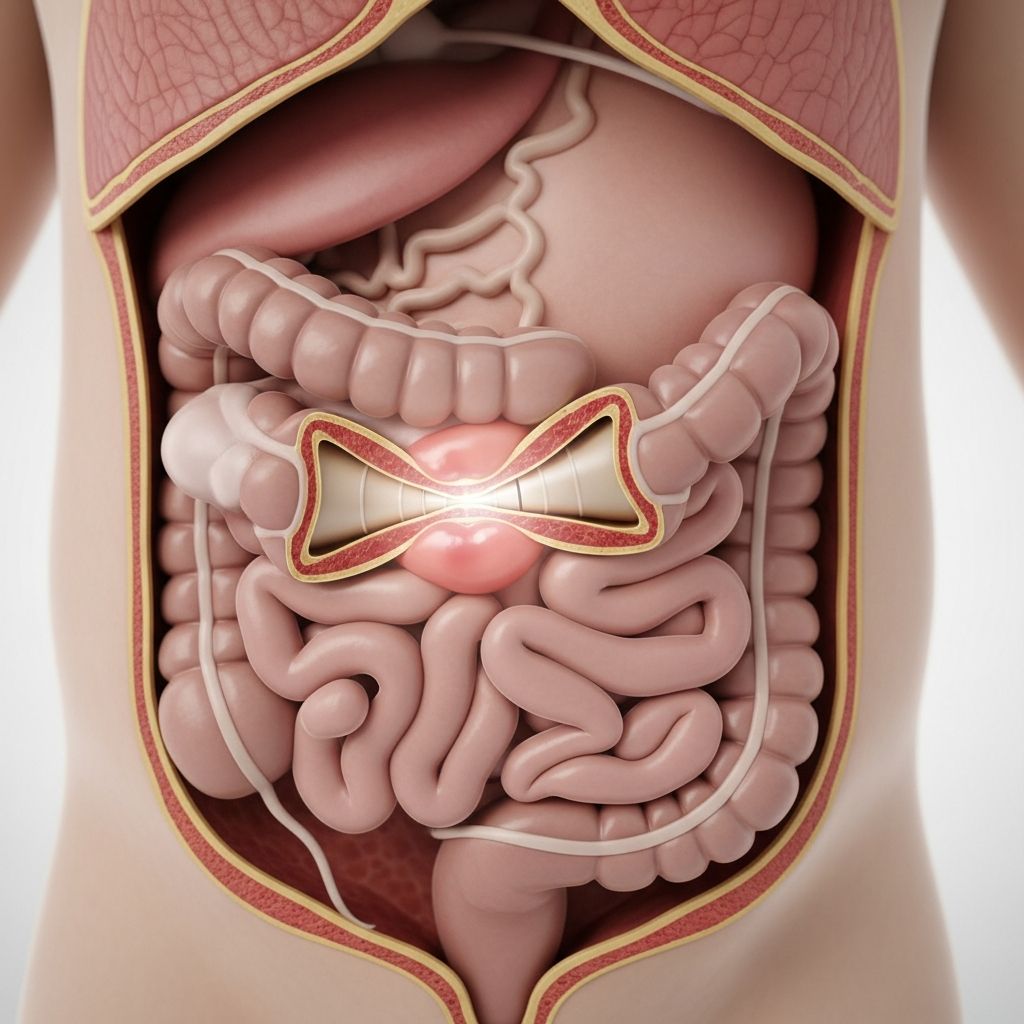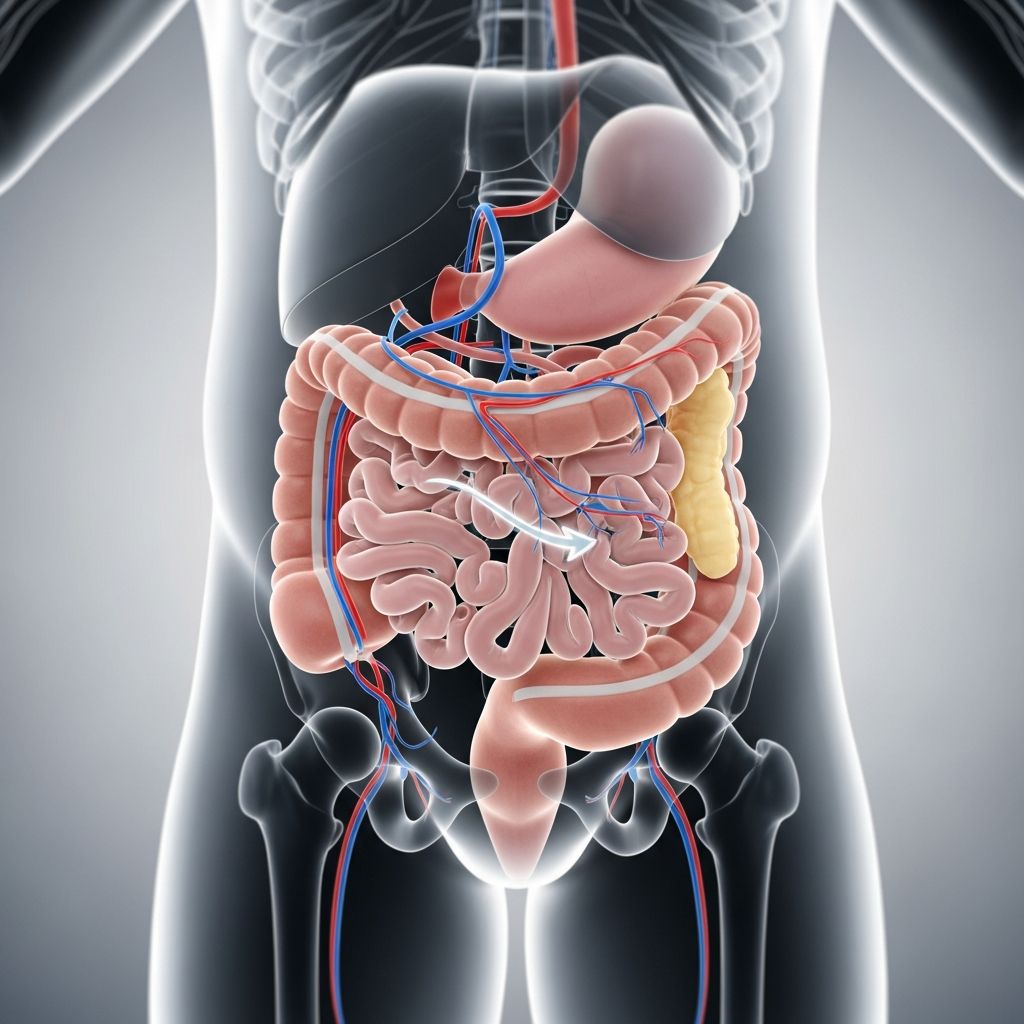
Intestinal malrotation is a congenital anomaly where the intestines fail to properly position during fetal development, potentially leading to life-threatening complications like volvulus or blockages. This condition affects approximately 1 in 500 live births, though many cases remain asymptomatic until triggered by twisting or obstruction. Early recognition by parents can be crucial, as volvulus demands immediate medical attention to avert intestinal damage or necrosis.
Developmental Origins of Intestinal Malrotation
During the 10th week of gestation, the fetal intestines elongate and protrude into the umbilical cord before returning to the abdominal cavity, undergoing a precise 270-degree counterclockwise rotation around the superior mesenteric artery. In malrotation, this rotation is incomplete, leaving the small intestine on the right side and the colon on the left, with a narrow mesenteric base prone to twisting. Ladd’s bands—abnormal fibrous tissues connecting the cecum to the abdominal wall—may also form, compressing the duodenum and causing partial obstructions.
This embryological mishap occurs silently in utero, with no known preventive measures, though genetic factors and familial clustering have been noted in rare cases. The result is a ‘short gut mesentery’ that predisposes the midgut to volvulus, where the intestine twists upon itself, compromising blood flow.
Recognizing Critical Warning Signs
Symptoms often emerge in the first weeks of life but can appear later, even in adulthood. The hallmark is bilious (greenish) vomiting due to duodenal obstruction or volvulus, signaling a blockage preventing stomach contents from passing. Infants may exhibit episodic cramping: drawing knees to chest, intense crying followed by brief relief, and irritability.
- Acute Volvulus Indicators: Sudden green vomit, rapid heart rate, fast breathing, swollen tender abdomen, bloody stools, lethargy, and dehydration signs like reduced urine output.
- Chronic or Intermittent Symptoms: Recurrent abdominal pain, diarrhea alternating with constipation, failure to thrive, reflux, or vague bloating.
- Red Flags in Newborns: Inability to pass meconium, refusal to feed, excessive fussiness, or rectal bleeding.
These signs mimic other conditions like gastroenteritis or pyloric stenosis, underscoring the need for urgent pediatric evaluation. Untreated volvulus can progress to bowel ischemia within hours, risking perforation or sepsis.
How Doctors Diagnose Malrotation
Diagnosis hinges on clinical suspicion followed by imaging. An upper gastrointestinal (UGI) series with contrast reveals the classic ‘corkscrew’ appearance of the duodenum and jejunum failing to cross the midline. Ultrasound may detect reversed superior mesenteric vessels (vein left of artery) or a ‘whirlpool’ sign in volvulus.
Abdominal X-rays show dilated stomach loops or gasless abdomen in advanced cases. CT scans, while more detailed, are reserved for equivocal findings due to radiation concerns in children. Blood tests assess dehydration, electrolytes, and infection markers. In stable patients, diagnosis precedes elective surgery; acute volvulus mandates immediate intervention.
Emergency Stabilization Before Surgery
Prior to the operating room, infants receive intravenous fluids to combat dehydration, nasogastric (NG) tubes to decompress the stomach and prevent aspiration, and broad-spectrum antibiotics against translocation bacteria. Monitoring vital signs is critical, as rapid deterioration signals bowel compromise. These measures buy time for surgical teams, often stabilizing the child within hours.
The Ladd Procedure: Gold Standard Treatment
Surgery, typically a Ladd procedure, is the definitive fix for symptomatic malrotation and recommended prophylactically for most asymptomatic cases to avert future crises. Performed via laparotomy (open) or laparoscopy, it entails:
- Counterclockwise detorsion of volvulus if present.
- Division of obstructing Ladd’s bands.
- Widening the duodenal base and repositioning intestines (small bowel right, colon left).
- Appendectomy to prevent diagnostic confusion from future appendicitis.
- Necrotic bowel resection if infarction occurred, with anastomosis of healthy segments.
Success rates exceed 95%, with laparoscopy reducing recovery time. Postoperative care involves gradual feeding advancement, pain control, and monitoring for short gut syndrome if resection was extensive.
Life After Surgery: Recovery and Monitoring
Most children resume normal eating within days to weeks, though temporary diarrhea or malabsorption may occur due to altered anatomy. Long-term, the risk of recurrent volvulus drops dramatically, but families should watch for adhesions or internal hernias. Growth catch-up is common post-correction. Asymptomatic adults discovered incidentally may opt for watchful waiting, weighing surgical risks against volvulus odds (estimated 10-30% lifetime).
| Pre-Op vs. Post-Op Comparison | Before Ladd Procedure | After Ladd Procedure |
|---|---|---|
| Intestinal Position | Small bowel right, colon left; narrow mesentery | Small bowel right, colon left; broadened base |
| Volvulus Risk | High (up to 75% in undiagnosed cases) | Very low (<1% recurrence) |
| Symptom Profile | Bilious vomiting, pain, obstruction | Resolution; possible transient GI upset |
| Appendix Status | Present, malpositioned | Removed |
Potential Complications and Risk Factors
While rare, complications include wound infection, bowel leak, or adhesive obstructions (5-10%). Volvulus-related necrosis may necessitate stoma formation or parenteral nutrition. Factors heightening risk: prematurity, congenital diaphragmatic hernia, or heterotaxy syndromes. Parental vigilance post-discharge is key: seek care for persistent vomiting or distension.
Special Considerations for Older Children and Adults
In adolescents or adults, malrotation masquerades as chronic pain or intermittent obstruction, often diagnosed after repeated ER visits. Acute presentations mirror pediatric volvulus but with higher gangrene risk due to delayed diagnosis. Laparoscopic Ladd remains effective, with excellent outcomes.
Frequently Asked Questions (FAQs)
Can intestinal malrotation resolve without surgery?
No, surgery is required to prevent volvulus; asymptomatic cases are often repaired prophylactically.
Is malrotation hereditary?
Rarely; most cases are sporadic, but familial patterns exist.
What if my child has green vomit?
Seek emergency care immediately—it may indicate volvulus.
How long is hospital stay after Ladd procedure?
Typically 5-7 days; shorter for laparoscopy.
Will my child need special diet post-surgery?
Usually not long-term, but high-fiber foods ease initial adjustment.
Can malrotation cause failure to thrive?
Yes, via chronic malabsorption or recurrent illness.
This guide empowers parents with knowledge to navigate malrotation. Consult pediatric specialists for personalized advice.
References
- Intestinal Malrotation and Volvulus — Children’s Hospital of Philadelphia (CHOP). Accessed 2026. https://www.chop.edu/conditions-diseases/intestinal-malrotation-and-volvulus
- Information | Intestinal Malrotation Foundation — Intestinal Malrotation Foundation. Accessed 2026. https://www.intestinalmalrotation.com/information/
- Malrotation of the Gut in Adults: An Often Forgotten Entity — PMC (NCBI). 2018-05-01. https://pmc.ncbi.nlm.nih.gov/articles/PMC5947924/
- Intestinal Malrotation – Children’s Health Issues — Merck Manuals. Accessed 2026. https://www.merckmanuals.com/home/children-s-health-issues/birth-defects-of-the-digestive-tract/intestinal-malrotation
- Intestinal Malrotation & Volvulus in Children — Cleveland Clinic. Accessed 2026. https://my.clevelandclinic.org/health/diseases/10029-malrotation