When diapers start to feel never-ending and your toddler seems ready for the next step, an intensive potty training weekend can sound very appealing. Instead of dragging the process out for months, you dedicate a short, focused period to building new habits with lots of support, structure, and patience.
Why an Intensive Potty Training Weekend Can Work
An intensive potty training weekend (sometimes called a “boot camp” or “3-day” method) uses concentrated time and attention to help your child connect body signals with using the potty. Rather than casually experimenting for weeks, your family clears the schedule and treats potty learning like the main event.
- Consistency: Your child receives the same clear message all day for several days in a row.
- Repetition: Frequent trips to the potty create many chances to practice.
- Focus: Fewer outside commitments mean you can stay calm, observant, and supportive.
This approach does not magically guarantee 100% success by the end of the weekend, but it can build a strong foundation and dramatically speed up progress for many families.
Is Your Child Ready For Potty Training?
Before planning an intensive weekend, check for readiness signs. Pushing ahead too early usually leads to power struggles, more accidents, and frustration for everyone.
Common Readiness Signs
- Stays dry for at least 1.5–2 hours at a time during the day.
- Wakes up from naps with a dry or mostly dry diaper fairly often.
- Notices wet or dirty diapers and may try to remove them or tell you.
- Can follow simple one- or two-step instructions.
- Shows interest in bathrooms, underwear, or older siblings using the toilet.
- Can sit still for a few minutes at a time on a potty or chair.
If your child strongly resists sitting on the potty, is in the middle of big life changes (new baby, move, starting school), or has constipation or other medical issues, consider waiting or talking with your pediatrician first.
Parent Readiness Matters Too
Potty training is as much about adult readiness as it is about child readiness. A power weekend requires energy, patience, and a flexible mindset.
- Can you clear 2–3 days with no major outings or long car trips?
- Are all caregivers on the same page about language, rewards, and rules?
- Are you prepared for messes, laundry, and moments of resistance?
- Can you commit to staying mostly at home so your child has easy potty access?
If the answer is mostly yes, you are in a good position to try an intensive approach.
Supplies Checklist For Your Power Weekend
Gather your tools beforehand so you are not scrambling once you begin.
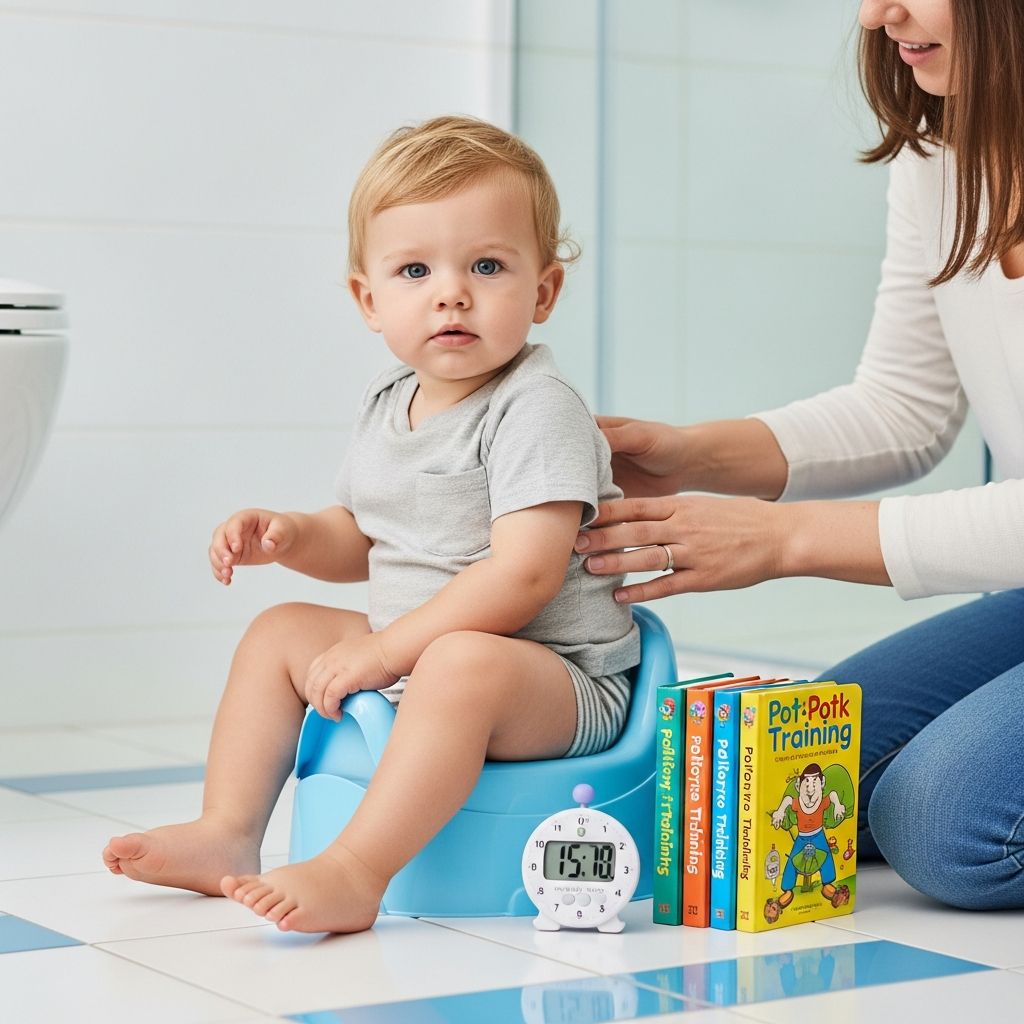
- Child-sized potty chair or a seat reducer for the big toilet, plus a small step stool.
- Training underwear or regular cotton underwear (avoid thick, diaper-like pull-ups during awake time).
- Cleaning supplies: disposable gloves, paper towels, gentle cleaner for floors and carpets.
- Extra clothes: several pairs of pants, socks, and underwear.
- Reward system: stickers, small non-food rewards, or a simple sticker chart.
- Books and toys: potty-themed storybooks, simple toys your child can use while sitting.
- Fluids and snacks: water, milk, or diluted juice to encourage more frequent practice.
Sample Potty Training Power Weekend Schedule
You can adapt this schedule to your child’s age and routine, but having a basic framework keeps everyone on track.
| Time of Day | Parent Focus | Potty Plan |
|---|---|---|
| Morning (Wake–10 AM) | Start day calmly, explain the new routine, increase fluids. | Offer potty right after waking, then every 20–30 minutes or at the first sign your child needs to go. |
| Late Morning (10 AM–Noon) | Observe closely, keep activities near the potty zone. | Continue regular potty sits; praise dry underwear checks and successful trips. |
| Afternoon (After Nap–4 PM) | Reset expectations after nap, stay upbeat. | Potty immediately after nap, then on a schedule plus any time your child asks. |
| Late Afternoon (4–6 PM) | Gently maintain focus while everyone may feel tired. | Offer potty before and after snacks, and before screen time if you use it. |
| Evening (6 PM–Bedtime) | Wind down and review successes. | Potty before bath and again before bed; consider a diaper or training pant only for sleep. |
Day 1: Introducing the New Routine
Day 1 is about helping your child understand the connection between pee/poop and the potty, without pressure or punishment. Many families choose to keep their child bare from the waist down or in light underwear so they can notice when they start to pee.
Key Goals for Day 1
- Explain in simple, positive language what will happen today.
- Offer frequent opportunities to sit on the potty, but keep each sit short.
- Celebrate every success with sincere praise and a small reward if you choose.
- Treat accidents as information, not as bad behavior.
Many children have several accidents on this first day. That does not mean the method is failing; it often means they are still learning to notice sensations in time.
Day 2: Building Momentum and Confidence
By Day 2, your child may surprise you with more successes, or you may feel like nothing is clicking yet. Stay flexible and observant. The second day usually brings clearer patterns and opportunities to adjust.
- Continue offering the potty roughly every 30–45 minutes while awake.
- Start asking gentle questions like, “Do you feel pee coming?” instead of always prompting first.
- Consider adding very short outings only if your child is doing reasonably well and you can bring a travel potty.
- Review the day before bed, highlighting small wins: “You used the potty after snack” or “You told me when you had to go.”
If resistance grows, step back on the number of prompts and rely more on watching for signs and responding quickly rather than constant reminders.
Day 3: Transitioning to Real-Life Routines
On the third day, shift from constant supervision toward patterns that will work on regular weekdays. Your child may not be accident-free yet, but you can start integrating potty trips into natural transition times.
- Potty before leaving the house, before and after meals, and before nap and bedtime.
- Encourage your child to lead more often by saying, “Let me know when you need to go.”
- Begin using underwear consistently during the day if you started bare-bottomed.
- Talk with teachers or other caregivers about the words and cues your child responds to.
At the end of Day 3, you will have a clearer picture: some children will be mostly trained with occasional accidents, others will be halfway there, and some may signal that they need more time or a break.
Handling Accidents Calmly and Constructively
Accidents are inevitable, especially in an intensive approach. How you respond shapes your child’s confidence and willingness to keep trying.
- Stay neutral: use a calm voice and simple language like, “Pee goes in the potty. Let’s clean this up.”
- Involve your child in clean-up in a gentle, age-appropriate way, such as handing you paper towels or choosing new underwear.
- Avoid shaming or scolding, which can create fear around using the bathroom.
- Notice patterns: Does your child often have accidents at a certain time of day or during a specific activity?
If accidents become frequent and upsetting for several days, consider pausing and trying again in a few weeks when your child may be more ready.
Rewards, Praise, and Motivation
Rewards can help some children stay motivated during a potty training weekend, but they do not need to be elaborate or expensive. Simple, consistent recognition often works best.
- Immediate praise: cheer for effort and success with specific comments like, “You listened to your body and made it to the potty.”
- Sticker charts: give one sticker for each attempt or success and celebrate a small milestone (like 5 stickers) with a special activity.
- Non-food treats: small toys, extra story time, or choosing the family song playlist.
Avoid threatening to take rewards away for accidents. The goal is to make the potty feel safe, normal, and achievable, not like a test your child can fail.
Nighttime and Naptime: Different Rules Apply
Many children are daytime trained long before they can stay dry at night. Deep sleep and immature bladder control mean overnight dryness may take months or even years longer.
- Most families continue to use diapers or training pants during sleep for quite a while.
- You can still offer a pre-bedtime potty trip and a calm morning potty visit.
- Limit large drinks right before bed, but do not overly restrict fluids during the day.
When you consistently notice dry diapers upon waking for several weeks, that is a sign you may experiment with underwear at night if you wish.
When Your Child Says “No” to the Potty
Resistance is common, especially once the novelty of the weekend wears off. Sometimes “no” means your child needs a sense of control; other times it signals genuine discomfort or fear.
- Offer choices: “Do you want to walk or hop to the potty?” or “Which book do you want to read while you sit?”
- Use gentle humor and play, such as stuffed animals “teaching” each other how to use the potty.
- Acknowledge feelings: “You don’t feel like going right now. Your body will tell you when it’s time.”
- If refusal is intense and persistent, pause for a week or two rather than escalating the power struggle.
After the Weekend: Keeping Progress Going
The weekend sets the stage, but consistency in the following weeks turns new habits into a normal routine. Think about how to carry this momentum into daycare, school, or other caregiving settings.
- Keep using underwear during the day, even if a few accidents still happen.
- Stick to predictable potty times, especially before leaving home and before meals or naps.
- Share your child’s cues and preferred phrases with other caregivers to maintain consistency.
- Stay patient; occasional setbacks are normal, especially during schedule changes or illness.
Progress is rarely a straight line. Focus on the overall trend rather than individual days.
Frequently Asked Questions About Potty Training Boot Camps
How old should my child be for an intensive potty training weekend?
There is no single “correct” age. Many children show readiness between 2 and 3 years old, but some are ready earlier and others later. Look for readiness signs rather than a specific birthday. For children under 2, be especially mindful of whether they can communicate needs and stay seated briefly.
What if my child is still not trained after the three days?
That is very common. A power weekend is a jump-start, not a guarantee of instant mastery. If your child is showing progress—more successful potty trips, more awareness—even with accidents, continue with the routine. If your child seems very stressed or starts holding pee or poop, take a break and try again later.
Should I use pull-up style training pants during the day?
During an intensive weekend, many families find that regular underwear (or bare-bottom time) helps children feel wetness and connect it with the need to use the potty. Pull-up style pants can feel too similar to diapers, which may slow that learning. They are often useful for naps, nights, and outings once your child understands the potty but still has occasional accidents.
How do I handle poop, which seems much harder than pee?
Poop can feel scarier or more mysterious to toddlers. Make sure your child’s stool is soft and regular; constipation can cause pain and make kids want to hold it. Encourage relaxed sitting times after meals when the body is more likely to need to poop. Stay calm about misses, and celebrate any progress, even if your child tells you right after rather than before.
Is an intensive potty training weekend right for every family?
No single method fits all children or households. Some kids thrive with a fast, focused approach, while others do better with gradual, low-pressure learning over weeks or months. Consider your child’s temperament, your schedule, and your own stress level. If a boot camp feels overwhelming, it is absolutely fine to choose a slower path.
Final Thoughts
A potty training power weekend is about partnership, not perfection. When you combine your child’s readiness with your focused support, you build skills, confidence, and connection—whether full success arrives in three days or unfolds over a longer stretch of time.