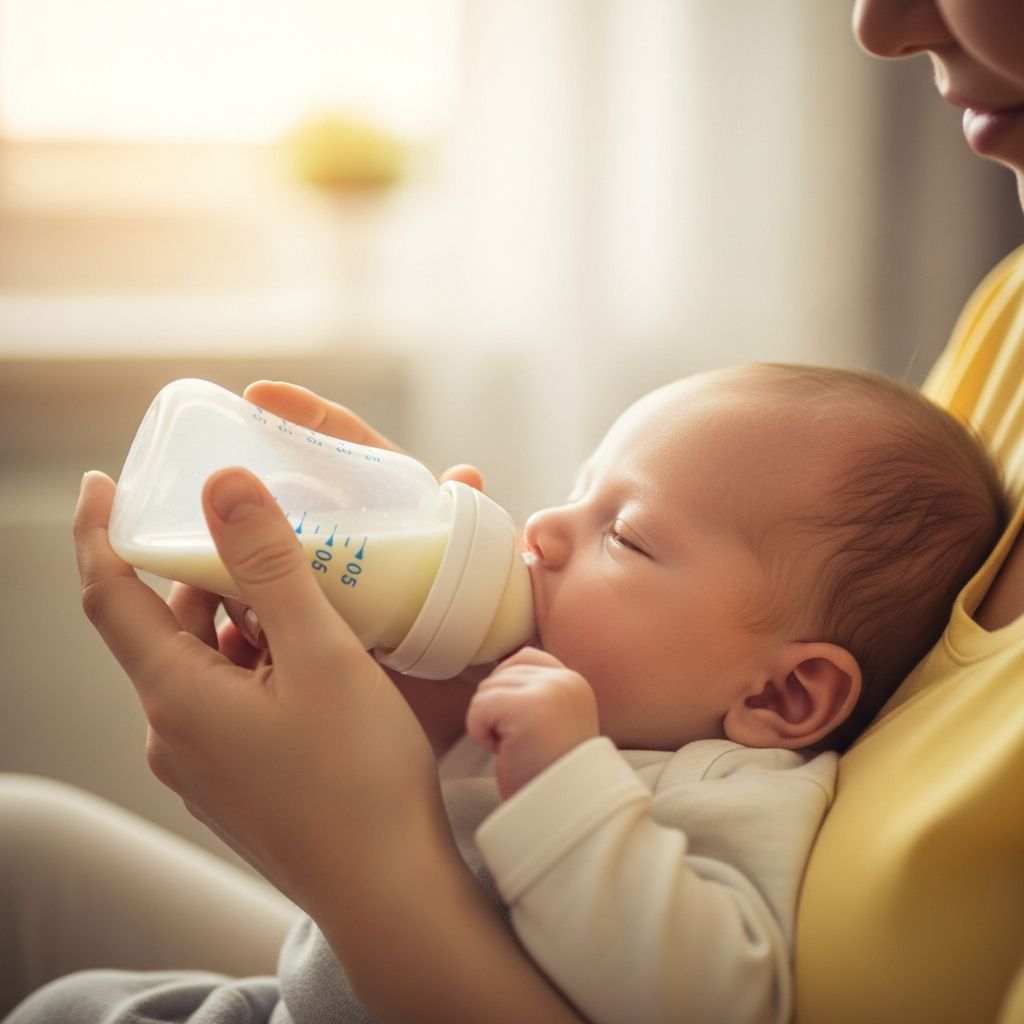
In an era where work-life balance is paramount, a growing number of employers are embracing innovative policies that allow new parents to bring their infants to the workplace. These infants-at-work initiatives represent a shift toward more family-inclusive environments, enabling mothers and fathers to care for their newborns while fulfilling professional responsibilities. Drawing inspiration from trailblazing organizations, this article delves into the mechanics, benefits, and broader implications of such programs, highlighting how they are reshaping corporate culture across the United States.
The Emergence of Family-Centric Workplace Policies
Traditional parental leave policies often end abruptly, forcing parents back to work just as their babies enter a critical developmental phase. Infants-at-work programs bridge this gap by permitting babies to accompany parents to the office for the first six months of life or until they become mobile, whichever occurs first. This approach not only supports breastfeeding and bonding but also addresses the talent retention challenges faced by many sectors.
Pioneered in various U.S. workplaces, these programs have gained traction since the early 2000s. According to advocates in the field, over 200 companies nationwide have implemented similar policies, benefiting more than 2,100 infants to date. The model emphasizes safety, productivity, and inclusivity, proving that family needs and professional success can coexist harmoniously.
Spotlight on Innovative Implementations
One standout example comes from nonprofit organizations in Iowa, where leadership has championed baby-inclusive offices. The CEO, a parent herself, introduced a policy allowing staff to integrate infants into daily routines. This initiative supports the transition from leave back to work, fostering an environment where career advancement and childcare align seamlessly.
Similarly, in the property management sector, a Des Moines-based firm has formalized a comprehensive 12-page policy. Employees can bring newborns after completing standard maternity or paternity leave, with provisions for quiet spaces to manage fussiness and designated colleagues to assist during focused work periods. This program has seen multiple ‘graduations’ of babies, with new participants joining regularly, demonstrating sustained success.
| Organization | Program Duration | Key Features | Outcomes |
|---|---|---|---|
| Nonprofit in Iowa | Up to 6 months or crawling | Breastfeeding support, talent retention | Enhanced staff loyalty, family bonding |
| Property Management Firm | Post-leave to 6 months/mobile | Quiet rooms, alternate caregivers | Recruitment boost, 9 active participants |
This table illustrates commonalities and unique adaptations, underscoring the flexibility of these policies.
Core Guidelines for Successful Programs
Implementing an infants-at-work policy requires meticulous planning to ensure safety and productivity. Key elements include:
- Age Limits: Babies typically participate until 6 months or when they start crawling, prioritizing office safety from mobile exploration.
- Safety Protocols: Designated baby zones with secure play areas, hygiene standards, and emergency procedures.
- Support Structures: Peer caregivers among staff, nursing rooms, and flexible scheduling to accommodate feeding and naps.
- Training: Mandatory sessions for parents and colleagues on integrating infants without disrupting workflows.
- Health Measures: Vaccination requirements and illness policies to protect vulnerable newborns.
These guidelines, refined through real-world application, minimize disruptions while maximizing benefits.
Benefits for Parents, Babies, and Employers
For new parents, the ability to keep infants nearby reduces separation anxiety and facilitates breastfeeding, which health experts link to improved infant immunity and maternal well-being. Studies from official health bodies affirm that continued nursing beyond three months yields significant developmental advantages.
Infants thrive in familiar routines with parental proximity during a pivotal bonding window. Pediatric guidelines emphasize the first six months as crucial for attachment formation, which these programs support effectively.
Employers reap rewards through enhanced retention and recruitment. In competitive markets, such perks differentiate organizations, particularly for millennials prioritizing family policies. One firm reported seamless integration of multiple babies, correlating with lower turnover rates.
Quantifiable gains include reduced absenteeism—parents avoid childcare hunts—and boosted morale, as inclusive cultures foster loyalty. Nonprofits and for-profits alike report attracting top talent, with policies serving as key differentiators in hiring.
Overcoming Potential Challenges
Critics worry about distractions or inclusivity for non-parents. Successful programs counter this with structured support, like alternate caregivers ensuring meetings proceed uninterrupted. Policies cap participation numbers if needed, maintaining equity.
Noise and hygiene concerns are addressed via dedicated spaces and protocols. Initial skepticism often fades as colleagues witness productivity levels remain high, with many appreciating the positive office atmosphere babies bring.
Legal considerations, such as liability and accommodations under the Family and Medical Leave Act, necessitate consultation with HR experts. Yet, with proper implementation, risks are minimal compared to benefits.
Broader Impact on Workforce Trends
These programs align with evolving labor trends, where 80% of workers value family benefits, per labor department surveys. As remote work normalizes post-pandemic, hybrid models incorporating infants-at-work could expand access.
In nonprofits focused on youth development, such policies model progressive values, inspiring staff and communities. They challenge outdated norms, proving high performance and parenting are compatible.
Expansion is evident: from Iowa pioneers to national adopters, momentum builds. Advocacy groups track growth, predicting wider adoption as data validates efficacy.
Steps for Organizations to Launch Their Own
- Assess Readiness: Survey employees and evaluate office space for baby areas.
- Develop Policy: Draft detailed guidelines, drawing from established models.
- Train Staff: Educate on participation, support roles, and etiquette.
- Pilot Program: Start small, gather feedback, and refine.
- Monitor Success: Track retention metrics and parental satisfaction.
This roadmap ensures smooth rollout, positioning companies as family-forward leaders.
Real Stories from Participants
Parents rave about the emotional relief of avoiding daycare separations. One executive shared how her infant’s presence energized her workday, blending professional duties with nurturing seamlessly.
Colleagues often form bonds with the babies, creating a familial office vibe. ‘Graduation’ milestones are celebrated, marking successful transitions to external care.
Frequently Asked Questions (FAQs)
What is the typical duration of an infants-at-work program?
Programs generally allow babies until 6 months old or when they become mobile, ensuring office safety.
Do these policies affect productivity?
No—structured support like peer caregivers maintains focus, with many reporting sustained or improved output.
Are they only for mothers?
No, both parents and guardians qualify, promoting gender equity in caregiving.
How do employers benefit?
Through better retention, recruitment of family-oriented talent, and higher morale.
Can any workplace adopt this?
Yes, with adaptations for space and industry, starting with a pilot proves feasibility.
Future Outlook for Workplace Family Integration
As demographics shift toward smaller families and delayed parenthood, demand for flexible policies surges. Governments and NGOs may incentivize adoption via tax credits, accelerating change. These programs herald a future where workplaces nurture life’s earliest stages alongside career growth.
References
- Bring Infant to Work Program at Girl Scouts Iowa — Mother.ly. 2023. https://www.mother.ly/career-money/work-and-motherhood/bring-infant-to-work-program-girl-scouts-iowa/
- Bring-Your-Baby-to-Work Day—Every Day! — Careers Building Communities. 2020. https://careersbuildingcommunities.org/stories/bring-your-baby-to-work-day-every-day/
- GSGI Perks — Girl Scouts of Greater Iowa (official PDF). 2021-06-09. https://www.girlscoutsiowa.org/content/dam/girlscoutsiowa-redesign/documents/other/GSGI%20Perks_060921.3.pdf
- Girl Scouts Of Greater Iowa Lets Moms Bring Their Babies Into The Office — Scary Mommy. N/A. https://www.scarymommy.com/girls-scouts-of-greater-iowa-infants-at-work