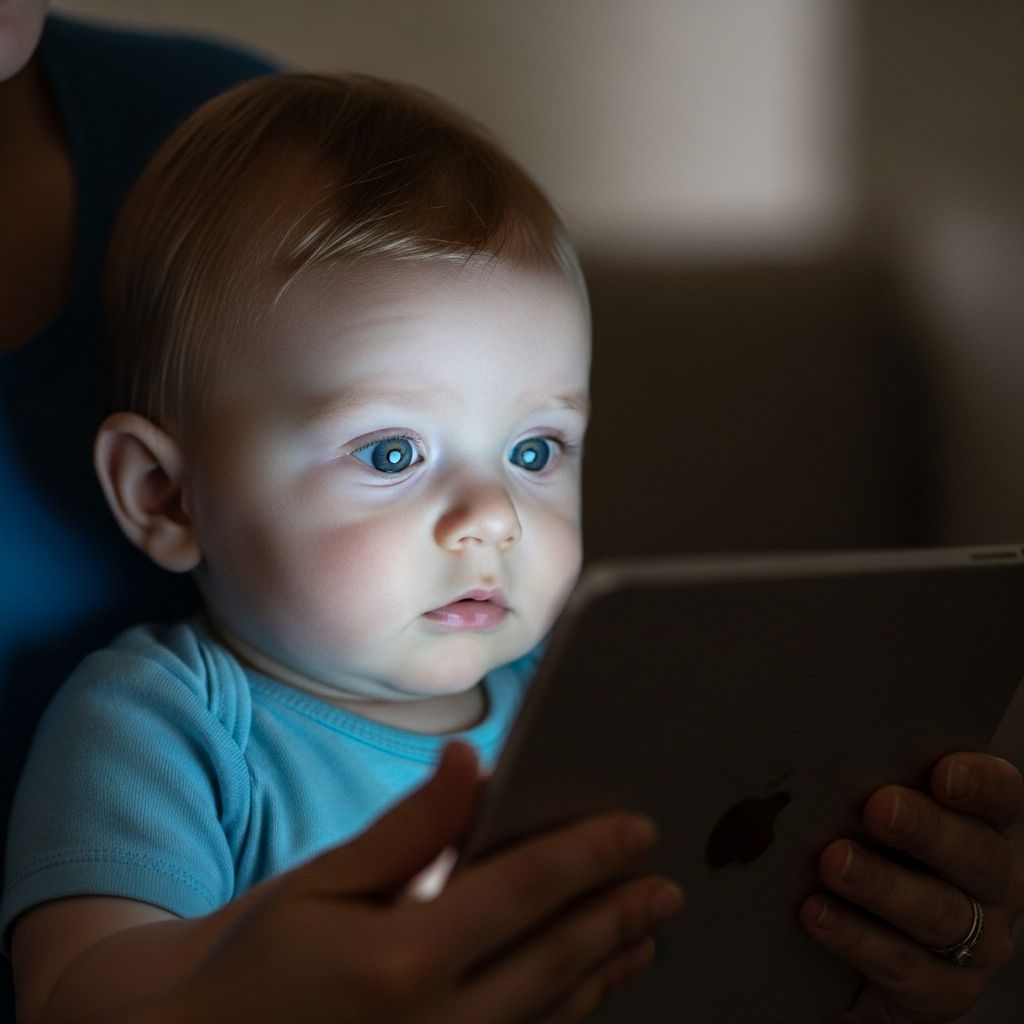
Excessive screen exposure during a baby’s first years can alter brain development and hinder key skills like attention and communication, according to multiple longitudinal studies tracking thousands of children from infancy.
Understanding the Surge in Infant Screen Use
In today’s digital world, screens are everywhere, from smartphones to tablets, often becoming unintended babysitters for infants. Recent data reveals alarming trends: at six months, babies average over 75 minutes of daily screen time, rising to nearly 2.5 hours by 24 months, with most families far exceeding health guidelines. Only 11% meet no-screen recommendations at six months, dropping to just 2.4% by two years.
This increase correlates with socioeconomic factors. Children from lower-educated households see screen exposure jump by over an hour from six to 24 months, widening developmental gaps. High-exposure infants can rack up more than six hours daily, dwarfing parent-reported averages and highlighting underestimation in self-surveys.
Brain Wave Disruptions from Early Screens
One of the most direct impacts appears in brain activity. A comprehensive Singapore study followed over 400 children from pregnancy to age nine, measuring screen time at 12 months via parent reports and brain waves at 18 months using EEGs. Results showed a clear pattern: more screen time at 12 months linked to elevated theta waves—slower frequencies signaling drowsiness and inattention—over faster beta waves associated with alertness.
Higher theta/beta ratios predict attention deficits, a finding echoed in elementary school performance where increased screen hours correlated with executive function struggles, including impulse control and focus. Experts note that while screens are one factor, they interact with parenting quality and family dynamics, potentially amplifying effects in busy households.
Developmental Delays in Communication and Beyond
A large Japanese cohort of 7,097 mother-child pairs pinpointed dose-response risks: screen time at age one year raised odds of delays at ages two and four. Specifically, 1-2 hours daily increased communication delay risk by 61% at age two (OR 1.61, 95% CI 1.23-2.10), while over four hours doubled problem-solving delay odds at both ages (OR 2.68 for communication, 1.91 for problem-solving at age four).
| Screen Time at 1 Year | Communication Delay Risk (Age 2) | Problem-Solving Delay Risk (Age 4) |
|---|---|---|
| <1 hour/day (ref) | Baseline | Baseline |
| 1 to <2 hours | OR 1.61 (1.23-2.10) | Not significant |
| 2 to <4 hours | OR 2.04 (1.52-2.73) | OR 1.64 (1.20-2.25) |
| ≥4 hours | Higher risk | OR 2.68 (1.68-4.27) |
Mothers of high-screen children were often younger, first-time parents with lower income and education, and higher postpartum depression rates, suggesting intertwined vulnerabilities. These delays persisted across follow-ups, underscoring screens’ lasting imprint on cognitive domains.
Language and Social Skills Under Threat
Background screens compound harm. Even without direct viewing, TV noise reduces parent-child talk, stunting language growth in infants under 18 months. Studies confirm lower language and social scores with constant TV on, as passive parental interactions replace enriching dialogue.
Prospective research from six to 24 months links early media to motor and language lags, with emotional coping cycles emerging: screens exacerbate behavioral issues, prompting more use in a feedback loop.
Why Infant Brains Are Uniquely Vulnerable
The first two years are critical for neural wiring. Screens deliver rapid stimuli mismatched to babies’ processing speed, potentially rewiring pathways for attention and learning. Guidelines from bodies like the American Academy of Pediatrics advocate zero recreational screen time under 18 months (video chatting excepted) and quality limits at 18-24 months, prioritizing human interaction.
Real-world adherence lags: objective measures via wearables show exposures triple parent estimates, especially in disadvantaged homes where screens fill support gaps.
Practical Strategies to Minimize Screen Impact
- Create screen-free zones: Keep devices out of bedrooms and mealtimes to foster focus and family bonds.
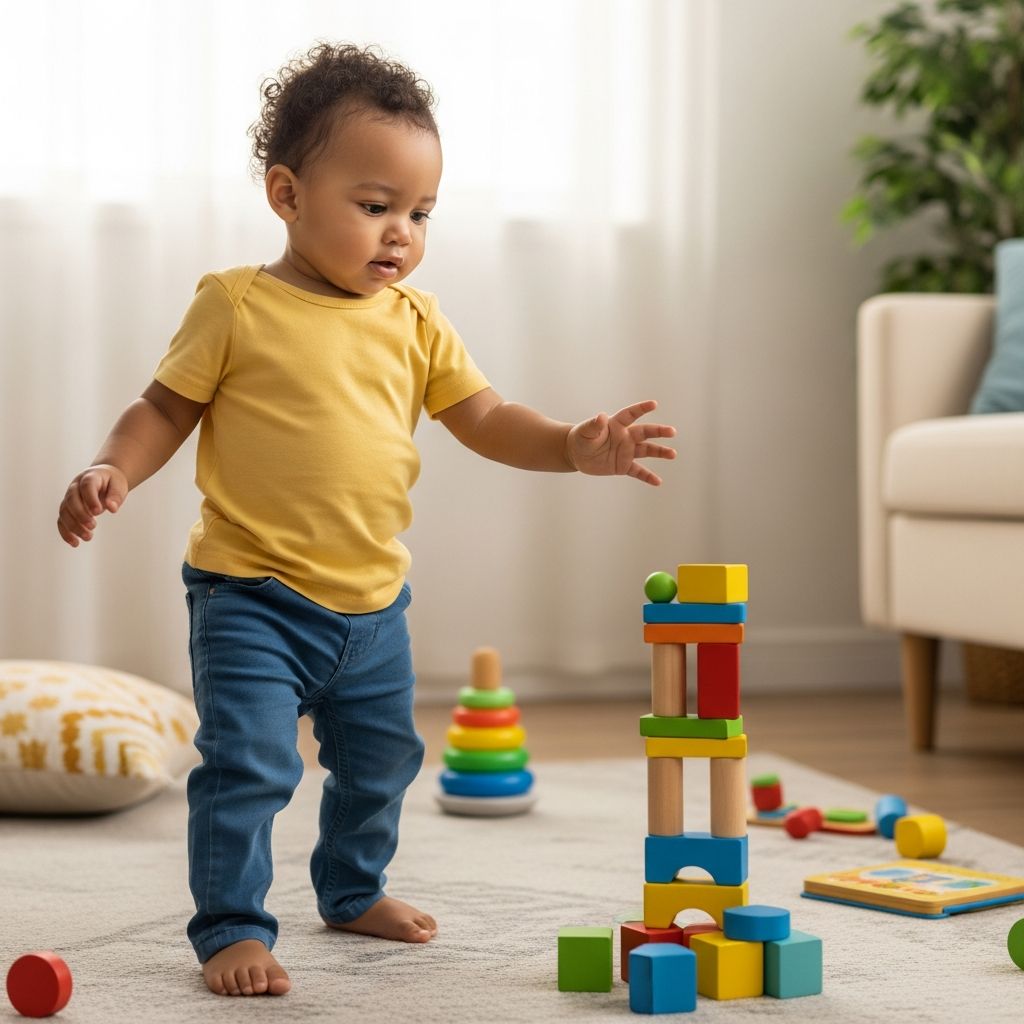
- Prioritize play: Hands-on toys and tummy time build motor skills and cognition far better than passive viewing.
- Model healthy habits: Parental device use influences babies; demonstrate balanced tech engagement.
- Engage actively: Narrate daily routines, read books, and sing to boost language without screens.
- Monitor and track: Use apps or journals to log exposure, aiming below one hour daily post-18 months.
Socioeconomic Angles and Family Dynamics
Disparities amplify risks. By 24 months, lower-education families expose children to nearly two extra hours daily versus peers, correlating with widened developmental chasms. Interventions targeting education and support could mitigate this, as screen overreliance often stems from fatigue or resource scarcity rather than intent.
Long-Term Implications for School Readiness
By elementary age, early screen patterns predict attention woes and executive dysfunction, impairing academics. Dose-response ties—more hours, worse outcomes—suggest prevention is key, with even moderate exposure (1-2 hours) elevating risks.
Emotional loops add complexity: screen-induced irritability drives further use, perpetuating cycles into behavioral challenges.
Frequently Asked Questions About Infant Screen Time
Is any screen time okay for babies under 12 months?
No recreational screens are recommended; brains thrive on face-to-face interaction.
How does background TV affect development?
It reduces parent talk, harming language skills even without direct watching.
What if screens help during stressful times?
Short-term use is understandable, but swap for play or rest to avoid cumulative harm.
Can educational apps make screens safe?
Limited evidence; interactive human play outperforms digital content for infants.
How to cut screen time in busy homes?
Set routines, involve partners, and use carriers for hands-free bonding.
Empowering Parents with Evidence-Based Choices
Armed with data from cohorts like Singapore’s 400-child tracker and Japan’s 7,000-pair study, parents can reclaim early years for optimal growth. Shift from screens to responsive caregiving yields profound, lasting benefits in cognition, emotion, and social bonds.
References
- Babies and screen time: New research calls for caution — Boston Children’s Hospital Answers. 2023. https://answers.childrenshospital.org/screen-time-infants/
- Screen Time at Age 1 Year and Communication and Problem-Solving Developmental Delay at Ages 2 and 4 Years — JAMA Pediatrics. 2023-05-01. https://jamanetwork.com/journals/jamapediatrics/fullarticle/2808593
- Objectively measured infant and toddler screen time — PubMed Central (Infant Behavior and Development). 2023-01-15. https://pmc.ncbi.nlm.nih.gov/articles/PMC10122061/
- The effects of screen time on children: The latest research parents should know — CHOC Children’s Health. 2023. https://health.choc.org/the-effects-of-screen-time-on-children-the-latest-research-parents-should-know/
- Screen Time for Infants — American Academy of Pediatrics. 2023. https://www.aap.org/en/patient-care/media-and-children/center-of-excellence-on-social-media-and-youth-mental-health/qa-portal/qa-portal-library/qa-portal-library-questions/screen-time-for-infants/