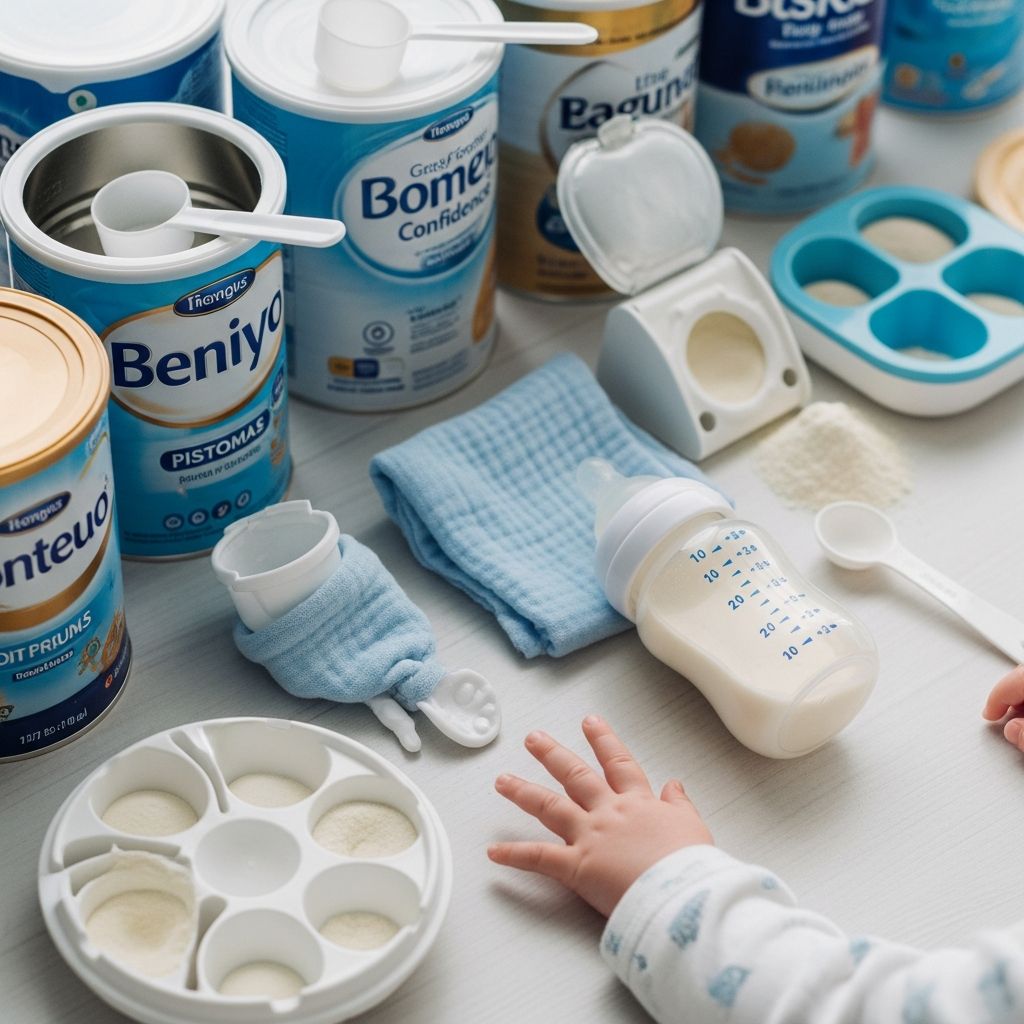
Infant reflux, medically known as gastroesophageal reflux (GER), affects many newborns as stomach contents flow back into the esophagus due to an immature lower esophageal sphincter (LES). This common condition typically resolves by age one but can cause discomfort if severe, progressing to gastroesophageal reflux disease (GERD).
Understanding the Basics of Reflux in Newborns
The LES is a ring-shaped muscle that relaxes to allow food into the stomach and tightens to prevent backflow. In infants, this muscle is underdeveloped, leading to frequent spitting up, especially after feeds or position changes. Unlike GERD, which involves complications like esophagitis, simple GER is usually benign and self-limiting.
Reflux peaks around 4 months and improves as babies grow upright and introduce solids. Distinguishing GER from GERD is crucial: GER often involves harmless spit-up, while GERD may show poor weight gain, feeding refusal, or respiratory issues.
Recognizing Common Signs and Symptoms
Babies with reflux may exhibit various indicators. Key symptoms include:
- Frequent spitting up or vomiting shortly after feeding
- Coughing, hiccupping, or gagging during meals
- Irritability, crying, or arching the back post-feed
- Swallowing frequently or gulping after burps
- Refusal to eat or poor weight gain in severe cases
- Silent reflux: discomfort without visible spit-up
GERD signs warrant attention: wheezing, chronic cough, or failure to thrive. Track episodes in a diary noting timing, volume, and associated behaviors to share with your pediatrician.
| Feature | GER (Common Reflux) | GERD (Disease) |
|---|---|---|
| Symptoms | Spit-up, mild fussiness | Painful regurgitation, weight loss |
| Duration | Resolves by 12-18 months | Persists, needs intervention |
| Complications | Rare | Esophagitis, breathing issues |
This table highlights differences based on clinical guidelines.
Primary Causes Behind Infant Reflux
Immature LES function is central, exacerbated by frequent large feeds, supine sleeping, and a short esophagus. Overfeeding stretches the stomach, pressuring the valve; gas or abrupt movements worsen it. Cow’s milk protein allergy can mimic or trigger symptoms in some cases.
Positioning plays a role: horizontal postures post-feed increase reflux risk. As babies develop head control and mobility around 6-12 months, symptoms naturally decline.
Everyday Strategies to Minimize Reflux Episodes
Lifestyle tweaks often suffice for most infants. Start with these evidence-based approaches:
- Upright Positioning: Hold baby vertically during and 20-30 minutes after feeds. Burp midway and at end in upright posture.
- Smaller, Frequent Feeds: Reduce volume per session to avoid stomach distension; feed every 2-3 hours.
- Thickened Feeds: Add rice cereal or use pre-thickened formulas under doctor guidance to weigh down contents.
- Paced Bottle Feeding: Tilt bottle horizontally, pause for cues to prevent gulping air.
- Clothing and Diaper Choices: Avoid tight waistbands; use loose diapers.
Keep baby awake and upright post-feed, never prop in swings unattended. Elevate crib mattress head 30 degrees safely for sleep, per AAP guidelines, but consult first.
Feeding Modifications for Breastfed and Formula-Fed Babies
Breastfeeding Adjustments
Moms can eliminate dairy, caffeine, or spicy foods if allergy suspected; pump and feed upright. Ensure good latch to minimize air intake.
Formula Options
Switch to hydrolyzed or amino acid formulas for cow’s milk sensitivity. Antiregurgitant formulas with thickeners help. Always transition gradually under pediatrician advice.
For mixed feeding, prioritize breast milk but apply same positioning rules.
When Medications Become Necessary
Medications target GERD complications, not routine GER. Proton pump inhibitors (PPIs) like omeprazole reduce acid for esophagitis; H2 blockers like ranitidine ease symptoms. Use short-term only if feeding changes fail and poor growth persists.
Prokinetics are rarely used due to side effects. Never self-medicate; pediatric dosing is precise.
Surgical Interventions: Rare but Possible
Fundoplication wraps stomach around esophagus to strengthen LES, reserved for severe GERD with life-threatening issues like aspiration pneumonia or failure to thrive despite meds. Success rates high, but risks include gas-bloat; outpatient recovery typical.
Monitoring Growth and Development
Regular check-ups ensure weight gain on curve. Plot measurements; intervene if faltering. Most reflux babies thrive; symptoms alone don’t indicate problems.
Long-Term Outlook and Prevention Tips
By 12 months, 90% outgrow GER as LES matures and diet diversifies. Solids introduction aids; delay if reflux active. Teach older infants upright eating habits.
Frequently Asked Questions About Infant Reflux
Will my baby outgrow reflux?
Yes, most do by 12-18 months as the LES strengthens and positioning improves.
Is spitting up always reflux?
Often yes, but rule out allergies, pyloric stenosis (projectile vomiting), or infections.
Can I use over-the-counter antacids?
No, not without doctor approval; infant formulations differ.
Does tummy time help?
Limited direct impact, but strengthens muscles overall; do supervised awake sessions.
What if reflux starts late?
Beyond 18 months, seek evaluation for GERD or other issues.
Partnering with Healthcare Providers
Pediatricians diagnose via history, exam; tests like pH probes or scopes for GERD. Early intervention prevents complications. Join parent support groups for tips.
Empower yourself with knowledge; consistent strategies yield relief. Consult always for personalized plans.
References
- Gastroesophageal Reflux (GER) & Gastroesophageal Reflux Disease (GERD) in Infants and Children — American Academy of Pediatrics. 2023. https://www.healthychildren.org/English/health-issues/conditions/abdominal/Pages/GERD-Reflux.aspx
- Reflux in Babies: Signs & Treatment — Cleveland Clinic. 2024-05-23. https://my.clevelandclinic.org/health/diseases/reflux-in-babies
- Reflux in babies — NHS. 2023-07-31. https://www.nhs.uk/conditions/reflux-in-babies/
- Diagnosis and Treatment of Gastroesophageal Reflux in Infants and Children — American Academy of Family Physicians. 2015-10-15. https://www.aafp.org/pubs/afp/issues/2015/1015/p705.html
- Reflux (GOR) and GORD — Royal Children’s Hospital Melbourne. 2024. https://www.rch.org.au/kidsinfo/fact_sheets/Reflux_GOR_and_GORD/
- Infant acid reflux – Diagnosis and treatment — Mayo Clinic. 2024-01-24. https://www.mayoclinic.org/diseases-conditions/infant-acid-reflux/diagnosis-treatment/drc-20351412
- Reflux in Infants — MedlinePlus (NIH). 2023. https://medlineplus.gov/refluxininfants.html