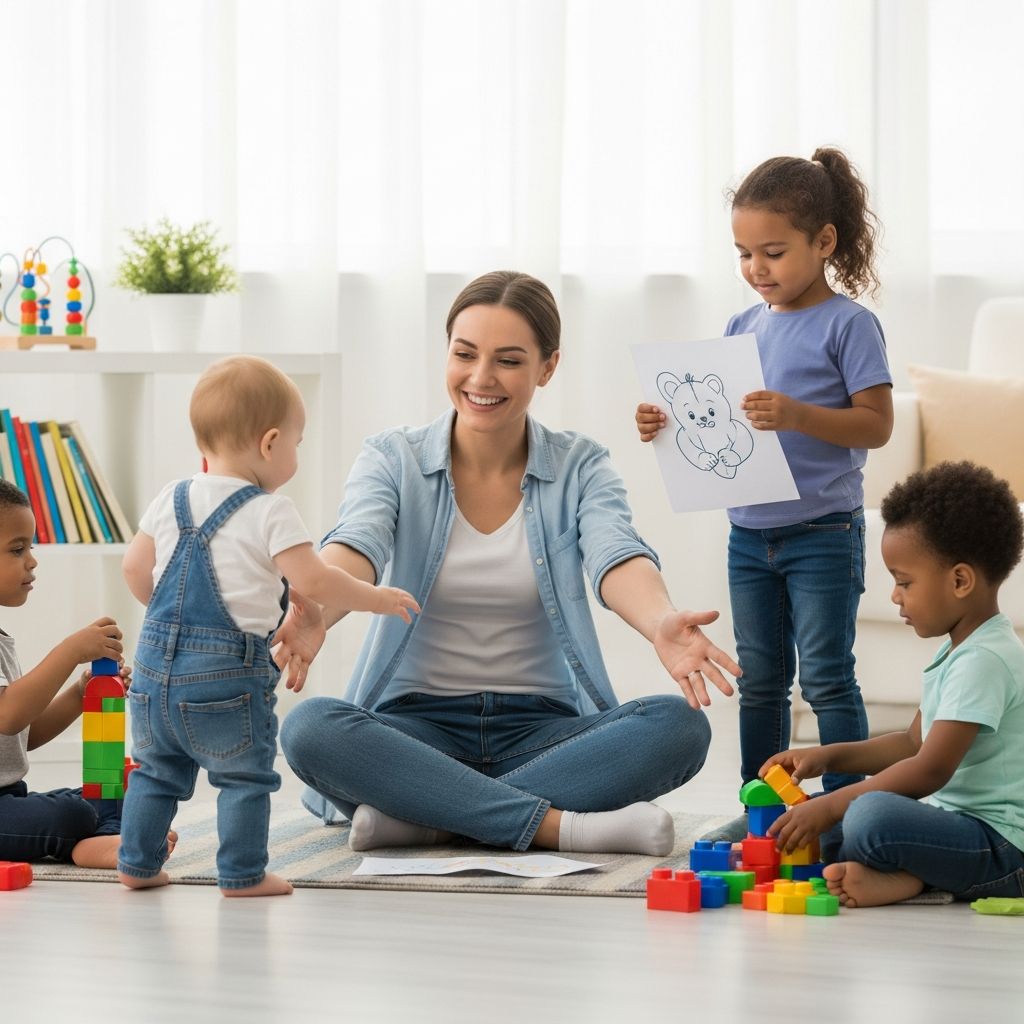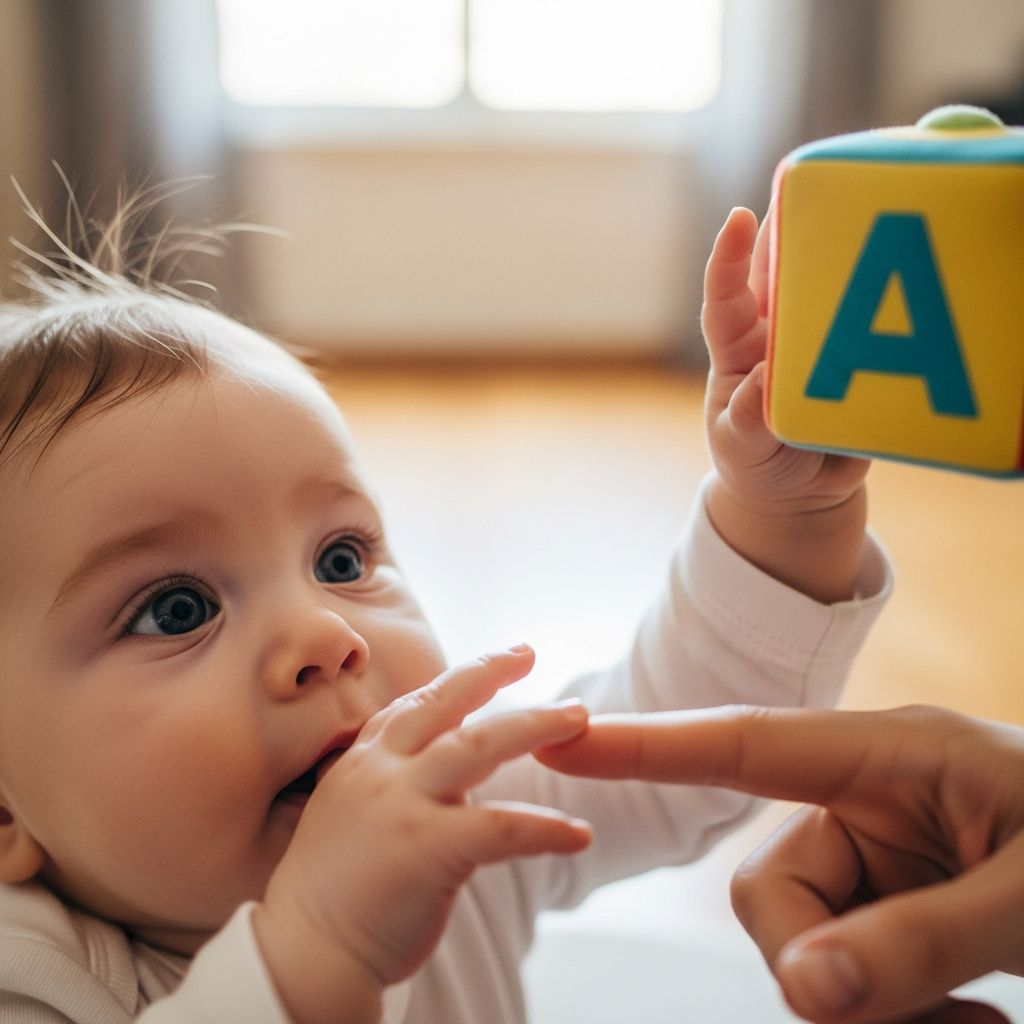
Language development in infants forms the cornerstone of cognitive and social growth, beginning moments after birth and evolving rapidly through the first years. Parents play a pivotal role by engaging in everyday interactions that stimulate listening, vocalization, and comprehension skills. This guide outlines key phases, practical techniques, and indicators of progress to help caregivers support their child’s journey toward fluent communication.
Earliest Signs: Communication from Birth to Three Months
In the initial weeks, babies rely on innate responses to voices and sounds as the foundation for language acquisition. Newborns quickly distinguish their caregiver’s voice, calming to familiar tones while startling at loud noises. This period marks the start of auditory discrimination, where infants vocalize through coos, gurgles, and cries to express needs.12
- Recognizes parental voice and quiets during cries.
- Produces pleasure sounds like giggles alongside distress cries.
- Turns toward new sounds and smiles in response to speech.
During these months, eye contact strengthens as babies fixate on moving lips and faces, absorbing the rhythms of spoken language. Simple face-to-face exchanges build trust and encourage reciprocal vocal play, setting the stage for more complex interactions.1
Expanding Sounds: Progress from Four to Six Months
By four months, infants transition from basic coos to playful experimentation with consonants and vowels, mimicking tones and pitches they hear. Laughter emerges, alongside responses to words like “no” and changes in voice inflection, showing growing comprehension.24
| Milestone | Description | Activities to Encourage |
|---|---|---|
| Turns to sounds | Locates voice or rattle across room | Shake toys rhythmically while naming them |
| Begins babbling | Repeats “ba-ba” or “ooh-aah” | Mirror sounds back enthusiastically |
| Enjoys toys with noise | Reaches for sound-making objects | Introduce soft musical instruments |
These advancements reflect neural pathways strengthening through repeated exposure. Caregivers can amplify this by narrating daily routines, varying pitch to hold attention, and pausing to invite imitation.3
Babbling Boom: Advances Between Seven and Twelve Months
This phase brings rhythmic babbling resembling speech patterns, with babies stringing syllables like “ma-ma-da-da” and responding to their name from distances. Understanding expands to contextual phrases such as “bye-bye,” often prompting waves or gestures.12
- Imitates intonation and familiar sounds like coughing.
- Recognizes common objects when named (e.g., “cup,” “shoe”).
- Uses gestures alongside sounds to communicate intent.
Jargon—speech-like babble with adult-like melody—appears around eight to nine months, signaling readiness for first words by year’s end. Singing nursery rhymes aids rhythm recognition, helping segment words within sentences.36
First Words and Beyond: Twelve to Eighteen Months
Entering the toddler stage, babies utter meaningful words, typically 4-6 initially, growing monthly. They follow simple directives with gestures, like “give me the ball,” and point to body parts or pictures when asked.25
Vocabulary surges as children label objects and people, though pronunciation remains approximate. Parental modeling—repeating and expanding utterances (e.g., baby says “ba,” respond “ball!”)—accelerates this growth.4
Phrases and Questions: Nineteen to Twenty-Four Months
By 24 months, many toddlers combine two words into phrases like “more milk” and pose queries such as “where ball?” They grasp action words (clap, jump), spatial terms (in, on), and follow two-step instructions.24
| Skill Area | Expected Achievements |
|---|---|
| Understanding | Points to big/small; answers yes/no questions |
| Expression | 50+ words; half intelligible to strangers |
| Social Use | Uses pronouns like “me,” “you” |
This period solidifies conversational foundations, with reading sessions boosting vocabulary through picture association.3
Daily Strategies to Boost Language Skills
Consistent, responsive interactions are vital. Speak descriptively during play, read diverse books daily, and limit screen time to prioritize human dialogue. Respond to every babble as meaningful conversation to reinforce efforts.6
- Read aloud: Point to images, ask predictive questions.
- Sing and rhyme: Repetition aids memory and phoneme awareness.
- Describe actions: “I’m washing the red apple” builds associations.
- Expand utterances: Turn “dog” into “big brown dog running.”
Music introduces prosody, while multilingual homes foster bilingualism without confusion if exposure is balanced.3
Recognizing and Addressing Delays
While variations occur, consult professionals if by 12 months no words emerge, or by 24 months speech is largely unintelligible. Early intervention via speech therapy yields best outcomes.7
- No babbling by 9 months.
- No gesturing (pointing, waving) by 12 months.
- Limited eye contact or response to name.
Track milestones using tools from trusted health organizations and seek evaluation promptly.9
Frequently Asked Questions (FAQs)
What if my baby isn’t babbling yet at 6 months?
Some develop slower; ensure ample interaction. Consult a pediatrician if no progress by 9 months.2
Does screen time help language growth?
Minimal benefit under 18 months; interactive talk outperforms passive viewing.6
Can bilingual exposure delay speech?
No, it enhances cognitive flexibility with consistent input in both languages.3
How much daily reading is ideal?
15-20 minutes, multiple short sessions, focusing on engagement over duration.4
When should I worry about pronunciation?
By 24 months, half should be clear to outsiders; therapy aids persistent issues.5
References
- Speech and language development from birth to 12 months — Great Ormond Street Hospital. 2023. https://www.gosh.nhs.uk/conditions-and-treatments/procedures-and-treatments/speech-and-language-development-birth-12-months/
- Age-Appropriate Speech and Language Milestones — Children’s Hospital of Philadelphia. 2024. https://www.chop.edu/health-resources/age-appropriate-speech-and-language-milestones
- Baby language development: 3-12 months — Raising Children Network. 2023. https://raisingchildren.net.au/babies/development/language-development/language-3-12-months
- Language development: Speech milestones for babies — Mayo Clinic. 2024-01-15. https://www.mayoclinic.org/healthy-lifestyle/infant-and-toddler-health/in-depth/language-development/art-20045163
- Speech/language skills: birth to 2 years — Children’s Hospital of Richmond. 2023. https://www.chrichmond.org/services/therapy-services/developmental-milestones/speechlanguage-skills-birth-to-2-years/
- Communication Milestones: Birth to 1 Year — American Speech-Language-Hearing Association. 2024. https://www.asha.org/public/developmental-milestones/communication-milestones-birth-to-1-year/
- Speech and Language Developmental Milestones — National Institute on Deafness and Other Communication Disorders, NIH. 2023. https://www.nidcd.nih.gov/health/speech-and-language