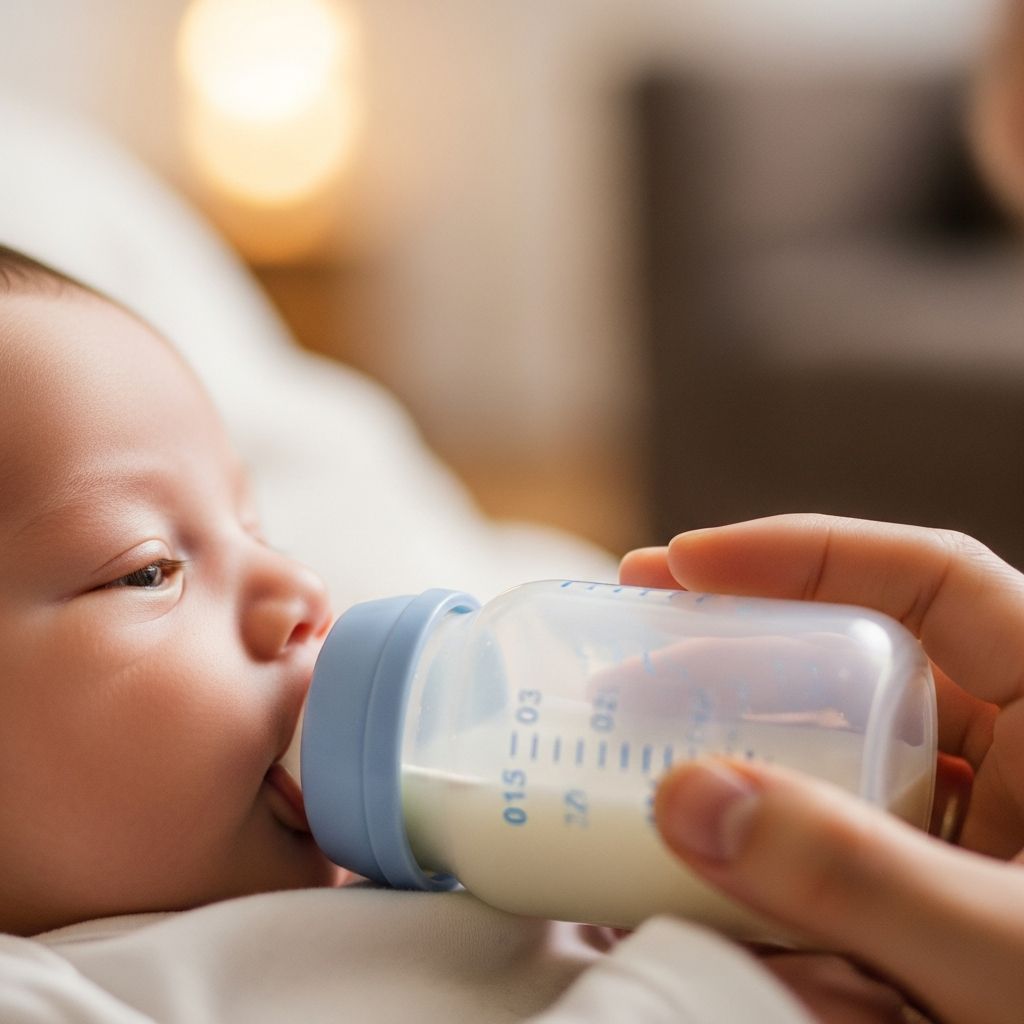
When a tiny baby develops a stuffy nose or a stubborn cough, many parents instinctively reach for medicine, only to discover warnings, recalls, and confusing labels. This guide explains why so many infant cough and cold products have been pulled from shelves, what those recalls really mean, and how you can safely care for your sick baby without putting them at unnecessary risk.
Why Infant Cough and Cold Medicines Are So Controversial
Over the past two decades, health authorities and manufacturers have repeatedly reviewed and, in many cases, withdrawn over-the-counter cough and cold medicines marketed for babies. The central concern is simple: these drugs often do not help infants recover faster, yet they carry a real risk of serious side effects when misused or overdosed. That combination of limited benefit and meaningful risk has led to stronger warnings, age restrictions, and, in some instances, full product recalls.
Unlike adults, babies have immature organs, different body chemistry, and a much smaller margin for error in dosing. A difference of a few milligrams can be enough to tip an infant from treated to overdosed, especially if they receive overlapping medicines that contain the same active ingredients, such as decongestants, antihistamines, or pain relievers.
Understanding Medicine Recalls In Plain Language
When parents hear that an infant cough or cold medicine has been recalled, the first reaction is often panic and guilt: “Did I hurt my baby by using this?” It helps to understand what a recall actually is. A recall is a formal action taken by a manufacturer, sometimes at the request of regulators, to remove or correct products that are potentially unsafe, incorrectly labeled, contaminated, or otherwise not meeting standards.
Recalls typically fall into a few broad categories:
- Safety-based recalls: Triggered when a product is linked to serious side effects, overdoses, or deaths, especially in very young children.
- Labeling or dosing recalls: Occur when dosing instructions, measuring devices, or packaging could reasonably cause confusion and lead to accidental overdose.
- Quality or contamination recalls: Issued if there is a risk of bacterial contamination, incorrect ingredients, or manufacturing defects.
Many well-known infant cold products were voluntarily withdrawn not because one single bottle was poisoned, but because the overall risk profile for babies was simply too high compared with the minor symptom relief those medicines promised.
Why Babies Are Especially Vulnerable to Medication Risks
Infants are not just “tiny adults.” Their livers and kidneys are still developing, their breathing control centers are immature, and their body weight can change rapidly from week to week. These biological realities make it much harder to predict how a standard dose of medicine will affect them.
Several factors increase risk for babies:
- Rapid weight changes: A dose that was appropriate a month ago may now be too low or too high.
- Immature liver metabolism: Drugs like decongestants and antihistamines remain longer in the body, which can amplify side effects.
- Overlap of ingredients: Using two different products—such as a “multi-symptom cold” syrup and a separate pain reliever—can easily double the dose of shared ingredients like acetaminophen without a parent realizing it.
- Difficulty observing subtle side effects: Babies cannot describe dizziness, palpitations, or confusion; the first sign of trouble may be severe, such as difficulty breathing or unresponsiveness.
Common Ingredients That Raise Red Flags in Infants
Most recalled infant cold formulations did not contain exotic or rare substances. They were built from familiar drug classes that adults routinely use for colds and allergies—but those same ingredients can be problematic for babies.
| Ingredient type | Typical purpose | Potential concern in infants |
|---|---|---|
| Decongestants (e.g., pseudoephedrine, phenylephrine) | Reduce nasal stuffiness by shrinking blood vessels in the nose | Can raise heart rate and blood pressure, disturb sleep, and in high doses contribute to serious cardiovascular or neurological events. |
| Antihistamines (e.g., diphenhydramine, chlorpheniramine) | Dry runny noses and reduce sneezing | May cause extreme drowsiness, agitation, trouble breathing, or seizures when overdosed. |
| Cough suppressants (e.g., dextromethorphan) | Reduce the cough reflex | Can interfere with the body’s natural attempt to clear mucus and, in excess, affect breathing and brain function. |
| Pain relievers / fever reducers (e.g., acetaminophen) | Lower fever and ease discomfort | Overdose may damage the liver; risk increases if given in more than one product at a time. |
On their own, these ingredients can sometimes be used safely in older children, under strict dosing guidance. Problems arise when they are bundled into multi-symptom syrups, given too often, or combined with other medicines containing the same components.
What Health Authorities Generally Advise for Young Children
Professional organizations and regulatory bodies have gradually converged on a cautious stance about over-the-counter cough and cold products in young children, especially those under two years of age. While exact wording varies by country and over time, several themes are consistent.
- Many over-the-counter cough and cold medicines are not recommended for infants and toddlers because side effects and dosing errors are more common in this age group.
- Parents are encouraged to talk with a pediatrician before giving any non-prescription cold remedies to a baby, rather than relying on packaging alone.
- When medication is truly needed, single-ingredient products with clear dosing tools are preferred to complex multi-symptom formulas.
These recommendations can feel frustrating when a baby is miserable, but they arise from real cases in which infants experienced seizures, breathing problems, or worse after receiving seemingly routine cough and cold preparations.
Safer Home Strategies to Soothe a Sick Baby
Because traditional cough and cold medicines are often discouraged for infants, parents need a toolkit of gentle, non-drug approaches that can provide comfort while the illness runs its course. Many of these strategies focus on easing congestion, maintaining hydration, and monitoring for warning signs.
- Saline drops and suction: A few drops of sterile saline in each nostril followed by gentle suction with a bulb syringe or nasal aspirator can loosen thick mucus and make breathing easier, especially before feedings and sleep.
- Humidified air: A cool-mist humidifier in the baby’s room adds moisture to the air, which can ease coughing and nasal irritation. The device should be cleaned regularly to prevent mold or bacterial buildup.
- Elevated head position (when supervised and safe): For older infants who can roll and move freely, slightly elevating the head of the mattress or holding the baby upright during wake time can help drainage. Always follow safe-sleep guidelines and never place loose pillows or wedges in the crib.
- Frequent, smaller feedings: Babies with stuffy noses may struggle to coordinate sucking and breathing. Offering smaller, more frequent feeds can reduce fatigue and support hydration.
- Comfort and rest: Extra cuddling, skin-to-skin contact, dim lights, and a quiet environment support healing and help soothe a fussy baby without adding medical risk.
How to Read Medicine Labels Like a Pro
Even if you decide to avoid cough and cold syrups for your baby, you may still use medications such as pain relievers for fever or vaccines’ after-effects. Learning to decode drug labels can prevent accidental overdoses and help you spot products that are inappropriate for infants.
Key steps when checking a label include:
- Scan the active ingredient list: Look for decongestants, antihistamines, and cough suppressants that may be unsuitable for babies. Avoid giving two products that share the same active ingredient.
- Check the age range: Many packages state “Do not use in children under 2” or “Ask a doctor” for infants. If the label is vague or confusing, treat that as a reason to call your pediatrician.
- Verify the concentration: Different liquid products can have different strengths, even if the brand name looks similar. Using the wrong syringe on a more concentrated formula can double the dose.
- Use the provided measuring device: Kitchen teaspoons and tablespoons are notoriously inaccurate. Only use the dosing cup, dropper, or syringe that comes with the medicine, or a pharmacy-grade syringe marked in milliliters.
- Respect maximum daily doses: More frequent dosing is not better. Mark down the times you give medicine to avoid inadvertently stacking doses.
When Medicine May Still Be Appropriate
Not every medicine is off-limits for infants, and not every baby with a cold must endure symptoms entirely unmedicated. There are circumstances in which a healthcare professional may recommend specific drugs, carefully dosed to your child’s weight and medical history.
- Fever relief: In older infants, a pediatrician may suggest a weight-based dose of acetaminophen to ease discomfort from fever or pain. The dosing must be calculated precisely, not guessed.
- Underlying conditions: Babies with asthma, heart disease, or other chronic issues may require prescription medications during respiratory infections to prevent complications.
- Bacterial infections: If a cold progresses to an ear infection, pneumonia, or another bacterial illness, antibiotics or other targeted therapies may be needed. These are very different from over-the-counter cold syrups.
The critical distinction is that these medicines are chosen and dosed by a professional who knows your baby, rather than by a parent alone in the pharmacy aisle.
Warning Signs: When to Call the Doctor or Seek Emergency Care
While most colds resolve on their own, some symptoms should prompt immediate medical attention, whether or not any medicine has been given. Parents should trust their instincts; if a baby seems “off” in a way that feels alarming, a call to a nurse line or doctor is always appropriate.
- Breathing that is fast, labored, or noisy, or repeated pauses in breathing.
- Blue or gray coloration around the lips, face, or fingernails.
- Persistent vomiting, refusal to feed, or signs of dehydration such as very few wet diapers or a dry mouth.
- Extreme sleepiness, difficulty waking, or unusual limpness or floppiness.
- A high fever in a young infant, especially in the first few months of life, as guided by your pediatrician’s instructions.
- Any seizure-like activity, including stiffening, jerking, or unresponsiveness.
If you have recently given your baby a cold or cough product and notice sudden changes in breathing, consciousness, or behavior, mention the exact product, the dose, and the timing when you contact emergency services or poison control.
Building a Baby-Safe Medicine Cabinet
A well-planned home medicine kit designed specifically for babies can make stressful sick days less chaotic and reduce the temptation to grab risky products in desperation. Instead of stocking multiple brightly labeled syrups, focus on essentials that support monitoring and comfort.
- Digital thermometer: For accurate temperature readings; avoid old-style mercury thermometers.
- Saline nasal spray or drops: Simple but very effective for loosening nasal congestion.
- Nasal suction device: A bulb syringe or gentle nasal aspirator designed for infants.
- Cool-mist humidifier: To moisten dry air during respiratory illnesses.
- Weight-based dosing chart: Provided by your pediatrician for approved medications, updated as your baby grows.
- Emergency contact list: Numbers for your pediatrician, local emergency department, and poison control posted in an obvious spot.
It is often better to keep very few actual medications for infants on hand—ideally limited to those your pediatrician has explicitly recommended—rather than a large assortment of general cold remedies that may not be safe.
Frequently Asked Questions About Infant Cold Medicines
Can I give my 3-month-old over-the-counter cough syrup?
For very young infants, most non-prescription cough syrups are strongly discouraged. At this age, any cough or breathing change should be evaluated by a pediatrician, who can determine whether the symptoms are from a simple cold, a more serious infection, or a condition like bronchiolitis. Instead of syrup, focus on saline drops, suctioning, and careful monitoring, unless your doctor recommends a specific treatment.
Are “natural” or homeopathic cold drops safer for babies?
Products labeled as “natural” or homeopathic may sound gentle, but they are not automatically risk-free. Some have been subject to warnings or recalls after reports of side effects, inconsistent ingredient concentrations, or contamination. Always discuss any remedy—herbal, homeopathic, or conventional—with your child’s doctor before giving it to an infant.
What if I already used a recalled product on my baby?
If a product you previously used has been recalled, try not to panic. Stop using it, check the lot number against the recall notice, and follow the instructions for disposal or returns. If your baby is currently well and had no troubling symptoms after taking the medicine, ongoing harm is unlikely. However, if you recall any unusual reactions—such as difficulty breathing, extreme sleepiness, or seizures—discuss those episodes with your pediatrician, even if they occurred in the past.
Is honey a safe cough remedy for infants?
Honey should never be given to babies under one year of age because it can contain spores that cause infant botulism, a serious form of foodborne illness. For older children, a small amount of honey may help soothe a cough, but it is still not appropriate for infants in their first year.
How long should a baby’s cold last before I worry?
Many uncomplicated colds in infants last around a week, with congestion lingering a bit longer. Contact your pediatrician earlier if symptoms suddenly worsen, the baby has trouble feeding, or you notice any warning signs like labored breathing, persistent high fever, or unusual lethargy. Your doctor may want to check for ear infections, pneumonia, or other conditions that require more active treatment.
Practical Takeaways for Parents and Caregivers
The lesson from years of recalls and updated guidance is not that every medicine is evil, but that cold remedies designed for adults rarely translate safely to tiny babies. The absence of a quick-fix syrup does not mean your child must suffer needlessly; it simply means shifting your focus toward gentle, supportive care and professional advice instead of self-directed dosing.
- View any cough and cold product aimed at infants with skepticism and consult your pediatrician before use.
- Prioritize comfort measures—saline, suction, humidity, hydration, and rest—over medicating minor symptoms.
- Keep labels, dosing tools, and emergency contacts organized so that if a medicine is needed, it can be given accurately and safely.
- Remember that most colds will resolve on their own, but breathing difficulties, significant behavior changes, or persistent high fevers always warrant professional attention.
By staying informed, asking questions, and building a baby-safe home care routine, parents can navigate infant colds with confidence—even when store shelves are crowded with products that promise more than they safely deliver.