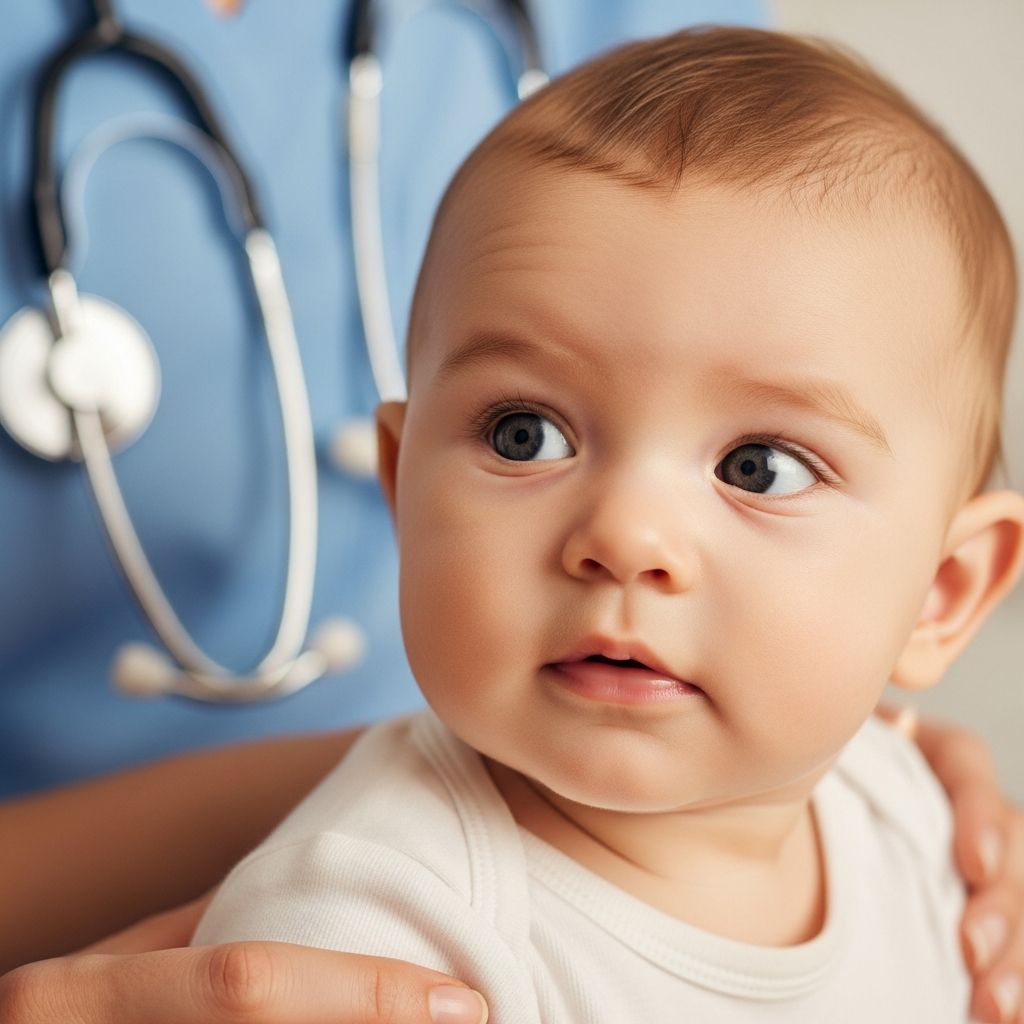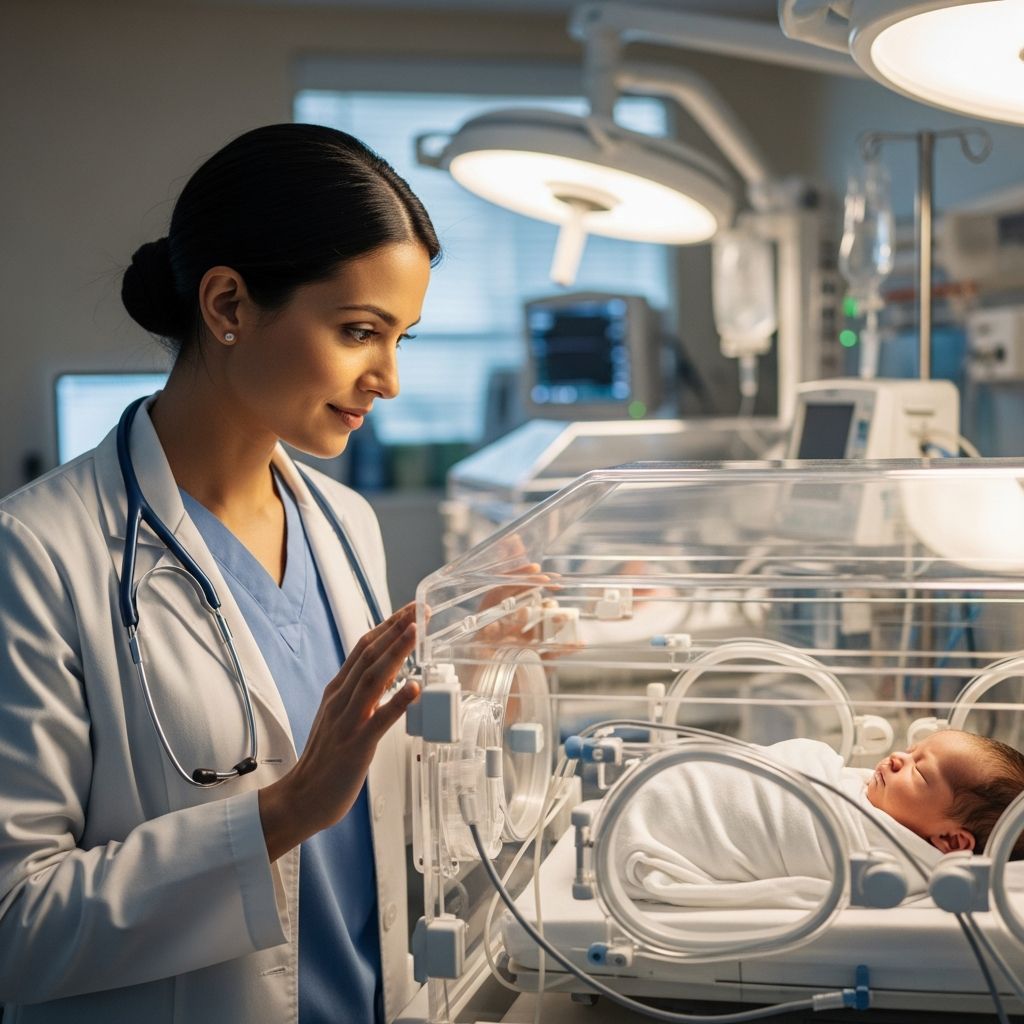
Neonatologists are highly trained pediatric specialists dedicated to the medical care of newborns, particularly those born prematurely or facing serious health challenges. These experts operate primarily in neonatal intensive care units (NICUs), where they manage complex cases involving low birth weight, congenital anomalies, and life-threatening conditions during the critical first weeks of life.
The Critical World of Newborn Medicine
Newborns represent a unique patient population because their transition from womb to world is fraught with vulnerabilities. Neonatology emerged as a distinct subspecialty in the mid-20th century, driven by advances in technology like ventilators and incubators that made survival possible for extremely premature infants. Today, neonatologists address a wide spectrum of issues, from respiratory distress to infections, ensuring these tiny patients receive tailored interventions.
In the NICU environment, every detail matters. Infants may require constant monitoring of heart rate, oxygen levels, and temperature. Neonatologists coordinate multidisciplinary teams, including nurses, respiratory therapists, and surgeons, to provide holistic care. Their work not only focuses on immediate survival but also on minimizing long-term complications like developmental delays.
Who Becomes a Neonatologist?
Aspiring neonatologists begin with medical school, followed by a three-year pediatrics residency. They then complete a three-year fellowship in neonatal-perinatal medicine, gaining hands-on experience in high-stakes scenarios such as intubations and central line placements. This rigorous path equips them with expertise in critical care, pharmacology adjusted for immature organs, and family-centered communication.
- Pediatrics Residency: Builds foundational skills in child health.
- Neonatology Fellowship: Involves NICU rotations, research, and procedural training.
- Board Certification: Ensures ongoing competence through exams and continuing education.
Many neonatologists pursue additional interests, such as ECMO (extracorporeal membrane oxygenation) for severe respiratory failure or neurodevelopmental follow-up clinics.
Common Conditions Treated in the NICU
Neonatologists encounter a diverse array of disorders. Prematurity remains the most frequent challenge, affecting babies born before 37 weeks. These infants often struggle with underdeveloped lungs, leading to respiratory distress syndrome.
| Condition | Description | Treatments |
|---|---|---|
| Respiratory Distress Syndrome | Lung immaturity causing breathing difficulties | Surfactant therapy, mechanical ventilation |
| Necrotizing Enterocolitis (NEC) | Intestinal inflammation in preemies | Antibiotics, surgery if perforated |
| Retinopathy of Prematurity (ROP) | Abnormal retinal blood vessel growth | Laser therapy, monitoring |
| Patent Ductus Arteriosus (PDA) | Persistent fetal blood vessel | Medications, surgical closure |
| Sepsis | Bacterial infection | Antibiotics, supportive care |
Other issues include congenital heart defects, birth asphyxia, and neonatal abstinence syndrome from maternal substance exposure. Neonatologists use tools like Apgar scores at birth to quickly assess vitality and decide on interventions.
From Prenatal Planning to Delivery Room Action
Neonatologists often join the care team before birth. Antenatal consultations occur when ultrasounds reveal anomalies or preterm labor risks. They advise on delivery strategies, such as timing cesarean sections or preparing NICU beds.
At high-risk deliveries, they stand ready with resuscitation equipment. Immediate steps might include drying the baby, stimulating breathing, and providing positive pressure ventilation. For complex cases, they collaborate with obstetricians to stabilize the infant within the golden hour post-birth.
Life Inside the NICU: Daily Realities
A day in the NICU blends high-tech precision with compassionate oversight. Rounds begin early, reviewing lab results, vital signs, and imaging. Neonatologists adjust ventilators, prescribe nutrition via IV or gavage tubes, and perform procedures like lumbar punctures for meningitis diagnosis.
Family involvement is central. Parents receive updates on their baby’s progress, learn kangaroo care (skin-to-skin contact), and discuss prognosis. Ethical discussions arise in borderline viability cases, weighing quality of life against aggressive treatments.
- Monitor growth parameters daily.
- Coordinate imaging (X-rays, ultrasounds, MRIs).
- Prevent infections through strict hygiene protocols.
- Plan discharge with home care instructions.
Technological Marvels Supporting Neonatal Care
Modern NICUs feature incubators that mimic womb conditions, controlling humidity and noise. Non-invasive monitors track oxygenation without skin breaks. Advanced therapies like nitric oxide for pulmonary hypertension and therapeutic hypothermia for brain protection after asphyxia have transformed outcomes.
Research drives innovation; centers like those in the Neonatal Research Network test new drugs and protocols, boosting survival rates from under 50% for 24-week preemies in the 1980s to over 70% today.
Long-Term Follow-Up and Developmental Support
Discharge doesn’t end involvement. Many neonatologists lead clinics tracking growth, vision, hearing, and neurodevelopment. Early intervention catches issues like cerebral palsy or learning delays, enabling therapies like physical therapy.
Parents benefit from guidance on milestones, vaccinations, and nutrition. This continuum ensures high-risk infants thrive into childhood.
Challenges Faced by Neonatologists and Families
The emotional toll is significant. Neonatologists witness heartbreak yet celebrate tiny victories, like a preemie’s first breath unassisted. Burnout risks are high due to shift work and moral distress.
Families grapple with uncertainty, financial strains, and bonding disruptions. Support groups and counseling help navigate this.
The Future of Neonatology
Emerging trends include genomics for personalized medicine, AI-driven monitoring, and fetal surgeries to prevent NICU needs. Global efforts address disparities in preterm care worldwide.
Training evolves with simulations and telemedicine for rural transports.
Frequently Asked Questions (FAQs)
What is a neonatologist?
A neonatologist is a pediatric subspecialist focused on newborns with critical illnesses or prematurity, managing care in NICUs.
When might my baby need a neonatologist?
If born premature, with birth defects, low weight, or needing resuscitation.
How long do babies stay in the NICU?
Varies from days to months, depending on condition and stability.
Do neonatologists see kids after NICU discharge?
Yes, many provide follow-up for high-risk infants.
What training do neonatologists have?
Medical school, pediatrics residency, and neonatology fellowship.
References
- Neonatology – Wikipedia — Wikipedia Contributors. 2023-10-15. https://en.wikipedia.org/wiki/Neonatology
- Neonatology | Research Starters – EBSCO — EBSCO. 2023. https://www.ebsco.com/research-starters/health-and-medicine/neonatology
- Neonatology – Council of Pediatric Subspecialties — Council of Pediatric Subspecialties. 2024-01-10. https://www.pedsubs.org/about-cops/subspecialty-descriptions/neonatology/
- What Is A Neonatologist? What To Expect & When To See One — Cleveland Clinic. 2024-05-20. https://my.clevelandclinic.org/health/articles/24471-neonatologist
- Neonatology – Nationwide Children’s Hospital — Nationwide Children’s Hospital. 2024. https://www.nationwidechildrens.org/specialties/neonatology
- Neonatologists – AAP — American Academy of Pediatrics. 2024. https://www.aap.org/en/get-involved/aap-sections/sonpm/neonatologists/