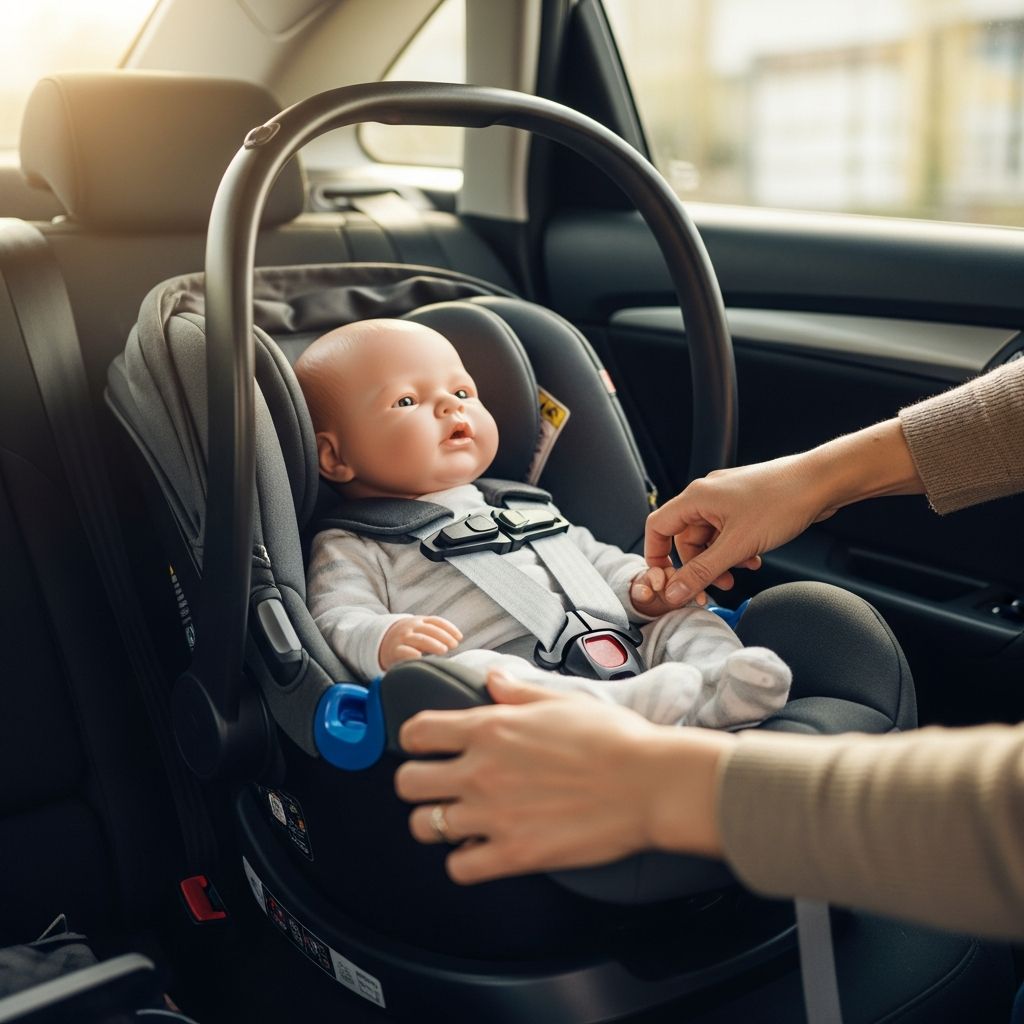
Protecting infants in vehicles starts with mastering car seat fundamentals. Proper use reduces injury risk dramatically in crashes, yet many installations fail basic checks. This guide draws from authoritative health organizations to equip parents with actionable steps for safe travel.
Why Rear-Facing Positions Save Lives
Rear-facing car seats distribute crash forces across the strongest parts of a child’s body: the back and head support. Infants lack neck muscle strength, making forward-facing positions hazardous as their heads can flop forward violently in impacts.Rear-facing until the maximum height or weight limit—often 2 years or more—is the gold standard.
Convertible seats allow extended rear-facing, accommodating children well past infancy. Legs bending or touching the vehicle seat back is safe and does not harm knees or feet. Transition only when limits are exceeded; rushing to forward-facing compromises protection.
Selecting the Perfect Car Seat for Your Child
Choose seats matching your child’s size and vehicle. Rear-facing infant seats suit newborns; convertibles offer longevity. Verify labels for weight/height limits and ensure compatibility with your car’s LATCH system or seat belts.
- Infant-only: For babies up to 30-35 lbs, rear-facing exclusively.
- Convertible: Rear- to forward-facing, up to 40-50 lbs rear-facing.
- All-in-one: Versatile for multiple stages, but prioritize rear-facing duration.
Check expiration dates—seats last 6-10 years. Avoid used seats unless history is known; inspect for cracks or recalls via NHTSA.
Mastering Secure Installation Techniques
A loose seat multiplies injury risk. Install tightly: no more than 1 inch movement side-to-side or front-to-back at the belt path. Read vehicle manual and seat instructions first.
| Method | Steps | Key Check |
|---|---|---|
| LATCH (Lower Anchors) | Thread anchors per seat guide; avoid seat belt overlap. | Seat rock <1 inch; remove excess strap slack. |
| Seat Belt | Route through correct path; lock belt (use lock-off if available). | Tight fit; no recline adjustment post-lock. |
Center rear seat is ideal if tight install possible; otherwise, use best side position. Avoid front seats due to airbag dangers.
Achieving the Snug Harness Fit Every Time
Harness must restrain without slack. For rear-facing: straps at or below shoulders, snug (no pinchable fabric), chest clip at armpits. Bulky clothing compresses; dress thin, add blanket over harness post-buckling.
Forward-facing: straps at or above shoulders, same snugness rules. Use top tether anchored to vehicle point for head control.
- Pinch test: Cannot pinch shoulder strap slack.
- Chest clip: Level with armpits, not higher.
- Straps: Flat, no twists; over hips in crotch buckle.
Angle and Positioning: Preventing Head Flop
Rear-facing seats need specific recline to keep airways open. Use built-in indicators; adjust with pool noodle or towel if needed (per manual). Head flop risks suffocation—ensure chin-to-chest angle is prevented.
Support: Thin rolled blankets beside head/neck okay; no inserts unless manufacturer-approved. Crotch strap slack? Rolled cloth diaper permitted by some makers.
Forward-Facing and Booster Transitions
Switch when rear-facing limits hit: forward-facing with harness to age 4+ or max limit. Always tether. Boosters from 40-65 lbs when harness outgrown; lap-shoulder belts only, knees bent naturally.
Children under 13 stay rear-seated. Proper belt fit: shoulder across chest (not neck), lap low on thighs.
Common Mistakes and How to Avoid Them
- Front-seat placement: Airbags injure infants—back seat only.
- Loose install: 1-inch rule fails 80% of checked seats; get CPST inspection.
- Wrong recline: Follow indicators; head flop is danger sign.
- Thick coats: Compress harness; layer post-fit.
- No tether: Essential for forward-facing head control.
Finding Professional Help for Confidence
Certified Child Passenger Safety Technicians (CPSTs) inspect free. Locate via safekids.org or NHTSA. They match seat to vehicle/child.
Frequently Asked Questions
Can my baby’s legs bend in rear-facing seats?
Yes, it’s safe and recommended; no harm to legs or knees.
How tight should the car seat be installed?
Less than 1 inch movement in any direction.
Is the back middle seat always best?
Only if install is tight; prioritize secure fit over center.
When to stop rear-facing?
At seat’s max height/weight, typically 2+ years.
Can I use aftermarket inserts?
No, unless seat-specific and approved.
Staying Updated on Recalls and Standards
Register seats for recall alerts. NHTSA.gov checks compatibility/inspections. Standards evolve; verify current fit.
Car crashes lead child deaths 1-12; correct seats cut risk 70%+. Empower yourself with knowledge for every trip.
References
- Car Seats: Information for Families — American Academy of Pediatrics. 2023. https://www.healthychildren.org/English/safety-prevention/on-the-go/Pages/Car-Safety-Seats-Information-for-Families.aspx
- Car Seat Safety: Newborn to 2 Years — Children’s Hospital of Philadelphia. 2024. https://www.chop.edu/centers-programs/car-seat-safety-kids/car-seat-safety-by-age/newborn-2-years
- Car seat safety: Avoid 9 common mistakes — Mayo Clinic. 2023-05-01. https://www.mayoclinic.org/healthy-lifestyle/infant-and-toddler-health/in-depth/car-seat-safety/art-20043939
- Car Seat Safety Tips — Safe Kids Worldwide. 2024. https://www.safekids.org/car-seat
- Car Seat Safety — Bayfield County, WI Official Website. 2023. https://www.bayfieldcounty.wi.gov/683/Car-Seat-Safety