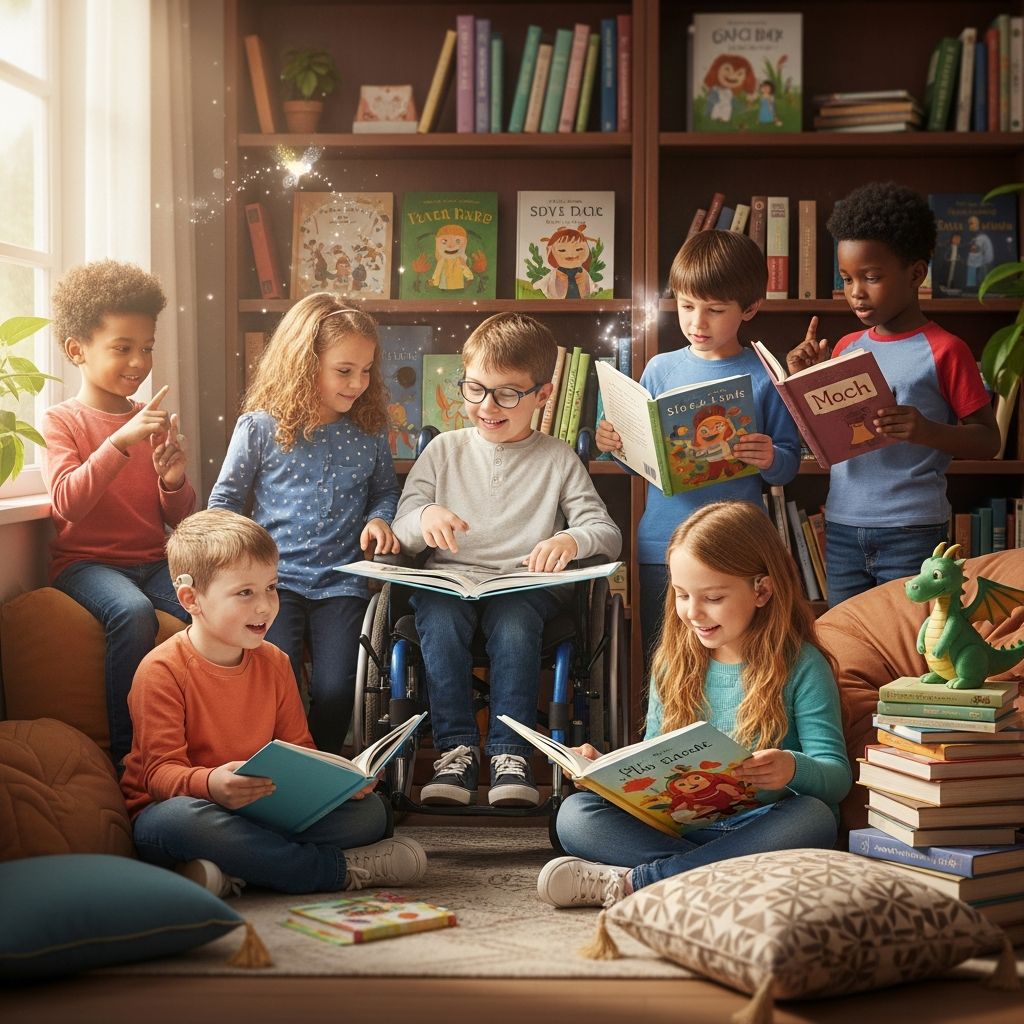
Classic fairy tales have long captivated children’s imaginations with their magic, adventure, and moral lessons. However, many traditional versions feature limited representations of gender roles, cultural backgrounds, and abilities. Today’s authors and illustrators are transforming these timeless stories into inclusive narratives that mirror the diverse world children inhabit. These modern retellings introduce protagonists from various ethnicities, LGBTQ+ characters, neurodiverse individuals, and settings beyond Europe, fostering empathy, self-esteem, and cultural awareness from an early age.
By updating familiar tales like Cinderella, Little Red Riding Hood, and Sleeping Beauty, these books challenge outdated stereotypes—such as passive princesses or beauty defined by appearance—and emphasize themes of resilience, kindness, inner strength, and community. Parents and educators find these stories invaluable for sparking discussions on identity, equity, and acceptance. This article highlights standout titles across age groups, organized by theme, with insights into their unique contributions to children’s literature.
Why Inclusive Fairy Tales Matter Today
In a globalized society, children encounter people from all walks of life. Books that reflect this diversity help kids see themselves in stories and learn about others. Research from child development experts underscores that exposure to inclusive literature boosts self-confidence in underrepresented children and cultivates compassion in all readers. For instance, tales with non-Western settings introduce global folklore, broadening worldviews.
- Diversity in Protagonists: Brown-skinned heroes, East Asian families, Indigenous characters, and more take center stage.
- Progressive Themes: Empowerment over rescue, inner beauty over external, kindness resolving conflicts.
- Cultural Richness: Bilingual elements, traditional attire, and folklore from Peru, China, Africa, and Native American tribes.
- Age-Appropriate Magic: Enchantment paired with real-world lessons for ages 3-12.
These adaptations preserve the whimsy of originals while evolving for modern sensibilities, making bedtime reading a gateway to meaningful conversations.
Picture Books for Toddlers and Preschoolers (Ages 3-6)
For the youngest listeners, vibrant illustrations and simple plots are key. These books reimagine classics with gentle inclusivity, perfect for building vocabulary and empathy.
Cultural Twists on Princess Tales
La Princesa and the Pea by Susan Middleton Elya, illustrated by Juana Martinez-Neal, offers a bilingual Spanish-English delight inspired by Peruvian textiles. A clever princesa outsmarts the queen’s test, celebrating wit over delicacy. The lively art and rhythmic text make it ideal for read-alouds, introducing Latino culture seamlessly.
Another gem, Goldy Luck and the Three Pandas, swaps bears for a Chinese New Year setting. Goldy Luck’s mishaps lead to apologies and friendship, embodying holiday values of responsibility and harmony. Sprinkled Mandarin words enrich language learning.
Empowering Animal Adventures
In The Three Billy Goats Buenos, cabritos use humor and kindness to befriend a grumpy troll, flipping the original’s violence into a lesson on empathy. Colorful pages and Spanish phrases engage bilingual families.
| Title | Age Range | Key Inclusive Element | Original Tale |
|---|---|---|---|
| La Princesa and the Pea | 4-6 | Latino/Peruvian culture, bilingual | Princess and the Pea |
| Goldy Luck and the Three Pandas | 4-6 | Chinese New Year, Asian family | Goldilocks |
| The Three Billy Goats Buenos | 4-6 | Humor, kindness, Spanish words | Three Billy Goats Gruff |
Stories for Early Readers (Ages 5-8)
As children gain independence, books with deeper messages and stunning visuals shine. These retellings feature brave, diverse leads navigating challenges.
Indigenous and Nature-Inspired Narratives
The Rough-Face Girl, an Algonquin Cinderella variant, stars a scarred girl who values inner truth over glamour. Self-reliant and wise, she earns her happy ending, teaching that true beauty radiates from within.
The Girl and the Wolf by Katherena Vermette, illustrated by Julie Flett, reimagines wolf encounters through an Indigenous lens. A lost girl learns trust and observation from the animal, forming a bond of mutual respect rather than fear.
Folktales from the American South
The Talking Eggs transports readers to Creole Louisiana. Kind Blanche receives magical gifts from a hen, while her selfish sister faces consequences. Expressive language and treasures symbolize rewards for goodness.
Hansel and Gretel by Rachel Isadora sets the siblings in an African jungle, with lush illustrations highlighting survival smarts and sibling bonds in a non-European context.
- These tales promote problem-solving and cultural appreciation.
- Illustrations draw from authentic traditions, enhancing visual literacy.
Chapter Books and Middle-Grade Magic (Ages 8-12)
Older kids crave adventure with complexity. These novels blend fairy tale elements with modern dilemmas, identity exploration, and fantasy.
Reimagined Enchantments
The Sleeper and the Spindle by Neil Gaiman, illustrated by Chris Riddell, features a queen rescuing an enchanted princess, subverting gender norms with dark humor and beauty.
In Ella Enchanted by Gail Carson Levine, a curse of obedience drives Ella’s quest against ogres and stepsisters, blending humor, bravery, and fairy godmother twists on Cinderella.
Original Fairy Tale Worlds
The School for Good and Evil series by Soman Chainani thrusts friends into a school dividing heroes and villains, questioning morality and friendship in a fractured fairy tale universe.
The Song of the Swan weaves Eastern European folklore with orphans unraveling swan curses and castle mysteries, rich in magic and intrigue.
The Patron Thief of Bread follows Duck, a street urchin turned baker’s apprentice, grappling with loyalty amid gargoyle magic in historical France.
Other notables include Goldeline, a witch-hunted girl’s forest survival with Southern magic, and portal fantasies like reimagined Wonderland with monstrous twists.
Benefits of Reading Diverse Fairy Tales
Beyond entertainment, these books build essential skills:
- Empathy and Tolerance: Seeing stories from varied perspectives reduces bias.
- Self-Esteem: Kids from marginalized groups find relatable heroes.
- Critical Thinking: Questioning ‘happily ever after’ norms encourages discussion.
- Language Development: Bilingual and global terms expand vocabularies.
Studies from educational organizations affirm that diverse reading materials improve academic outcomes and social competence. Parents can pair these with activities like drawing personal fairy tale endings or comparing versions.
Frequently Asked Questions
Why choose modern fairy tales over classics?
Modern versions retain magic while adding representation and empowerment, better reflecting today’s diverse families and values.
Are these books suitable for all backgrounds?
Yes, they appeal universally by promoting shared themes of kindness and courage alongside cultural specifics.
How do I introduce them to reluctant readers?
Start with picture books’ vivid art, then progress to audiobooks or series for engagement.
Where can I find more inclusive titles?
Check curated lists from children’s literature sites focusing on diversity.
Do they still teach moral lessons?
Absolutely, often enhancing them with contemporary relevance like inclusivity and resilience.
Building Your Child’s Library
Curate a collection mixing ages and themes. Discuss illustrations’ cultural inspirations and characters’ choices. These stories not only entertain but shape compassionate worldviews, proving fairy tales evolve beautifully with society.
References
- Diverse picture books of updated fairy-tale picture books — Inclusive Books for Children. 2023. https://www.inclusivebooksforchildren.org/collections/updated-fairy-tale-picture-books
- 21 Multicultural Fairy Tales to Delight Every Child — Read Brightly. 2023. https://www.readbrightly.com/multicultural-fairy-tales-for-children/
- 10+ Reimagined & Diverse Fairy Tales for Young Readers — Madison Reading Project. 2023. https://www.madisonreadingproject.com/single-post/10-reimagined-diverse-fairy-tales-for-young-readers
- 30+ Modern Fairytale Adaptations for Kids 8+ — HarperCollins. 2023. https://www.harpercollins.com/blogs/harperkids/modern-fairytale-adaptations-kids-books
- Folklore Reimagined: Fairy Tales with a Modern Twist — Once Upon a Book Club. 2023. https://www.onceuponabookclub.com/blogs/tweens/folklore-reimagined-fairy-tales-with-a-modern-twist