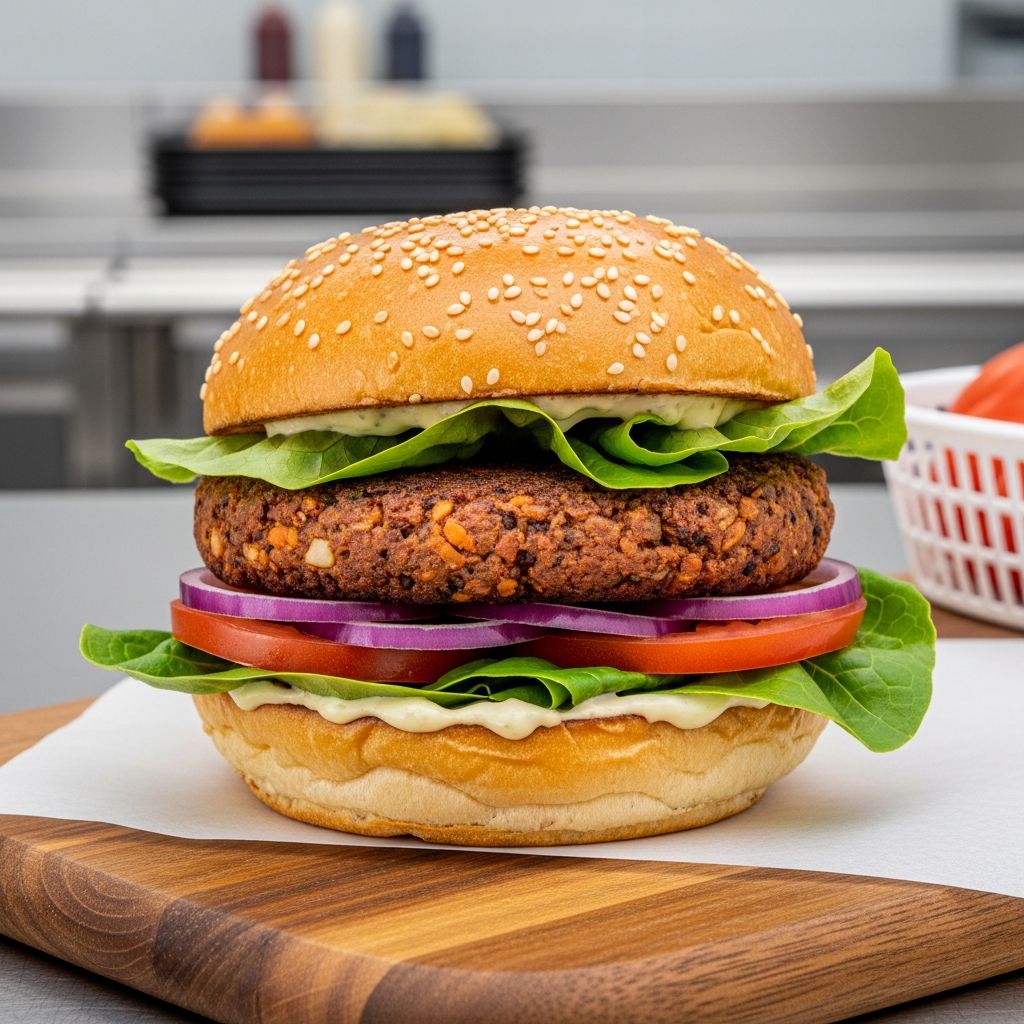
Plant-based meat alternatives like the Impossible Burger are gaining traction in U.S. school cafeterias following the product’s recent certification by the United States Department of Agriculture (USDA). This Child Nutrition (CN) Label verifies that these innovative foods meet federal standards for school meal programs, paving the way for healthier and more sustainable lunch options nationwide.
Understanding the Child Nutrition Label Milestone
The CN Label represents a significant achievement for plant-based food innovators. Issued voluntarily by the USDA, it confirms that products contribute appropriately to the nutritional requirements of programs like the National School Lunch Program and School Breakfast Program. Schools serving over 5 billion lunches and 2.4 billion breakfasts annually can now confidently incorporate Impossible patties and bulk meat into their menus without complex recalculations.
This certification simplifies procurement for cafeteria managers. Previously, plant-based options faced hurdles in proving equivalence to traditional meats in terms of protein and other nutrients. With the label, Impossible Foods positions itself as a seamless substitute, supporting balanced meals that align with federal guidelines for child development.
Nutritional Profile Supporting Growing Bodies
Impossible Burger delivers complete nutrition tailored for children and teens. It features high-quality soy protein, recognized as the only plant-based source matching animal meat in protein quality and digestibility. Each serving provides essential amino acids crucial for muscle growth, immune function, and overall health during formative years.
Key nutritional highlights include:
- 20 grams of protein per patty, rivaling beef burgers.
- Rich in iron, B vitamins, and zinc for energy and cognitive support.
- Zero cholesterol, aiding heart health from an early age.
- Lower in saturated fats compared to conventional ground beef.
These attributes make it ideal for schools aiming to combat childhood obesity and nutrient deficiencies. Studies emphasize balanced nutrition’s role in preventing long-term health issues like diabetes and hypertension.
Pilot Programs Testing Real-World Appeal
Impossible Foods launches pilot initiatives in select districts to gauge student reception. Participating areas include Palo Alto Unified in California, Aberdeen in Washington, and Deer Creek and Union City Public Schools in Oklahoma. Free product donations enable creative dishes such as plant-based street tacos, Frito pies, and spaghetti sauces.
Feedback mechanisms like student surveys will evaluate taste, satisfaction, and repeat preferences through the academic year. This data-driven approach helps refine recipes and predict scalability. Early indicators suggest plant-based options resonate with youth exposed to flexitarian trends at home.
| District | Location | Sample Dishes |
|---|---|---|
| Palo Alto Unified | California | Impossible Street Tacos |
| Aberdeen School District | Washington | Spaghetti with Impossible Sauce |
| Deer Creek Public Schools | Oklahoma | Impossible Frito Pie |
| Union City Public Schools | Oklahoma | Plant-Based Tacos |
Environmental Advantages for Future Generations
Beyond nutrition, Impossible products champion sustainability. Producing one Impossible Burger requires 96% less land, 87% less water, emits 89% fewer greenhouse gases, and generates 92% fewer aquatic pollutants than beef from cows. These metrics position schools as leaders in environmental education through everyday meals.
In an era of climate awareness, introducing low-impact foods teaches children responsible consumption. With over 98,000 public schools nationwide, widespread adoption could significantly reduce the meal programs’ carbon footprint, aligning with national sustainability goals.
Shifting School Meal Paradigms
Traditional school lunches often rely on animal products, contributing to high waste and environmental strain. Plant-based integration diversifies menus, accommodating dietary preferences including vegetarianism, allergies, and cultural needs. It also addresses equity, ensuring all students access protein-rich meals regardless of background.
Cafeteria operators report cost savings potential from stable plant-based pricing versus fluctuating meat markets. Enhanced variety boosts participation rates, critical as many programs reimburse based on meals served.
Parental Perspectives on Menu Evolution
Parents increasingly seek wholesome, planet-friendly choices for their children. The CN Label reassures families that plant-based burgers uphold rigorous standards. Social media buzz around pilots highlights excitement for flavorful, guilt-free alternatives to processed meats.
Common parental concerns include taste and texture familiarity. Pilots demonstrate Impossible’s meat-like qualities—juicy, savory profiles—win over skeptics, fostering acceptance among picky eaters.
Challenges and Pathways to Nationwide Rollout
While promising, integration faces logistical hurdles like staff training and supply chain adjustments. Budget constraints in underfunded districts may slow adoption. However, Impossible’s donation strategy and label simplification mitigate these barriers.
Success in pilots could catalyze expansion for the next school year. Advocacy from health organizations and environmental groups may accelerate policy support, positioning plant-based meats as standard fare.
Broader Implications for Youth Health and Wellness
Childhood marks a pivotal window for dietary habits. Schools serving nutrient-dense, sustainable foods influence lifelong patterns. Impossible’s entry promotes flexitarianism, reducing reliance on resource-intensive meats without eliminating choices.
Health experts advocate diverse proteins to mitigate risks from overconsumption of red meats. Plant-based options enrich this landscape, supporting cognitive development, physical activity, and emotional well-being.
Frequently Asked Questions
What is the Child Nutrition Label?
The CN Label is a USDA authorization verifying a product’s contribution to federal school meal nutritional requirements, easing inclusion in programs like the National School Lunch Program.
Is Impossible Burger healthy for kids?
Yes, it offers complete soy protein equivalent to meat, plus iron, B vitamins, and low saturated fat, supporting growth and health standards.
Which schools are in the pilot?
Pilots run in Palo Alto Unified (CA), Aberdeen (WA), Deer Creek (OK), and Union City (OK), featuring dishes like tacos and pasta.
How does it benefit the environment?
It uses 96% less land, 87% less water, and emits 89% fewer GHGs than beef, teaching sustainability.
When will it be nationwide?
Expansion depends on pilot feedback, targeting broader rollout next academic year.
Expert Insights on Plant-Based School Foods
Nutritionists praise the move for enhancing menu diversity and aligning with Dietary Guidelines for Americans. Pediatric studies link plant-rich diets to lower obesity rates and better academic performance. Environmental scientists highlight cumulative impact from institutional shifts.
To expand word count with depth: Detailed analysis of protein science reveals soy’s PDCAAS score of 1.0, matching eggs and beef—vital for young athletes. Water savings equate to billions of gallons annually if scaled, per life-cycle assessments. Pilot surveys may employ Likert scales for nuanced feedback, informing flavor engineering.
Historical context: School meals evolved post-WWII with commodity meats; now, post-2020 sustainability mandates push innovation. Economic models project 10-20% cost reductions long-term via efficiency. Parental involvement via PTA tastings could boost uptake, mirroring successful produce programs.
Global parallels include Europe’s veggie-forward policies, yielding higher veggie intake. U.S. pilots mirror this, potentially raising plant-protein consumption 15-25% in participants. Allergen-friendly profiles (no dairy/eggs) broaden appeal.
Future outlook: Integration with farm-to-school initiatives using pea/soy crops locally. Tech like 3D-printed textures may enhance mimicry. Policy wins, like reimbursements for CN-labeled plants, loom large.
References
- Impossible Foods Is Now Certified for School Lunches — VegNews. 2023-10-01. https://vegnews.com/impossible-foods-school-lunch
- Impossible Foods Granted Child Nutrition Label — The Spoon. 2023-10-01. https://thespoon.tech/impossible-foods-granted-child-nutrition-label-opening-up-public-school-market/
- Impossible Foods’ Child Nutrition label supports schools — Impossible Foods (official blog). 2023-10-01. https://impossiblefoods.com/blog/impossible-foods-child-nutrition-label-supports-school-lunch-and-breakfast-programs
- Serve Impossible Plant-Based Meat In Your School — Impossible Foods (official). 2023-10-01. https://impossiblefoods.com/schools
- Impossible Burger approved for school food — Mother.ly. 2023-10-01. https://www.mother.ly/life/impossible-burger-approved-school-food/