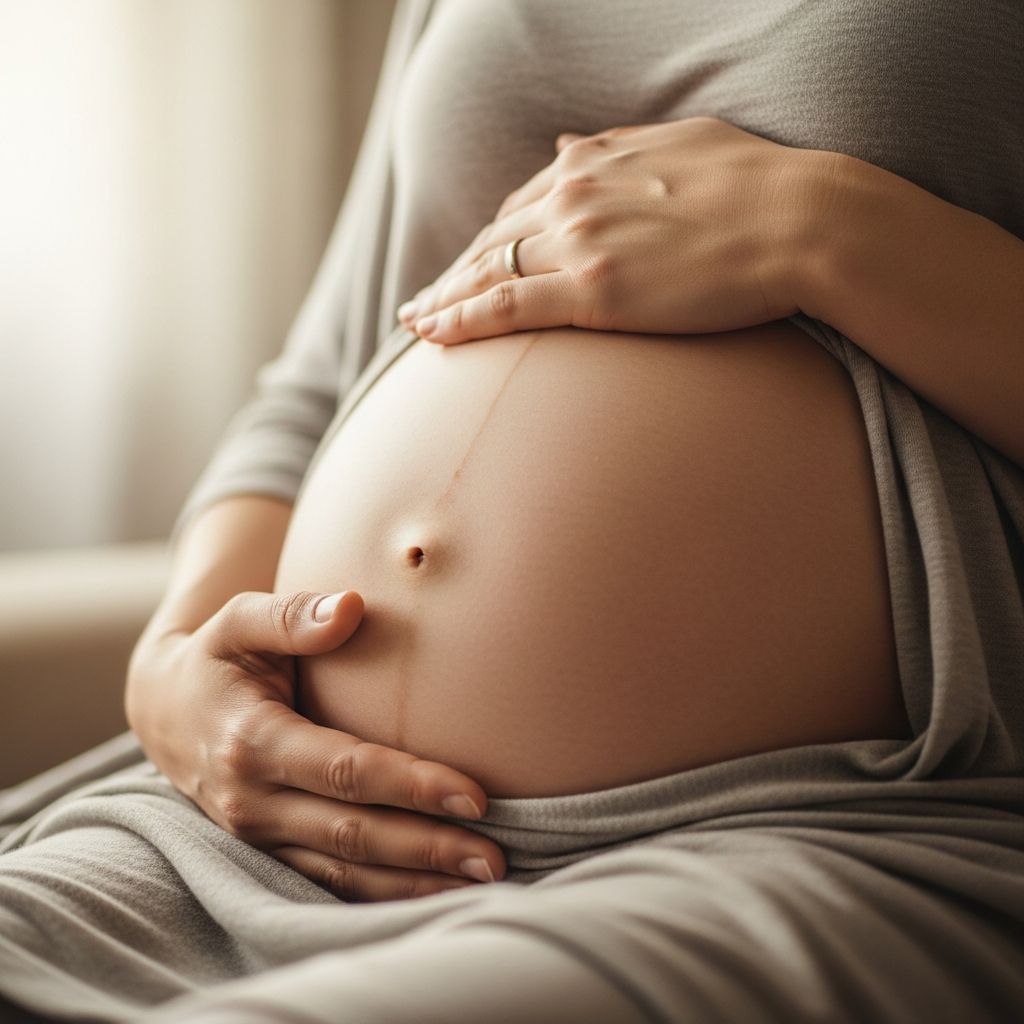
Early pregnancy can bring unexpected light bleeding that mimics a menstrual period, leaving many women puzzled about whether conception has occurred. Understanding the nuances between implantation bleeding—a harmless sign of a fertilized egg attaching to the uterus—and a standard period is crucial for those tracking fertility or trying to conceive. This comprehensive guide breaks down the biological processes, visual cues, symptom profiles, and practical steps to distinguish the two, empowering you to make informed decisions about testing and next steps.
Understanding the Biological Basis of Early Bleeding
Implantation bleeding stems from the moment a fertilized egg, now a blastocyst, embeds itself into the thickened uterine lining known as the endometrium. This process disrupts tiny blood vessels, resulting in minimal discharge. It signals the start of pregnancy hormone production, particularly human chorionic gonadotropin (hCG), which sustains the pregnancy.
In contrast, menstrual bleeding occurs when pregnancy does not happen. Hormonal shifts cause the endometrium to shed, leading to the familiar flow that marks the cycle’s end and prepares the body for the next ovulation. Recognizing these origins helps contextualize why the bleedings differ so markedly in intensity and timing.
Timing: When to Expect Each Type of Bleeding
The calendar of your menstrual cycle provides the first clue. Implantation typically unfolds 6 to 12 days post-ovulation, often around days 20 to 26 in a 28-day cycle—slightly ahead of your anticipated period. This early window aligns with the embryo’s journey from the fallopian tube to the uterus.
Menstrual bleeding, however, predictably arrives 12 to 16 days after ovulation if no fertilization occurs, right on schedule for most cycles ranging 21 to 35 days. If spotting appears a few days before your expected period and tapers off quickly, implantation becomes a stronger possibility. Tracking ovulation via apps or basal body temperature enhances accuracy here.
Visual Characteristics: Color, Flow, and Consistency
Appearance offers clear differentiators. Implantation bleeding tends toward light pink, brown, or rust-colored hues, resembling diluted old blood rather than fresh crimson. The flow remains scant—mere spotting that doesn’t saturate pads or tampons, often just noticeable on toilet paper.
Period blood starts bright red, possibly darkening to brown at the edges, with a heavier, consistent flow peaking in the initial days. You might change protection multiple times daily, observing stringy clots indicative of tissue shedding—absent in implantation scenarios.
To illustrate:
| Feature | Implantation Bleeding | Period Bleeding |
|---|---|---|
| Color | Pink, brown, light red | Bright red to dark brown |
| Flow | Light spotting, irregular | Heavy, steady, may soak pad |
| Clots | None | Common, especially early |
| Consistency | Watery or mucous-like | Thick, clumpy |
Duration and Pattern: How Long Does It Last?
Briefness defines implantation bleeding, spanning hours to at most 1-3 days, often intermittent rather than continuous. It lacks the progressive build-up and decline of a period.
A typical period endures 3 to 7 days, with flow intensifying mid-cycle before lightening. If bleeding persists beyond 48 hours or escalates, it’s more likely menstruation. Rare cases of prolonged spotting warrant medical review to rule out other issues like ectopic pregnancy.
Accompanying Symptoms: Cramps, PMS, or Pregnancy Signs?
Implantation may bring subtle lower abdominal twinges—milder than menstrual cramps—without the full PMS ensemble of bloating, mood swings, or sore breasts. Emerging pregnancy indicators like fatigue, nausea, or heightened smell sensitivity might coincide.
- Mild or no cramping: Short-lived and pinpointed to one side.
- No clots or heavy tissue: Pure spotting without chunks.
- Positive early signs: Breast changes or implantation dip in temperature charts.
Periods herald stronger uterine contractions, backache, headaches, and emotional shifts driven by progesterone withdrawal. Clots and heavier pain underscore this hormonal reset.
Quick Comparison Table for At-a-Glance Differences
| Aspect | Implantation Bleeding | Period Bleeding |
|---|---|---|
| Timing | 6-12 days post-ovulation | 14 days post-ovulation |
| Duration | 1-3 days | 3-7 days |
| Flow Volume | <1 tsp total | 5-12 tsp total |
| Cramps | Mild/none | Moderate to severe |
| PMS Symptoms | Rare | Common (bloating, moodiness) |
When to Take a Pregnancy Test: Optimal Timing
Resist testing immediately upon spotting; hCG levels need time to rise detectably. Wait until the day of your missed period or 12-14 days post-ovulation for reliable results. Home tests boast 99% accuracy then, detecting as low as 25 mIU/mL.
Early tests (10 mIU/mL sensitivity) might work 3-4 days before your period if implantation occurred promptly, but false negatives loom large. Positive results amid light spotting? Confirm with a doctor via blood test or ultrasound. Negative but no period? Retest in 2-3 days or seek advice.
Potential Concerns: When Bleeding Signals More
Not all spotting is benign. Heavy bleeding, severe pain, dizziness, or one-sided cramps could indicate miscarriage, ectopic pregnancy, or infection—requiring urgent care. About 15-25% of pregnancies involve first-trimester spotting, but most proceed normally under monitoring.
Consult a healthcare provider if:
- Bleeding fills a pad hourly.
- Fever or foul odor accompanies discharge.
- Pain persists beyond mild twinges.
- You’re over 35, have prior losses, or IVF history.
Lifestyle Tips While Monitoring Bleeding
Rest, hydrate, and avoid tampons/heavy lifting during uncertainty. Over-the-counter pain relief like acetaminophen suits mild discomfort; steer clear of NSAIDs if pregnant. Journal symptoms, cycle length, and intercourse dates for your doctor’s insight.
Boost preconception health with folic acid (400-800 mcg daily), balanced nutrition, and prenatal vitamins. Limit caffeine to 200 mg/day and quit smoking/alcohol.
Frequently Asked Questions (FAQs)
Can implantation bleeding be heavy like a period?
No, it’s always light spotting; heavy flow points to menstruation or other issues.
Does implantation bleeding always happen?
No, only 15-30% of pregnancies feature it; absence doesn’t negate conception.
Is brown discharge implantation or period?
Brown often signals implantation (old blood) but can end periods; check duration and flow.
Can I mistake implantation for a light period?
Yes, especially irregular cycles; test post-missed period for clarity.
What if I get a positive test after spotting?
Congratulations likely, but schedule prenatal care to monitor.
Empowering Your Fertility Journey
Distinguishing implantation from periods demystifies early pregnancy, reducing anxiety and sharpening conception efforts. Armed with timing, visuals, and symptom knowledge, you’re better positioned to test wisely and celebrate positives or adjust plans. Always prioritize professional guidance for personalized reassurance amid life’s delicate reproductive phases.
References
- Implantation Bleeding vs. Menstrual Cycle: Key Differences — Oasis India. 2023. https://oasisindia.in/blog/implantation-bleeding-vs-menstrual-cycle-when-to-test/
- Implantation Bleeding vs Period: Key Differences — IVI Fertility. 2023. https://ivi-fertility.com/blog/menstruation-vs-implantation-bleeding/
- Implantation bleeding vs. period bleeding: The differences — Flo Health. 2024. https://flo.health/getting-pregnant/trying-to-conceive/signs-of-pregnancy/implantation-bleeding-vs-period
- Implantation Bleeding vs. Period: Know the Signs of Pregnancy — Bocah Indonesia. 2023. https://bocahindonesia.com/en/difference-between-menstrual-blood-and-implantation-bleeding/
- How to Tell the Difference Between Implantation and Period Bleeding — Healthline. 2024-01-15. https://www.healthline.com/health/implantation-bleeding-vs-period
- Implantation bleeding or period bleeding? 5 basic differences — Dexeus. 2023. https://www.dexeus.com/fertility/en/blog-fiv/implantation-bleeding-or-period-bleeding-5-basic-differences/
- Implantation Bleeding — Cleveland Clinic. 2023-10-22. https://my.clevelandclinic.org/health/symptoms/24536-implantation-bleeding