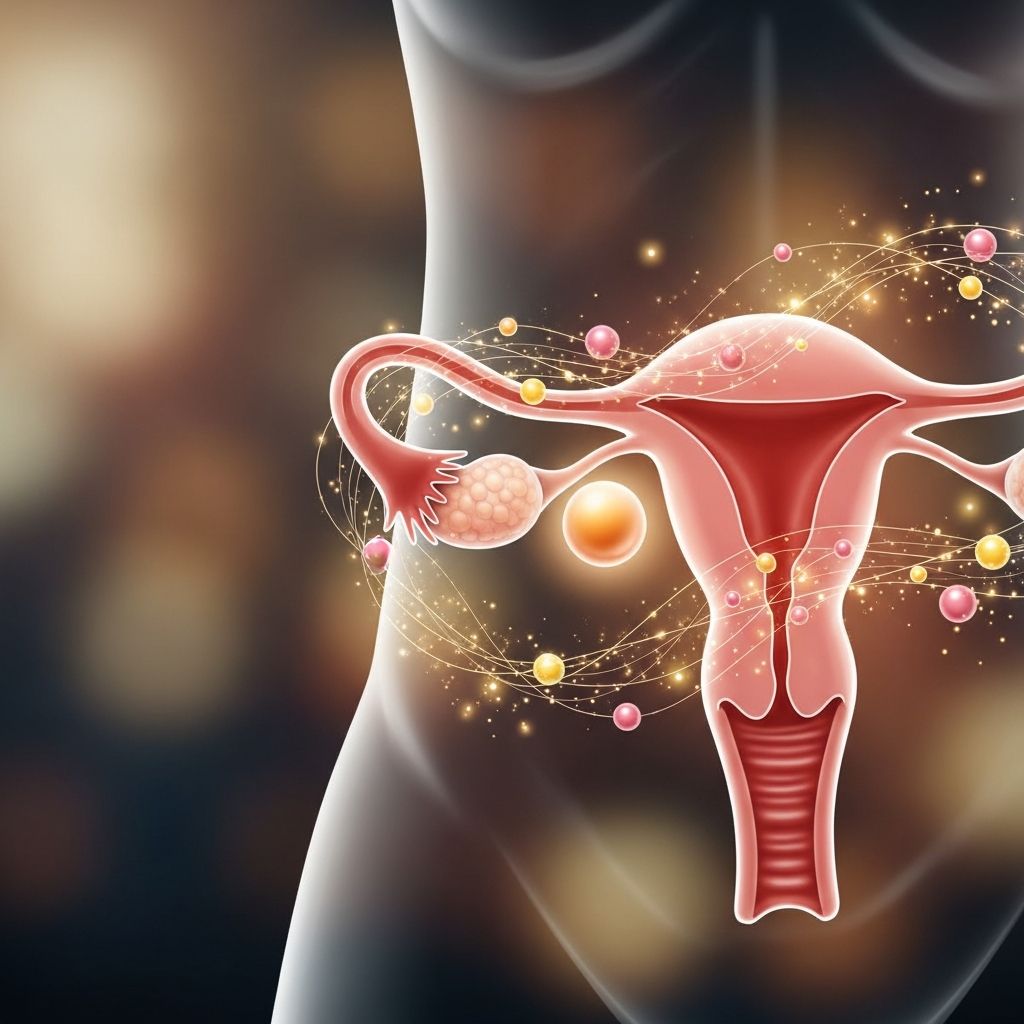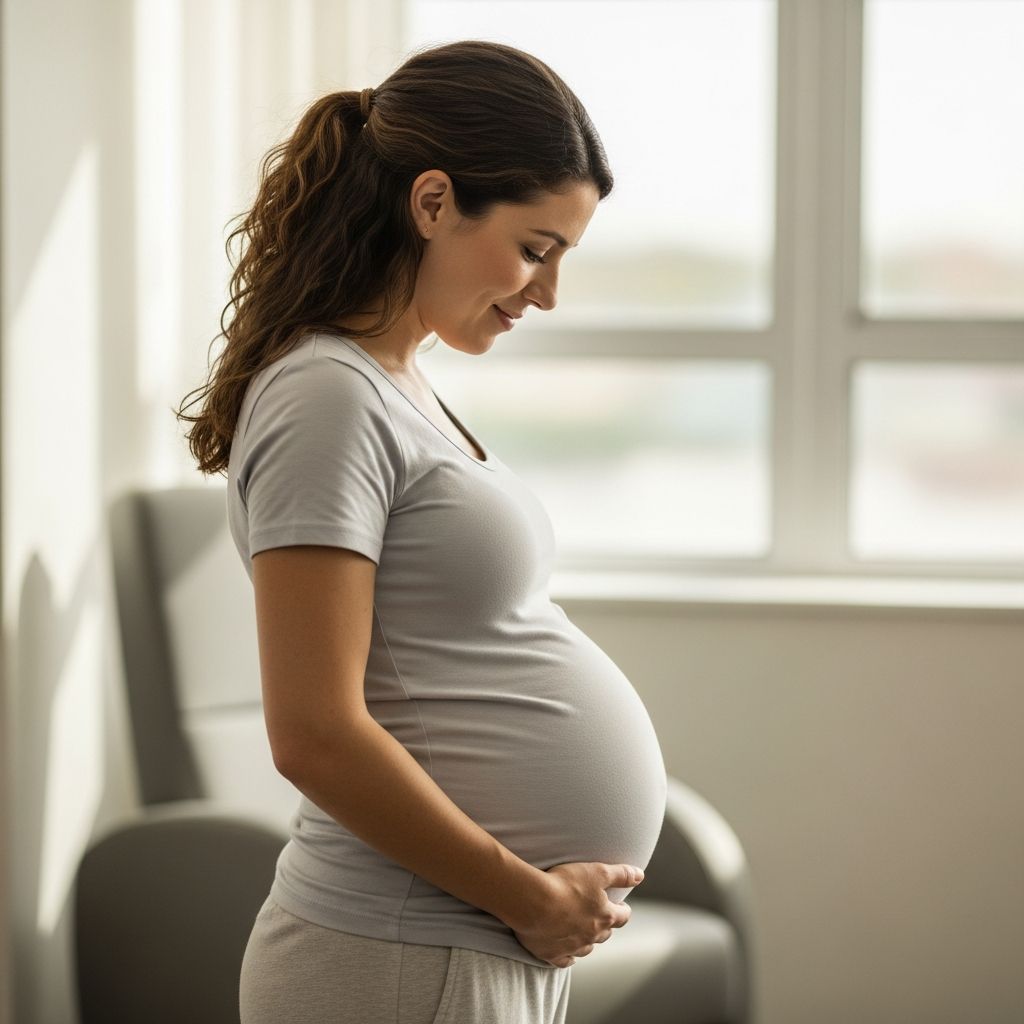
The sensation known as ‘baby dropping’ or ‘lightening’ marks a significant shift in late pregnancy, typically occurring as the body readies itself for labor. This happens when the baby’s head descends into the pelvis, easing pressure on the upper abdomen while introducing new discomforts lower down.
Understanding the Baby Drop Phenomenon
During the final weeks of pregnancy, the baby repositions lower into the birth canal, a process driven by hormonal changes and the body’s preparation for delivery. This movement, often felt between 36 and 40 weeks, signals that the cervix is beginning to soften and dilate subtly.
First-time mothers may notice this drop around two to four weeks before labor begins, while those who have given birth previously might experience it much closer to delivery or even during active labor. The drop relieves rib and diaphragm pressure but increases pelvic strain.
- Key trigger: Relaxin hormone loosens pelvic ligaments.
- Baby’s role: Head engages in the pelvis, aligning for birth.
- Maternal adaptation: Uterus shifts downward slightly.
Typical Timeline for Baby Engagement
Timing varies widely based on parity, fetal position, and maternal anatomy. For primigravidas, engagement often precedes labor by weeks, providing an early indicator of progression.
| Pregnancy Factor | Average Onset | Notes |
|---|---|---|
| First pregnancy | 36-38 weeks | Often earlier due to tighter ligaments. |
| Subsequent pregnancies | 38-40 weeks or in labor | More flexible pelvis allows later drop. |
| Multiples or large baby | Variable, often later | Space constraints delay engagement. |
Ultrasound confirms engagement when the baby’s head is at a -2 or lower station on pelvic assessment scales used by obstetricians.
Physical Sensations and Symptoms
Mothers commonly report a sudden sense of lightness in the chest alongside intensified lower body pressure. Breathing becomes easier as the lungs expand more freely, but walking, sitting, and sleeping grow challenging.
- Sudden breathlessness relief.
- Increased vaginal discharge or mucus plug loss.
- Urinary frequency from bladder compression.
- Hip and back pain intensification.
- Leg swelling or varicose veins worsening.
A waddling gait emerges from the shifted center of gravity, prompting many to seek maternity support belts for stability.
Impact on Daily Life and Comfort
The drop transforms mobility and rest. Standing for long periods fatigues the legs faster, and bending becomes arduous. To manage:
- Use a pregnancy pillow for side-sleeping support.
- Practice pelvic tilts to ease backache.
- Elevate feet during rest to reduce swelling.
- Opt for low-heeled, supportive shoes.
Hydration and small, frequent meals help mitigate heartburn, which may decrease post-drop.
Distinguishing Drop from True Labor Onset
Not every discomfort heralds labor. Baby dropping precedes contractions but isn’t synonymous with them. Differentiate via:
| Sign | Baby Drop | Early Labor |
|---|---|---|
| Contractions | Irregular, Braxton Hicks | Regular, 5-7 min apart, intensifying |
| Water breaking | No | Possible gush or trickle |
| Bloody show | Minimal spotting | Thicker mucus with blood |
Monitor fetal movement patterns; any decrease warrants immediate medical contact.
Role in Labor Progression
Engagement facilitates cervical effacement and dilation by applying pressure to the lower uterus. It positions the baby optimally for descent during contractions, potentially shortening pushing stages.
Non-engagement by 40 weeks may prompt discussions on induction or position changes like forward-leaning postures.
When to Consult Your Healthcare Provider
Seek evaluation if drop accompanies severe pain, reduced fetal kicks, vision changes, or fluid leakage. Routine checks post-36 weeks assess station via vaginal exam or Leopold maneuvers.
- Persistent contractions under 10 minutes apart.
- Sudden swelling in face/hands.
- Headaches unrelieved by rest.
- Any preterm drop before 37 weeks.
Preparing for Labor After the Drop
Pack hospital bags, install car seats, and review birth plans. Prenatal yoga or birthing classes enhance pelvic flexibility.
Visualize positive outcomes; mental readiness complements physical changes.
Frequently Asked Questions
Does baby dropping always happen before labor?
No, some babies engage during active labor, especially in multiparous women. It’s not a prerequisite but a common precursor.
Can I feel the baby drop myself?
Many describe a ‘popping’ sensation or visual belly lowering. Palpate gently; professional confirmation is best.
Is baby dropping painful?
It causes pressure and aches rather than sharp pain. Warm baths and support garments alleviate most discomfort.
What if baby hasn’t dropped by due date?
Perfectly normal; monitor with provider. Exercises like squatting may encourage engagement.
Does dropping mean labor in days?
Varies from hours to weeks. Track other signs like contractions for timing.
Expert Insights on Late Pregnancy Changes
Obstetric guidelines emphasize individualized monitoring. The American College of Obstetricians and Gynecologists notes that engagement timing doesn’t predict labor length precisely but aids in planning.
Nutritional focus shifts to iron-rich foods combating anemia risks from increased blood volume.
References
- Developmental Milestones for Baby — March of Dimes. 2023-05-15. https://www.marchofdimes.org/find-support/topics/parenthood/developmental-milestones-baby
- Infant Development: Milestones from 4 to 6 Months — Mayo Clinic. 2024-02-10. https://www.mayoclinic.org/healthy-lifestyle/infant-and-toddler-health/in-depth/infant-development/art-20048178
- Baby Developmental Milestones By Month — Cleveland Clinic. 2024-08-22. https://my.clevelandclinic.org/health/articles/22063-baby-development-milestones-safety
- CDC’s Developmental Milestones — Centers for Disease Control and Prevention (CDC). 2025-01-01. https://www.cdc.gov/act-early/milestones/index.html
- Baby Development Stages: The First Year — WebMD. 2023-11-20. https://www.webmd.com/parenting/baby/features/stages-of-development