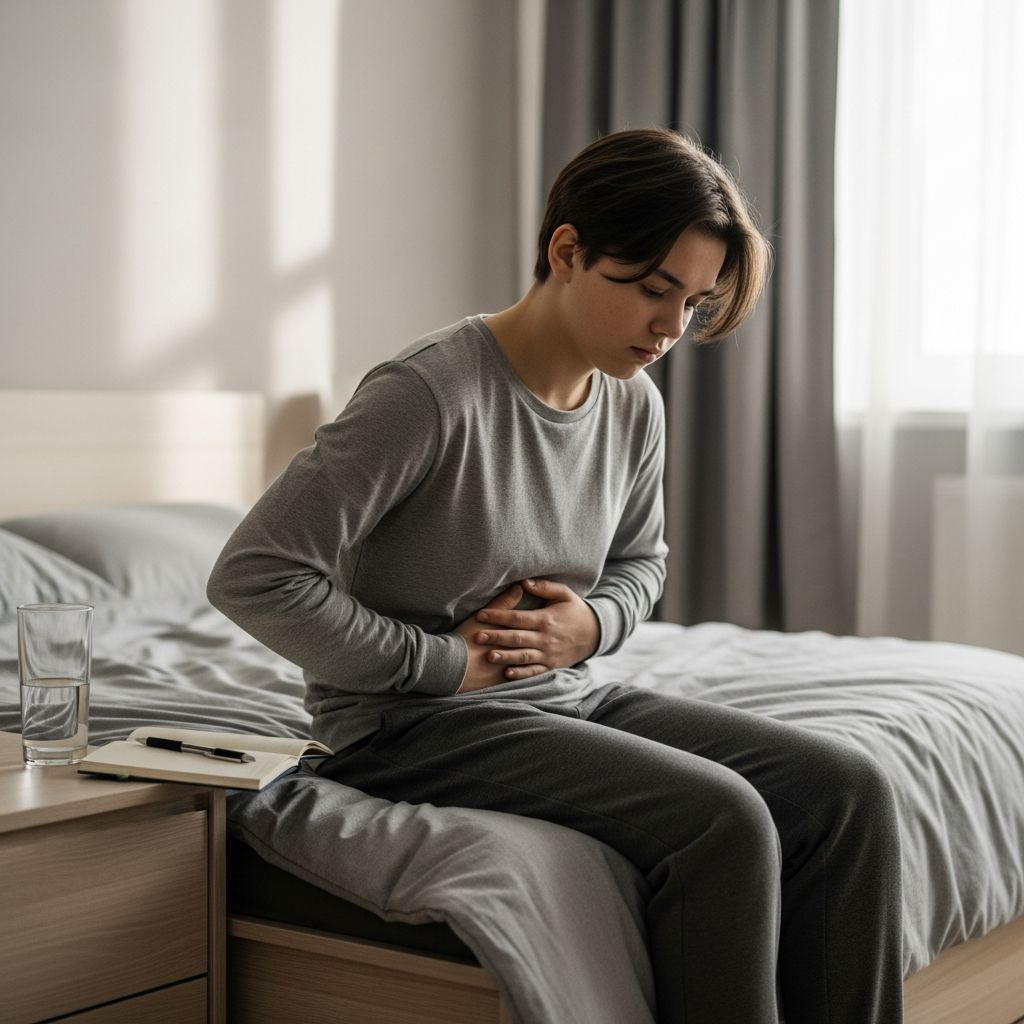
Irritable bowel syndrome (IBS) is a long-lasting problem with how the gut works. It can cause belly pain, cramping, gas, and changes in bowel habits, but it does not damage the intestines or lead to cancer. IBS is common in teens and can be very frustrating, yet many people learn to control symptoms and live full, active lives.
How the Digestive System Normally Works
To understand IBS, it helps to know how digestion is supposed to work. Food moves through a long tube called the gastrointestinal (GI) tract. Muscles in the walls of the intestines squeeze in a coordinated way to move food along, absorb nutrients, and form stool. Nerves in the gut send signals to the brain, and the brain sends signals back, helping control movement, pain, and digestion.
In IBS, this coordination between the gut muscles, gut nerves, and brain is disrupted. The intestines may squeeze too strongly or too weakly, too fast or too slowly, and the nerves can become more sensitive to normal stretching and movement.
What IBS Is (and What It Is Not)
IBS is called a functional GI disorder. That means the system is not working quite right, even though the structure of the intestines looks normal under tests.
- IBS is: An ongoing (chronic) condition that affects how the bowel works, causing symptoms like pain and changes in bowel habits.
- IBS is not: An infection, a cancer, or an inflammatory disease that damages the gut.
Because the intestines usually look normal on blood tests, scopes, and scans, IBS is diagnosed based on symptoms and by ruling out other causes.
Common IBS Symptoms in Teens
Not all teens with IBS feel the same way. Symptoms can appear alone or in combination, and they may come and go in flares.
- Abdominal pain or cramping that often improves after a bowel movement
- Changes in bowel habits:
- Frequent loose stools (diarrhea)
- Hard, difficult-to-pass stools (constipation)
- Alternating diarrhea and constipation
- Bloating and gas or feeling uncomfortably full
- Mucus in the stool (a whitish, slippery coating)
- Feeling like you still need to go even right after a bowel movement
Some teens also notice symptoms such as nausea, tiredness, poor appetite, or headache around the time of a flare.
Types of IBS Based on Bowel Habits
| Type | Main Bowel Pattern | Typical Challenges |
|---|---|---|
| IBS with constipation (IBS-C) | Mostly hard, lumpy stools; fewer bowel movements | Pain, straining, feeling like you cannot fully empty |
| IBS with diarrhea (IBS-D) | Mostly loose or watery stools; frequent urges | Urgency, fear of accidents, needing a bathroom fast |
| Mixed IBS (IBS-M) | Both constipation and diarrhea at different times | Unpredictable patterns, harder to plan ahead |
How IBS Is Different from Inflammatory Bowel Disease (IBD)
Two conditions often confused with each other are IBS and inflammatory bowel disease (IBD). They are not the same.
| Feature | IBS | IBD (Crohn’s disease, ulcerative colitis) |
|---|---|---|
| Type of problem | Functional: gut looks normal but works differently | Inflammatory: visible damage and inflammation in the gut |
| Risk of complications | Does not cause bleeding, anemia, or cancer | Can cause ulcers, bleeding, weight loss, and other serious issues |
| Tests | Often normal; used to rule out other diseases | Abnormal scopes, imaging, or lab tests showing inflammation |
Because the symptoms can overlap, especially abdominal pain and diarrhea, a health care provider is needed to tell the difference.
What Causes IBS in Teens?
Experts do not know one single cause of IBS, but they believe several factors work together.
- Gut-brain communication problems: The nerves that link the brain and intestines may send or receive signals differently, making the gut more sensitive to normal movement or gas.
- Abnormal muscle contractions: Intestinal muscles may contract more strongly or weakly than usual, causing diarrhea, constipation, or cramping.
- Increased pain sensitivity: Teens with IBS can feel pain from normal amounts of gas or stretching that others do not notice.
- Previous infections or inflammation: Some people develop IBS after a major stomach infection, a pattern called post-infectious IBS.
- Stress and emotions: Anxiety, stress, or low mood do not cause IBS, but they can make symptoms worse by affecting how the brain and gut talk to each other.
- Gut microbiome changes: The mix of bacteria in the intestines may be different in people with IBS, which might affect digestion and sensitivity.
Typical Triggers for IBS Flare-Ups
Teens often find that certain situations or habits make their IBS worse. Triggers are different for everyone, but some common ones include:
- Stress at school, home, or in relationships
- Changes in daily routine, such as travel or exams
- Specific foods (for example, high-fat meals, some dairy, or very large portions)
- Eating quickly or skipping meals
- Caffeine drinks, carbonated sodas, or energy drinks
Learning your own pattern of triggers is one of the most important steps in managing IBS.
How Doctors Diagnose IBS in Teens
There is no single test that proves a person has IBS. Instead, health care providers look at your symptoms, medical history, and test results to rule out other conditions.
- Health history and physical exam: The provider asks about pain, bowel habits, diet, stress, medicines, and family history, and gently checks the abdomen.
- Basic tests: Blood tests, stool tests, or urine tests may be done to look for infection, inflammation, celiac disease, or anemia.
- Imaging or endoscopy: In some teens, imaging studies or a colonoscopy are used if there are alarm signs like weight loss, blood in stool, or nighttime symptoms.
Doctors use symptom-based criteria to decide if IBS is likely. Once more serious problems have been excluded, IBS can usually be diagnosed and treated.
Treatment: Managing IBS Day to Day
There is no cure that makes IBS disappear forever, but many strategies can reduce symptoms. Most treatment plans combine habits, diet, emotional support, and sometimes medicines.
1. Eating Habits and Food Choices
No single eating plan works for everyone with IBS, but teens can experiment with changes under the guidance of a health care provider or dietitian.
- Regular meals: Eating smaller, more frequent meals instead of very large ones can be easier on the gut.
- Fiber:
- For constipation: gradually increase fiber from foods such as oats, fruits without skins, and certain vegetables, and drink plenty of water.
- For diarrhea: too much insoluble fiber (e.g., bran) may worsen symptoms; a dietitian can help with the right balance.
- Limiting triggers: Some teens feel worse after caffeine, carbonated drinks, greasy foods, very spicy meals, or large amounts of fruit. Keeping a food and symptom diary can help identify patterns.
- Special diets: Some older teens may be advised to try a low-FODMAP diet or limit certain sugars, but this should be done with professional support to avoid missing key nutrients.
2. Mental Health and the Gut-Brain Connection
Because the brain and gut are closely linked, emotional health is a major part of IBS care. Stress management can reduce the number and severity of flares.
- Cognitive behavioral therapy (CBT): A trained therapist helps teens build skills to manage stress, reduce fear of symptoms, and change unhelpful thought patterns.
- Gut-directed hypnotherapy: This uses hypnosis techniques focused on calming the gut and changing pain signals. Studies show it can reduce pain and improve quality of life in some children with IBS.
- Relaxation techniques: Deep breathing, mindfulness, guided imagery, yoga, and other relaxation methods may help ease pain and calm the nervous system.
3. Medicines and Supplements
Medication is not always needed, but it can be helpful when symptoms are strong or frequent. Any medicine should be used only under a provider’s guidance.
- Antispasmodic medicines: Help relax the intestinal muscles to ease cramping and pain.
- Laxatives or stool softeners: Used for constipation-predominant IBS to keep bowel movements regular.
- Antidiarrheal medicines: Help slow the bowels in teens with frequent loose stools.
- Probiotics: Live microorganisms that may support a healthier gut microbiome; research is ongoing, and a doctor should advise on type and dose.
- Antidepressant medicines: Low doses can affect pain signals between the gut and brain and may help some teens, especially when anxiety or depression is also present.
4. Lifestyle Habits That Support Gut Health
- Physical activity: Regular movement, such as walking, sports, or dancing, can help digestion and lower stress.
- Sleep: Getting enough sleep and keeping a consistent sleep schedule supports both mental and digestive health.
- Hydration: Drinking water throughout the day helps bowel movements stay regular and can prevent constipation.
Living with IBS at School and With Friends
IBS can interfere with school, sports, and social life, but planning ahead can make a big difference.
- Talk to trusted adults: Sharing your diagnosis with a parent, school nurse, counselor, or teacher can help you get bathroom access and support when you need it.
- Know bathroom locations: At school or when going out, learn where restrooms are so you feel more confident.
- Carry essentials: Some teens feel better having extra underwear, wipes, or pads in a discreet bag “just in case.”
- Set realistic limits: It is okay to say no to some activities when you are in a flare-up and return when you feel better.
IBS is invisible, so other people may not realize what you are dealing with. You can choose how much to share, but you do not have to handle it alone.
When to Call a Doctor Right Away
Most IBS symptoms are uncomfortable but not dangerous. However, certain signs can point to something more serious than IBS and need quick medical attention.
- Blood in the stool or black, tarry stools
- Unexplained weight loss
- Fever with abdominal pain
- Symptoms that wake you from sleep frequently
- Pain that becomes severe or constant
- Vomiting that does not stop
If you are unsure whether a symptom is serious, contact a health care provider or local nurse advice line.
Frequently Asked Questions (FAQs)
Q1: Can IBS go away on its own?
IBS is usually a long-term condition, but symptoms can improve a lot over time. Some teens have flare-ups and quiet periods, and many people find that good coping strategies make symptoms much less of a problem in daily life.
Q2: Is IBS dangerous or life-threatening?
IBS is not life-threatening and does not damage the intestines. It does not cause cancer or IBD, but it can strongly affect comfort, mood, and school or social life if not managed.
Q3: Do I have to cut out all my favorite foods?
Not usually. Many teens with IBS can still eat most foods, especially in moderate amounts. The goal is to find specific triggers for you and adjust portion sizes or timing, rather than following a very strict diet without medical advice.
Q4: Is IBS “all in my head”?
No. IBS symptoms are real and come from changes in how the gut and brain communicate. Stress and emotions can make IBS worse, but that does not mean symptoms are imagined. Treatments that work on both the mind and body often help the most.
Q5: Who should I see for IBS?
Start with your pediatrician or family doctor. They may manage IBS themselves or refer you to a pediatric gastroenterologist. In some cases, they might also suggest working with a dietitian or a mental health professional who has experience with gut-brain disorders.
References
- Irritable Bowel Syndrome (IBS) in Children & Teens — American Academy of Pediatrics / HealthyChildren.org. 2021-09-27. https://www.healthychildren.org/English/health-issues/conditions/abdominal/Pages/Irritable-Bowel-Syndrome-IBS-and-Inflammatory-Bowel-Disease-IBD.aspx
- Pediatric Irritable Bowel Syndrome (IBS) — Children’s National Hospital. 2022-05-10. https://www.childrensnational.org/get-care/health-library/irritable-bowel-syndrome-ibs
- Treatment for Irritable Bowel Syndrome in Children — National Institute of Diabetes and Digestive and Kidney Diseases (NIDDK). 2021-11-01. https://www.niddk.nih.gov/health-information/digestive-diseases/irritable-bowel-syndrome-children/treatment
- Irritable Bowel Syndrome (IBS): Symptoms, Causes & Treatment — Cleveland Clinic. 2023-09-20. https://my.clevelandclinic.org/health/diseases/4342-irritable-bowel-syndrome-ibs
- Irritable Bowel Syndrome in Teens: Care Instructions — Alberta Health Services / MyHealth Alberta. 2022-06-01. https://myhealth.alberta.ca/Health/aftercareinformation/pages/conditions.aspx?hwid=ug5823
- Kids and Teens Deal With IBS, Too — Cleveland Clinic Health Essentials. 2022-04-14. https://health.clevelandclinic.org/kids-and-teens-deal-with-ibs-too
- Three Tips to Help Kids Manage IBS — Pfizer. 2021-03-23. https://www.pfizer.com/news/announcements/three-tips-help-kids-manage-ibs