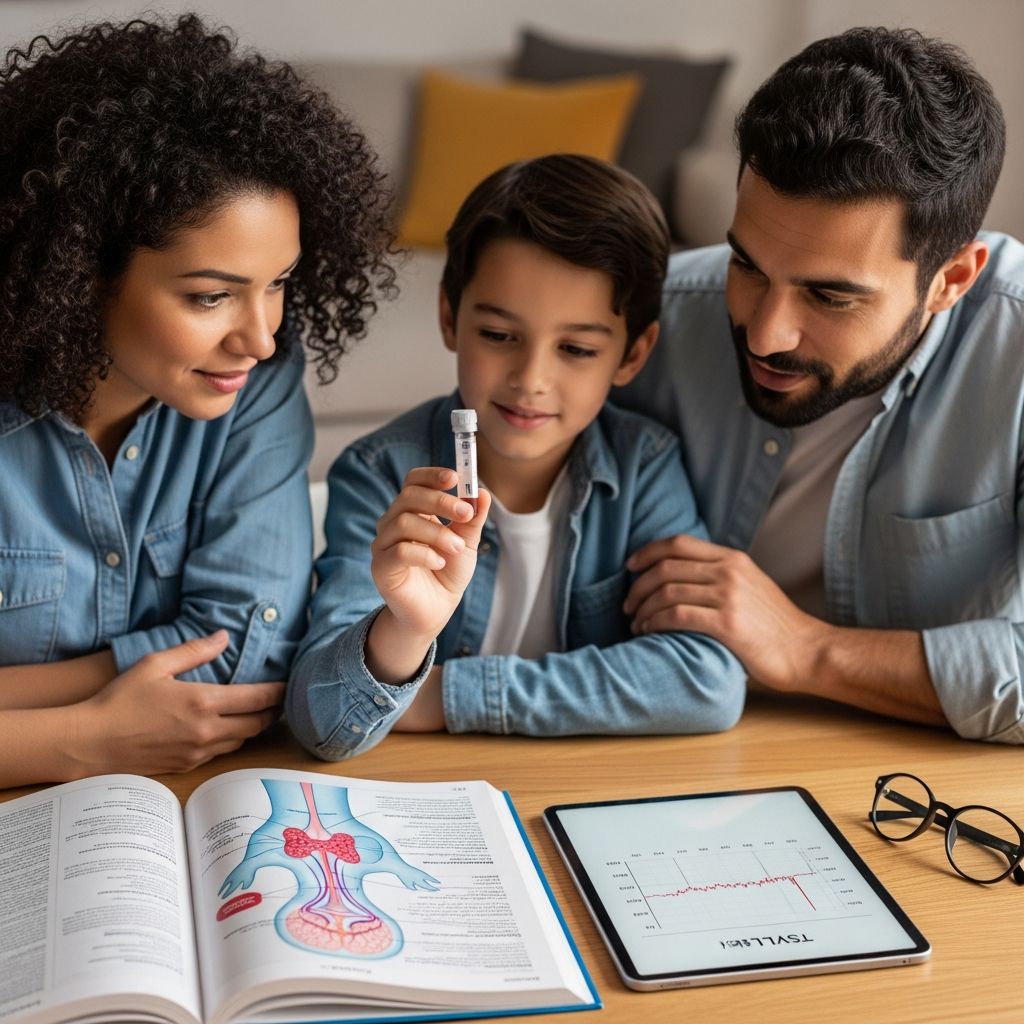
Inflammatory bowel disease (IBD) is a long-term condition that causes irritation and swelling in the digestive tract, and it often begins during the teen years. This guide explains IBD in clear language so that teens and families can better understand what is happening and how to manage everyday life.
IBD in Plain Language
IBD is a group of conditions where parts of the digestive tract stay inflamed for a long time. The two main types are Crohn’s disease and ulcerative colitis, and both can lead to tummy pain, diarrhea, and problems absorbing nutrients from food.
- Crohn’s disease: Can affect any part of the digestive tract, from the mouth to the anus, and often involves deeper layers of the bowel wall.
- Ulcerative colitis: Affects only the large intestine (colon and rectum) and mainly involves the inner lining of the bowel.
Although the word “disease” sounds scary, many teens with IBD go to school, play sports, and hang out with friends while learning how to control their symptoms with help from a medical team.
How the Digestive System Is Affected
To understand IBD, it helps to know the basic path of food through the body. Food travels from the mouth to the esophagus, then to the stomach, into the small intestine where most nutrients are absorbed, and finally into the large intestine where water is absorbed and stool is formed.
In IBD, the immune system mistakenly attacks parts of this tract, keeping them red, swollen, and sore. When this happens, the bowel may not absorb nutrients and water properly, leading to loose stool, weight changes, and fatigue.
| Digestive Region | Crohn’s Disease | Ulcerative Colitis |
|---|---|---|
| Mouth / Esophagus | Sometimes involved | Rarely involved |
| Stomach / Small Intestine | Frequently involved, especially end of small intestine | Not typically affected |
| Large Intestine (Colon) | May be affected in patches | Always affected to some degree |
| Rectum | Sometimes involved | Almost always involved |
Common Signs and Symptoms in Teens
Symptoms can start slowly and may be easy to confuse with a stomach bug or stress. Over time, however, patterns appear that suggest something more than a short-term illness.
Teens may notice a mix of digestive and non-digestive problems that come and go in waves.
Digestive Symptoms
- Frequent diarrhea, sometimes urgent or hard to control.
- Belly pain or cramping that may improve after using the bathroom.
- Blood or mucus in the stool.
- Feeling like the bowels are not completely empty after going.
- Nausea or reduced appetite.
Whole-Body Symptoms
- Unexplained weight loss or difficulty gaining weight.
- Feeling very tired, even with enough sleep.
- Low-grade fevers that come and go.
- Slower growth or delayed puberty compared with classmates.
- Pain or swelling in joints, skin rashes, or eye irritation.
When symptoms suddenly become worse, it is often called a “flare.” When symptoms are mild or absent, this is sometimes called “remission.” Learning to recognize early signs of a flare helps teens and caregivers act quickly.
What Causes IBD?
Experts have not identified a single cause of IBD, and it is not something a teen does or does not do. The condition usually develops due to several factors working together inside the body.
- Immune system mix-up: Cells that normally protect the body begin to attack the lining of the digestive tract, causing long-lasting inflammation.
- Genes: IBD can run in families, suggesting that inherited traits make some people more likely to develop it, though many teens with IBD have no close relatives with the condition.
- Environment and gut bacteria: Factors like infections, diet patterns, or changes in the balance of gut bacteria may trigger the abnormal immune reaction in a person who is already at risk.
Stress and certain foods do not cause IBD, but they can make existing symptoms worse. Managing stress and making thoughtful food choices still matters because it can improve daily comfort and energy levels.
How Doctors Diagnose IBD
Because many digestive problems share similar symptoms, doctors combine several tests and questions before deciding whether a teen has IBD. Diagnosis usually begins with a detailed medical history and physical exam.
Typical Diagnostic Steps
- Questions and exam: A provider asks about symptoms, family history, weight changes, and how long problems have been occurring, then performs a physical exam.
- Blood tests: These may look for anemia, signs of inflammation, and nutrient levels.
- Stool tests: Samples can help rule out infections and measure markers of inflammation in the intestines.
- Imaging: Ultrasound, CT scan, or MRI can show thickened bowel walls or other internal changes.
- Endoscopy and colonoscopy: A thin, flexible camera is used to look directly at the digestive tract and collect tiny tissue samples (biopsies) to confirm the diagnosis.
The full process can feel intimidating, but it gives the care team important information to plan safe and effective treatment.
Treatment Goals and Options
IBD treatment aims to calm inflammation, relieve symptoms, allow the intestines to heal, and support normal growth and development. Plans are highly individual and may change over time as the teen’s body and lifestyle change.
Medication Approaches
- Anti-inflammatory drugs: These medicines help lower swelling in the intestines and are often used early in treatment.
- Immune-modifying drugs: These reduce the activity of the immune system so it stops attacking the gut lining as aggressively.
- Biologic therapies: These are targeted medicines that block specific steps in the inflammation process and are usually given by injection or infusion.
- Supportive medicines: Supplements like iron or vitamin D, and medicines for pain, nausea, or diarrhea, may be added to manage specific problems.
Teens should never start or stop medicines on their own. Skipping doses can quickly lead to flares, even if things seem under control.
Nutrition and Lifestyle Strategies
Food choices cannot cure IBD, but they can support healing and reduce discomfort. A registered dietitian who understands IBD can help teens experiment with adjustments.
- Eating small, frequent meals if large meals trigger pain or urgency.
- Drinking plenty of fluids to replace losses from diarrhea.
- Tracking which foods seem to worsen symptoms and discussing patterns with the care team.
- Using supplements or special formulas if weight gain or growth is a challenge.
Regular physical activity, good sleep habits, and stress-management techniques (such as breathing exercises or counseling) also support overall well-being.
When Surgery Is Considered
Most teens manage IBD with medicines and lifestyle changes, but surgery may be recommended if there are complications or if medicines no longer control symptoms. Procedures vary depending on which part of the digestive tract is affected.
In some situations, removing damaged sections of bowel greatly improves quality of life and reduces flares, though ongoing follow-up care is still needed.
Living with IBD: School, Sports, and Social Life
IBD is more than a medical diagnosis; it also affects school performance, friendships, and self-confidence. Planning ahead and communicating with trusted adults makes day-to-day life smoother.
School Strategies
- Arrange a private meeting with a school counselor, nurse, or administrator to explain the condition and any special needs.
- Request flexible bathroom access so there is no delay or embarrassment about leaving class.
- Ask about plans for catching up on classwork after medical appointments or hospital stays.
- Consider formal school accommodations (such as a 504 plan in some regions) if absences or fatigue are frequent.
Friends, Dating, and Activities
Teens often worry about what to tell friends or how to handle sleepovers, trips, and dates. It is okay to share only what feels comfortable, starting with a small circle of trusted people.
- Practice a simple explanation, such as, “I have a digestive condition that sometimes sends me to the bathroom more often.”
- Keep a small kit with supplies like wipes, an extra pair of underwear, and any medicines when going out.
- Stay involved in sports or clubs as energy allows, since staying active and connected can improve mood and resilience.
Emotional Health and Body Image
Dealing with chronic illness during adolescence can stir up anxiety, sadness, anger, or embarrassment. These reactions are normal and deserve attention just as much as physical symptoms do.
- Talking with a therapist or counselor who understands chronic illness can provide coping skills and a safe space to vent.
- Support groups, whether in person or online, help teens realize they are not alone in dealing with IBD.
- Focusing on what the body can do—rather than only on symptoms—can improve body image over time.
IBD vs. Irritable Bowel Syndrome (IBS)
IBD and irritable bowel syndrome (IBS) sound similar, but they are different conditions. IBD involves visible inflammation and sometimes ulcers in the digestive tract, while IBS does not cause this kind of damage.
| Feature | IBD | IBS |
|---|---|---|
| Type of condition | Inflammatory, can damage bowel tissue | Functional, affects how the bowel works |
| Visible inflammation on tests | Yes, often seen on colonoscopy or imaging | No, tests usually appear normal |
| Risk of long-term complications | Higher, including strictures or malnutrition | Lower, does not typically damage the intestines |
| Common symptoms | Diarrhea, pain, bleeding, weight loss, fatigue | Pain, bloating, diarrhea or constipation |
Only a health professional can tell which condition is present, so persistent or severe symptoms should always be evaluated.
Practical Self-Care Tips for Teens
While medical treatment is essential, small everyday habits can make a big difference in comfort and confidence. These tips are not a replacement for care but can complement it.
- Keep a symptom journal to track what you ate, how you felt, and any triggers you notice.
- Use reminders or apps to stay on schedule with medicines.
- Prepare a “bad day” plan with your family that covers who to call, what to pack, and when to seek urgent care.
- Learn simple relaxation techniques—such as slow breathing or guided imagery—to help when pain or anxiety spikes.
- Celebrate small wins, like a week of consistent medicines or a successful outing, to build confidence.
Frequently Asked Questions About IBD in Teens
Is IBD contagious?
No. IBD cannot be caught like a cold or passed from person to person through casual contact. Friends and classmates do not need to worry about catching it.
Will I have IBD for life?
IBD is considered a chronic condition, which means it usually does not go away completely. However, many teens experience long periods with few or no symptoms when treatment works well.
Can I still play sports or join activities?
Many teens with IBD continue to participate in sports, music, theater, and other interests. It may be necessary to adjust routines during flares, but staying active often helps mood, strength, and self-esteem.
Will I be able to eat “normal” foods?
Food triggers are different for everyone. Some teens find they feel better avoiding certain items during flares, while others tolerate a wide range of foods. Working with a dietitian and listening to your body is the best way to build a flexible eating plan.
How should I talk to my friends about IBD?
Sharing is a personal choice. Many teens start with a brief explanation to a close friend and add details if questions come up. You might say that you have a medical condition that affects your digestion and sometimes requires extra bathroom breaks or medical appointments.
What if I feel embarrassed about bathroom issues?
Bathroom worries are very common among teens with IBD. Planning ahead, using school accommodations, and talking to a counselor about coping strategies can reduce embarrassment over time. Remember that needing the bathroom is a normal body function, even if it feels awkward.
Can I date if I have IBD?
Yes. Many people with IBD have healthy romantic relationships. Trust, honesty, and choosing supportive partners matter far more than having a perfectly healthy digestive system.
When to Seek Immediate Help
Most flares can be handled with your regular medical team, but some symptoms mean you should seek urgent care or emergency help right away.
- Severe belly pain that suddenly worsens or does not improve.
- Large amounts of blood in the stool or black, tarry stools.
- Signs of dehydration, such as dizziness, dry mouth, or very little urine.
- High fever with chills or feeling extremely unwell.
Keeping emergency contact numbers handy and knowing which hospital to go to can save time and reduce stress if these situations happen.
Key Takeaways for Teens and Families
IBD can feel overwhelming at first, but understanding the condition makes it less mysterious and more manageable. With the right medical care, supportive adults, and practical coping skills, many teens with IBD build active, fulfilling lives.
Staying informed, speaking up about symptoms, and working closely with a health team gives teens the best chance to grow, learn, and chase their goals while living with IBD.