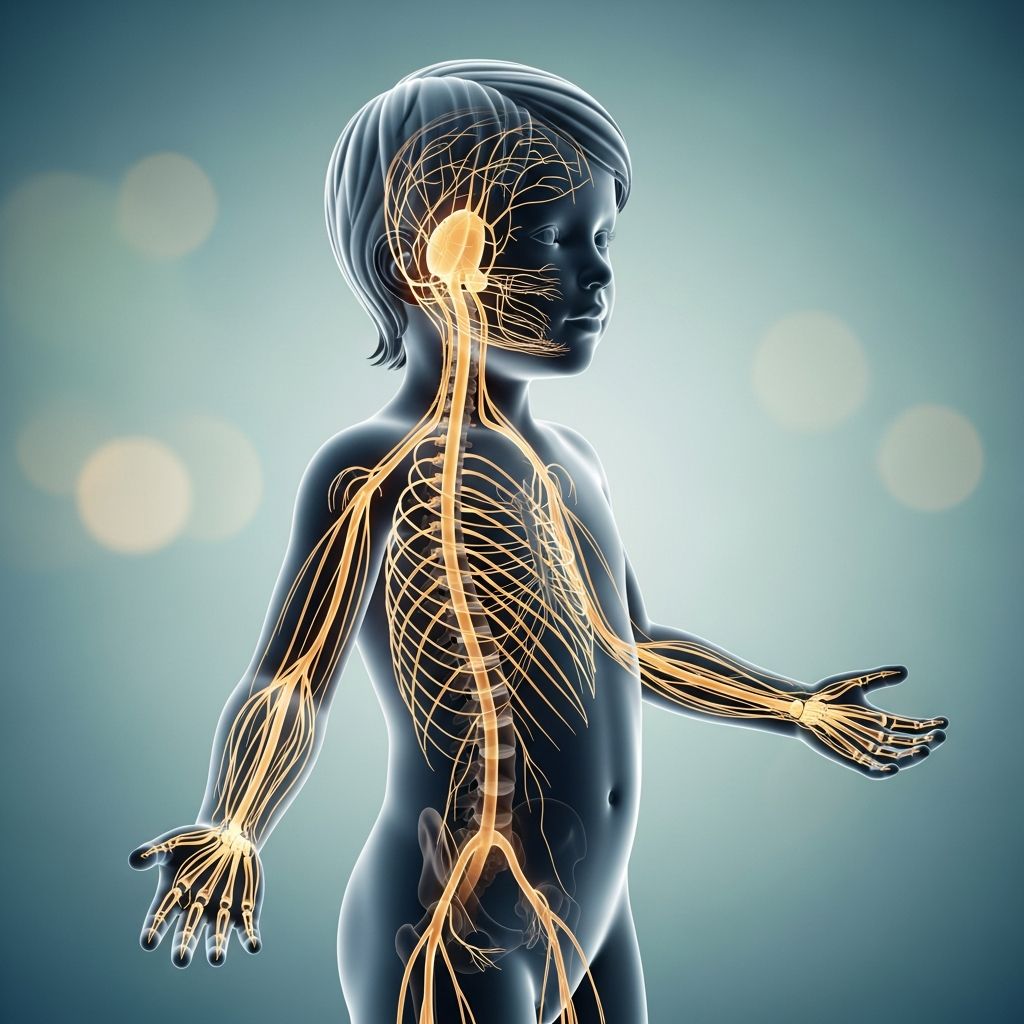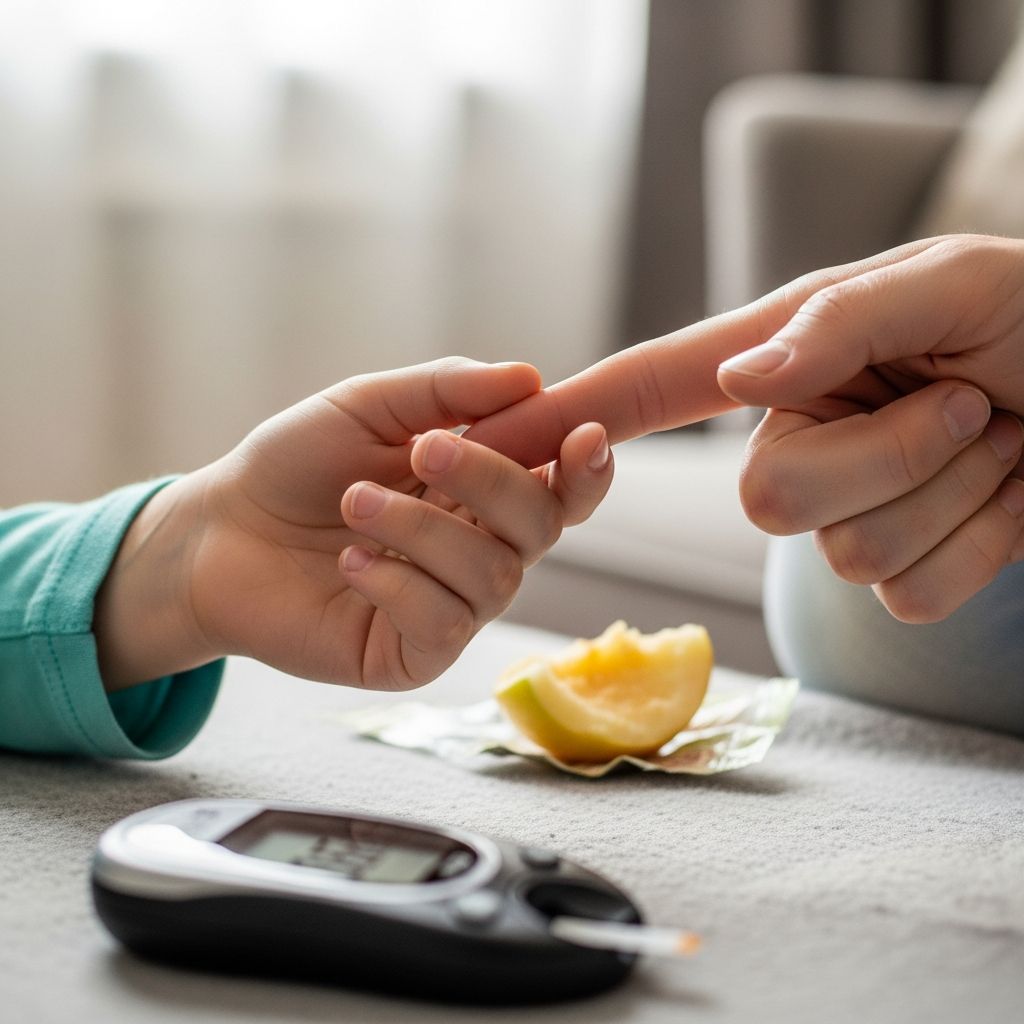
Low blood sugar, medically known as hypoglycemia, represents a significant health concern for children, particularly those living with diabetes. When blood glucose levels drop below the range necessary for proper brain and body function, immediate intervention becomes essential. Understanding this condition empowers parents and caregivers to recognize warning signs quickly and respond appropriately to protect their child’s health and well-being.
What Happens When Blood Sugar Drops
The human body relies on glucose, a simple sugar derived from food, to fuel cellular activity and support brain function. When a child eats, carbohydrates break down into glucose, which enters the bloodstream and provides energy throughout the day. The pancreas produces insulin, a hormone that helps cells absorb glucose for immediate energy or storage for later use.
Hypoglycemia occurs when blood glucose levels become abnormally low, typically falling below 70 milligrams per deciliter (mg/dL), though this threshold may vary depending on individual circumstances and medical history. When this happens, the brain and nervous system cannot function optimally, triggering a cascade of physical and neurological responses designed to alert the body to the problem.
In healthy children without diabetes, the body naturally prevents severe hypoglycemia through metabolic mechanisms. During fasting periods, such as overnight sleep, the liver releases stored glucose to maintain stable blood sugar levels. However, these protective mechanisms can fail in certain medical conditions, or excess insulin from medication or other sources can overwhelm the body’s natural glucose regulation.
Recognizing Early Warning Signs
The initial symptoms of low blood sugar develop as the body’s stress response system activates, releasing adrenaline and other hormones to counteract the glucose shortage. These early warning signs typically appear suddenly and can vary from child to child based on age, how quickly blood sugar drops, and individual sensitivity to these changes.
Common early indicators include:
- Trembling or shakiness in the hands and limbs
- An unusually rapid or forceful heartbeat that the child may notice
- Excessive sweating despite cool environmental temperature
- Intense, sometimes uncharacteristic hunger
- Throbbing headaches or head discomfort
- Dizziness or a sensation of lightheadedness
- Blurred or double vision
- Unusual fatigue or tiredness
- Irritability, grouchiness, or mood swings
- Pale or ashen complexion
- Anxiety or feelings of nervousness
- Tingling sensations around the mouth or lips
- Difficulty concentrating or mental sluggishness
- Sudden behavioral changes such as crying without apparent reason
Parents should teach their children to recognize these warning signs and communicate immediately when they notice any unusual sensations. Even young children can learn to say they feel “funny” or request help from a trusted adult. This early communication provides a critical window for intervention before symptoms progress to more severe stages.
Understanding Advanced Symptoms
If low blood sugar goes untreated and glucose levels continue to decline, more serious neurological symptoms emerge. These progressive signs indicate that the brain is not receiving adequate fuel and require emergency medical attention.
Severe hypoglycemia may present with:
- Significant confusion or difficulty understanding simple instructions
- Loss of coordination manifesting as clumsiness or jerky movements
- Slurred speech or difficulty speaking clearly
- Seizures or convulsions
- Loss of consciousness or inability to wake the child
- Persistent nightmares or confusion upon waking from sleep
- Behavioral changes such as stubbornness or uncharacteristic resistance
- Extreme drowsiness or difficulty staying awake
Special consideration applies to infants and very young children, who may not display obvious symptoms even when experiencing significant hypoglycemia. Parents of infants should be alert to changes in feeding patterns, unusual lethargy, or difficulty waking for meals, as these subtle indicators may signal low blood sugar.
Primary Causes in Children With Diabetes
Children with type 1 diabetes face the highest risk of hypoglycemia because their treatment directly involves insulin administration. Insulin therapy, while essential for managing blood glucose, creates an increased possibility of overcorrection when blood sugar levels drop below target ranges.
Several factors can precipitate low blood sugar episodes in diabetic children:
- Excessive insulin doses: Taking more insulin than the body needs overwhelms glucose absorption mechanisms
- Inappropriate insulin timing: Administering long-acting insulin varieties without proper meal coordination
- Inaccurate blood glucose readings: Testing errors leading to incorrect insulin dose adjustments
- Delayed or skipped meals: Missing regular meal times or snacks that would offset insulin activity
- Insufficient food intake: Eating less than anticipated when insulin has already been administered
- Increased physical activity: Exercise burns glucose more rapidly than expected, especially without adjusting insulin doses or eating additional carbohydrates
- Acute illness: Infections, fever, or other acute health conditions can alter insulin requirements unpredictably
- Gastrointestinal disturbances: Vomiting or diarrhea prevents normal nutrient absorption and glucose availability
- Emotional or psychological stress: High stress levels can affect blood sugar regulation and hormone balance
- Other underlying health conditions: Celiac disease, adrenal insufficiency, and hormonal disorders can complicate glucose management
Causes Beyond Diabetes
While diabetes represents the most common cause of hypoglycemia in children, other medical conditions and circumstances can trigger dangerously low blood sugar levels.
Hyperinsulinism, a condition where the pancreas produces excessive insulin, represents the most frequent non-diabetic cause of hypoglycemia in children. This disorder can result from genetic factors, maternal diabetes during pregnancy, or complications during fetal development or delivery. The pancreatic beta cells continuously oversecrete insulin, pushing blood glucose to dangerously low levels even during normal fasting periods.
Insulinomas, benign tumors of the pancreas that produce insulin, cause another form of pathological hypoglycemia. These rare tumors autonomously release insulin regardless of actual glucose needs, resulting in recurrent low blood sugar episodes.
Hormone deficiencies involving growth hormone or cortisol can impair the body’s ability to raise blood glucose during fasting periods. The adrenal glands normally produce cortisol, a hormone essential for glucose production, and growth hormone plays a regulatory role in metabolism. Deficiencies in either hormone compromise these protective mechanisms.
Certain inherited metabolic disorders affecting liver function can severely limit the organ’s capacity to store and release glucose. These genetic conditions disrupt the enzymatic pathways required for glucose production from non-carbohydrate sources during fasting.
Surgical interventions, particularly those altering gastrointestinal anatomy such as fundoplication for reflux disease, can trigger a specific type of hypoglycemia called dumping syndrome. In this condition, food moves too rapidly through the digestive system, causing a brief glucose spike followed by an excessive insulin response that overshoots, resulting in low blood sugar shortly after eating.
Children with severe eating disorders or severe malnutrition may develop hypoglycemia as their body’s stored energy becomes depleted and the liver cannot maintain adequate glucose production.
Diagnostic Evaluation
When a child experiences symptoms suggesting hypoglycemia, proper medical evaluation is essential to confirm the diagnosis and identify underlying causes. Parents should document when episodes occur, what symptoms appear, and any potential triggering factors.
Healthcare providers typically begin by obtaining a detailed history of the child’s symptoms, dietary intake, physical activity levels, and any relevant family medical background. A thorough physical examination follows, with particular attention to signs of growth abnormalities, developmental delays, or other physical indicators of systemic illness.
Blood tests measuring glucose levels during symptomatic episodes provide definitive diagnostic confirmation. Additional laboratory work may assess insulin levels, counter-regulatory hormone levels, and liver or metabolic function depending on clinical suspicion. For children without diabetes, testing during a supervised fasting period may be necessary to provoke and document hypoglycemic episodes, allowing physicians to identify underlying causes.
Immediate Treatment Strategies
When a child shows signs of hypoglycemia, rapid intervention is critical. The 15-15 rule provides a straightforward approach for treating mild to moderate low blood sugar: give 15 grams of fast-acting carbohydrate, wait 15 minutes, and recheck blood glucose if possible.
Appropriate quick-acting carbohydrate sources include:
- Four to six ounces of fruit juice or regular soda (not diet)
- Three to four glucose tablets or gel tubes
- One tablespoon of honey
- Five to seven pieces of hard candy
- Two to three teaspoons of sugar or corn syrup
- One slice of bread or six saltine crackers
- One-half banana or one small apple
For severe hypoglycemia when the child cannot safely swallow, cannot respond appropriately, or is experiencing seizures or loss of consciousness, glucagon emergency medication must be administered immediately. Glucagon injections or nasal spray (Baqsimi) raise blood glucose rapidly by stimulating the liver to release stored glucose. Caregivers should receive training on glucagon administration and maintain supplies in accessible locations both at home and school.
After treating an acute episode, parents should provide a small meal or snack containing both carbohydrate and protein once the child can safely eat, to prevent rapid blood sugar decline again and provide sustained energy.
Hypoglycemia Unawareness: A Serious Complication
Children who experience recurrent hypoglycemic episodes may develop a condition called hypoglycemia unawareness, where the body stops producing the adrenaline response that generates warning symptoms. This dangerous phenomenon occurs because repeated low blood sugar episodes condition the body to dampen its stress response over time.
Without warning symptoms, children cannot recognize when their blood glucose is dropping, making it impossible for them to seek help or self-treat before severe hypoglycemia develops. This significantly increases the risk of seizures, unconsciousness, and potential brain injury. Children with hypoglycemia unawareness require more frequent blood glucose monitoring, careful insulin adjustment, and may benefit from continuous glucose monitoring systems that provide alerts when blood sugar approaches critical levels.
Prevention and Long-Term Management
Preventing hypoglycemic episodes requires a comprehensive approach combining consistent meal timing, appropriate insulin dosing, regular glucose monitoring, and careful activity planning. Children should eat meals and snacks at consistent times daily, with carbohydrate amounts matched to insulin doses.
Before increased physical activity, children may require reduced insulin doses or additional carbohydrate intake. Healthcare providers can help families develop individualized adjustment protocols based on the child’s insulin regimen and activity patterns.
Regular blood glucose monitoring, whether through fingerstick testing or continuous glucose monitoring systems, provides essential data for detecting patterns and preventing episodes before they become severe. Parents and children should work with their healthcare team to establish realistic blood glucose targets and develop strategies for maintaining stable levels throughout the day and night.
Educating children about their condition empowers them to recognize symptoms, communicate with trusted adults, and participate in their own health management as they mature. Even young children can learn that certain feelings mean they need help and should find an adult who can assist them.
School and Activity Considerations
Children attending school require coordinated care plans ensuring that teachers, school nurses, and coaches understand hypoglycemia recognition and emergency response protocols. Schools should have access to glucagon, rapid-acting carbohydrates, and blood glucose testing supplies in accessible locations.
Clear communication between parents, healthcare providers, and school personnel regarding the child’s specific symptoms, typical triggers, and treatment preferences ensures consistent, appropriate responses across all settings. Many schools can develop individualized healthcare plans that outline when and how to treat hypoglycemia and emergency contacts to notify in case of severe episodes.
Frequently Asked Questions
Q: How do I know if my child is experiencing hypoglycemia at night?
A: Nighttime hypoglycemia may manifest as restless sleep, nightmares, excessive sweating soaking through bedding, or the child waking confused or irritable. Some parents use continuous glucose monitors with alarm functions to detect low blood sugar during sleep. Morning headaches or grogginess may also suggest overnight episodes.
Q: Can hypoglycemia cause permanent brain damage?
A: Severe, prolonged hypoglycemia can potentially damage brain cells; however, rapid treatment typically prevents permanent injury. Single episodes of hypoglycemia treated promptly do not cause lasting harm. The key is recognizing and treating episodes quickly before they become severe or prolonged.
Q: Should I give my child sugar or candy during hypoglycemia?
A: Yes, simple sugars like candy, juice, or glucose tablets work well for quick treatment because they raise blood glucose rapidly. However, follow the 15-15 rule and recheck blood sugar after 15 minutes. Avoid giving chocolate or fat-containing foods initially, as fat slows sugar absorption.
Q: How often should my child have blood glucose checks?
A: Check frequency depends on the child’s condition and treatment regimen. Children with diabetes typically need checks before meals, before bedtime, and occasionally overnight. Discuss an appropriate monitoring schedule with your healthcare provider based on your child’s specific situation.
Q: What is the difference between hypoglycemia and hyperglycemia?
A: Hypoglycemia is low blood sugar (too little glucose), while hyperglycemia is high blood sugar (too much glucose). They require opposite treatments—hypoglycemia needs carbohydrates and fast-acting treatment, while hyperglycemia may need insulin. Symptoms differ; hypoglycemia causes shakiness and sweating, while hyperglycemia develops gradually with thirst and fatigue.
Q: Can my child outgrow hypoglycemia risk?
A: For children with diabetes, hypoglycemia risk continues as long as they require insulin therapy. However, improved monitoring technology and insulin regimens have made hypoglycemia episodes more manageable and less frequent than in the past. Children with other causes of hypoglycemia may see resolution if underlying conditions are treated effectively.
References
- Hypoglycemia in Children — Children’s Hospital of Philadelphia. 2025. https://www.chop.edu/conditions-diseases/hypoglycemia-children
- Hypoglycemia in Children — University of Rochester Medical Center. 2025. https://www.urmc.rochester.edu/encyclopedia/Content?contentTypeID=90&ContentID=P01960
- Pediatric Hypoglycemia — Children’s Hospital Colorado. 2025. https://www.childrenscolorado.org/conditions-and-advice/conditions-and-symptoms/conditions/pediatric-hypoglycemia/
- Hypoglycemia in Children — Stanford Medicine Children’s Health. 2025. https://www.stanfordchildrens.org/en/topic/default?id=hypoglycemia-in-children-90-P01960
- Hypoglycemia: What Should You Do If Your Child Has Low Blood Sugar — Children’s Nebraska. 2025. https://www.childrensnebraska.org/endocrinology-and-diabetes/hypoglycemia-what-should-you-do-if-your-child-has-low-blood-sugar
- Hypoglycemia — Symptoms and causes — Mayo Clinic. 2025. https://www.mayoclinic.org/diseases-conditions/hypoglycemia/symptoms-causes/syc-20373685
- Signs, Symptoms, and Treatment for Hypoglycemia (Low Blood Glucose) — American Diabetes Association. 2025. https://diabetes.org/living-with-diabetes/hypoglycemia-low-blood-glucose/symptoms-treatment