Hyperemesis gravidarum (HG) transforms the common discomfort of morning sickness into a debilitating ordeal, often resulting in substantial weight loss and requiring medical intervention. Unlike typical nausea, HG persists with intense vomiting that prevents adequate nutrition and hydration, affecting up to 3% of pregnancies and leading to hospitalization in many cases.
Understanding the Condition Beyond Routine Nausea
While most pregnant individuals experience mild nausea peaking around weeks 8-12, HG represents the severe spectrum, starting as early as week 4-6 and potentially lasting through the entire gestation for 20% of cases. This condition disrupts daily life, causing dehydration, electrolyte imbalances, and nutritional deficits that threaten both maternal and fetal health.
The distinction lies in severity: routine morning sickness allows some intake of food and fluids, whereas HG results in inability to retain anything, leading to ketonuria and metabolic disturbances. Early diagnosis is crucial to mitigate risks like Wernicke encephalopathy from thiamine deficiency or fetal growth issues.
Primary Causes Rooted in Hormonal Shifts
Recent research pinpoints Growth Differentiation Factor 15 (GDF15), a hormone produced by the placenta and fetus, as the chief culprit behind HG symptoms. GDF15 levels surge rapidly in early pregnancy, triggering taste aversion, profound nausea, and vomiting. Women with prior low-level exposure to GDF15 exhibit heightened sensitivity, intensifying symptoms.
Genetic variations in the GDF15 gene can lead to abnormal production or receptor sensitivity, explaining familial patterns where risk increases 15-20% in subsequent pregnancies. Human chorionic gonadotropin (hCG) also plays a role, correlating with symptom peaks and stimulating transient hyperthyroidism in up to 73% of HG cases, exacerbating vomiting through elevated thyroxine.
- GDF15 surges: Rapid placental rise causes core nausea-vomiting axis.
- hCG influence: Peaks align with worst symptoms; thyroid stimulation adds severity.
- Genetic factors: Mutations heighten hormone response in susceptible women.
- Other contributors: Estrogen, progesterone alter gut motility; nutritional gaps worsen cycle.
Recognizing Critical Symptoms and Warning Signs
Symptoms escalate quickly, with persistent vomiting over three times daily, excessive salivation (ptyalism), and rapid weight loss exceeding 5% of pre-pregnancy body mass. Dehydration manifests as dark urine, dry skin, dizziness, fainting, and reduced urination, while metabolic effects include fatigue, headaches, and ketosis from fat breakdown.
| Symptom Category | Common Signs | Potential Complications |
|---|---|---|
| Gastrointestinal | Severe nausea, vomiting >3x/day, food aversion, constipation | Electrolyte imbalance, ketonuria |
| Dehydration | Dark urine, dry mouth, weakness, orthostatic hypotension | Kidney injury, arrhythmias |
| Systemic | Weight loss >5%, fatigue, confusion, jaundice | Thiamine deficiency, hyperthyroidism |
| Psychological | Anxiety, depression, extreme fatigue | Secondary mental health impacts |
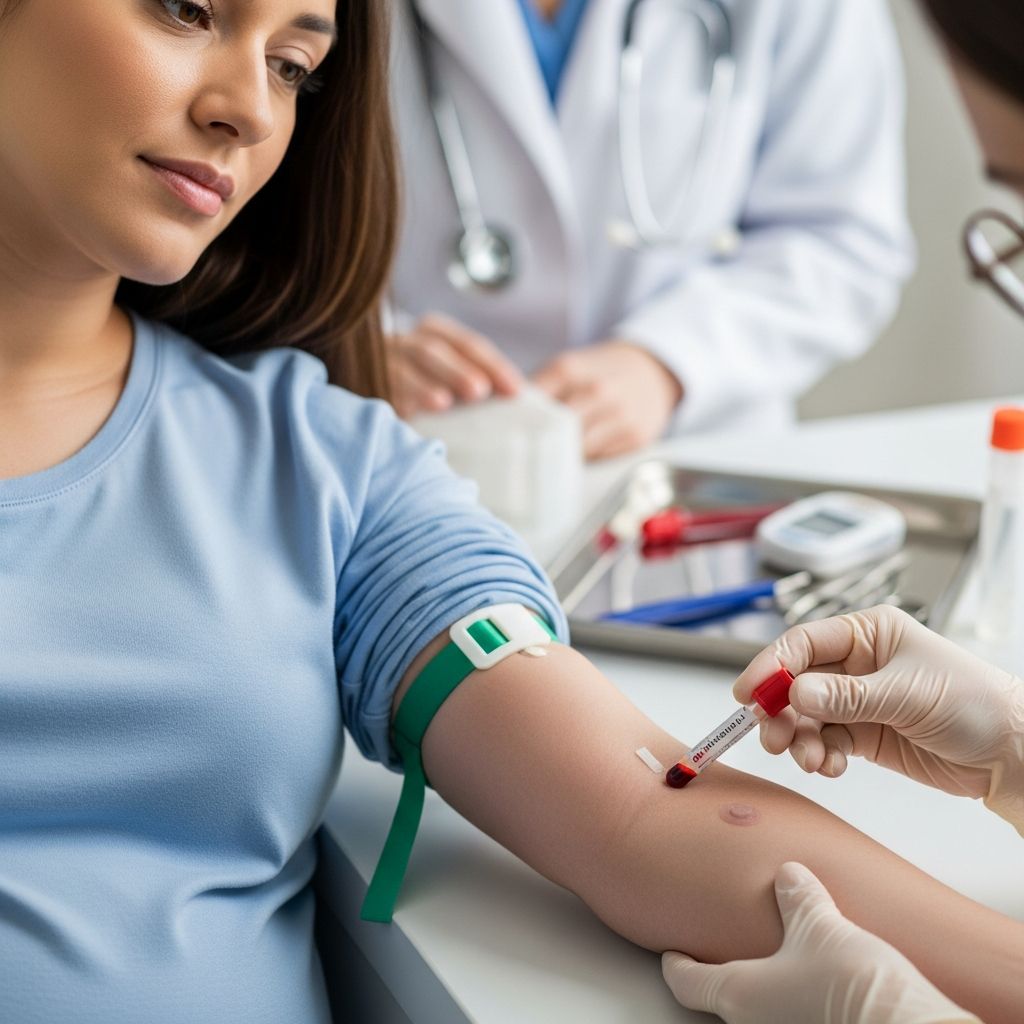
Physical exams reveal tachycardia, low blood pressure, and poor skin turgor; labs confirm ketonuria, hyponatremia, and hypokalemia. Fetal monitoring ensures heart tones remain stable despite maternal distress.
Comprehensive Diagnostic Approaches
Diagnosis relies on clinical history and exclusion of mimics like urinary tract infections or gastrointestinal disorders. Key criteria include vomiting causing >5% weight loss, dehydration, and electrolyte issues without other explanations. Urine ketones, serum electrolytes, liver enzymes, and thyroid function tests guide severity assessment.
Ultrasound rules out multiples or molar pregnancy, which elevate HG risk. Blood tests may show elevated hCG or thyroxine, supporting hormonal etiology.
Management Strategies: From Home Care to Hospitalization
Treatment prioritizes hydration, nutrition, and symptom control. Mild cases start with dietary tweaks: small, frequent dry meals like crackers, ginger, or vitamin B6. However, severe HG demands IV fluids with thiamine to prevent neurological damage, alongside antiemetics like ondansetron or metoclopramide.
Hospitalization occurs for intractable vomiting, with nasogastric feeding or total parenteral nutrition in refractory cases. Corticosteroids may be used cautiously for non-responders. Multidisciplinary care involves obstetricians, dietitians, and mental health support.
- First-line: Hydration, B6, doxylamine, ginger.
- Escalation: IV fluids, antihistamines, serotonin antagonists.
- Nutritional: Enteral feeds if oral fails; monitor fetal growth.
Effects on Maternal Health and Weight Fluctuations
Weight loss averages 10-20 pounds in severe HG, with some losing over 15% body mass, risking muscle wasting and osteoporosis from calcium deficits. Prolonged malnutrition depletes thiamine within weeks, risking cardiac or neural damage; vitamin K shortages cause bleeding risks.
Recovery post-symptom relief involves gradual refeeding, but many struggle with aversions lingering months, impacting postpartum weight regain and breastfeeding.
Fetal Outcomes and Long-Term Considerations
Despite maternal hardship, most fetuses thrive with proper management, though risks include low birth weight or preterm delivery if HG persists. Adequate intervention minimizes intrauterine growth restriction.
Personal Journeys: Navigating HG Challenges
Women describe HG as life-altering: bedbound days, ER visits, and emotional toll from isolation and fear for baby. One mother lost 25 pounds by week 12, relying on IVs and medications to sustain pregnancy. Support groups like HER Foundation offer solidarity and tips.
Emotional recovery addresses guilt, anxiety; therapy aids processing trauma. Future pregnancies prompt genetic counseling given recurrence risks.
Prevention Insights and Future Directions
No sure prevention exists, but early GDF15 screening or desensitization trials emerge from research. Diclectin or early antiemetics may blunt onset in high-risk women.
Frequently Asked Questions About Hyperemesis Gravidarum
How long does HG typically last?
Most improve by weeks 14-20, but 20% endure full-term.
Can HG harm my baby?
With treatment, risks are low; untreated, it may cause growth issues.
Is weight loss during HG dangerous?
Yes, >5% signals need for intervention to avoid deficiencies.
What foods help during HG?
Cold, bland items like toast, bananas; avoid triggers.
Does HG recur in future pregnancies?
15-20% higher risk if prior history.
References
- Causes – HER Foundation — HER Foundation. 2023. https://www.hyperemesis.org/about-hyperemesis-gravidarum/causes/
- Beyond Morning Sickness: Hyperemesis Gravidarum — FDA. 2023-05-01. https://www.fda.gov/consumers/knowledge-and-news-women-owh-blog/beyond-morning-sickness-hyperemesis-gravidarum
- Hyperemesis Gravidarum – StatPearls — NCBI Bookshelf – NIH. 2023-08-08. https://www.ncbi.nlm.nih.gov/books/NBK532917/
- Hyperemesis Gravidarum | Signs, Symptoms, & Treatment — American Pregnancy Association. 2023. https://americanpregnancy.org/healthy-pregnancy/pregnancy-complications/hyperemesis-gravidarum/
- Hyperemesis gravidarum: MedlinePlus Medical Encyclopedia — MedlinePlus. 2023-11-01. https://medlineplus.gov/ency/article/001499.htm