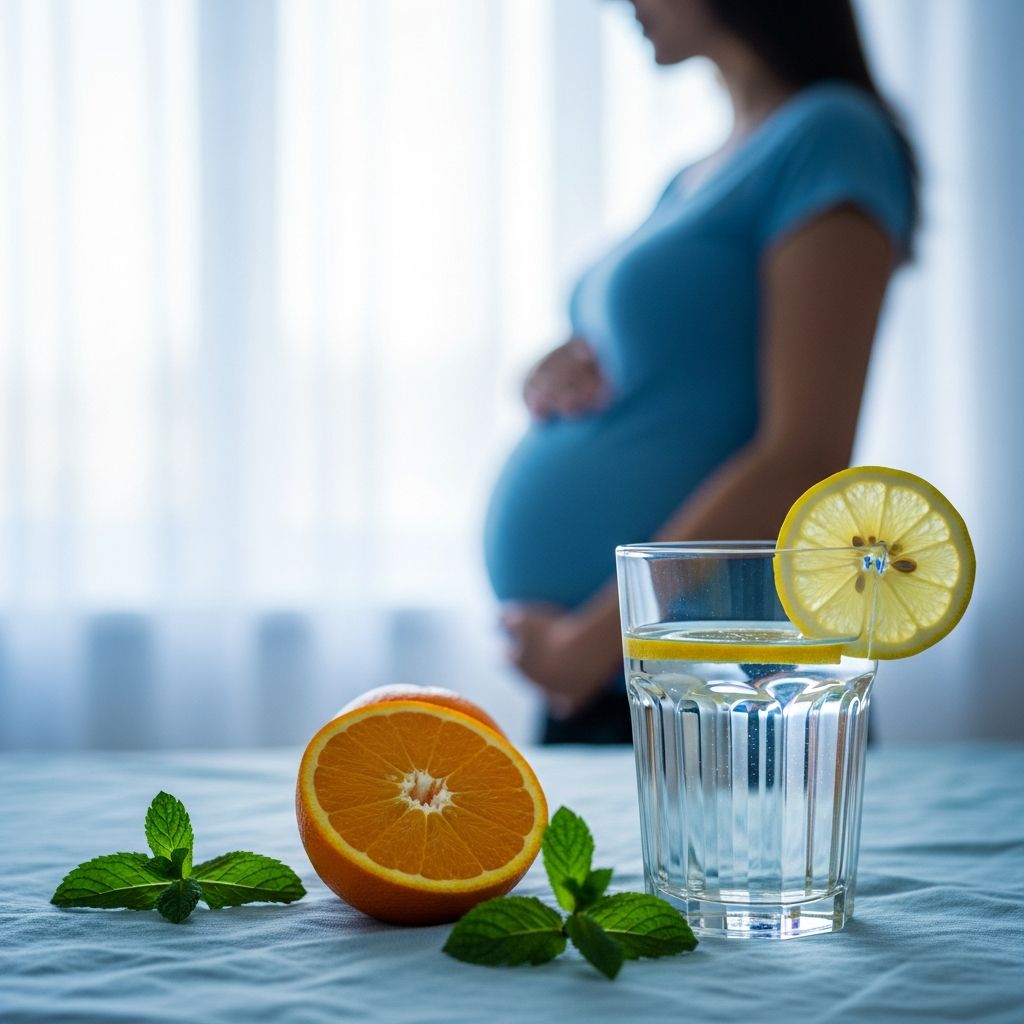
Staying properly hydrated is a cornerstone of a healthy pregnancy, supporting everything from amniotic fluid production to maternal energy levels. Expecting mothers face increased fluid demands due to expanded blood volume, fetal growth, and physiological changes, making conscious hydration a daily priority.
Why Fluid Balance Matters in Pregnancy
Pregnancy triggers significant bodily adaptations, including a 40-50% increase in blood volume to nourish the placenta and fetus. This expansion, combined with amniotic fluid maintenance, elevates daily water requirements beyond non-pregnant levels. Adequate intake prevents complications like low amniotic fluid (oligohydramnios), which can impair fetal development, and supports kidney function to flush waste products efficiently.
Hydration also combats common discomforts: it softens stools to alleviate constipation—a frequent issue from progesterone’s relaxing effects on intestines—and reduces swelling (edema) by promoting circulation. For the fetus, consistent maternal hydration ensures nutrient transport and temperature regulation. Research highlights that suboptimal hydration correlates with preterm labor risks and lower birth weights, underscoring its role in positive outcomes.
Recommended Daily Fluid Intake for Pregnant Women
Guidelines vary slightly by authority, but consensus points to elevated needs. Non-pregnant women require about 2.7 liters total water daily (including food sources), while pregnancy demands around 3.0 liters total, with 2.3 liters (roughly 10 cups or 80 ounces) from beverages. The American College of Obstetricians and Gynecologists (ACOG) and similar bodies recommend 1.9-3.0 liters of water specifically, adjusting for activity, climate, and trimester.
| Group | Total Water (Liters/Day) | Beverage Intake (Cups/Day) | Source |
|---|---|---|---|
| Non-Pregnant Women | 2.7 | 9-11 | Mayo Clinic |
| Pregnant Women | 3.0 | 10 (80 oz) | PMC Study |
| UK Guidelines (Pregnant) | 1.6-2.0 | 6-8 (200ml glasses) | Tommy’s |
| General US Rec. | 2.3-3.0 | 10 | ACOG/PSU |
These figures include all fluids: water, herbal teas, milk, and water-rich foods like fruits (e.g., watermelon, oranges). Caloric needs rise by 300 in later trimesters, translating to an extra 300-450ml fluid per that increment. Breastfeeding adds further demands, with thirst-guided intake post-feeding.
Trimester-Specific Hydration Strategies
First Trimester: Nausea often curbs intake, but aim for 2-2.5 liters to counter early blood volume shifts. Small, frequent sips prevent overwhelming the stomach.
Second Trimester: As amniotic fluid peaks, target 2.5-2.8 liters. Energy surges make this easier, but watch for Braxton Hicks contractions signaling possible under-hydration.
Third Trimester: Peak needs at 2.8-3.0+ liters support maximum blood expansion and fetal weight gain. Hot weather or exercise amplifies this.
- Track via apps or marked bottles (e.g., 500ml reusable).
- Incorporate electrolyte-enhanced water if active.
- Avoid caffeine excess (<200mg/day), as it mildly dehydrates.
Decoding Dehydration: Symptoms and Urine Checks
Dehydration sneaks up subtly in pregnancy. Monitor urine: pale yellow or clear signals adequacy; dark amber indicates deficit. Prenatal vitamins may tint it, so consult providers if unclear. Other red flags include:
- Persistent thirst or dry mouth.
- Dizziness, headaches, or fatigue.
- Swollen feet/hands not relieved by elevation.
- Reduced fetal movement or Braxton Hicks.
- Infrequent urination (<4-6 times/day).
Severe cases risk preeclampsia, UTIs, or neural tube defects. Gestational diabetes mimics thirst—prompt medical checks essential.
Practical Ways to Boost Your Water Consumption
Meeting goals requires habit-building:
- Flavor Infusions: Add lemon, cucumber, mint, or berries for taste without calories.
- Scheduled Sips: Set phone reminders hourly; drink 8oz upon waking, between meals, pre-bed.
- Portable Hydration: Carry insulated bottles; freeze for cool relief in heat.
- Food Synergy: Eat soups, smoothies, watery produce (80-90% water content in lettuce, tomatoes).
- Temperature Play: Alternate room-temp (easier on nausea) and chilled for variety.
Avoid sugary sodas or excess juice; opt for skim milk or plant-based alternatives for calcium-hydration dual benefits.
Overcoming Hydration Hurdles: Nausea, Heat, and Activity
Morning sickness heightens risk—sip slowly, try ginger tea or rehydration salts from pharmacists. Hot climates or workouts demand 0.5-1 liter extras; homemade fruit popsicles refresh. Diarrhea or hyperemesis requires medical input to avert electrolyte imbalance.
High-risk groups (diabetes, multiples) need tailored plans—discuss with OBGYN.
Long-Term Benefits: From Pregnancy to Postpartum
Consistent hydration eases labor (hydrated tissues contract better), boosts breast milk (though excess doesn’t increase supply), and aids recovery. Postpartum, thirst guides intake during nursing. Lifelong, it models healthy habits for baby.
Surveys show many underestimate needs—47% cite under 2.4L—highlighting education gaps.
Frequently Asked Questions
Can I count tea or coffee toward my daily fluid goal?
Yes, but limit caffeine to 200mg (1-2 cups). Herbal teas fully count; water remains ideal.
Does exercise change my water needs?
Absolutely—increase by 0.5L+ per sweaty hour. Pre-hydrate and replenish with electrolytes.
What if I’m always thirsty despite drinking enough?
Could signal gestational diabetes—contact your midwife promptly.
Are there safe ways to hydrate at night without frequent bathroom trips?
Taper after 7 PM; sip slowly before bed. Balance prevents overnight disruptions.
Do water-rich foods really help meet quotas?
Yes—20% of intake comes from diet. Prioritize fruits/veggies for 0.5L equivalent.
References
- How much water should I drink in pregnancy? — Tommy’s. 2023. https://www.tommys.org/pregnancy-information/im-pregnant/nutrition-in-pregnancy/how-much-water-should-i-drink-pregnancy
- An Update on Water Needs during Pregnancy — PMC (PubMed Central). 2006-08-28. https://pmc.ncbi.nlm.nih.gov/articles/PMC1595116/
- Pregnant women may not be drinking enough water — Penn State University. 2023. https://www.psu.edu/news/health-and-human-development/story/pregnant-women-may-not-be-drinking-enough-water-researchers
- Tips for a Hydrated Pregnancy — Delaware Valley OBGYN. 2023. https://delvalobgyn.com/tips-for-a-hydrated-pregnancy/
- Every sip counts: Understanding hydration behaviors — PMC (PubMed Central). 2024. https://pmc.ncbi.nlm.nih.gov/articles/PMC11075850/
- Water: How much should you drink each day? — Mayo Clinic. 2023-11-14. https://www.mayoclinic.org/healthy-lifestyle/nutrition-and-healthy-eating/in-depth/water/art-20044256