In the evolving landscape of modern parenthood, many mothers are discovering the power of flexibility. Rather than adhering strictly to one philosophy, they’re crafting personalized approaches that draw from multiple traditions. This hybrid method combines the reliability of structured guidance with the freedom of intuitive, wellness-oriented practices, creating a nurturing environment tailored to individual family needs.
Understanding the Shift Toward Hybrid Methods
Parenting trends are rapidly changing as newer generations of parents reject rigid ideologies. Gen Z caregivers, in particular, are leading the charge by integrating elements of authoritative discipline with empathetic communication, moving away from pure gentle parenting.Hybrid parenting emphasizes clear boundaries alongside emotional validation, allowing children to thrive in a supportive yet accountable setting.
This evolution reflects a broader cultural pivot. Parents are prioritizing sustainability over perfection, recognizing that no single style fits every family dynamic. For instance, while some incorporate calm modeling from gentle approaches, they pair it with firm rule-setting to foster self-regulation skills early on.
Core Elements of a Balanced Parenting Philosophy
A flexible approach rests on several foundational pillars that blend practicality with compassion. Here’s how it breaks down:
- Clear Communication: Explaining reasons behind rules helps children understand consequences, building trust without authoritarianism.
- Emotional Awareness: Acknowledging feelings validates a child’s experience while guiding them toward appropriate responses.
- Shared Responsibilities: Dividing family duties promotes equity and models healthy work-life balance for everyone.
- Intuitive Decision-Making: Trusting parental instincts over trend-driven mandates ensures authenticity in daily interactions.
These elements create a framework where discipline isn’t punitive but educational, aligning with expert recommendations for long-term child development.
Practical Strategies for Everyday Implementation
Adopting a blended style starts with small, actionable changes. Consider split-shift parenting, where partners alternate primary child duties to allow personal recharge time. This practice, gaining traction among busy families, ensures no one parent bears the full load, leading to more patient and present interactions.
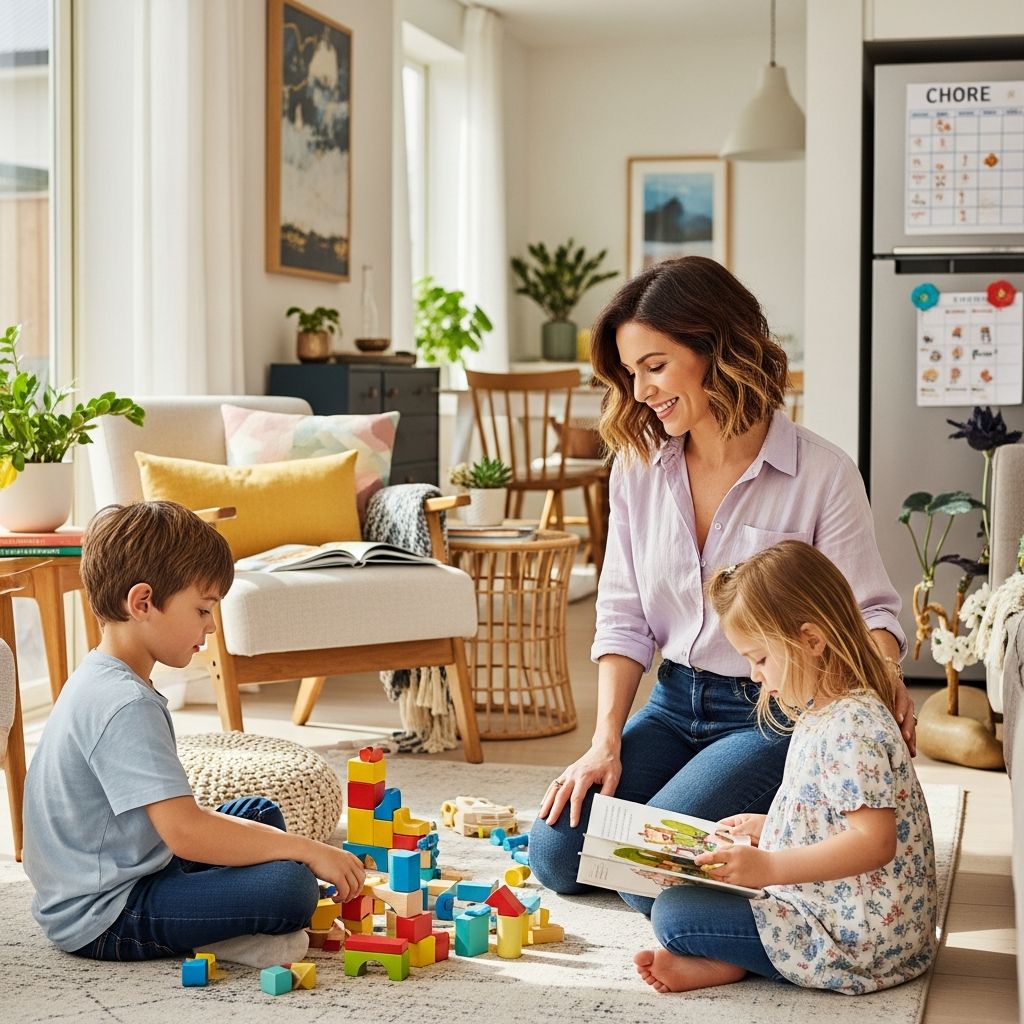
Another key strategy involves curating home environments that reflect real family life. Ditch the pressure to maintain adult-only aesthetics; instead, embrace kid-friendly spaces with visible toys and artwork. This fosters a sense of belonging and reduces the mental toll of constant tidying.
| Traditional Approach | Hybrid Alternative | Benefits |
|---|---|---|
| Strict no-screens rule | Intentional, limited use | Teaches moderation; supports parental mental health |
| Everything done for child | Age-appropriate independence | Builds confidence and life skills |
| Vague boundaries | Firm, explained limits | Promotes security and self-control |
Tables like this highlight how hybrids outperform extremes by balancing structure with flexibility.
Navigating Discipline Without Extremes
Discipline in a blended model focuses on co-regulation over mere behavior control. Parents model self-calming techniques, teaching kids to manage emotions independently over time. For example, instead of time-outs framed as punishment, use brief pauses for reflection, paired with discussions on feelings and choices.
Parents report success with phrases like, “I see you’re upset; let’s breathe together before we talk.” This validates emotions while redirecting energy productively, aligning with psychological insights on child emotional development.
Embracing Natural and Tech-Savvy Balance
Modern moms are redefining wellness by merging natural living with smart technology. This means prioritizing outdoor play, homemade meals, and minimal interventions alongside AI tools for meal planning or sleep tracking. The goal is presence: using tech to free up time for meaningful connections, not distractions.
- Opt for organic fabrics and gentle cleansers to support baby skin health.
- Incorporate daily nature walks to boost family mood and immunity.
- Use apps sparingly for routine optimization, keeping devices out of play zones.
This duality allows families to enjoy evidence-based health benefits without sacrificing convenience.
Overcoming Common Challenges in Hybrid Parenting
Transitioning to a flexible style isn’t without hurdles. Parental guilt often arises when deviating from trends, but experts affirm that consistency in your chosen method trumps perfection. Community support, like parenting pods or co-ops, can provide solidarity and shared resources, reviving the ‘village’ concept.
To build resilience against judgment, focus on outcomes: Are kids secure, capable, and happy? Metrics like improved family harmony and child independence validate the approach.
Real-Life Stories from Flexible Moms
Take Sarah, a 28-year-old mother of two, who blends routine schedules with free play. “I set nap times religiously but let afternoons be unstructured exploration,” she shares. Her children exhibit strong self-soothing skills, echoing trends toward analog living.
Similarly, Mia integrates chore participation early: “My four-year-old folds socks with me. It’s messy, but she beams with pride.” These anecdotes illustrate how hybrids cultivate capable kids without burnout.
The Role of Self-Care in Effective Parenting
No blended approach succeeds without parental well-being. Flexible moms prioritize sleep shifts, personal hobbies, and mental health check-ins. Breaking intergenerational patterns—such as rigid gender roles—further enhances equity.
Research underscores that rested parents are more responsive, creating positive cycles for the whole family.
Future Directions for Parenting Evolution
As 2026 unfolds, expect hybrids to dominate, with emphasis on real-world skills like cooking and problem-solving over scheduled activities. This shift promises less overstimulation and more authentic growth, setting kids up for lifelong success.
Frequently Asked Questions
What is hybrid parenting exactly?
Hybrid parenting combines elements from various styles, like gentle empathy and authoritative structure, customized to your family’s needs for balanced child-rearing.
Does blending styles confuse children?
No, when consistently applied with clear explanations, it provides security through predictable yet adaptable boundaries.
How do I start split-shift parenting?
Discuss equitable divisions with your partner, such as alternating mornings or overnights, to ensure mutual rest and recharge.
Can tech fit into natural parenting?
Yes, use it intentionally for efficiency, like recipe apps, while limiting child exposure to encourage real-world engagement.
What’s the biggest benefit of flexible approaches?
They reduce parental burnout, foster child independence, and create sustainable family dynamics over trend-chasing.
References
- 6 Parenting Trends to Keep on Your Radar in 2026 — The Bump. 2026. https://www.thebump.com/a/rising-parenting-trends
- Parenting trends for 2026 — CHCH News (YouTube). 2026-01-06. https://www.youtube.com/watch?v=ivM3eZ-kPdo
- 11 Parenting Trends Millennials Are Ditching In 2026 — Scary Mommy. 2026. https://www.scarymommy.com/parenting/parenting-trends-millennials-are-ditching-in-2026
- 2026 Parenting Trends We’re Excited to Embrace This Year — The Everymom. 2026. https://theeverymom.com/parenting-trends/
- 5 Parenting Trends That Will Rock Your World in 2026 — Macaroni Kid Woodbridge. 2026. https://woodbridge.macaronikid.com/articles/6789a28b1fdba954330d2837/5-parenting-trends-that-will-rock-your-world-in-2026