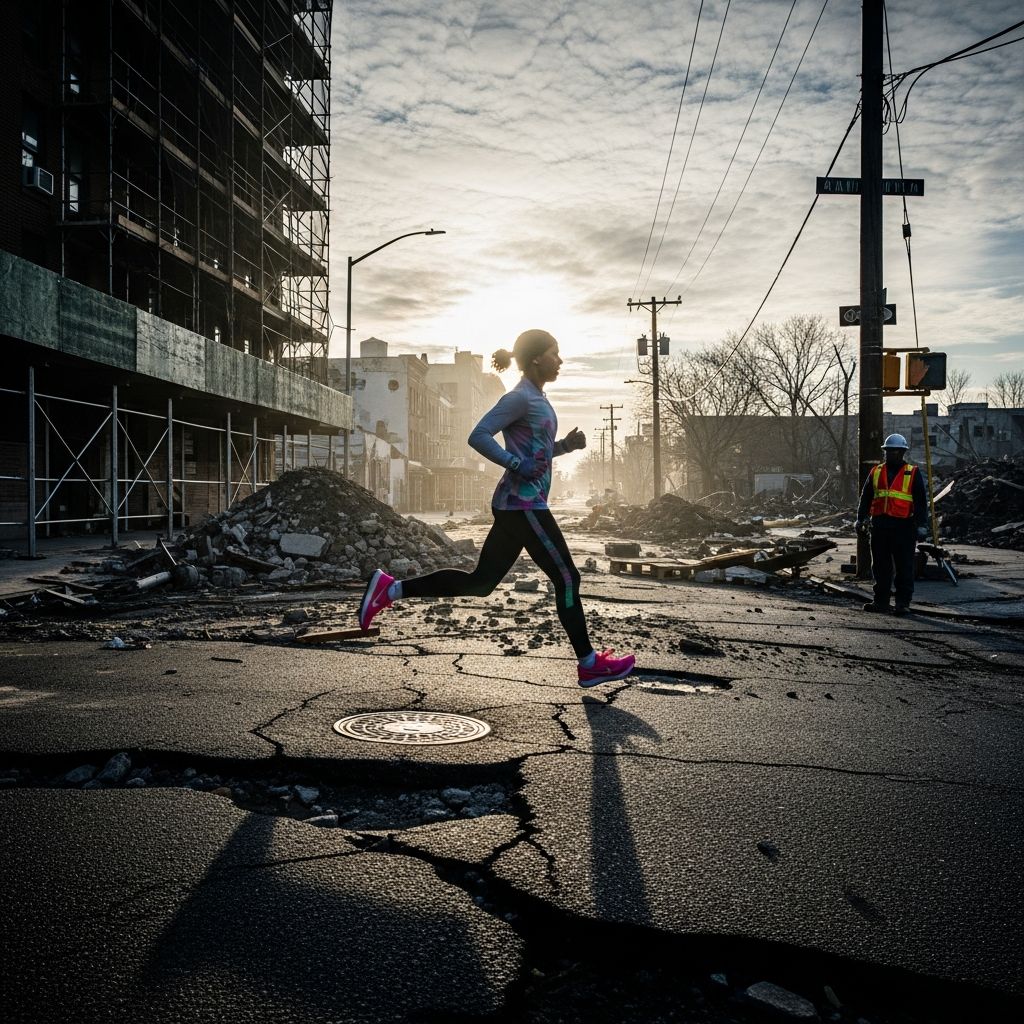
When Hurricane Sandy slammed into New York City in late October 2012, the water receded faster than the shock. The real storm arrived afterward, in the months and years of rebuilding homes, routines, and a sense of safety. What looked like a single night of destruction became a long-distance test of endurance for families, neighborhoods, and the entire city.
This article explores what that long recovery really looked like: not through statistics or policy memos, but through the small, stubborn acts of daily life that slowly stitched a city back together.
The Night the Lights Went Out
For many New Yorkers, the memory of Sandy begins with an eerie silence. The buzz of the city dimmed as subways halted, elevators stopped, and familiar streets disappeared underwater. Parents walked to windows lit only by flashlights and phone screens, trying to explain to their kids why their world suddenly looked like a disaster movie.
In some neighborhoods, water rushed into basements and first floors with startling speed. Toys floated next to photo albums. Sofas bobbed against overturned bookshelves. The places that had felt safe and predictable—nurseries, kitchens, playrooms—turned alien in a matter of minutes.
- Entire blocks found themselves cut off by floodwater and debris.
- Families evacuated in the dark, carrying pets, strollers, and one small bag of essentials.
- Parents tried to stay calm even as they mentally calculated how much they might have lost.
From Emergency Mode to Everyday Survival
The first days after the storm felt like permanent crisis. Power outages meant no elevators, limited heat, and spoiled food. Schools were closed, workplaces were inaccessible, and public transit was patchy at best. Schedules evaporated overnight, leaving families improvising hour by hour.
Yet even in that chaos, a new kind of rhythm began to emerge. Instead of the usual morning rush to school or the subway, days started with checking neighbors, standing in line for supplies, and searching for a place to charge a phone.
- Parents juggled cleanup with childcare, often in cold, damp apartments.
- Kids sensed the tension and asked hard questions that adults were still struggling to answer.
- Small routines—reading by flashlight, making sandwiches from pantry leftovers—became emotional lifelines.
Children in the Eye of the Aftermath
Disasters can be especially disorienting for children, who rely on consistent environments to feel safe. After Sandy, many kids watched their favorite playgrounds covered in sand and debris, their bedrooms stripped down to bare walls, or their schools relocated to unfamiliar buildings.
Parents suddenly found themselves not only replacing mattresses and appliances, but also rebuilding their children’s sense of stability. Reassurance became as essential as bottled water and batteries.
Helping Kids Feel Grounded Again
- Honest but calm explanations: Children needed to hear that a storm caused the damage, not some mysterious force that might return any second.
- New rituals: Story time on a borrowed air mattress or a family walk to survey the neighborhood became anchor points in the day.
- Involving kids in small decisions: Choosing a new paint color or blanket helped them feel some control amid the upheaval.
Homes Gutted, Lives in Limbo
Once the water drained away, the real work started. Hallways filled with contractors, insurance adjusters, and volunteers. Many homes had to be stripped down to studs, their contents piled in soggy heaps on the curb. People were living inside the outlines of their old lives, but everything familiar was missing.
For parents, the house was no longer just messy—it was a construction zone. Packing school lunches next to industrial fans, putting kids to bed in temporary cots, and explaining why they could not play on the floor became part of daily life.
| Challenge | Immediate Impact on Families | Longer-Term Consequence |
|---|---|---|
| Flooded basements and ground floors | Loss of storage, laundry, and sometimes bedrooms | Months of repairs, mold concerns, and higher costs |
| Electrical damage | No heat, no refrigeration, and limited lighting | Need for full rewiring and updated safety systems |
| Destroyed furniture and sentimental items | Emotional shock for both adults and children | A prolonged sense of grief and dislocation |
| Delayed insurance payouts | Out-of-pocket spending just to make spaces livable | Debt, financial stress, and postponed life plans |
The Hidden Marathon of Paperwork
While images of flooding and wreckage dominated screens, a quieter ordeal unfolded at kitchen tables: the marathon of paperwork. Insurance forms, aid applications, contractor estimates, and inspection reports stacked up faster than the debris outside.
Navigating this maze required persistence that felt a lot like long-distance training. There were no cheering crowds, only long hold music and dense forms written in stiff, bureaucratic language.
- Families spent evenings photographing damage, scanning receipts, and filling in endless boxes and fields.
- Each request for “additional documentation” delayed repairs and prolonged displacement.
- Parents frequently became full-time advocates, researching programs and learning construction jargon on the fly.
Work, Caregiving, and Exhaustion
For working parents, the collision of responsibilities was intense. Some employers expected a quick return, even as subways were down and schools were closed. Others offered flexibility, but that did not solve the basic problem: there were not enough hours in the day to rebuild a home, comfort anxious children, and keep a job afloat.
Burnout was common yet rarely discussed. People were too busy surviving to name what they were going through. They just kept going, because the alternative—giving up—was not an option.
Signs of Emotional Overload
- Snapping over minor frustrations like lost paperwork or a missed bus.
- Lying awake replaying the storm or worrying about the next one.
- Feeling guilty for being tired, angry, or resentful when “others had it worse.”
Neighborhoods as Safety Nets
One of the clearest lessons of Sandy was that formal systems alone could not carry people through. Neighbors became first responders, organizers, babysitters, and soup chefs. Apartment mailrooms turned into bulletin boards for offers of spare beds and hot meals.
Community resilience did not appear in dramatic speeches but in practical kindness: charging a stranger’s phone, carrying water up many flights of stairs to an elderly resident, or inviting a displaced family to share a cramped living room for a week.
- Local businesses offered free coffee, phone charging, or a warm place to sit.
- Parents formed informal co-ops to watch kids so others could meet with contractors or visit aid centers.
- Religious centers, schools, and block associations became hubs for donations and information.
Redefining Strength and Resilience
In the months after the storm, the language of “resilience” became common in headlines and policy talks. On the ground, though, resilience did not feel heroic. It looked more like doing dishes in a plastic tub when the sink was gone, or waking up early to catch a bus because the train line was still out.
For many families, the real triumph was not “bouncing back” but learning to move forward while still carrying loss. A newly rebuilt home could not replace baby photos, heirlooms, or the simple sense of invincibility that disappeared with the first flood.
The City’s Big Race and Everyday Endurance
New York is a city famous for its marathon, a 26.2-mile test of training, willpower, and community support. In the wake of Sandy, the idea of endurance took on a new meaning. Streets that usually hosted cheering crowds and water stations now bore watermarks and demolition dumpsters.
For many storm-affected residents, the traditional race felt almost symbolic of something deeper. Their daily lives had become a kind of marathon: not a single day of exertion but a long, grinding push through setbacks and uncertainty.
How Rebuilding Echoes Distance Running
- Training vs. preparation: Just as runners plan their pace, families learned to pace energy and spending over many months.
- Hitting the wall: There were points where exhaustion and discouragement made it hard to keep going.
- Support along the route: Neighbors, friends, charities, and volunteers became the equivalent of race-day spectators handing out water and encouragement.
What Rebuilding Really Teaches
Looking back, the most powerful lessons from Sandy have less to do with infrastructure hardening or zoning maps, and more to do with how people supported one another. Families who had never spoken to the neighbors down the hall suddenly knew their names, their kids, and their dietary restrictions.
For some New Yorkers, the storm also reshaped priorities. Plans for renovations or new gadgets faded behind simpler goals: a home that stayed dry, a stocked emergency kit, and a stronger network of people to lean on when sirens wailed again.
- Preparedness shifted from an abstract concept to a lived habit.
- Parents became unofficial educators, teaching kids about weather, climate, and civic responsibility.
- Communities began to ask tougher questions about where and how they lived by the water.
Practical Takeaways for Future Storms
While every disaster is different, the experiences of families who lived through Sandy offer practical guidance for anyone in a coastal or flood-prone area. Preparing is not about panic; it is about reducing the shock when normal life is suddenly interrupted.
Household Preparedness Ideas
- Keep a waterproof folder with copies of key documents: IDs, insurance policies, leases, and medical information.
- Store a small evacuation kit with medications, basic toiletries, a change of clothes, and comfort items for children.
- Photograph major possessions periodically to streamline insurance claims if needed.
- Have a plan for where to go if your home becomes temporarily uninhabitable.
Emotional Preparedness
- Talk to kids about extreme weather in age-appropriate ways before an emergency arises.
- Identify friends, relatives, or community groups you can lean on if you need help or a place to stay.
- Accept that feeling overwhelmed during and after a disaster is normal, not a sign of weakness.
Frequently Asked Questions
How long does emotional recovery from a major storm usually take?
There is no fixed timeline. Some people feel relatively stable once their homes are repaired, while others continue to feel anxious or unsettled for years. It is common for stress to resurface around anniversaries of the storm or during new weather warnings. Seeking support—from friends, counselors, or community groups—can make a significant difference.
How can parents talk to children about past disasters without scaring them?
Using clear, simple language helps. Explain that a big storm caused damage, but also emphasize the steps your family and community have taken to be safer now. Allow children to ask questions, admit when you do not know an answer, and focus on what you can control together, such as practicing an evacuation plan.
What are some signs that I might need extra support after a disaster?
If you notice persistent insomnia, recurring nightmares, heightened irritability, or an ongoing sense of dread that interferes with daily life, it may be time to reach out for help. Many people benefit from short-term counseling or trauma-informed support to process what they have been through.
How can neighbors organize to support each other after a storm?
Start with simple steps: create a contact list for your building or block, identify residents who may need extra help, and set up a shared message channel. After a disaster, small coordinated efforts—checking on older neighbors, sharing supplies, pooling rides—can have a huge impact on recovery.
Is it possible to feel grateful and still mourn what was lost?
Absolutely. Many survivors describe holding both feelings at once: relief at being alive and safe, and grief for homes, possessions, or routines that will never return. Allowing space for both emotions is part of honest, healthy recovery.
Hurricane Sandy revealed how vulnerable a modern city can be, but it also highlighted a quieter truth: the strength of a place is measured not only in seawalls and power grids, but in the willingness of ordinary people to keep showing up for one another. In that sense, the longest race New Yorkers ran after the storm was not on a mapped-out course. It was the daily, determined distance between devastation and something that finally felt like home again.