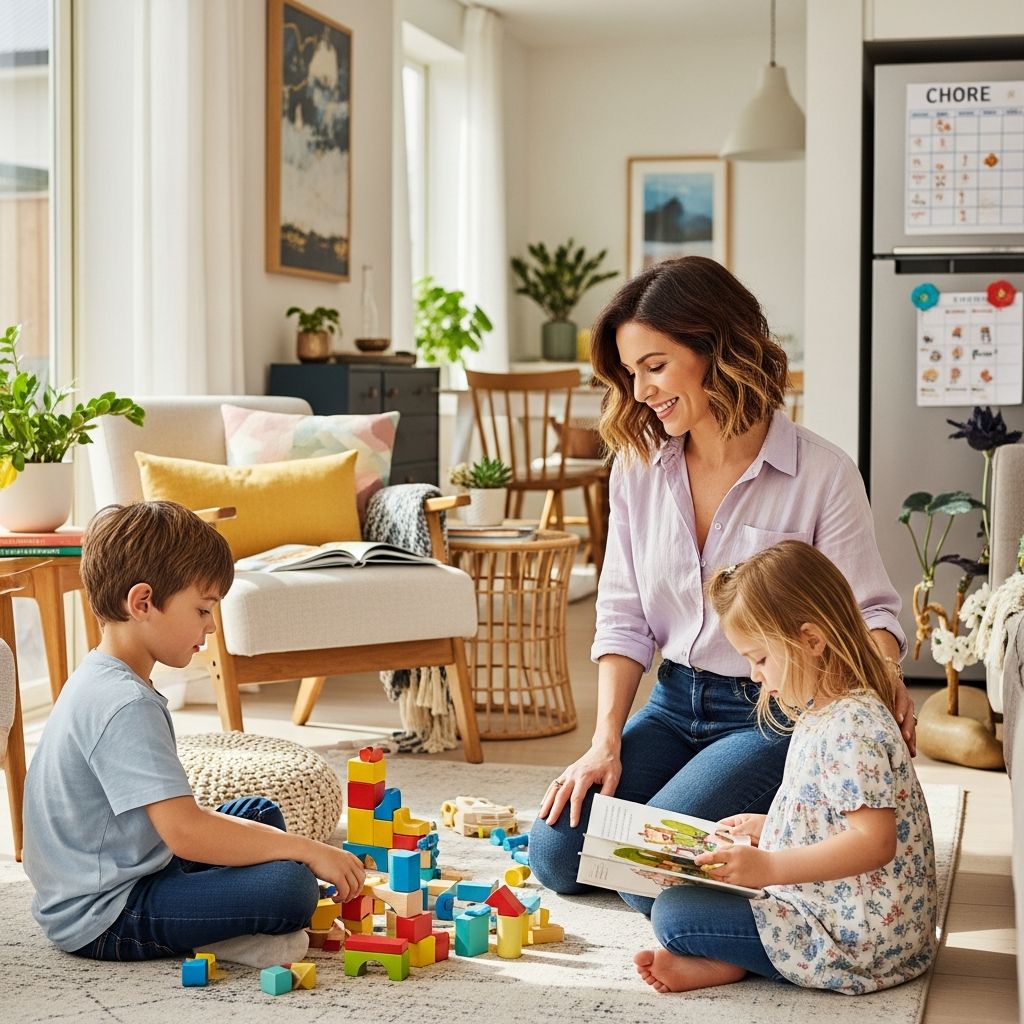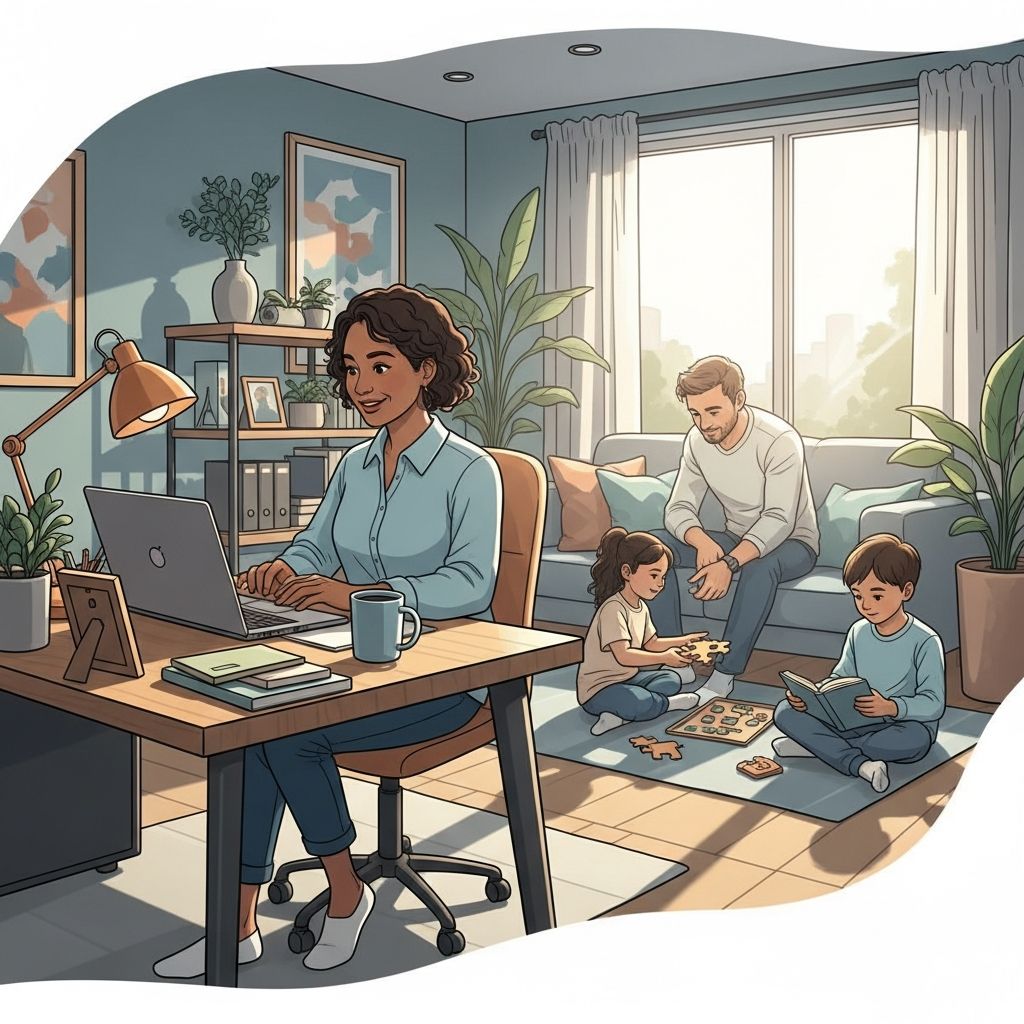
Modern parents are at the forefront of transforming professional landscapes, blending family responsibilities with career ambitions through innovative approaches like flexible scheduling and multiple income streams. This shift addresses longstanding tensions between parenting demands and workplace expectations, fostering environments where both thrive.
The Emergence of Flexible Career Models for Family Life
Parents increasingly adopt hybrid work arrangements, allowing them to alternate between office collaboration and home-based focus, which supports childcare needs while maintaining productivity. Surveys indicate 72% of non-office workers prefer hybrid setups, reducing commute stress and enabling presence for school events or family meals. This model not only cuts turnover—46% would quit over full office mandates—but also aligns with child-rearing by offering customizable hours.
Employers responding to this trend invest in office incentives like flexible hours and development programs, with 53% of companies providing such perks to encourage balanced participation. For parents, this means attending to a toddler’s morning routine without sacrificing team meetings, creating a seamless integration of roles.
Polyworking: Juggling Multiple Roles as a Parental Strategy
Polyworking, where individuals manage two or more jobs or gigs, has surged among parents seeking financial security and flexibility. Nearly half of U.S. workers (47%) engage in this practice, driven by needs like covering living expenses (68%), achieving independence (47%), and debt repayment (46%). Parents particularly benefit, using side hustles to fund family goals or provide safety nets amid job insecurity.
Among workers, 72% either have or consider side gigs, with 37% actively juggling them for skill-building or extra income. Gen Z parents lead here, with 26% eyeing influencer paths that fit around family schedules. This approach empowers parents to diversify income, turning potential burnout into empowered multitasking.
- Financial padding: Extra earnings cover childcare or education costs without relying solely on a primary salary.
- Skill diversification: New gigs build resumes while accommodating school pickups.
- Security buffer: Multiple streams mitigate layoff risks in volatile markets.
Wellness Priorities: Safeguarding Parental Mental Health
Parental well-being is paramount in 2026, with 85% of employees holding employers accountable for support that enhances work-life balance. Gallup reports only 33% thrive in overall well-being, linking low scores to high absenteeism—9.4 days per employee annually, the highest in 17 years. Parents face amplified pressures from caregiving, making holistic programs essential.
Trends emphasize menopause support, mental health integration, and financial wellness for parents navigating life stages. Employers offer paid leave for symptoms, specialized care access, and education, while mental health initiatives connect physical health, social ties, and balance via AI-driven personalization and on-demand therapy. Burnout costs globally reach $322 billion yearly through turnover and lost productivity, underscoring the economic imperative.
| Wellness Area | Parental Benefits | Employer Strategies |
|---|---|---|
| Mental Health | Reduced stress from family demands | AI needs assessment, digital therapy |
| Financial Wellness | Debt relief, family savings | Stipends, planning tools |
| Physical Health | Energy for parenting | Preventive care rewards, flexible PTO |
Hybrid Offices Tailored for Family-Friendly Workspaces
Workplace designs evolve to hybrid-by-design, featuring zones for collaboration and quiet focus that shift daily. Parents appreciate ‘soft retirement’ spaces for phased career wind-downs, preserving expertise for mentoring while prioritizing family. These ecosystems connect tools, networks, and spaces across home, office, and virtual realms, ensuring seamless experiences.
Despite 85% receiving after-hours messages monthly and 60% weekly, with many responding out of fear, parents push for boundaries. Employers counter with recognition for logging off and using PTO, combating the 74% who worked while sick.
Side Hustles as Parental Empowerment Tools
Side hustles address unmet needs: 48% for financial goals, 44% for essentials, 37% for growth. Parents leverage evenings or weekends for gigs like freelancing or content creation, aligning with family rhythms. SHRM dubs 2026 the year of the ‘polyworker,’ reflecting economic pressures like inflation and stagnant wages.
This isn’t mere survival; it’s strategic. Parents build portfolios, test passions, and secure futures, with employers wise to offer incentives like wellness stipends instead of prohibitions.
Employer Adaptations to Support Working Parents
Companies prioritize well-being programs as competitive edges, integrating resources for cohesive experiences. Amid contradictions—78% claim healthy balance yet 65% see personal sacrifice as necessary—transparent communication and flexible rewards retain talent.
AI optimizes workflows, freeing managers for empathetic leadership, while human-centric skills like coaching rise. Parents benefit from reduced admin burdens, focusing on family impacts.
Challenges and Opportunities in Parental Work Evolution
Paradoxes persist: ambition versus rest, growth versus security. Yet parents model solutions, demanding value through support. Organizations adapting with incentives turn challenges into loyalty drivers.
Rising healthcare costs and AI shifts demand resilient policies, but inclusive designs yield productivity gains.
Frequently Asked Questions
What is polyworking and how does it help parents?
Polyworking involves multiple jobs or gigs for income diversity and flexibility, aiding parents by funding family needs and providing job security buffers.
Why do parents prefer hybrid work models?
Hybrid setups offer 72% preference for balancing office perks with home family time, avoiding full remote isolation or office mandates.
How can employers support parental wellness?
Through holistic programs covering mental health, financial aid, and flexible options like menopause leave and PTO rewards.
Are side hustles common among working parents?
Yes, 72% have or consider them, motivated by finances and skills, fitting parental schedules.
What workplace trends aid work-life harmony?
Hybrid designs, well-being investments, and boundary-respecting cultures reduce burnout and boost retention.
References
- 2026 Workplace Culture Trends Every Employer Needs to Know — Gift Card Partners. 2025. https://www.giftcardpartners.com/blog/workplace-culture-trends-employers-need-to-know
- 10 Future of Work Trends to Keep an Eye on in 2026 — CAKE.com. 2025. https://cake.com/blog/future-of-work-trends/
- 26 Workplace Design Trends and Ideas for 2026 — RI Workplace. 2025. https://riworkplace.com/26-workplace-design-trends-and-ideas-for-2026/
- 2026 Workplace Wellness Trends You Need To Know — WebMD Health Services. 2025. https://www.webmdhealthservices.com/blog/2026-workplace-wellness-trends-you-need-to-know/
- 7 Workplace Trends That Will Define 2026 — Angott Search Group. 2025. https://asgteam.com/7-workplace-trends-that-will-define-2026/
- The Top Work Trends to Watch out for in 2026 — The HRBP Story. 2026-01-13. https://thehrbpstory.com/2026/01/13/the-top-work-trends-to-watch-out-for-in-2026/