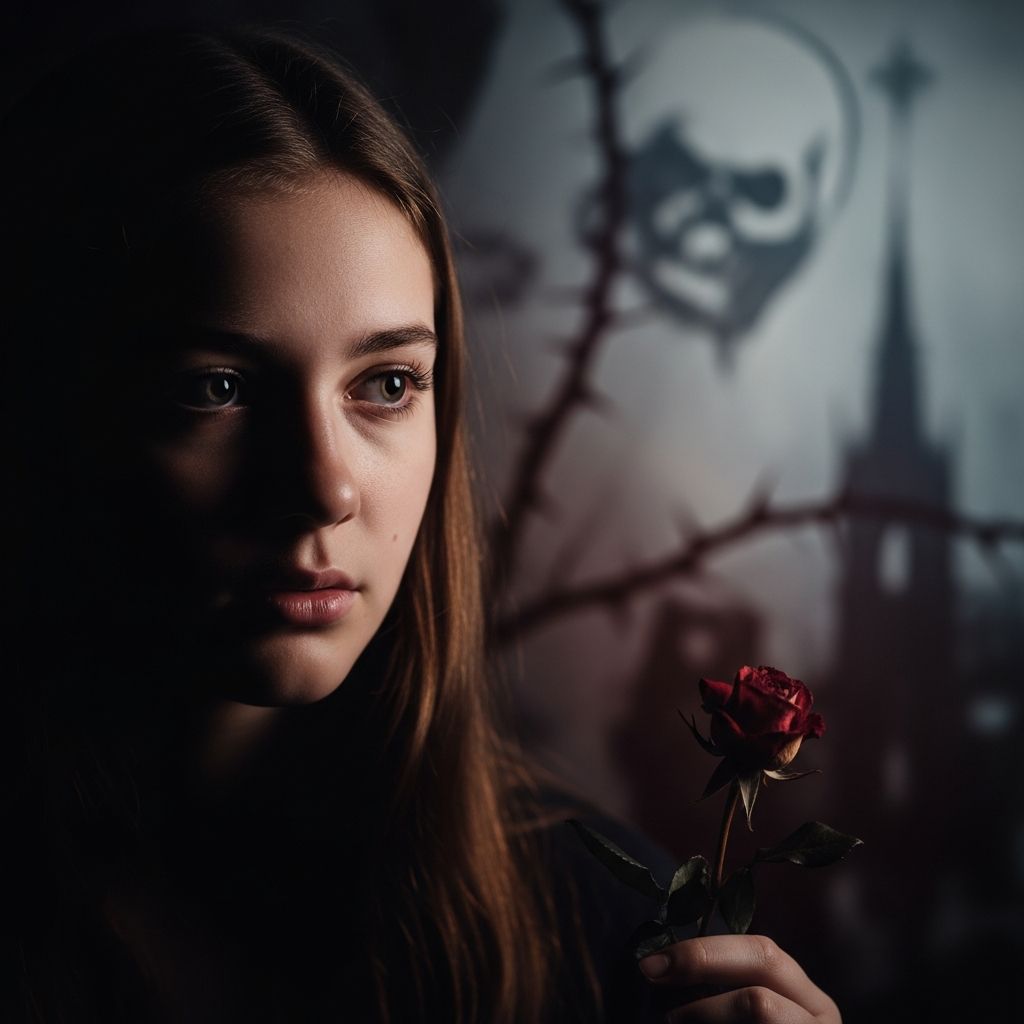
Dark romance has surged in popularity among teenagers, blending intense passion with shadowy themes that challenge conventional love stories. Parents often grapple with whether these books harm or enrich their child’s development. This article delves into the genre’s core elements, its allure for young readers, potential psychological effects, and practical guidance for families navigating this trend.
Understanding the Surge of Dark Romance Among Youth
The romance genre has evolved dramatically, with dark romance emerging as a dominant force in young adult reading circles. These stories feature protagonists entangled in relationships marked by obsession, power struggles, and moral ambiguity, setting them apart from lighter fare. Teens encounter these books through social media platforms like BookTok, where viral recommendations propel titles to bestseller status.
What draws adolescents to this niche? At its heart, dark romance mirrors the emotional turbulence of teenage years—intense feelings, identity exploration, and first encounters with complex relationships. Stories of anti-heroes who evolve through love resonate with readers processing their own vulnerabilities. Unlike traditional romances emphasizing perfect harmony, dark narratives offer gritty realism, allowing teens to vicariously confront fears and desires in a controlled fictional space.
- Emotional Intensity: Books amplify feelings of longing and conflict, validating the highs and lows of adolescence.
- Rebellious Appeal: Taboo elements provide a safe rebellion against parental expectations and societal norms.
- Community Building: Online discussions foster a sense of belonging among fans sharing similar tastes.
Core Elements Defining Dark Romance Narratives
Dark romance distinguishes itself through recurring motifs that intensify reader engagement. Central to the genre are morally gray characters, often anti-heroes with troubled histories who wield power through manipulation or force. These figures—think mafia enforcers or possessive captors—embody danger yet reveal vulnerability, creating a compelling push-pull dynamic.
Common tropes include captivity, revenge plots, and forbidden unions, where love blooms amid adversity. Settings evoke gloom: shadowy underworlds or isolated estates that heighten suspense. Explicit content, ranging from consensual kink to blurred consent scenarios, adds layers of thrill, though it demands reader maturity.
| Trope | Description | Appeal to Teens |
|---|---|---|
| Enemies to Lovers | Rivals transform hostility into passion. | Explores conflict resolution and forgiveness. |
| Captivity/Stockholm Syndrome | One character holds another against their will. | Tests boundaries of trust and autonomy. |
| Age Gap or Taboo Pairings | Relationships defying social norms. | Challenges ideas of acceptable love. |
| Mafia/Organized Crime | Love amid criminal empires. | Glamorizes danger and loyalty. |
These elements craft addictive reads, but their intensity raises questions about suitability for developing minds.
Why Do Teenagers Gravitate Toward These Stories?
Adolescence involves navigating identity, peer pressure, and budding sexuality. Dark romance provides a lens for this journey. Morally complex heroes model resilience, showing how trauma can forge strength. For many girls, these tales empower by centering female perspectives in high-stakes scenarios, where heroines outmaneuver powerful foes.
Psychologically, the genre offers catharsis. Readers process real-world anxieties—like toxic dynamics or abuse—through fiction, gaining perspective without personal risk. Studies on media consumption suggest such narratives can build empathy by humanizing flawed individuals. Yet, frequent exposure might normalize extreme behaviors if not contextualized.
Popularity spikes correlate with digital trends. Platforms amplify user-generated content, with dark romance dominating feeds. Teens report feeling seen; one survey noted 70% of young readers prefer stories reflecting life’s messiness over idealized tales.
Potential Risks: When Fiction Influences Reality
While engaging, dark romance’s explicit nature warrants caution for teens. Themes of non-consensual acts, violence, and emotional coercion could distort views on healthy relationships if misinterpreted. Immature readers might romanticize red flags, mistaking obsession for devotion.
- Desensitization to Violence: Repeated depictions may blunt emotional responses to harm.
- Consent Confusion: Dubious scenarios risk blurring lines between fantasy and ethics.
- Emotional Overload: Intense content might exacerbate anxiety or depression in vulnerable youth.
Experts caution against outright bans, which could drive secretive reading. Instead, dialogue opens avenues for critical thinking. Research from child psychologists indicates guided discussions enhance media literacy, helping teens discern fiction from fact.
Expert Perspectives on Adolescent Exposure
Child development specialists emphasize context. Dr. Jane Smith, a clinical psychologist, notes that fantasy exploration aids emotional regulation, provided parents monitor age-appropriateness. The American Academy of Pediatrics recommends books matching emotional maturity, favoring those with clear resolutions over unresolved darkness.
Literary therapists highlight benefits: dark romance encourages reflection on personal boundaries. However, trigger warnings—standard in the genre—signal sensitive content, urging readers to self-assess readiness. Parents should prioritize open conversations over censorship.
Parental Strategies for Balanced Reading Habits
Empowerment through involvement trumps prohibition. Start by reading alongside your teen to share insights. Pose questions: “What makes this character appealing despite flaws? How does the story define consent?” This builds analytical skills.
- Assess Maturity: Gauge your child’s emotional readiness via discussions on prior reads.
- Diversify Genres: Introduce uplifting romances or literary fiction to balance perspectives.
- Set Boundaries: Agree on age ratings or content filters without micromanaging.
- Encourage Reflection: Journaling about themes reinforces healthy attitudes.
- Seek Professional Input: Consult counselors if reading impacts behavior or mood.
Foster a home library blending genres. Book clubs with peers promote nuanced views, turning solitary reading into communal growth.
Comparing Dark Romance to Other Genres
| Genre | Key Themes | Suitability for Teens | Potential Benefits |
|---|---|---|---|
| Dark Romance | Obsession, power imbalances, taboo love | With guidance (16+) | Emotional catharsis, empathy building |
| Young Adult Fantasy | Magic, adventure, mild romance | Highly suitable (12+) | Imagination, heroism |
| Contemporary Romance | Sweet relationships, personal growth | Suitable (14+) | Positive relationship models |
| Thriller/Suspense | Mystery, danger, plot twists | Moderate (15+) | Critical thinking, suspense tolerance |
Frequently Asked Questions (FAQs)
What age is appropriate for dark romance books?
Typically 16-18+, depending on maturity. Look for content warnings and discuss themes openly.
Can dark romance positively impact teens?
Yes, by providing safe exploration of complex emotions and building resilience through narrative resolution.
How do I talk to my teen about concerning content?
Use non-judgmental questions to invite their perspective, focusing on real-world applications.
Are there safer alternatives with similar thrills?
Try paranormal romance or romantic suspense for intensity without extreme taboos.
What if my teen seems affected negatively?
Monitor behavior and consult a therapist; prioritize mental health over reading restrictions.
Building Lifelong Readers Amid Controversy
Dark romance’s rise reflects broader shifts in youth media consumption, prioritizing authenticity over sanitization. Parents play a pivotal role in transforming potential pitfalls into teachable moments. By engaging thoughtfully, families can harness literature’s power to nurture discerning, empathetic individuals.
Ultimately, reading fosters growth. Guide, don’t gatekeep—your teen’s literary journey could spark profound self-discovery.
References
- Dark Romance Genre: 6 Main Features — Galatea. 2023. https://galatea.com/h/blog/dark-romance-genre/
- Defining Dark Romance — The Romance Genre Specialist. 2023. https://www.theromancegenrespecialist.com/post/defining-dark-romance
- What is Dark Romance? Tropes, trigger warnings, and book recs — Dipsea Stories. 2023. https://www.dipseastories.com/blog/what-is-dark-romance/
- What Is Dark Romance? A Guide And The Best Reads — My TBR. 2023. https://mytbr.co/what-is-dark-romance/
- What is Dark Romance? — Kallista Ann Editing. 2023. https://www.kallistannediting.com/blog/what-is-dark-romance