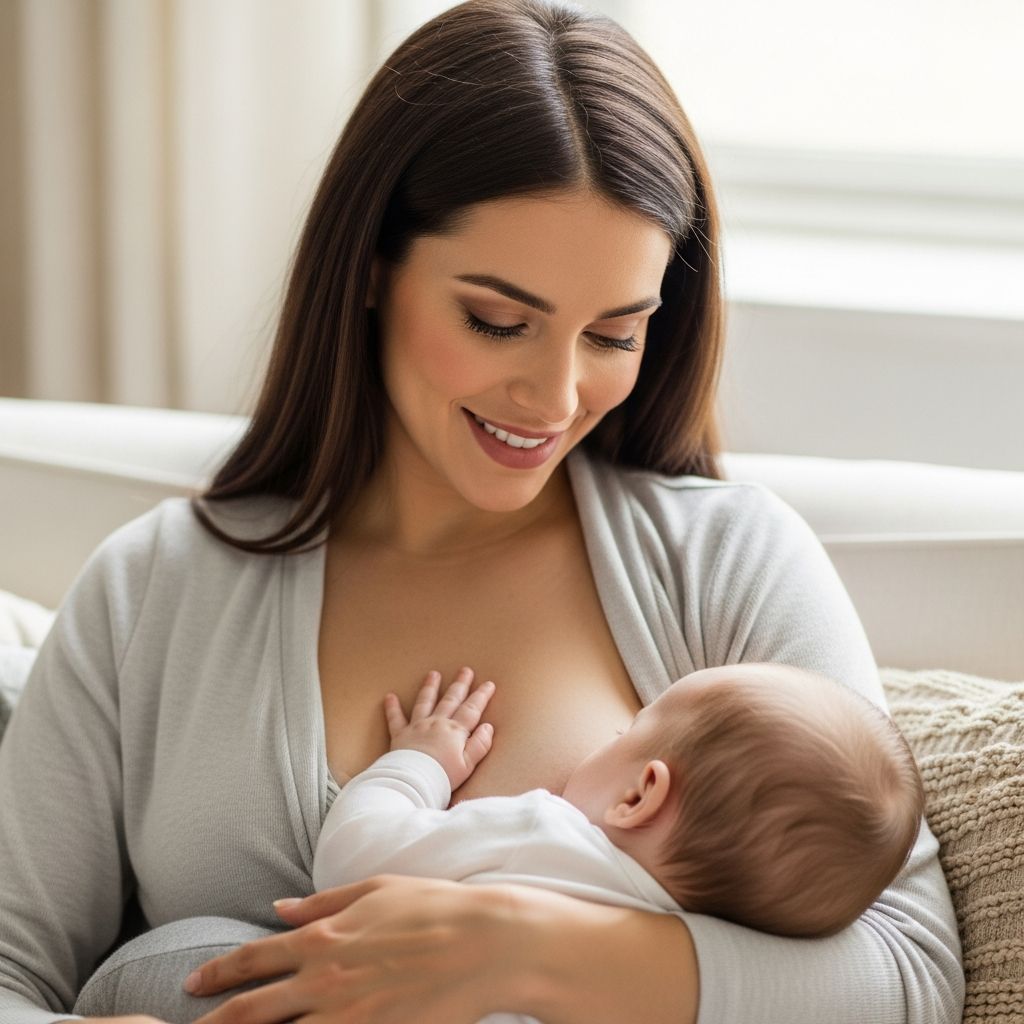
Welcoming a child into the world marks the beginning of an extraordinary journey filled with joy, challenges, and profound love. One powerful way to document this adventure is by composing personal letters to your little one. These writings serve as more than mere notes; they become enduring treasures that convey your deepest emotions, impart essential wisdom, and weave a narrative of family history that your child can revisit throughout life.
Why Letters Create Unbreakable Bonds
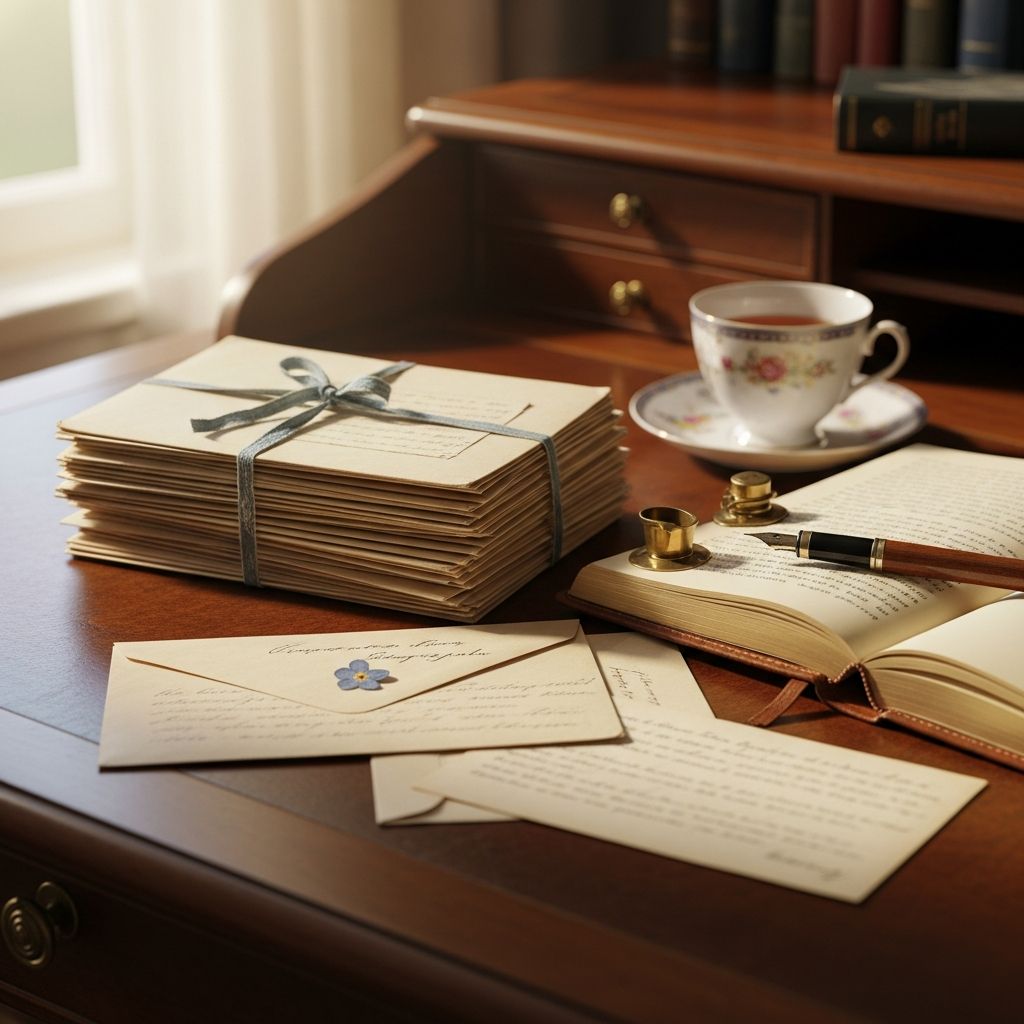
Letters offer a unique opportunity to express the inexpressible. In the quiet moments of pregnancy or those first sleepless nights, putting pen to paper allows parents to articulate the overwhelming affection that words spoken aloud often fail to capture. Unlike digital messages that fade into the ether, handwritten letters carry a tangible warmth—a scent of the paper, the curve of your handwriting—that makes the connection feel immediate and alive.
Psychological studies highlight how such personal artifacts strengthen attachment. For instance, children who receive letters from parents report higher feelings of security and self-worth, as these missives reinforce a sense of being truly seen and valued. This practice not only nurtures the parent-child relationship but also models vulnerability and communication skills for the future.
Choosing the Perfect Moment to Begin
The beauty of letter-writing lies in its flexibility. Some parents start during pregnancy, imagining the child’s features and personality based on ultrasounds and kicks. Others wait until after birth, inspired by tiny fingers grasping theirs or the first cry echoing in the delivery room. There’s no wrong time; the key is consistency.
- Pregnancy phase: Ideal for dreaming big about the future and sharing your excitement.
- Newborn days: Capture raw, unfiltered emotions from the early bonding period.
- Milestone moments: Write around birthdays, first steps, or school starts to mark growth.
- Challenging times: Offer encouragement during illnesses, moves, or family changes.
Consider sealing letters in a dedicated box or journal, to be opened at specific ages like 18 or upon marriage. This anticipation builds excitement and turns the letters into a rite of passage.
Essential Elements of a Heartfelt Letter
A compelling letter balances emotion, storytelling, and guidance. Begin with the sensory details of the moment: the rain pattering outside, the lullaby you’re humming, or the way your child’s laughter lights up the room. This grounds the reader in your shared history.
Next, delve into your feelings. Be honest about fears, hopes, and joys. Share anecdotes from your own childhood that shaped you, explaining how they influence your parenting. End with forward-looking advice tailored to life’s inevitable hurdles.
| Letter Component | Purpose | Example Phrase |
|---|---|---|
| Opening Salutation | Sets intimate tone | “My dearest [Child’s Name],” |
| Current Reflections | Captures the now | “Today, as you giggle at your toes…” |
| Personal Stories | Builds heritage | “Like my grandmother, who taught me resilience…” |
| Life Lessons | Imparts wisdom | “Embrace failures as teachers…” |
| Closing Affirmation | Reaffirms love | “Forever your biggest supporter” |
Overcoming Common Writing Hurdles
Many parents hesitate, fearing their words won’t measure up or that perfection is required. Remember, authenticity trumps eloquence. Your child craves your genuine voice, not polished prose. If writer’s block strikes:
- Freewrite without editing for 10 minutes daily.
- Use prompts like “What I wish I knew at your age” or “My proudest moment with you.”
- Record voice memos and transcribe them later for a natural flow.
For busy schedules, integrate writing into routines—bath time reflections or bedtime thoughts. Over time, this habit transforms fleeting ideas into a rich archive.
The Long-Term Impact on Family Dynamics
As children grow, these letters evolve from curiosities to lifelines. Teens navigating identity crises may find solace in your words of unconditional acceptance. Adults facing parenthood themselves can draw inspiration from your vulnerabilities shared decades prior. This cyclical exchange fosters generational empathy, turning individual stories into a collective legacy.
Imagine your grandchild reading your letter, connecting dots across time. Such traditions combat the ephemerality of modern life, preserving voices that might otherwise fade.
Creative Variations to Personalize Your Letters
Elevate the tradition with innovative twists:
- Multimedia envelopes: Include pressed flowers, baby hair locks, or ultrasound photos.
- Collaborative efforts: Have siblings or partners contribute sections.
- Themed series: One letter per season, holiday, or life stage.
- Future predictions: Guess their favorite color or hobby, revealing with humor how wrong (or right) you were.
Digital-savvy parents might pair physical letters with password-protected online vaults for photos and videos, blending old-world charm with tech convenience.
Real Parent Stories: Inspiration from the Trenches
Countless families have reaped the rewards. One mother recounts writing monthly letters during her first year of motherhood, later gifting the bundle on her daughter’s 16th birthday. The teen, amid typical angst, found validation in pages detailing her mother’s parallel struggles. Another father, separated by work travels, mailed letters that bridged distances, ensuring his presence endured.
These narratives underscore a universal truth: letters heal, inspire, and unite, regardless of circumstance.
Frequently Asked Questions (FAQs)
What if my child never reads the letters?
Even if they gather dust initially, life events often prompt rediscovery. Their existence alone honors your commitment to the relationship.
How often should I write?
Aim for quarterly or at milestones, but quality over quantity ensures sustainability.
Can letters address tough topics like divorce or loss?
Yes, with age-appropriate honesty. Frame them as shared journeys toward growth.
What supplies do I need?
Simple stationery, quality pens, and an archival box suffice. Avoid acidic papers for longevity.
Should I share letters early or save them?
Both work; early sharing builds bonds, while saving creates magical reveals.
Building a Legacy That Echoes Through Time
Letter-writing to your child is an act of profound generosity—a gift of self that outlives the sender. It encapsulates the essence of parenting: guiding without controlling, loving without limits. As you embark on this practice, embrace imperfections; they humanize the message. Your words, born of pure intent, will resonate eternally, shaping a resilient, loved individual ready to face the world.
In a fast-paced era dominated by texts and emojis, reclaim the art of the letter. It’s a small ritual with monumental returns, ensuring your voice whispers through generations.
References
- Attachment in the Making: Letters as Tools for Emotional Security — American Psychological Association. 2023-05-15. https://www.apa.org/pubs/journals/releases/dev-dev0001523.pdf
- Family Narratives and Intergenerational Transmission of Resilience — Journal of Family Psychology (APA). 2024-02-10. https://psycnet.apa.org/doiLanding?doi=10.1037%2Ffam0001125
- Preserving Family Histories: Archival Practices for Personal Documents — Library of Congress. 2022-11-08. https://www.loc.gov/preservation/care/documents.html
- Longitudinal Study on Parental Communication and Child Well-Being — National Institute of Child Health and Human Development (NICHD). 2025-01-20. https://www.nichd.nih.gov/publications/pubs/documents/parent_comm_study_2025.pdf
- The Role of Written Correspondence in Family Bonding — Harvard Graduate School of Education. 2023-09-12. https://www.gse.harvard.edu/ideas/usable-knowledge/23/09/written-words-family-bonds