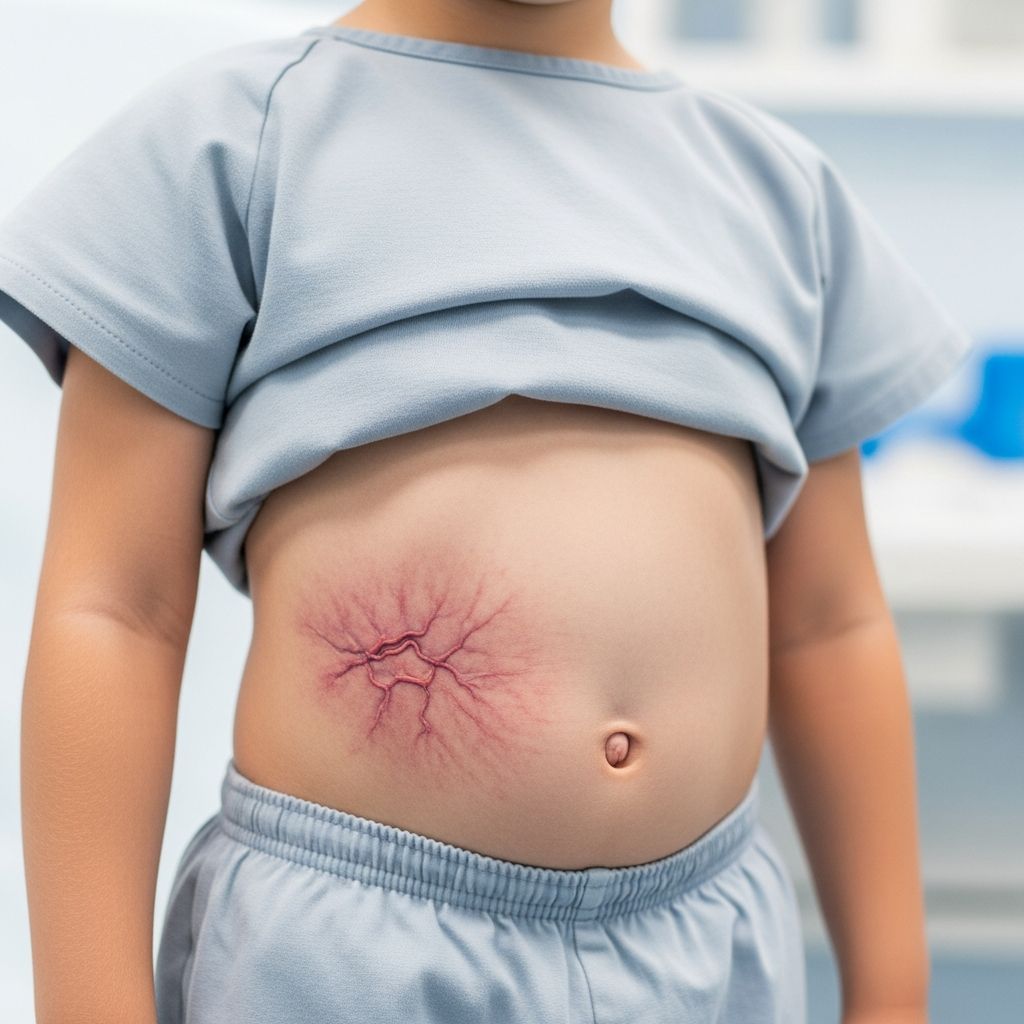
Spending time outside, hanging with friends, and playing sports often means one thing: bug bites and stings. Most are annoying but harmless. Still, it helps to know what bit you, how to treat it, and when it could be something serious.
This guide walks you through common bites and stings, how to calm the itch, and what warning signs mean it is time to get medical help.
What Happens When a Bug Bites or Stings You?
When a bug bites or stings, it usually:
- Makes a tiny hole in your skin
- Releases saliva or venom into your body
- Triggers your immune system to react, causing redness, swelling, and itching
For most people, this reaction stays small and fades on its own in a few hours to a few days.
Common Bug Bites and What They Look Like
There are many biting and stinging creatures, but a few are especially common for teens who spend time outdoors or around pets.
Mosquito Bites
Mosquitoes are probably the most familiar biters.
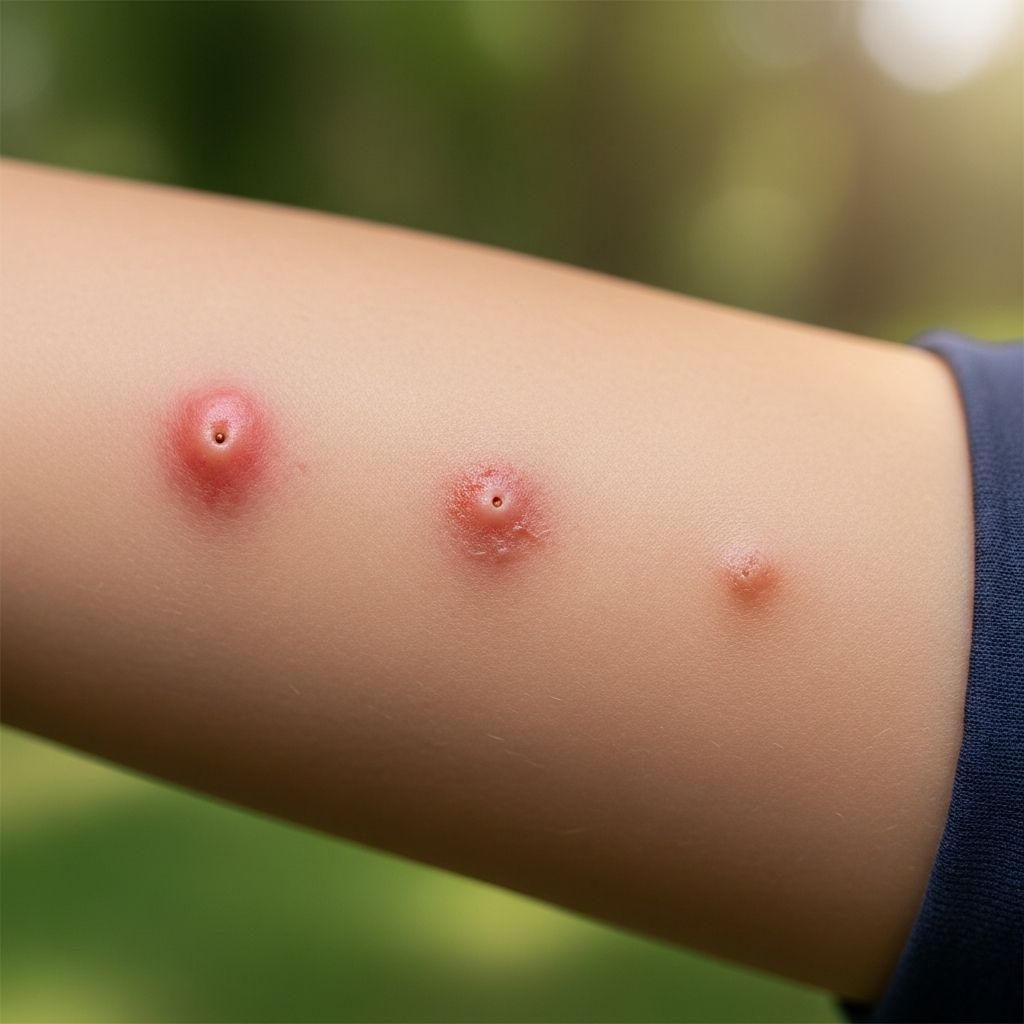
- Look: Small, raised, red or pink bumps; sometimes puffy with a tiny dot in the center
- Feel: Itchy, sometimes intensely itchy, especially in the evening
- Where: Any exposed skin — arms, legs, ankles, neck, face
Most mosquito bites are harmless, but in some parts of the world they can spread diseases such as West Nile virus, dengue, or malaria.
Flea Bites
Fleas usually come from pets or wildlife but can also appear in carpets and bedding.
- Look: Tiny red spots with a lighter halo around them
- Pattern: Often in groups or lines on the lower legs and feet
- Feel: Very itchy, sometimes more than they look like they would
Bedbug Bites
Bedbugs hide in mattresses, bed frames, and furniture and feed at night.
- Look: Small, red, swollen bumps with darker centers
- Pattern: Often appear in a straight line or tight cluster on exposed skin
- Where: Arms, hands, neck, shoulders, and feet are common
Tick Bites
Ticks attach and hang on to your skin while they feed on blood.
- Look: Small red bump at first; the tick may still be attached
- Feel: Usually painless, maybe mildly itchy
- Where: Scalp, behind ears, armpits, waistline, groin, backs of knees
Some ticks can spread illnesses like Lyme disease or Rocky Mountain spotted fever, so removing them correctly and watching for symptoms is important.
Bee, Wasp, and Hornet Stings
These stings are more likely to be painful than itchy at first.
- Look: Raised, red, swollen area; often a tiny puncture mark in the center
- Feel: Sharp pain followed by burning or throbbing; may itch later
- Extra: Honeybees usually leave a barbed stinger in your skin; wasps and hornets do not and can sting more than once
Spider Bites
Most spiders do not bite humans, and the ones that do usually cause mild reactions.
- Look: Red area with a small bump in the center; may form a blister
- Feel: Mild pain or burning, sometimes itching
- Rarely: Serious spiders (like black widows or brown recluses) can cause stronger symptoms, such as severe pain, muscle cramps, or spreading skin damage.
Quick Comparison Table
| Type of Bite/Sting | Typical Look | Key Feeling | Usual Body Area |
|---|---|---|---|
| Mosquito | Small, puffy red bump | Itchy | Any exposed skin |
| Flea | Tiny red spots with halo, often grouped | Intensely itchy | Lower legs, ankles, feet |
| Bedbug | Small red bumps with dark centers | Itchy | Exposed skin while sleeping |
| Tick | Small red bump; tick may be attached | Usually mild or no pain | Scalp, folds, waistline |
| Bee/wasp | Raised, swollen, red area | Sharp pain then burning/itching | Any area that was stung |
| Spider | Red bump, sometimes blister | Mild pain or burning | Any exposed skin |
Safe First Aid for Most Bites and Stings
Many mild reactions can be treated at home. Basic first aid steps recommended by major medical centers include:
- Move away from the area so you are not bitten or stung again.
- Wash the spot gently with soap and cool or lukewarm water.
- Apply a cold pack or cool, damp cloth for 10–20 minutes at a time to reduce pain and swelling.
- Use an over-the-counter anti-itch cream such as hydrocortisone, or an oral antihistamine if needed, following package directions.
- Keep the skin clean and dry; avoid tight clothing over the area.
Important: Always follow the instructions on any medicine label and ask a parent, guardian, or healthcare provider if you are unsure what is safe for you.
Removing a Bee Stinger
If a honeybee stinger is stuck in your skin:
- Try to remove it quickly by scraping it out with the edge of a credit card or a firm fingernail.
- Avoid pinching the stinger with tweezers if possible, because squeezing may push in more venom.
- After the stinger is out, wash the area and apply a cold pack.
Removing a Tick
Removing ticks the right way lowers the chance of disease.
- Use fine-tipped tweezers.
- Grab the tick as close to your skin as you can.
- Pull upward steadily without twisting or jerking.
- Do not crush the tick with your fingers.
- After removal, wash your hands and the bite area with soap and water or an alcohol-based cleaner.
You can save the tick in a plastic bag or container if your doctor recommends it for identification, but testing the tick usually does not change how doctors manage the bite.
How to Calm Itching, Swelling, and Pain
The worst part of most bites and stings is how they feel. These strategies may help you feel better:
- Cold compresses: Reduce swelling and numb the area.
- Topical hydrocortisone cream: Can ease itching and redness when used as directed.
- Oral antihistamines: Help with allergic itching, especially at night.
- Pain relievers: Over-the-counter options like acetaminophen or ibuprofen can help with pain; follow label instructions and ask a trusted adult.
- Loose clothing: Prevents rubbing and further irritation.
Try to avoid scratching. Scratching can break the skin, allowing bacteria in and leading to infection.
Warning Signs: When a Bug Bite Is an Emergency
Most reactions stay small and local, but sometimes the immune system reacts strongly. Get emergency help right away (call your local emergency number) if you notice signs of a severe allergic reaction (anaphylaxis) such as:
- Difficulty breathing, wheezing, or shortness of breath
- Swelling of the lips, tongue, face, or throat
- Feeling like your throat is closing or you cannot swallow
- Dizziness, confusion, or fainting
- Fast heartbeat or a feeling of doom
- Hives or a widespread, raised, itchy rash over large areas of the body
Severe allergic reactions are medical emergencies and need treatment such as epinephrine and monitoring in a hospital.
Other Serious Symptoms You Should Not Ignore
You should also contact a doctor or another healthcare professional if you notice:
- Increasing redness, warmth, or swelling spreading away from the bite after a day or two
- Yellow or green fluid (pus) draining from the area
- Fever, chills, or feeling very unwell
- Red streaks moving up a limb from the bite (possible sign of a spreading infection)
- Severe pain that keeps getting worse instead of better
For tick bites, you should also seek medical advice if you develop:
- A circular or expanding rash, especially one that looks like a bull’s-eye target
- Headache, joint pain, fatigue, or fever days to weeks after the bite
Lowering Your Risk: Smart Bite and Sting Prevention
You cannot avoid every bite or sting, but you can reduce how often they happen.
Clothing and Gear Tips
- Wear long sleeves and long pants in tall grass or wooded areas.
- Choose light-colored clothes so ticks and some bugs are easier to spot.
- Wear socks that cover your ankles; tuck pants into socks in tick-heavy areas.
- Use closed-toe shoes outdoors instead of sandals when hiking or camping.
Using Insect Repellent Safely
Insect repellents with ingredients like DEET, picaridin, or oil of lemon eucalyptus can help prevent mosquito and tick bites when used correctly.
- Follow the directions on the product label exactly.
- Do not spray directly on your face; spray on your hands first, then lightly apply.
- Avoid cuts, scrapes, and irritated skin.
- After coming indoors, wash treated skin with soap and water.
If you have asthma, allergies, or sensitive skin, talk with a healthcare provider before using new repellents.
Protecting Your Home and Pets
- Keep window and door screens in good repair to block flying insects.
- Do not leave standing water (like in buckets or old containers) where mosquitoes can breed.
- Work with an adult to check pets regularly for fleas and ticks and treat them as advised by a veterinarian.
- Wash bedding in hot water if you suspect bedbugs or fleas.
Living With Allergies to Bites and Stings
Some people are more sensitive to bug bites and stings than others. If you already know you have a strong allergy to bee, wasp, or other stings, your doctor may:
- Prescribe an epinephrine auto-injector and teach you how to use it
- Recommend you wear a medical ID bracelet or necklace
- Discuss allergy shots (immunotherapy) in some cases
Make sure friends, family, and coaches know about your allergy and what to do in an emergency.
Frequently Asked Questions (FAQs)
How can I tell if a bite is infected?
A bite or sting might be infected if it gets more painful, more swollen, and more red after the first day instead of slowly improving. Pus, red streaks, or fever are also warning signs that you should contact a healthcare provider.
Is it safe to pop a blister from a bite or sting?
It is better not to pop blisters. The skin over the blister acts like a natural bandage. Popping it can let germs in and raise the risk of infection. If it breaks on its own, gently wash the area and cover it with a clean bandage.
How long do bug bites usually last?
Most mild bites and stings improve a lot within a couple of days and fade completely in about a week, though some mosquito bites can itch for up to 7–10 days. If a bite lasts much longer or keeps getting worse, get medical advice.
Can I be allergic to mosquito bites?
Yes. Some people have stronger reactions known as “skeeter syndrome,” where mosquito bites become very large, red, and swollen. A doctor can help rule out other causes and suggest medicines to help with symptoms.
Should I worry about diseases from bug bites where I live?
The risk depends on your region and which bugs are common there. Ticks and mosquitoes in some areas can spread infections, while in other places they mainly cause itching and irritation. A local doctor, school nurse, or public health department can explain what is common where you live and what precautions are recommended.
References
- Bites, Bumps, and Stings: Common Bug Bites to Be Aware Of — Dermatology Advisor. 2022-05-10. https://www.dermatologyadvisor.com/factsheets/common-bug-bites-to-be-aware-of/
- Identifying Bug Bites and Stings, and How to Treat Them — Healthline. 2023-02-15. https://www.healthline.com/health/bug-bites
- Bug Bites & Stings: Symptoms & Treatment (First Aid) — Cleveland Clinic. 2023-07-27. https://my.clevelandclinic.org/health/diseases/bug-bites
- Insect bites and stings: First aid — Mayo Clinic. 2022-09-01. https://www.mayoclinic.org/first-aid/first-aid-insect-bites/basics/art-20056593
- Bad Bugs Slideshow: Identifying Bugs and Their Bites — WebMD. 2022-06-10. https://www.webmd.com/allergies/ss/slideshow-bad-bugs