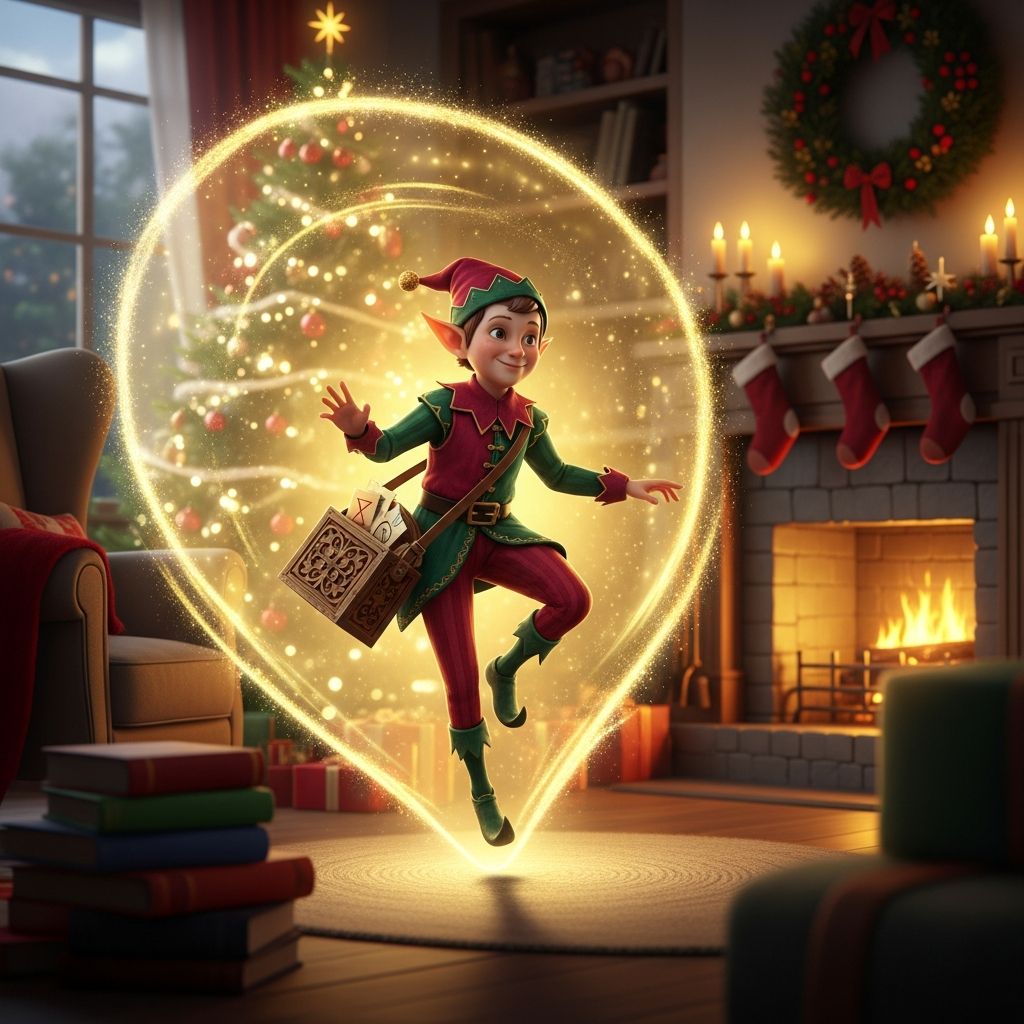
When an Elf on the Shelf makes that first magical appearance, the welcome letter sets the tone for the entire holiday season. A thoughtful note can turn a simple arrival into a cozy new tradition that your kids eagerly look forward to year after year.
This guide walks you through everything you need to create an original, heartwarming Elf welcome letter: what to include, how to keep it positive, and easy ideas you can customize for your own family. You do not need to be a poet or a Pinterest pro—just a parent or caregiver who wants to sprinkle in a little Christmas wonder.
Why a Welcome Letter Matters
The letter that comes with your elf does more than say hello. It explains the elf’s role, introduces the character, and helps kids understand what this little visitor means for your home during the holidays.
- Creates instant magic: A letter makes your elf feel like a real guest arriving from a faraway, snowy world.
- Sets expectations: You can gently mention any guidelines (like not touching the elf, if you choose) and the kind of behavior you want to encourage.
- Starts a story: The letter is the first chapter in your family’s “elf story,” which you can build on each year.
Types of Elf Welcome Letters
Not every elf visit is the same. Choosing which kind of letter fits your family helps you write something that feels natural and not forced. Consider the stage of your tradition: first-time arrival, yearly return, or a themed visit.
| Letter Type | When to Use | Main Purpose |
|---|---|---|
| First-Time Introduction | When your elf visits your home for the very first year | Introduce the elf, explain the tradition, and build excitement |
| Returning Elf Letter | For second year and beyond | Celebrate coming back, reference past memories, and refresh expectations |
| Themed or Special Mission | Any year you want a unique twist | Highlight a special “mission” (kindness, reading, gratitude, etc.) |
| Sibling or New Baby Update | When your family has grown | Welcome new siblings into the magic and adjust traditions if needed |
Key Ingredients of a Great Elf Welcome Letter
A successful elf letter is simple, joyful, and easy for kids to understand. Think of it as a friendly holiday note, not a formal announcement or a behavior contract. Focus on warmth and wonder instead of pressure.
- Elf’s name and personality: Give the elf a clear voice—silly, sweet, calm, or playful.
- Where they came from: Mention the North Pole, Santa, or a snowy workshop in a light, imaginative way.
- Why they’re here: Watching for kindness, sharing fun, joining family traditions, or simply spreading cheer.
- Simple guidelines: Any “rules” should feel gentle and positive, not threatening or scary.
- A note of encouragement: Praise the child’s good qualities and invite them to help make the season special.
Choosing a Tone That Fits Your Family
Every household is different. Some parents want the elf to be playful and goofy, others want a calm and cozy presence, and some like a more traditional, storybook feel. Your letter should sound like the kind of magic that feels right in your home.
- Playful tone: Great for kids who love jokes, rhymes, and silly scenarios.
- Gentle tone: Ideal for younger children or sensitive kids who might feel anxious about “being watched.”
- Storybook tone: Fun for families who enjoy fairy-tale style language and rich imagination.
Keeping the Message Positive, Not Stressful
It is tempting to let the elf become a tool for discipline, but that can quickly drain the fun out of the tradition. Instead of focusing on threats about losing gifts, highlight the joy of kindness and the elf’s role as a cheerful holiday friend.
- Avoid long lists of “don’ts.”
- Emphasize qualities like sharing, helping, and being gentle with siblings.
- Make the elf feel like a supporter, not a spy who is waiting for kids to mess up.
Step-by-Step: How to Structure Your Elf Letter
If staring at a blank page feels overwhelming, use a simple structure. You can adapt this framework to any type of letter, from first-time introductions to repeat visits.
- Greeting: A warm hello using the child’s name.
- Introduction: The elf says who they are and where they came from.
- Purpose: A brief explanation of why they are visiting.
- Expectations: A simple, kind explanation of what will happen (moving locations, watching for kindness, etc.).
- Encouragement: A few sentences noticing good behaviors or qualities the child already has.
- Sign-off: A cheerful closing with the elf’s name.
Example Phrases You Can Adapt
Below are ideas and wording patterns you can personalize. Do not copy them word for word—use them as creative sparks to build your own original sentences.
- For an introduction: “I have been waiting all year to visit your cozy home.”
- For expectations: “Each night I’ll tiptoe away, and each morning you’ll find me in a new hiding place.”
- For encouragement: “I’ve heard wonderful things about how you share and help others.”
- For sign-off: “With jingling joy, your new North Pole friend.”
Mix and match this kind of phrasing with your own voice. The more personal it sounds, the more magical it will feel to your kids.
Ideas for Different Elf Letter Scenarios
Not every family has the same starting point. Use these scenario ideas to shape your letter around what is happening in your home this year.
1. First Year Elf Arrival
When your elf is brand new, children may not know what to expect. Keep the message simple and reassuring. Focus on building curiosity about each morning’s surprise rather than on complicated rules.
- Explain who the elf is in one or two short lines.
- Mention that the elf loves seeing smiles, kindness, and teamwork.
- Describe one or two fun things your elf might do (hide, read, sit near the tree, etc.).
2. Returning Elf with Memories
When an elf comes back in future years, the letter can include small callbacks to previous seasons. This helps kids feel like the elf has truly been part of the family story.
- Refer to a funny incident from last year.
- Notice how much the child has grown or learned since the last visit.
- Keep the structure similar each year so the letter itself becomes a tradition.
3. Themed Elf Missions
Some parents enjoy giving their elf a specific “mission” for the season. This can help nudge kids toward particular habits in a gentle, playful way.
- Kindness mission: The elf notices daily acts of kindness and occasionally leaves tiny notes praising them.
- Reading mission: The elf appears with books and “recommends” cozy reading time together.
- Gratitude mission: The elf encourages kids to say or write one thing they are thankful for each day.
Making the Letter Feel Special
Words are the heart of your letter, but presentation makes kids’ eyes light up. You do not need fancy supplies; a few small touches can transform a simple note into something they will want to keep forever.
- Use colored pens or markers in holiday shades.
- Draw tiny snowflakes, stars, or candy canes in the margins.
- Roll the letter like a scroll and tie it with ribbon or twine.
- Place the note with a small prop, like a mug of cocoa mix or a mini ornament.
Where and How to Present the Letter
The moment your children discover the elf and the letter can be as magical as Christmas morning itself. Think about where your kids naturally go first and how surprised you want them to feel.
- By the front door, as if the elf just arrived from a long journey.
- Near the holiday tree or mantel, surrounded by decorations.
- At the breakfast table, leaning against a cereal bowl or cup.
- Inside a “December box” with pajamas, a book, and the welcome letter on top.
Balancing Magic with Practicality
Elf traditions can be delightful, but they can also become overwhelming if parents feel pressure to stage elaborate scenes every night. Your welcome letter can quietly protect your sanity by setting clear but gentle expectations.
- Mention that sometimes the elf moves and sometimes they like to stay cozy in the same spot.
- Hint that the elf loves simple things, like reading nearby or sitting next to a favorite toy.
- Skip any promises that require daily crafts or complex setups.
Simple Template Outlines You Can Customize
Here are flexible outline ideas you can fill with your own wording. Use them as inspiration to create a letter in your own voice, tailored to your child and your elf’s personality.
Short and Sweet Outline
- Greeting using children’s names.
- One line about coming from Santa or the North Pole.
- One line about why the elf is visiting.
- One line explaining that the elf will move (or not) during the night.
- One line encouraging kindness or helpfulness.
- Brief sign-off with the elf’s name.
Story-Style Outline
- Greeting that sounds like the start of a story (“Once upon a snowy night…” style, but in your own words).
- A short description of the elf’s life before arriving at your home.
- A moment where Santa (or a head elf) chooses your family for a special visit.
- Explanation of what the elf will be doing while staying with you.
- A warm paragraph celebrating the child’s good qualities.
- Closing line hinting at all the surprises to come.
Common Mistakes to Avoid
Parents sometimes discover too late that their first letter accidentally created more stress than fun. These common pitfalls are easy to avoid when you plan ahead.
- Overcomplicating rules: Long lists of instructions can confuse young children.
- Using fear as motivation: Threats tied to gifts or Santa’s approval can make kids anxious.
- Promising too much: Daily elaborate stunts are hard to sustain; keep the plan manageable.
- Writing a letter that is too long: Shorter notes are easier for kids to follow and remember.
Frequently Asked Questions
How long should an Elf on the Shelf welcome letter be?
For most families, a half-page to one full page is plenty. It should be long enough to introduce the elf and set expectations, but short enough that young children can listen without losing interest.
Do I have to mention that the elf reports to Santa?
No. Some families enjoy this aspect of the tradition, while others prefer to focus on fun and kindness instead of constant “reporting.” If that idea feels too intense for your child, you can skip it completely or mention it lightly in a positive way.
What if my child accidentally touches the elf?
Your letter can include a gentle plan for this. For example, you might say that if the elf is touched, the family can sing a song, write a kind note, or sprinkle a little “Christmas cheer” (like a drawing or a heart-shaped paper) nearby to help the magic come back.
Can siblings share the same elf letter?
Yes. You can address the letter to all children at once and include lines recognizing each child’s unique qualities. If there is a big age gap, keep the writing simple enough that the youngest can enjoy it while still making older kids feel seen.
When is the best day for the elf to arrive?
Many families choose late November or the beginning of December, but there is no strict rule. Pick a date that fits your schedule and energy level—your kids will remember the magic, not the exact day on the calendar.
Making the Tradition Your Own
The most important thing about your elf welcome letter is that it feels like it belongs in your family. Use your own humor, your own phrases, and your own understanding of what delights your children. Over time, you may find that the letter itself becomes a keepsake that your kids want to reread year after year.
Whether your elf is silly, shy, clever, or cuddly (at least in spirit), the right words can invite your child into a season filled with warmth, imagination, and simple moments of joy. Start with a gentle greeting, add a sprinkle of magic, and let your family’s story do the rest.