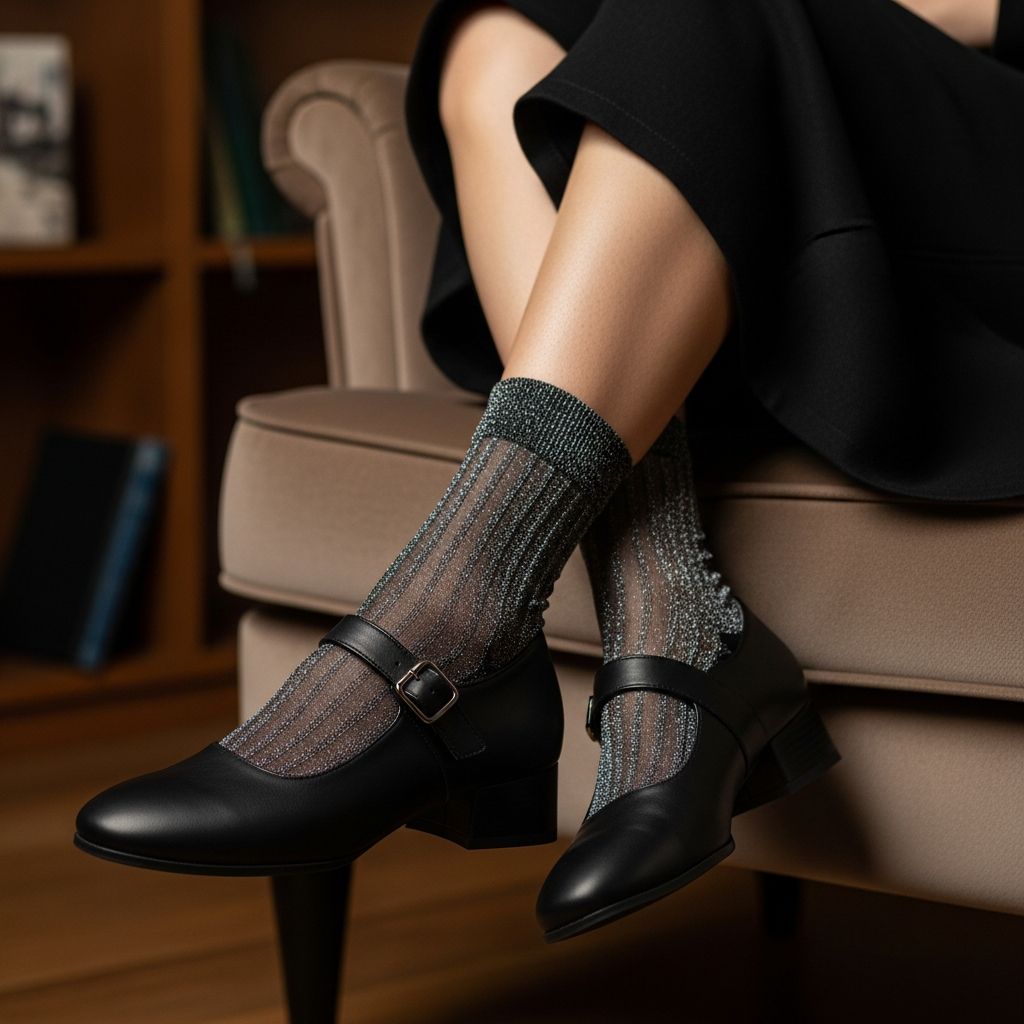
Casual Mary Janes are the shoe equivalent of comfort food: familiar, easy, and just dressy enough to feel intentional. But one question always ruins the mood: what on earth do you do about socks? Go barefoot and risk blisters and shoe funk, or wear socks and pretend the strange ankle gap is a deliberate fashion statement?
This guide breaks down how to wear casual Mary Janes with confidence and comfort, especially if you are pregnant or on your feet all day. From hidden sock strategies to choosing the right shoe shape, consider this your no-drama roadmap to happy feet.
Why Mary Janes Cause So Much Sock Drama
Mary Janes sit in an awkward middle ground between sneakers and ballet flats. They expose enough of your foot that regular socks look bulky or childish, but they still feel like shoes that should be worn with socks for comfort and hygiene. Add pregnancy-related swelling and heat to the mix, and the situation can go from mildly annoying to intolerable.
Understanding why this shoe style makes sock choices so tricky will help you pick solutions that feel intentional rather than improvised.
What Makes Mary Janes Different
- Low vamp and strap: The top of your foot is exposed, so standard ankle socks usually show and cut your leg line awkwardly.
- Roomier than ballet flats: Many casual Mary Janes have a more structured sole, leaving extra space that can cause your foot to slide if you go barefoot.
- “Cute” design language: The shoe already looks playful. The wrong sock can push the look from grown-up casual to elementary-school recital in seconds.
Key Priorities: Comfort, Hygiene, and Style
Instead of chasing a magical sock that looks invisible and feels like a cloud, think in terms of priorities. For most people, especially expectant parents whose feet may be more sensitive, three needs must be balanced: comfort, hygiene, and visual style.
| Priority | What It Means | How Mary Janes Affect It |
|---|---|---|
| Comfort | Preventing blisters, soreness, and pressure spots during daily wear. | Straps and edges can rub; thin soles may stress arches without cushioning. |
| Hygiene | Managing sweat, odor, and long-term wear-and-tear inside the shoe. | Going barefoot feels freeing, but the insole absorbs everything. |
| Style | Creating a balanced, intentional look with your clothes and socks. | Visible socks can either look playful and chic or mismatched and clunky. |
Most frustrations arise when you prioritize only one of these factors. The goal is to set your own hierarchy and then choose a sock (or no-sock) strategy that supports it.
Invisible Options: When You Want a Barefoot Look
If you like the clean, uninterrupted line of a bare foot in a Mary Jane but hate the reality of rubbing and sweat, try layering invisible solutions. These keep your feet protected without broadcasting that you are wearing anything at all.
Low-Cut Liners That Actually Stay On
Standard no-show socks often slip off under the heel or peek out at the sides. The trick is to look for construction details rather than just “no-show” on the label.
- Choose deep heel cups with silicone grip around the inside edge, not just a tiny dot at the back.
- Look for low, straight-cut toes that match the curve of Mary Janes, so fabric does not bubble up under the strap.
- Prefer stretchy but structured knit that hugs the foot, not thin, floppy fabric that shifts as you walk.
Expect to experiment. The liner that fits perfectly in sneakers may behave completely differently in Mary Janes because of the lower cut and different pressure points.
Heel Grips, Gel Pads, and Other Barefoot Helpers
On especially hot days, you might want to skip socks entirely. To protect your skin and extend the life of your shoes, pair barefoot wear with strategic accessories.
- Heel grips: Thin adhesive pads inside the back of the shoe prevent slipping, rubbing, and blisters.
- Ball-of-foot cushions: Gel or foam inserts soften the impact and reduce pressure if you are carrying extra weight, such as during pregnancy.
- Anti-friction balm: A thin layer on hot spots (like where the strap crosses your foot) can prevent raw patches when walking more than expected.
This minimalist approach works well if you prioritize the clean look of bare feet but still want a bit of comfort technology on your side.
Visible Socks: Turning a Problem into a Style Choice
Instead of hiding your socks, you can lean into them. When styled intentionally, visible socks with Mary Janes can look artistic, quirky, or even polished. The key is coordination: color, length, and texture should all relate to the rest of your outfit.
Choosing Sock Length for Mary Janes
The length of your socks changes the mood of the entire look. Here is a quick guide to common lengths and the effect they create.
| Sock Length | Vibe | Best With |
|---|---|---|
| No-show / liner | Clean, minimal, almost barefoot. | Skinny jeans, ankle-length trousers, midi skirts. |
| Below-ankle | Sporty, casual, slightly retro. | Cuffed jeans, casual dresses, leggings. |
| Crew | Playful, artsy, or academic depending on color. | A-line skirts, shirt dresses, cropped pants. |
| Knee-high | Bold, schoolgirl-inspired, or statement-making. | Shorter skirts, sweater dresses, oversized knits. |
For everyday wear, crew-length socks in a neutral or outfit-matching shade strike a nice balance between comfort and style without drawing too much attention.
Color and Texture Pairings That Work
If you are not sure how to pair socks with Mary Janes, start with simple formulas that are hard to mess up.
- Monochrome pairing: Match your socks to your shoes (black on black, brown on brown) to create a longer, uninterrupted line.
- Skin-tone illusion: Choose socks that are close to your skin tone for a barely-there effect that still protects your feet.
- One accent, one neutral: If your outfit is simple, use socks as an accent color; if your outfit is busy, keep socks solid and muted.
- Texture play: Ribbed knits, subtle pointelle patterns, and fine cables add interest without overwhelming the shoe.
Think of socks as another accessory, like a belt or scarf—something that can echo a color from your top, bag, or jewelry rather than a random afterthought.
Special Considerations for Pregnancy and Sensitive Feet
During pregnancy, fluid retention, shifting weight, and changing shoe size can turn even your favorite Mary Janes into instruments of torture. The good news: small adjustments in fit, material, and sock choice can make a huge difference in comfort.
Fit and Support Adjustments
Because foot size can fluctuate throughout the day, especially in late pregnancy, build flexibility into your shoe and sock setup.
- Opt for adjustable straps with multiple holes or Velcro so you can loosen them as your feet swell.
- Consider half a size up if your usual size feels tight by midday, and fill extra space with cushioned insoles or supportive socks.
- Look for stable, cushioned soles rather than ultra-thin ones to reduce foot fatigue.
These tweaks help maintain balance and reduce pressure on the arches and ball of the foot, which is especially helpful if you are standing or walking often.
Sock Fabrics for Sensitive or Swollen Feet
The wrong sock material can trap heat, worsen swelling, and leave marks on your skin. The right fabric mix, however, can help your feet feel drier and less constricted.
- Cotton blends: Soft and breathable, especially with a bit of spandex for stretch.
- Bamboo or modal: Smooth, moisture-wicking, and gentle for those prone to itching or irritation.
- Light compression socks: If recommended by your healthcare provider, mild compression around the ankle and calf can help manage daily swelling.
Whatever you choose, avoid tight, restrictive cuffs and thick seams across the toes that can dig into sensitive spots.
Practical Strategies for All-Day Wear
Even the cutest Mary Jane and sock combination will not feel like a win if your feet are throbbing by lunchtime. A few practical habits can dramatically improve comfort over a full day of errands, commuting, or chasing toddlers.
Rotate Socks and Shoes
Wearing the same pair of Mary Janes all day, every day gives your feet no variety in pressure and support. A simple rotation strategy can help.
- Alternate between Mary Janes and more supportive shoes such as sneakers or cushioned clogs.
- Carry a backup pair of socks (thinner or thicker) so you can adjust to temperature and swelling.
- Let shoes air out overnight so moisture can evaporate, reducing odor and wear.
This approach is particularly useful in late pregnancy or on long workdays, when even great shoes can feel less forgiving by evening.
Quick Comfort Checks Before Leaving the House
Two extra minutes before you walk out the door can prevent a full day of discomfort.
- Walk on different surfaces: Test your Mary Janes and socks on both hard flooring and carpet to check for slipping or rubbing.
- Do a heat check: If your feet already feel hot, switch to thinner socks or breathable liners.
- Simulate your day: If you expect stairs, bending, or crouching, move through those motions to see where straps or seams might dig in.
Adjust before you leave, not halfway through your commute when fixing something requires a public balancing act.
Frequently Asked Questions
Can I wear tights with casual Mary Janes?
Yes. Tights can be an excellent solution if you hate visible socks but want full-foot coverage. Choose opaque tights for cooler weather and sheer or lightweight versions for transitional seasons. Make sure the tights are not so slippery that your foot slides forward inside the shoe.
Are bare feet in Mary Janes ever a good idea?
Going barefoot in Mary Janes can be fine for short periods or low-activity days. For longer wear, you may want at least a thin liner, heel grip, or anti-friction balm to protect your skin and keep the insole from absorbing too much sweat and odor over time.
What sock color is the most versatile?
If you want one go-to sock that works with most casual Mary Janes, choose a medium-neutral shade such as heather gray, soft beige, or warm taupe. These tones blend more easily with both dark and light shoes and are less stark than bright white or deep black.
How do I avoid the “school uniform” look?
To avoid looking like you borrowed a school outfit, pair Mary Janes with more grown-up clothing elements: structured jackets, midi skirts, tailored trousers, or refined knits. Opt for richer sock textures and colors rather than stark white knee socks, which are more closely associated with traditional uniforms.
Are thick socks ever appropriate with Mary Janes?
Thick socks can work, but they change the personality of the shoe. Combined with casual Mary Janes, they create a cozy, almost slipper-like vibe that suits relaxed weekends, travel days, or cold-weather errands. Just make sure the shoe has enough room; otherwise, the extra bulk can cause pressure and numbness.
Simple Outfit Formulas to Try
If you feel stuck in front of your closet, having a few plug-and-play ideas can help you dress quickly while still feeling pulled together.
- Errand day: Soft leggings, long tunic or hoodie, crew socks that match the leggings, and cushioned Mary Janes.
- Casual office: Cropped trousers, simple knit top, monochrome socks that match the shoes, and a lightweight blazer.
- Weekend brunch: Midi dress, light cardigan, subtle patterned socks in a matching color family, and classic Mary Janes.
- Travel day: Stretchy jeans, relaxed tee, breathable compression or supportive socks, and Mary Janes with a stable sole.
Use these as templates, then swap in colors, patterns, and accessories that fit your personal style and comfort level.
Final Thoughts on the Sock Dilemma
The Mary Jane sock dilemma does not have one perfect answer because feet, lifestyles, and style preferences vary so widely. Instead of chasing a universal rule, treat socks, insoles, and shoe adjustments as a toolkit. On some days you might want invisible liners and a minimal look; on others, playful crew socks and cushioned insoles will be your best friends.
Most importantly, give yourself permission to value comfort as much as aesthetics—especially if you are pregnant or simply tired of pretending blisters are glamorous. Casual Mary Janes can absolutely be both cute and practical; it just takes a bit of experimentation to find the combination that works for you.