Preserving breast milk through freezing allows parents to maintain a flexible feeding routine while delivering the full spectrum of nutritional benefits to their infants. Proper techniques ensure the milk retains its antibodies, vitamins, and fats essential for infant development.
Why Freeze Breast Milk?
Freezing breast milk provides invaluable flexibility for working parents, traveling families, or those building a milk stash for future needs. Freshly expressed milk surpasses stored versions in antioxidants and live cells, but freezing captures these benefits for later use when handled correctly. It supports breastfeeding continuity, reduces waste, and ensures babies receive immune-boosting properties even during separations.
Health organizations emphasize that while fresh milk is ideal, frozen milk remains highly nutritious if stored under optimal conditions. Factors like container choice, temperature control, and portioning directly impact quality retention.
Selecting the Right Storage Containers
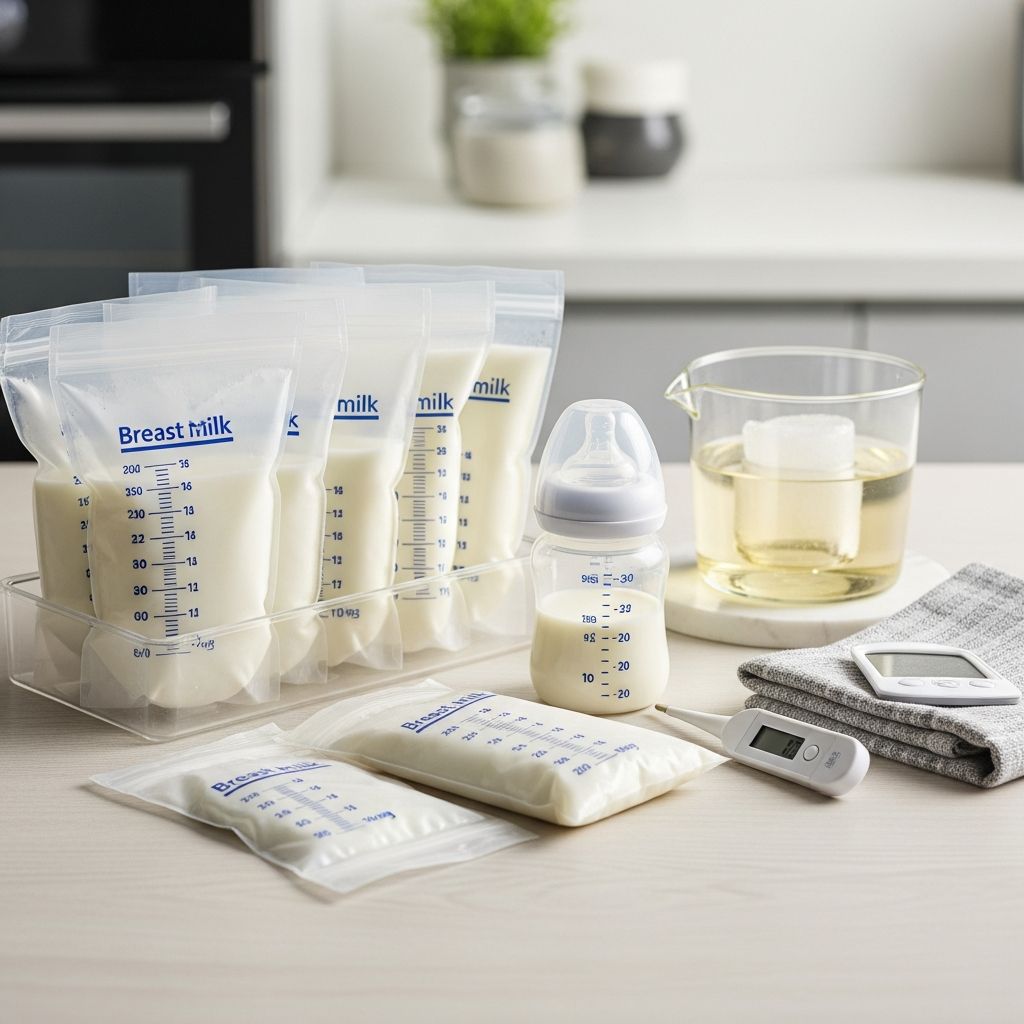
Choose containers designed specifically for breast milk to avoid contamination and nutrient loss. Opt for BPA-free plastic bags, rigid plastic bottles, or glass jars with secure, airtight lids. Breast milk storage bags are lightweight, space-efficient, and minimize air exposure, reducing oxidation.
- Storage bags: Double-layered for leak prevention; flatten for efficient freezer stacking.
- Bottles: Hard plastic or glass; leave 1-inch headspace for expansion.
- Avoid: Regular plastic bags, disposable liners, or non-food-grade materials that may leach chemicals.
Always label containers with the expression date using waterproof markers. This ‘first in, first out’ (FIFO) system prevents overuse of older milk. Chill freshly pumped milk before combining with frozen batches to avoid partial thawing.
Storage Duration Guidelines by Location
Adhering to evidence-based timelines from pediatric and health authorities maximizes safety and quality. These apply to healthy, full-term infants; consult pediatricians for preterm or hospitalized babies.
| Storage Location | Temperature | Duration for Fresh Milk | Notes |
|---|---|---|---|
| Room Temperature | Up to 77°F (25°C) | Up to 4 hours | Chill promptly; up to 6-8 hours if very clean |
| Refrigerator (back) | 40°F (4°C) or colder | Up to 4 days | Avoid door for stable temps |
| Freezer (separate door) | 0°F (-18°C) or colder | 6 months best; 12 months max | Back of unit, not door |
| Deep Freezer | -4°F (-20°C) or colder | Up to 12 months | Ideal for long-term stash |
For thawed milk: Refrigerate up to 24 hours; room temperature 1-2 hours max. Never refreeze. These guidelines align across CDC, Mayo Clinic, and AAP recommendations.
Step-by-Step Freezing Process
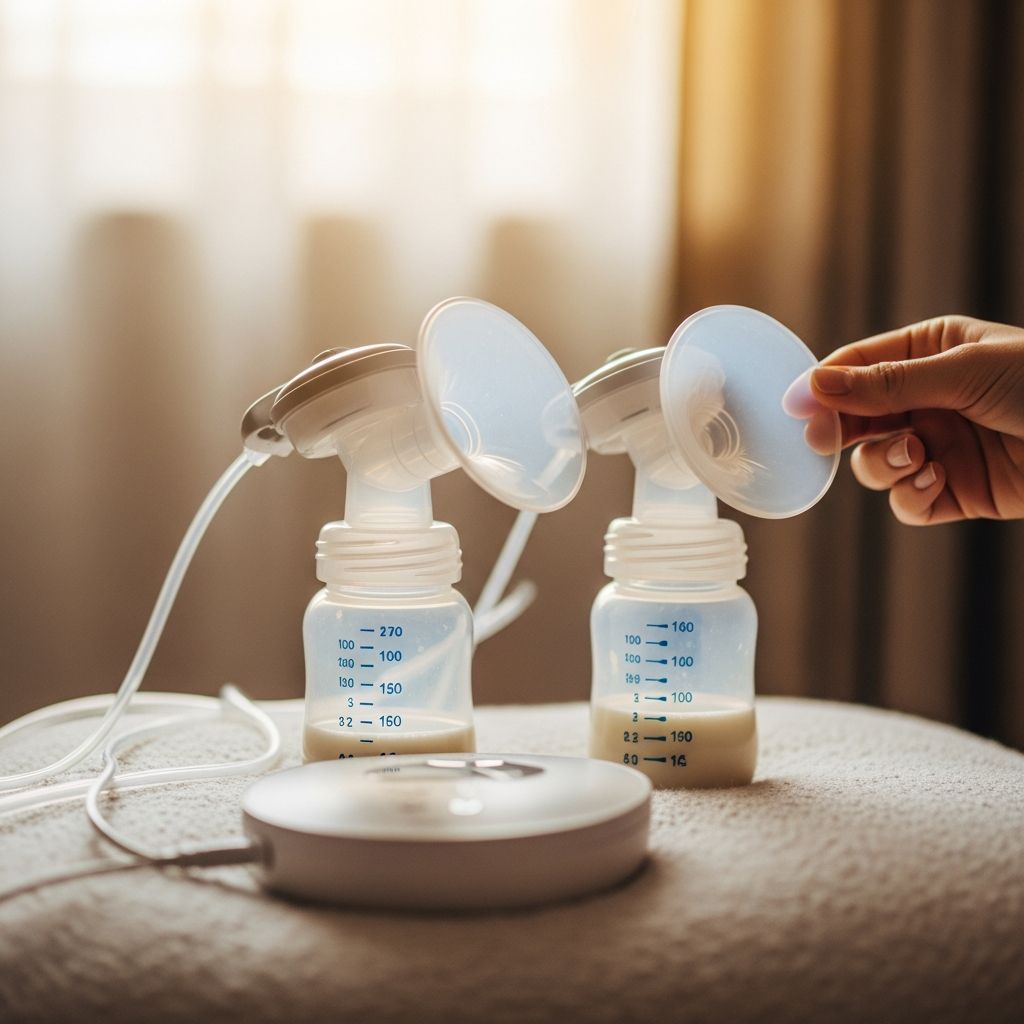
- Express milk: Use clean pump parts; store in 2-4 oz portions for single feedings to minimize waste.
- Cool first: Refrigerate fresh milk 30-60 minutes before freezing to prevent raising freezer temperatures.
- Fill containers: Leave 1-2 inches of space for expansion; remove excess air from bags by flattening.
- Position in freezer: Place flat bags in back; stack once solid. Avoid overcrowding for even freezing.
- Monitor inventory: Use oldest dates first; aim to cycle stock within 6 months for peak nutrition.
Frozen milk may separate with cream rising; gently swirl to recombine—avoid shaking, which can degrade protective components.
Safe Thawing Techniques
Thaw gradually to preserve antibodies and prevent bacterial growth. The safest method is overnight refrigeration, taking 12+ hours.
- Refrigerator thaw: Transfer to fridge 24 hours ahead; use within 24 hours of full thaw.
- Water bath: Submerge in lukewarm (under 99°F/37°C) water, changing every few minutes until thawed.
- Running water: Hold under cool-to-warm flow; dry exterior before feeding.
Critical warnings: Never microwave—creates hotspots risking burns and destroys nutrients. Avoid stovetop boiling for the same reasons. Once warmed to body temperature, feed within 2 hours; discard leftovers.
Recognizing Milk Quality and Safety
Frozen-thawed milk often appears thinner or layered; this is normal. Check for off odors (soapy or rancid indicates lipase activity—still safe if no sour smell) or sliminess, signaling spoilage. Healthy babies tolerate body-warm or room-temp milk; test a drop on your wrist.
| Sign | Normal | Discard |
|---|---|---|
| Appearance | Yellowish tint, fat separation | Clumps, discoloration |
| Texture | Smooth after swirling | Slimy, stringy |
| Smell | Slightly sweet/soapy | Sour, rancid |
High-lipase milk may smell stronger post-thaw but remains nutritious if baby accepts it.
Practical Tips for Pumping Parents
Build a stash gradually: Pump after morning feeds when supply peaks. Use insulated coolers with ice packs for on-the-go storage, maintaining fridge temps up to 24 hours. For daycare, provide pre-labeled portions with usage instructions.
Travel tip: Freeze flat in bags for easy packing; thaw in hotel fridges. Multiple small batches reduce thawing time and waste.
Common Mistakes to Avoid
- Filling containers too full, causing bursts from expansion.
- Storing in freezer doors where temps fluctuate.
- Refreezing thawed milk, risking bacteria.
- Over-shaking recombined milk, damaging cells.
- Ignoring dates, leading to quality decline.
Frequently Asked Questions
Can I mix fresh and frozen milk?
Chill fresh milk first, then add to thawed (not refrozen) portions. Never add to already-warmed milk.
How do I know if thawed milk is bad?
Trust your nose and sight: Discard if sour-smelling, discolored, or textured abnormally, even if dated correctly.
Is it okay to thaw in the microwave?
No—microwaves create dangerous hot spots and nutrient loss. Use water methods only.
How long does thawed milk last at room temp?
1-2 hours max after warming; discard uneaten portions.
What’s the best freezer for long-term storage?
A deep freezer at -4°F (-20°C) holds up to 12 months reliably.
Benefits Beyond Convenience
Freezing empowers exclusive breastfeeding longer, correlating with better infant outcomes like reduced infections. Studies affirm frozen milk’s efficacy when guidelines are followed. Invest in a dedicated pump, quality bags, and freezer space for seamless integration into family life.
References
- How to store, freeze and thaw breast milk — Medela. 2023. https://www.medela.com/en/breastfeeding-pumping/articles/pumping-tips/how-to-store-freeze-and-thaw-breast-milk
- Breast milk storage: Do’s and don’ts — Mayo Clinic. 2023-05-10. https://www.mayoclinic.org/healthy-lifestyle/infant-and-toddler-health/in-depth/breast-milk-storage/art-20046350
- Tips for Freezing & Refrigerating Breast Milk — American Academy of Pediatrics (HealthyChildren.org). 2024. https://www.healthychildren.org/English/ages-stages/baby/breastfeeding/Pages/Storing-and-Preparing-Expressed-Breast-Milk.aspx
- Storage and Preparation of Breast Milk — CDC. 2023. https://www.cdc.gov/breastfeeding/pdf/preparation-of-breast-milk_h.pdf
- Breast Milk Storage and Preparation — CDC. 2024-01-15. https://www.cdc.gov/breastfeeding/breast-milk-preparation-and-storage/handling-breastmilk.html
- Storing and Thawing Breast Milk — USDA WIC Breastfeeding Support. 2023. https://wicbreastfeeding.fns.usda.gov/storing-and-thawing-breast-milk