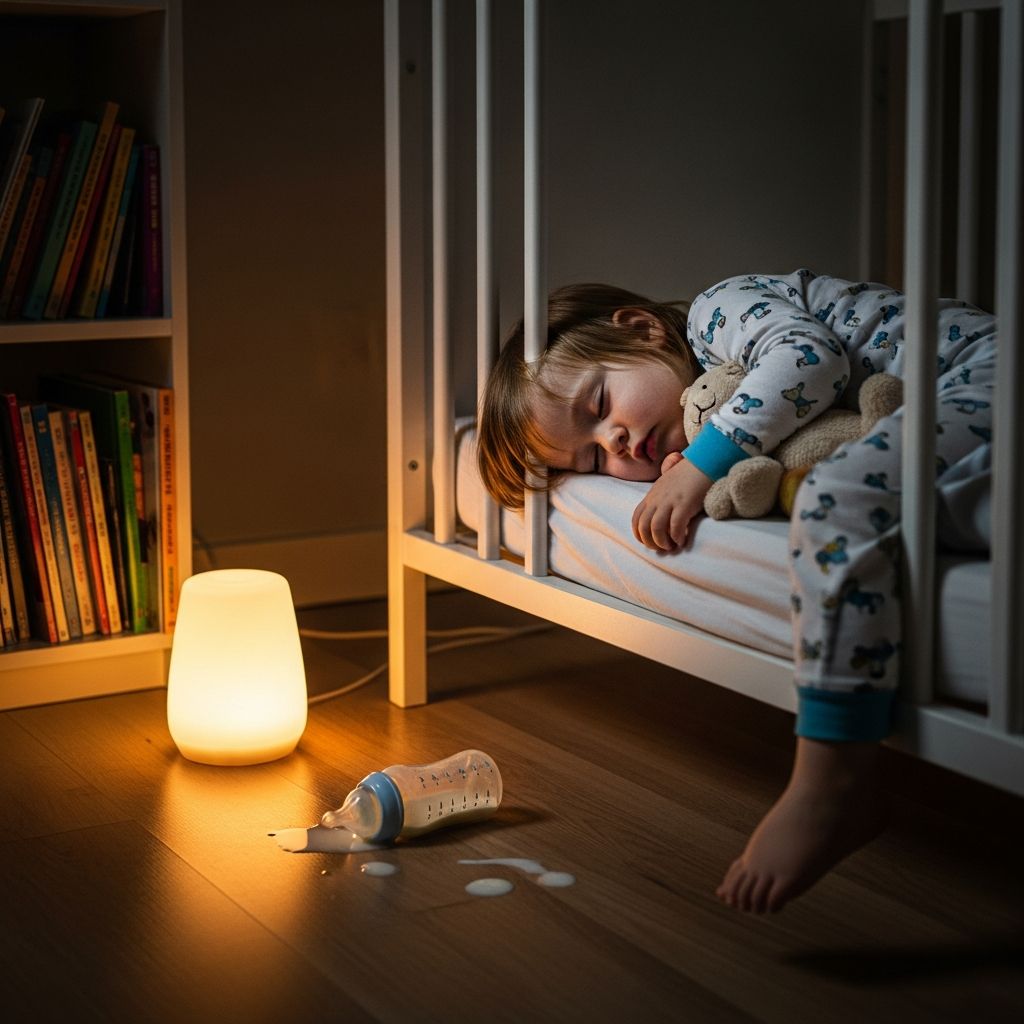
Many parents find comfort in offering their little ones a warm bottle at bedtime, watching them drift off peacefully. However, this common practice can lead to significant health and developmental challenges as children grow. Transitioning away from bedtime bottles supports better oral health, weight management, sleep quality, and self-soothing skills. This guide draws on research-backed insights to help you understand the issues and implement a smooth weaning process.
Understanding the Impact of Prolonged Bedtime Bottle Use
Bedtime bottles often contain milk or formula, which pool in a child’s mouth during sleep. This creates an ideal environment for bacteria to thrive, leading to early childhood caries—a severe form of tooth decay. Studies show children bottle-fed to sleep at age two face nearly double the risk of dental issues by age three. The sugars in these liquids linger overnight, eroding enamel without the protective effects of saliva flow that occurs during daytime.
Beyond oral health, this habit contributes to excessive calorie intake right before sleep, when metabolic rates slow. Toddlers bottle-fed to sleep are almost twice as likely to become overweight, as the extra nourishment isn’t offset by activity. Comfort feeding also disrupts hunger cues, teaching children to associate sucking with emotional soothing rather than nutritional need.
Health Risks Beyond Teeth and Weight
- Ear Infections: Lying flat while sucking allows milk to flow into the Eustachian tubes, fostering bacterial growth and recurrent infections.
- Speech Delays: Extended nipple use hinders oral muscle development for chewing and articulation, potentially affecting language milestones.
- Sleep Disruptions: Children associate the bottle with sleep onset, waking frequently for refills and fragmenting rest for everyone.
- Respiratory Concerns: Bedtime bottle propping increases choking risks and links to later asthma or wheezing.
- Dependency Issues: It delays self-soothing, making independent sleep harder as toddlers enter preschool years.
These risks compound over time, emphasizing the need for timely intervention. The American Academy of Pediatrics recommends eliminating bottles by 18 months, ideally earlier for sleep associations.
Optimal Timing for Weaning from Bedtime Bottles
The ideal window to phase out bedtime bottles is between 12 and 18 months. By age one, most toddlers get sufficient nutrition from solids and daytime cups, reducing nutritional reliance on bottles. Waiting until two or three allows deeper entrenchment of habits, complicating transitions.
| Age Range | Recommended Action | Why It Matters |
|---|---|---|
| 6-12 Months | Shift bottle to earlier in routine; introduce sippy cups | Prevents strong feed-to-sleep links before teeth erupt |
| 12-18 Months | Fully eliminate bedtime bottle | Aligns with AAP guidelines; supports dental health |
| 18-24 Months | If still using, prioritize gradual wean | Reduces overweight and decay risks per studies |
Starting early builds positive routines without nutritional gaps, as toddlers’ caloric needs stabilize around this period.
Step-by-Step Strategies to Eliminate the Bedtime Bottle
Weaning requires patience and consistency, avoiding abrupt changes that provoke resistance. Begin with a plan tailored to your child’s temperament and routine.
Prepare the Groundwork
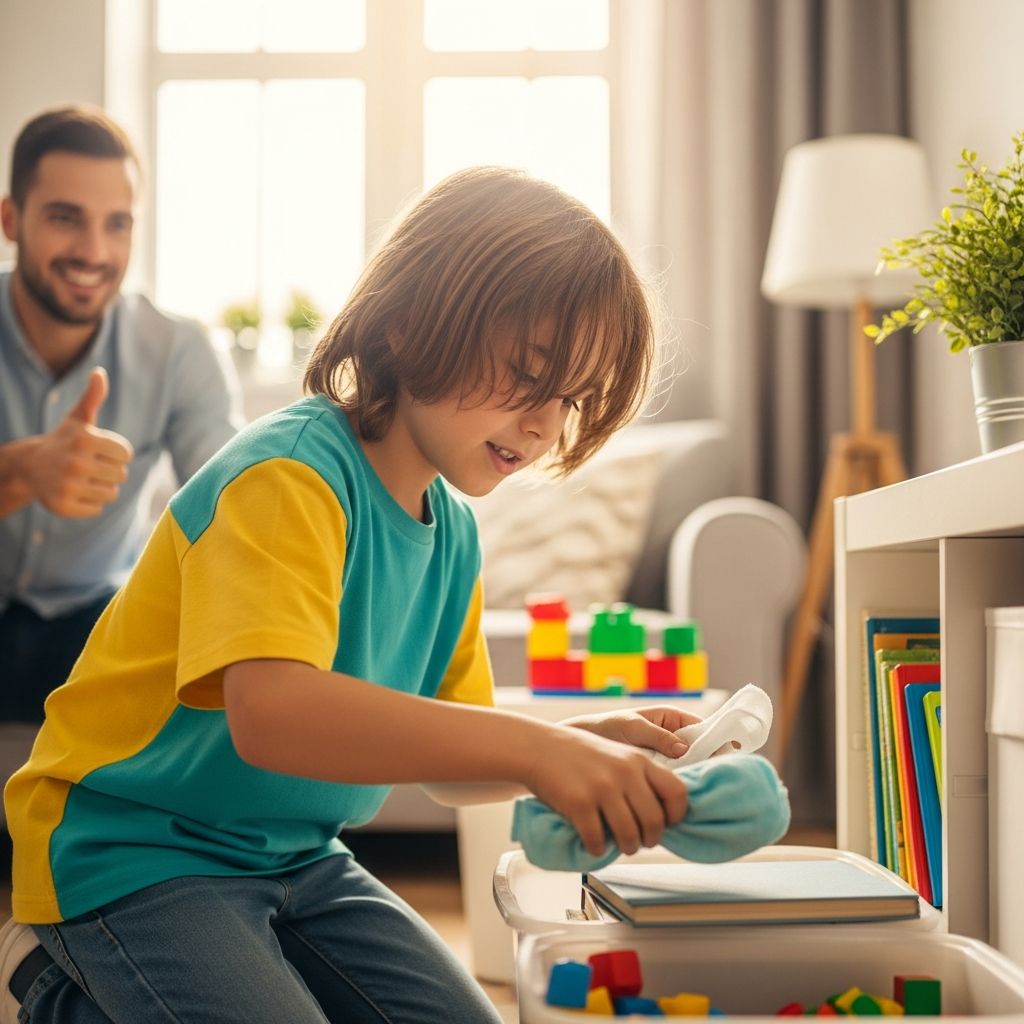
Discuss the change positively: “You’re a big kid now, ready for special cups!” Involve them in selecting a fun, open-top cup or sippy with handles. Fill it with the same milk to maintain familiarity, diluting gradually if needed to reduce appeal.
Modify the Evening Routine
- Relocate the Feed: Move the bottle 20-30 minutes earlier, after bath but before stories. Brush teeth post-feed to remove residue.
- Introduce Alternatives: Offer diluted milk in a cup during story time. Pair with cuddles to transfer comfort.
- Build a Bottle-Free Ritual: Sequence: bath, pajamas, light snack/cup, books, songs, bed. Consistency signals sleep time without props.
Handle Night Wakings
Initial protests are normal as the sleep association breaks. Comfort without feeding: pat, shush, or stay briefly. Extinction methods (leaving room) work for some, while graduated checks suit sensitive children. Expect 1-2 weeks of adjustment.
Dilution Technique for Resistant Toddlers
Over 5-7 nights, mix milk with increasing water ratios: 75% milk/25% water (night 1), up to 100% water (night 5). The taste fades, naturally reducing demand.
Building Independent Sleep Skills
Post-wean, focus on self-settling. Place toddlers drowsy but awake in cribs. Use white noise and dim lights to mimic womb conditions. Positive reinforcement—like stickers for dry nights—motivates older toddlers.
Address underlying issues: overtiredness from inconsistent schedules exacerbates wakings. Aim for 11-14 hours total sleep, with consistent bedtimes.
Common Challenges and Solutions
| Challenge | Solution |
|---|---|
| Tantrum at Bedtime | Validate feelings: “I know you miss your bottle, but here’s your big-kid cup.” Stick to routine. |
| Night Wakings Persist | Short check-ins with reassurance; no feeds. Track patterns for schedule tweaks. |
| Daytime Regression | Wean daytime bottles first; offer solids and water cups. |
| Family Resistance | Share research on risks; tag-team parenting for consistency. |
Long-Term Benefits of Ditching the Bedtime Bottle
Families report consolidated sleep within weeks, reducing parental exhaustion. Children gain confidence in self-soothing, aiding preschool transitions. Health gains include fewer dental visits and stable weights, fostering lifelong habits.
Frequently Asked Questions
What if my toddler is over 2 and still uses a bedtime bottle?
Start immediately with gradual dilution and routine shifts. Persistence heightens risks, but consistency yields results in 10-14 days.
Is water in a bottle okay at night?
No—even water promotes decay via dry mouth reduction and dependency. Opt for open cups.
How do I prevent choking risks during transition?
Never prop bottles; always hold during feeds. Cups further minimize hazards.
Will weaning affect nutrition?
By 12 months, solids provide most calories. Consult pediatricians for growth concerns.
What routines replace the bottle?
Baths, massages, stories, and songs create calming sequences promoting security without aids.
References
- The Hidden Dangers of Bottle Feeding Toddlers to Sleep — Breeze Care Oral Health. 2023. https://breezecareoralhealth.com/blogs/news/the-hidden-dangers-of-bottle-feeding-toddlers-to-sleep
- Breaking the Nightly Bottle Habit — To The Moon and Back Sleep Consulting. 2023. https://www.tothemoonandbacksleepconsulting.com/sleep-coach-articles/breaking-the-nightly-bottle-habit
- Addressing Bedtime Bottle Habits: Tips for Parents — 2thdoc.org. 2023. https://2thdoc.org/addressing-bedtime-bottle-habits-tips-for-parents/