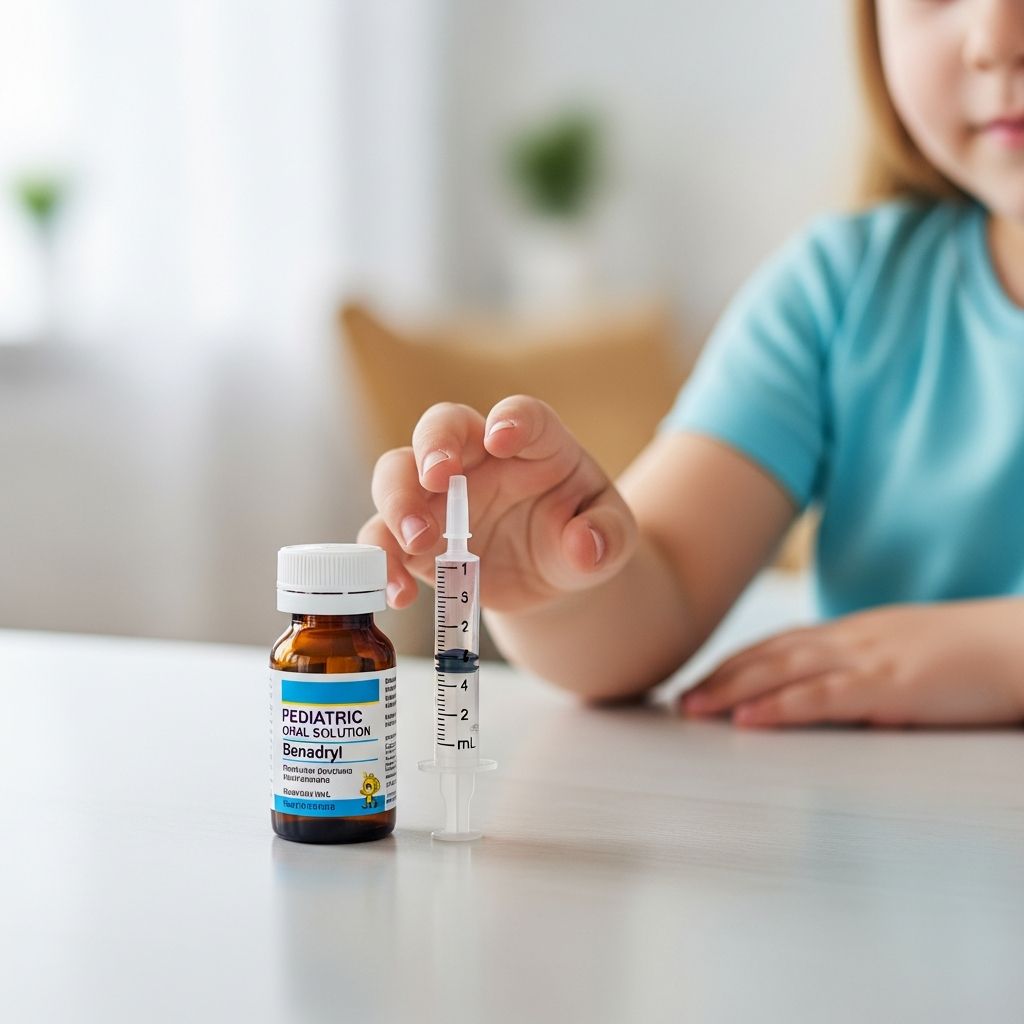
Understanding Benadryl and Its Use in Children
Benadryl, known by its generic name diphenhydramine, is an over-the-counter antihistamine commonly used to manage allergy symptoms in children and adults. This medication works by blocking histamine receptors in the body, which helps reduce symptoms such as itching, sneezing, and runny noses associated with allergic reactions. While Benadryl is readily available without a prescription, proper dosing is critical when administering it to children, as their bodies process medications differently than adults.
Parents and caregivers must understand that Benadryl is intended for temporary relief of mild allergy symptoms only. The medication is not recommended for treating cold symptoms, as research has not demonstrated its effectiveness for this purpose. Additionally, Benadryl can cause drowsiness, which is why some healthcare providers may recommend it at bedtime when a child is experiencing significant itching or discomfort.
Age-Related Guidelines and Restrictions
One of the most important aspects of administering Benadryl to children is understanding age-based restrictions. Healthcare professionals emphasize that age plays a significant role in determining whether Benadryl is appropriate and at what dosage.
Infants and Very Young Children
Children under 1 year of age should generally not receive Benadryl without explicit direction from a pediatrician. The primary concern with infants is the sedating effect of diphenhydramine, which can pose safety risks. Additionally, alternatives are typically preferred for managing allergy symptoms in this age group.
For children between 1 and 2 years old, Benadryl should only be administered under specific medical guidance. Most pediatricians recommend avoiding OTC antihistamines in this age range and instead suggest consulting with a healthcare provider about safer alternatives or appropriate dosing if medication is truly necessary.
Children Ages 2 to 5 Years
Children in this age range represent a critical transition period. While some sources indicate that children as young as 2 years may receive Benadryl under pediatrician guidance, the safest approach is to obtain explicit approval from your child’s doctor before administering any dose. If a healthcare provider does recommend Benadryl for a child in this age group, they will provide a specific, safe dosage based on the child’s weight and individual health factors.
Children Ages 6 and Older
Starting at age 6, children can typically use OTC Benadryl products as labeled on the package, though always following the instructions carefully. Many pediatricians feel comfortable with parents administering Benadryl to children in this age range, provided parents adhere to the recommended dosages and frequency guidelines. However, it remains wise to confirm with your pediatrician before starting any new medication.
Children Ages 12 and Older
Children who have reached their 12th birthday and weigh 100 pounds or more can generally use adult-strength Benadryl formulations and follow adult dosing guidelines. At this stage, many pediatricians treat adolescents similarly to adults when it comes to antihistamine dosing.
Weight-Based Dosing Charts
Weight is often a more reliable indicator of appropriate dosing than age alone, particularly in younger children who may vary significantly in size. Many pediatric healthcare providers recommend using weight-based dosing charts to determine the correct amount of Benadryl to administer.
Liquid Suspension Dosing
Children’s Benadryl liquid suspension typically contains 12.5 milligrams of diphenhydramine per 5 milliliters (one teaspoon). The following weight-based guidelines apply to this concentration:
| Child’s Weight | Recommended Dose | Liquid Amount (ml) |
|---|---|---|
| 20-24 lbs | 4-5 mg | 3/4 teaspoon (3.75 ml) |
| 25-37 lbs | 5 mg | 1 teaspoon (5 ml) |
| 38-49 lbs | 7.5 mg | 1.5 teaspoons (7.5 ml) |
| 50-99 lbs | 10 mg | 2 teaspoons (10 ml) |
| 100+ lbs | 20+ mg | 4 teaspoons (20 ml) |
When administering liquid Benadryl, always use the measuring device provided by the manufacturer, such as a syringe, medicine cup, or marked spoon. Using household spoons can lead to inaccurate dosing and potential overdose. If you have lost the original measuring device, ask your pharmacist to provide an appropriate replacement.
Chewable Tablet Dosing
Children’s Benadryl chewable tablets typically contain 12.5 milligrams per tablet. For children who can safely chew tablets without choking risk, these may be an alternative to liquid formulations. Children between ages 6 and 11 should generally take 1 to 2 tablets every 4 to 6 hours as needed, not exceeding 6 doses in a 24-hour period. Children ages 12 and older may follow adult dosing guidelines for chewable tablets.
Dosing Frequency and Maximum Daily Limits
Understanding how often Benadryl can be safely given is just as important as knowing the correct dose. The frequency of administration varies depending on the child’s age and the formulation being used.
Timing Between Doses
For children ages 6 and older, Benadryl can be administered every 4 to 6 hours as needed for allergy symptoms. For younger children who receive Benadryl under medical supervision, the time between doses may be every 6 to 8 hours, as determined by the healthcare provider.
Maximum Daily Doses
Parents must be aware of the maximum number of doses that should be given in a 24-hour period. For children ages 6 to 11, the typical maximum is 6 doses (totaling 150 milligrams) in 24 hours. For children ages 12 and older who can take adult-strength formulations, the maximum is typically 6 doses (totaling 300 milligrams) in 24 hours. These limits are in place to prevent overdose and reduce the risk of adverse side effects.
Different Benadryl Formulations
Benadryl is available in multiple formulations, each with specific uses and dosing considerations.
Liquid Suspensions
Liquid formulations are particularly useful for younger children and those who have difficulty swallowing tablets. They allow for more precise dosing adjustments based on weight. Always use the provided measuring device to ensure accuracy.
Chewable Tablets
These tablets are designed for children who can safely chew without choking risk. They are convenient and easy to administer once a child is old enough to handle them appropriately.
Fast-Melt Tablets
Fast-melt or quick-dissolve tablets dissolve on the tongue without requiring water. These are convenient for children and should be dosed the same as chewable tablets based on the child’s age and weight.
Important Safety Considerations
Administering any medication to children requires careful attention to safety protocols and potential risks.
Storage and Handling
Store Benadryl in a cool, dry place away from direct sunlight and heat. Keep all medications out of reach of children to prevent accidental ingestion. Check the expiration date before administering any dose, and discard expired medications appropriately.
Overdose Recognition and Response
Signs of Benadryl overdose may include excessive drowsiness, confusion, rapid heartbeat, or seizures. If you suspect your child has taken too much Benadryl, contact Poison Control immediately at 1-800-222-1222 or your local emergency services. Have information about the child’s weight and the amount of medication ingested readily available.
Side Effects and Contraindications
Common side effects of Benadryl in children include drowsiness, dry mouth, and dizziness. Some children may experience paradoxical excitement or hyperactivity instead of sedation. If your child experiences unusual reactions, contact your pediatrician. Additionally, Benadryl should not be given to children with certain medical conditions or those taking specific medications, so always inform your healthcare provider of any other treatments your child is receiving.
When to Consult Your Pediatrician
There are several situations in which you should seek professional medical guidance before administering Benadryl to your child:
- Your child is younger than 6 years old
- Your child has never taken Benadryl before and you want to confirm it is appropriate
- Your child has underlying health conditions such as asthma, heart disease, or thyroid problems
- Your child is taking other medications that might interact with diphenhydramine
- Allergy symptoms are severe or persistent despite Benadryl treatment
- You are unsure about the correct dose for your child’s weight
Frequently Asked Questions
Q: Can I give Benadryl to my 3-year-old for allergies?
A: Benadryl should not be given to children under 6 years old without explicit approval from your pediatrician. If your pediatrician recommends it, they will provide a specific, safe dosage based on your child’s weight. Consider consulting your doctor about alternative treatments for this age group.
Q: How long does Benadryl take to work in children?
A: Most children experience symptom relief within 15 to 30 minutes of taking Benadryl. The medication’s effects typically last 4 to 6 hours, which is why the recommended dosing interval is 4 to 6 hours for older children.
Q: Is it safe to use Benadryl regularly for chronic allergies?
A: Benadryl is intended for short-term, occasional use only. For chronic or ongoing allergy symptoms, discuss with your pediatrician about other treatment options, such as prescription antihistamines or allergy management strategies that may be more appropriate for long-term use.
Q: What should I do if I accidentally gave my child too much Benadryl?
A: Contact Poison Control immediately at 1-800-222-1222 or call 911. Provide information about your child’s age, weight, and the amount of Benadryl ingested. Follow the instructions provided by poison control professionals.
Q: Can Benadryl be used to help children sleep?
A: While Benadryl does cause drowsiness, it should not be used as a sleep aid without specific medical guidance. Discuss with your pediatrician about appropriate sleep management strategies if your child has sleep difficulties.
Q: Are there any foods or supplements that interact with Benadryl?
A: Alcohol and certain supplements can enhance Benadryl’s sedating effects. Additionally, some medications interact with diphenhydramine. Always inform your pediatrician about any other medications, supplements, or dietary considerations before administering Benadryl.
Q: What is the difference between children’s and adult Benadryl?
A: The active ingredient (diphenhydramine) is the same, but children’s formulations typically contain lower concentrations per dose and come in child-friendly forms like liquids and chewable tablets. Adult formulations are stronger and intended for those who can swallow standard tablets.
References
- Benadryl Dosing Guide: Recommended Doses for Adults and Children — GoodRx. 2024. https://www.goodrx.com/benadryl/dosage
- Diphenhydramine Dosing Table — American Academy of Pediatrics HealthyChildren.org. 2025. https://www.healthychildren.org/English/safety-prevention/at-home/medication-safety/Pages/Diphenhydramine-Benadryl-Antihistamine.aspx
- Diphenhydramine (Benadryl) Dose Table — St. Louis Children’s Hospital. 2025. https://www.stlouischildrens.org/health-resources/dosage-tables/diphenhydramine-benadryl-dosage-table
- Benadryl Dosing and Guidelines — Hirsch Pediatrics. 2025. https://hirschpediatrics.com/benedryl-dosing-and-guidelines/
- Diphenhydramine – Benadryl Dosage Table — University Hospitals Rainbow Babies & Children’s Hospital. 2025. https://www.uhhospitals.org/rainbow/health-information/health-and-wellness-library/pediatric-drug-dosage-information/diphenhydramine-benadryl-etc-dosage-table
- BENADRYL® Dosing Guide: Diphenhydramine Dosage for All Ages — Johnson & Johnson Consumer Health. 2025. https://www.benadryl.com/benadryl-dosing-guide
- Children’s Hospital Colorado Diphenhydramine (Benadryl) Dose Table — Children’s Hospital Colorado. 2025. https://www.childrenscolorado.org/conditions-and-advice/conditions-and-symptoms/dosagetables/pediatric/diphenhydramine-benadryl-dose-table/