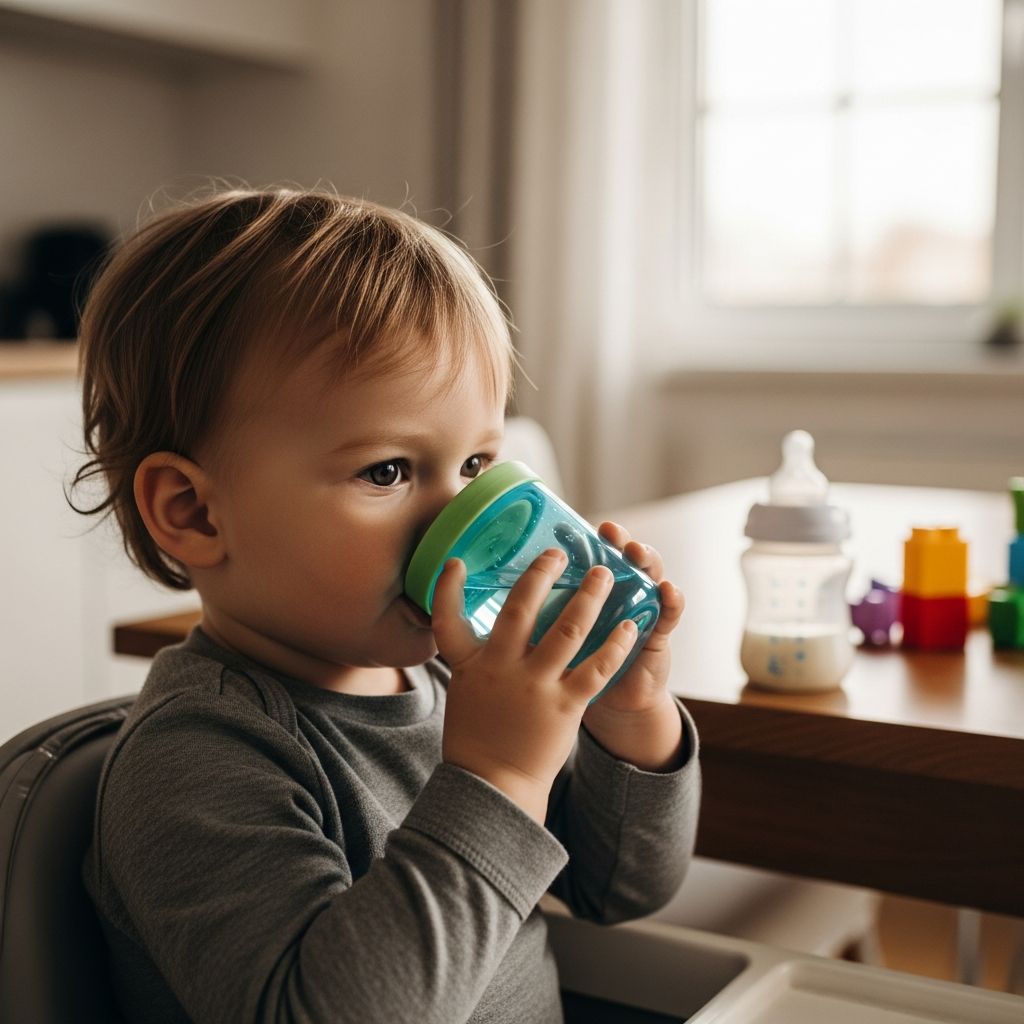
Many parents face the challenge of toddlers who insist on drinking milk exclusively from bottles, even as they approach preschool age. This attachment often stems from comfort and routine, but prolonged use can impact dental health, speech skills, weight management, and sleep patterns. Transitioning to cups supports overall development and prevents long-term issues. This comprehensive guide explores the underlying causes, evidence-based risks, and practical strategies for a successful switch.
Understanding Toddler Attachment to Bottles
Toddlers frequently develop strong preferences for bottles because they associate the sucking motion with security and soothing, much like infants do during breastfeeding. This non-nutritive sucking provides emotional comfort, especially during bedtime or stressful moments. However, as children grow, reliance on bottles can hinder the shift to more age-appropriate feeding methods like open cups.
Developmentally, between 12 and 18 months, children are ready to explore cups, which encourage motor skill advancement and reduce dependency. Delaying this transition often leads to habits that are harder to break later, as the bottle becomes a symbol of comfort rather than just nutrition.
- Comfort association: Bottles mimic the calming effect of nursing, releasing endorphins that help toddlers self-regulate emotions.
- Routine reinforcement: Consistent use in daily rituals, like bedtime, strengthens the habit loop.
- Sensory appeal: The nipple’s texture and flow feel familiar and effortless compared to sipping from a cup.
Health Risks of Extended Bottle Use
Prolonged bottle feeding, particularly with milk at night, poses several risks backed by pediatric research. Milk sugars remain in the mouth overnight, promoting bacterial growth that erodes tooth enamel, leading to early childhood caries. A University of Sydney study found toddlers bottle-fed to sleep at age two were nearly twice as likely to be overweight by later childhood, possibly due to unburned calories and disrupted hunger cues.
| Risk Factor | Potential Impact | Evidence |
|---|---|---|
| Dental Decay | Cavities from lingering sugars | 30% of two-year-olds bottle-fed to sleep show higher decay rates |
| Weight Gain | Extra calories before sleep | Twice the overweight risk in early childhood |
| Speech Delays | Weakened oral muscles | Three-fold increase with prolonged sucking |
| Sleep Disruptions | Night wakings for refills | Interferes with self-soothing |
Beyond physical health, extended sucking affects craniofacial growth. Studies on preschoolers link bottle use beyond 9 months to speech disorders, with delayed bottle introduction after 9 months reducing odds by nearly two-thirds (OR: 0.32). Pacifiers and finger sucking compound these effects, tripling speech issue risks when prolonged past three years.
Ideal Timeline for Transitioning to Cups
Experts recommend starting the bottle-to-cup shift around 6-9 months, with full weaning by 12-18 months. By age two, most toddlers should use open cups to minimize cavity risks and support healthy weight. Waiting longer increases attachment and health complications, as seen in populations with high bottle use rates.
- 6-12 months: Introduce sippy or open cups with familiar milk during meals.
- 12-18 months: Eliminate bottles from daytime feeds first, then naps.
- By 24 months: No bottles at all; transition to straw or open cups for all drinks.
This timeline aligns with the American Academy of Pediatrics’ guidelines, emphasizing gradual reduction to avoid resistance.
Proven Strategies for a Smooth Weaning Process
Weaning requires patience, consistency, and positivity. Abrupt changes often backfire, so opt for gradual steps to build confidence.
Step-by-Step Weaning Plan
- Dilute and reduce: Mix milk with water progressively in bottles, shortening feed times daily.
- Swap containers: Offer the same milk in fun, child-chosen cups or straw sippers to make it exciting.
- Prioritize daytime: Drop bottle use during the day first, reserving for bedtime initially, then phase out entirely.
- Enhance routines: Replace bottle time with engaging activities like story reading, baths, or songs to fulfill emotional needs.
Track progress with a simple chart:
| Week | Action | Goal |
|---|---|---|
| 1-2 | Daytime bottles to cups | 3/4 meals from cup |
| 3-4 | Eliminate nap bottles | Cups for all day drinks |
| 5-6 | Bedtime dilution | Cup at bedtime |
Handling Resistance and Setbacks
Tantrums are common as toddlers grieve the loss of a comfort item. Respond with empathy: acknowledge feelings (“I know you love your bottle, but big kids use cups!”) and distract with alternatives. Consistency prevents regression; involve the whole family to model cup use.
If challenges persist, consult a pediatrician. Underlying issues like teething or separation anxiety may amplify attachment.
Boosting Oral and Speech Development Post-Weaning
Switching to cups strengthens jaw muscles essential for chewing, talking, and proper bite alignment. Research shows reduced non-nutritive sucking post-weaning correlates with fewer malocclusions and better phonological skills. Encourage solid foods and varied textures to further support this.
- Practice sounds with cups: Sip and make fun noises to link oral motor skills playfully.
- Monitor milestones: By age 3, clear speech emerges; early intervention helps if delays appear.
Common Myths About Toddler Bottle Weaning
Myth 1: Cold turkey works best. Reality: Gradual methods succeed 80% more due to less stress.
Myth 2: Milk in bottles is harmless if low-sugar. Reality: Even plain milk causes decay via lactose fermentation.
Myth 3: Sippy cups are ideal forever. Reality: Limit to transition; open cups by age 2 prevent prolonged spout use risks.
Frequently Asked Questions (FAQs)
What age should I stop the bottle?
Ideally by 12-18 months, fully by age 2 to avoid health risks like cavities and speech delays.
Is it okay for a 3-year-old to have a bedtime bottle?
No; it raises decay and overweight risks significantly. Transition promptly with routines.
How do I wean if my toddler refuses cups?
Use familiar milk in fun cups, dilute bottles, and stay consistent. Praise successes lavishly.
Does bottle use affect speech?
Yes, prolonged sucking weakens oral muscles, increasing speech disorder odds threefold.
What if weaning causes sleep issues?
Build bottle-free routines like reading; most adjust in 1-2 weeks with patience.
Long-Term Benefits of Early Weaning
Families who wean early report confident eaters, healthier smiles, and better sleep. Investing in this milestone fosters independence, reduces dental visits, and sets foundations for lifelong healthy habits. Pediatric dentists note fewer interventions in cup-trained kids.
References
- The Hidden Dangers of Bottle Feeding Toddlers to Sleep — Breeze Care Oral Health. 2023. https://breezecareoralhealth.com/blogs/news/the-hidden-dangers-of-bottle-feeding-toddlers-to-sleep
- The relationship of bottle feeding and other sucking behaviors with speech volume — PMC (NCBI). 2009-11-12. https://pmc.ncbi.nlm.nih.gov/articles/PMC2773774/
- Stopping the Bottle — Dayton Children’s Hospital. N/A. https://childrensdayton.org/kidshealth/no-bottles/
- From Bottle to Cup: Helping Your Child Make a Healthy Transition — American Academy of Pediatrics (healthychildren.org). N/A. https://www.healthychildren.org/English/ages-stages/baby/feeding-nutrition/Pages/Discontinuing-the-Bottle.aspx
- When and How To Wean Your Baby Off Bottles and Sippy Cups — Cleveland Clinic. N/A. https://health.clevelandclinic.org/say-goodbye-to-bottles-and-sippy-cups