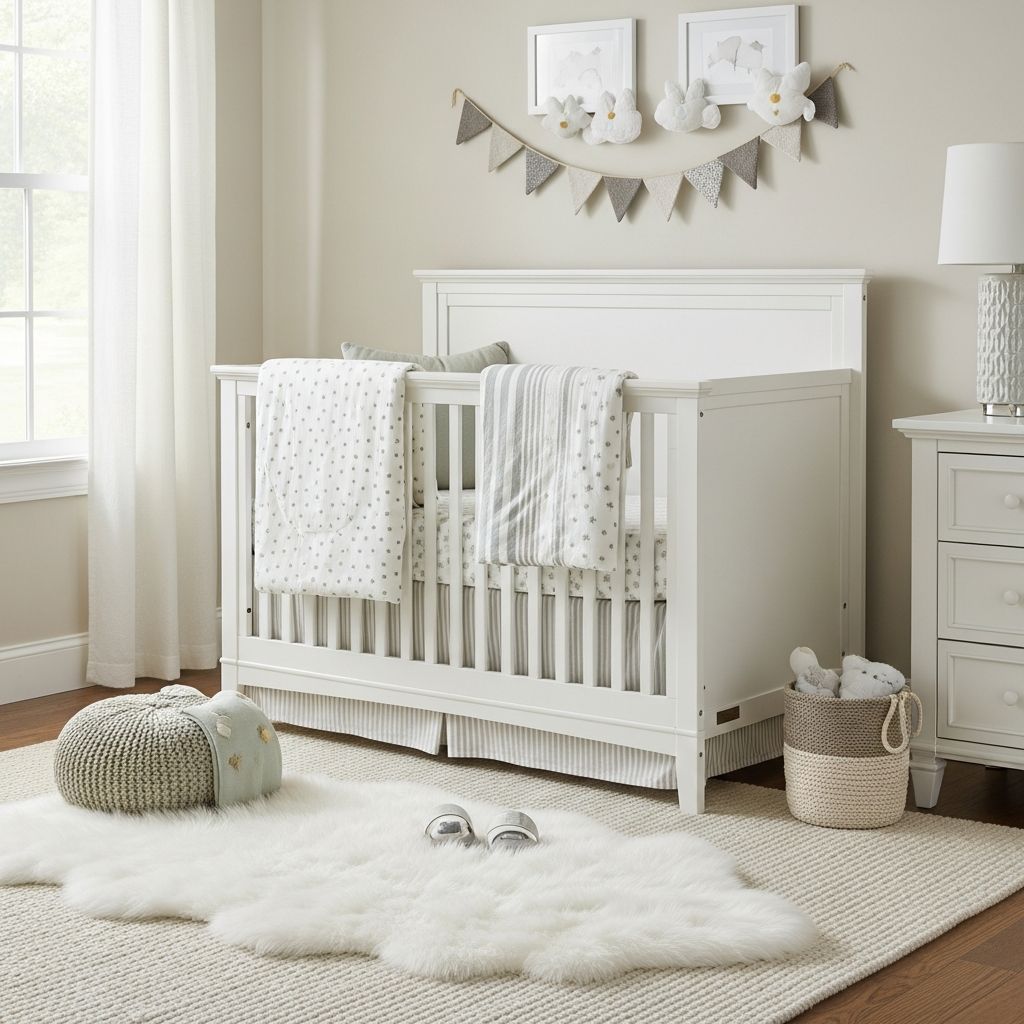
Understanding the Swaddle Transition
Swaddling is a popular method for helping newborns feel secure and sleep better, but as babies grow, they eventually need to move away from this practice. The transition from swaddling to arms-out sleep is a crucial milestone in your baby’s development. It’s important to recognize the right time to make this change and to approach it in a way that supports your baby’s comfort and safety.
When Is It Time to Transition?
- Babies typically begin showing readiness for the transition between 2 and 4 months of age, though every child is different.
- Key signs include rolling over, pushing up on their arms, or consistently breaking free from the swaddle.
- If your baby resists being swaddled or seems uncomfortable, it may be time to start the transition process.
- Once your baby can roll from back to tummy, swaddling should be discontinued for safety reasons.
Why Transitioning Matters
Swaddling mimics the cozy environment of the womb, which helps newborns feel calm and reduces the startle reflex. However, as babies develop more control over their movements, swaddling can become restrictive and even unsafe. Allowing your baby to sleep with their arms free supports healthy motor development and ensures they can protect their airway if they roll onto their tummy.
Step-by-Step Transition Guide
Transitioning your baby from swaddling to arms-out sleep should be gradual to minimize disruptions to their sleep routine. Here’s a practical approach:
- Start by swaddling with one arm out for a few nights, then switch to the other arm. This helps your baby adjust to having more freedom while still feeling secure.
- Once your baby is comfortable with one arm out, move to both arms out while keeping the rest of the body swaddled. This step allows your baby to experience full arm movement while maintaining some familiar swaddling sensation.
- Gradually loosen the swaddle or switch to a sleep sack that allows arms to move freely. Choose a size that fits well and doesn’t pose a risk of covering your baby’s face.
- Introduce soothing techniques such as gentle rocking, white noise, or a pacifier to help your baby feel secure during the transition.
Choosing the Right Sleepwear
There are several products designed to ease the transition from swaddling to arms-out sleep:
- Transitional swaddle sacks allow you to gradually open up the arm pockets, giving your baby more freedom over time.
- Sleep sacks or wearable blankets provide a sense of security while allowing natural movement.
- Some transitional products feature fold-over cuffs or sleeves that let you control how much arm movement your baby has.
Common Challenges and Solutions
It’s normal for babies to experience some sleep disruptions during the transition. Here are some tips to help:
- Be patient—your baby may need a few days to adjust to the new sleep arrangement.
- Stick to a consistent bedtime routine to provide comfort and predictability.
- Offer extra cuddles and reassurance during the transition period.
- If your baby wakes frequently, try soothing techniques like gentle patting or shushing.
FAQs About Swaddle Transition
| Question | Answer |
|---|---|
| When should I stop swaddling my baby? | Stop swaddling when your baby shows signs of rolling over, resists the swaddle, or is around 2-4 months old. |
| Can I transition my baby all at once? | Some babies adapt quickly, but a gradual approach is usually easier and less disruptive. |
| What if my baby wakes up more often after stopping the swaddle? | This is common. Give your baby time to adjust and use soothing techniques to help them settle. |
| Are sleep sacks safe for babies? | Yes, as long as they fit properly and don’t cover your baby’s face. |
| How can I make the transition easier? | Start with one arm out, use transitional sleepwear, and maintain a consistent routine. |
Final Thoughts
Transitioning your baby from swaddling to arms-out sleep is a natural part of their growth. By recognizing the signs, following a gradual approach, and using supportive sleepwear, you can help your baby make this change safely and comfortably. Remember, every baby is unique, so be flexible and responsive to your child’s needs throughout the process.