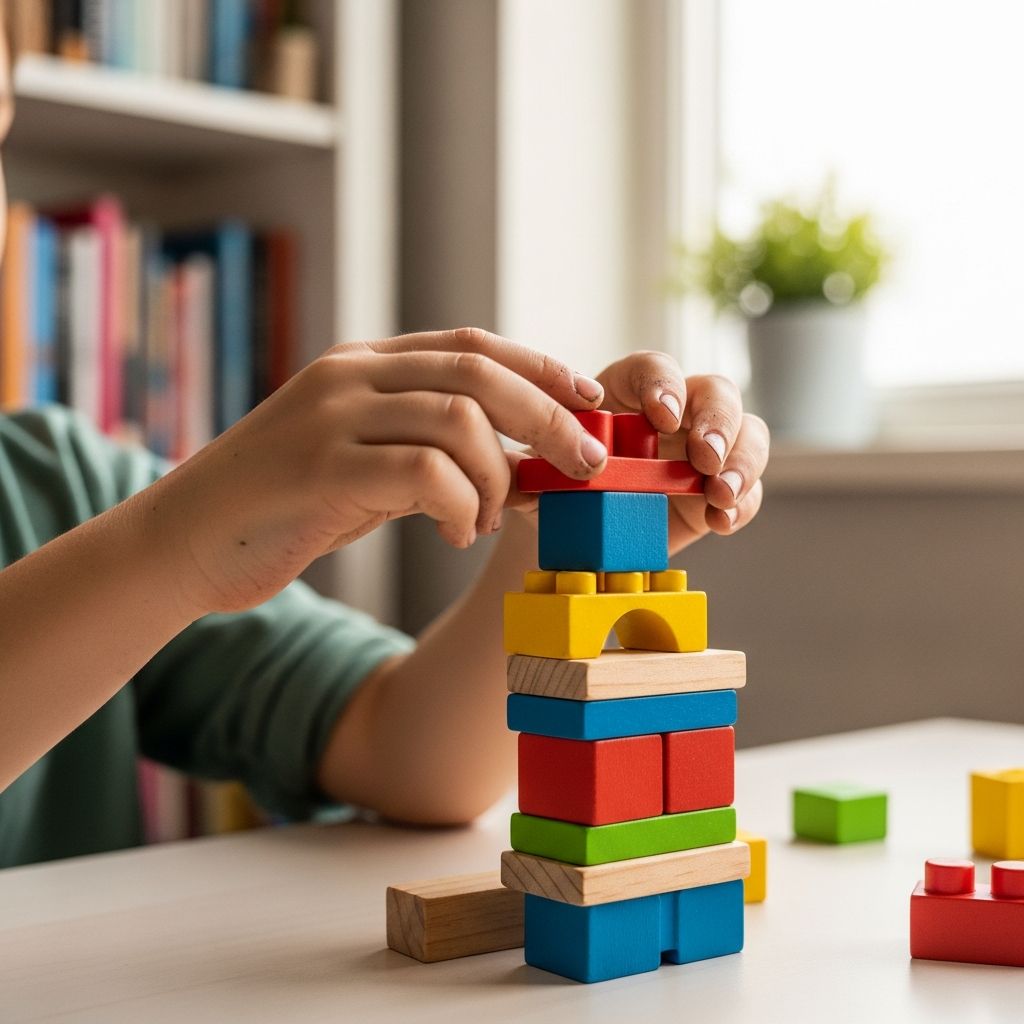
Responsibility is a foundational skill that prepares children for adulthood, enabling them to manage tasks, learn from errors, and contribute meaningfully to family and society. Parents play a pivotal role in cultivating this trait through consistent, intentional practices rather than waiting for it to develop naturally.
Understanding the Foundations of Responsibility
At its core, responsibility involves owning actions, fulfilling obligations, and understanding consequences. Research from child development experts emphasizes that children who engage in household tasks and face real outcomes grow into more resilient adults. Starting early— even with toddlers—builds habits that last a lifetime, as young minds mimic parental behaviors and thrive on involvement in daily routines.
Neglecting this development can lead to dependency and excuse-making later in life. Instead, view parenting as coaching: guide without controlling, allowing space for growth through trial and error.
Age-Appropriate Tasks to Assign
Tailoring responsibilities to a child’s developmental stage ensures success and motivation. Below is a table outlining suitable chores by age group, drawn from pediatric and educational guidelines.
| Age Group | Recommended Tasks | Benefits |
|---|---|---|
| 2-5 Years (Toddlers/Preschoolers) | Putting toys away, filling pet bowls, washing hands, basic tooth brushing | Builds fine motor skills, routine adherence, and sense of contribution |
| 6-10 Years (School-Age) | Making beds, sorting laundry, yard work like raking, vacuuming, setting alarms | Develops time management, independence, and hygiene habits |
| 11+ Years (Preteens/Teens) | Mowing lawn, full laundry cycles, meal prep assistance, managing schedules | Fosters advanced problem-solving and work ethic |
Implement these by demonstrating first, then supervising briefly before granting autonomy. Praise effort over perfection to reinforce positive associations.
Modeling Behavior as a Parent
Children learn responsibility by observing adults. Involve them in your tasks— from grocery unpacking to community help—explaining the ‘why’ behind actions, like how tidying ensures a smooth week ahead. Family rituals, such as weekly clean-up sessions followed by rewards, normalize shared duties and make them enjoyable.
Demonstrate accountability yourself: admit mistakes openly and show how you rectify them. This counters the common pitfall of parental over-rescue, which undermines a child’s confidence in handling life.
Embracing Mistakes and Natural Consequences
Allowing errors is crucial for growth. When children falter, resist fixing it; instead, facilitate reflection: ‘What led to this? How can you improve?’ This shifts focus from blame to learning.
Natural consequences teach cause-and-effect powerfully. Forgot homework? No reminders—face the teacher’s response. Skipped practice? Endure subpar performance. Balance with safety nets for non-negotiables like health and education structure. Such experiences build resilience without parental nagging.
Fostering Reflection and Self-Awareness
Structured reflection cements lessons. After incidents, use guided questions:
- What occurred during the situation?
- What role did you play?
- What alternative choice could you make next time?
- What key lesson emerged?
Conclude positively to encourage openness. Incorporate daily reviews at bedtime, noting highs, lows, and improvements. This cultivates emotional intelligence and proactive habits.
Eliminating Excuses and Blame
Address victim mentality head-on. Phrases like ‘My sibling made me do it’ shift ownership externally. Respond firmly: ‘Others’ actions don’t dictate yours; you control your choices.’ This empowers agency.
Enforce accountability with clear, pre-discussed consequences worse than compliance, such as extra chores or privilege loss. Consistency proves excuses don’t work, promoting reliability.
Goal-Setting for Long-Term Accountability
Collaborate on 1-2 realistic goals, breaking them into steps with timelines. Display visibly and review progress weekly, celebrating advances and analyzing hurdles.
- Goal: Improve math grades
- Steps: Daily 20-min practice, weekly tutor check-in
- Track: Chart with stickers for motivation
This visualizes effort yielding results, instilling persistence.
Creating Family Systems for Success
Post chore charts with rotations to ensure fairness and variety. Permit sibling trades to teach negotiation. Tie privileges to fulfillment: no screen time until duties done.
For resistance, start small, build gradually. Use positive reinforcement like family treats post-completion to associate responsibility with joy.
Common Challenges and Solutions
Parents often face pushback. Solution: Stay calm, enforce boundaries without emotion. If forgetting persists, implement reminders sparingly, weaning off to promote memory.
For teens seeking independence, grant it conditionally on proven reliability, like car access after consistent chores.
Frequently Asked Questions (FAQs)
What age should I start teaching chores?
Begin as early as 2 years with simple tasks like toy cleanup. Even toddlers benefit from involvement.
How do I handle a child who refuses responsibilities?
Use natural consequences and clear expectations set in advance. Consistency without negotiation works best.
Should chores be rewarded with allowance?
Focus on intrinsic value first; optional allowances teach money management but avoid tying essentials to pay.
What if my child makes repeated mistakes?
Guide reflection without rescuing. Repeated issues signal need for smaller steps or more modeling.
Can too many responsibilities overwhelm kids?
Match to age and capacity; rotate to prevent burnout. Balance with play for holistic development.
Long-Term Impact of Responsible Upbringing
Children trained in these ways excel in school, relationships, and careers, exhibiting grit and self-reliance. Studies affirm chores correlate with higher achievement and mental health. Invest now for their confident future.
References
- 6 Ways to Teach Kids Accountability and Responsibility — Great Homeschool Conventions. 2023-10-15. https://greathomeschoolconventions.com/blog/6-ways-to-teach-kids-accountability-and-responsibility
- How To Teach a Child Responsibility — Boys & Girls Clubs of America. 2021-11-01. https://www.bgca.org/news-stories/2021/November/how-to-teach-a-child-responsibility/
- Responsible Kids Don’t Just Happen — Focus on the Family. 2022-05-20. https://www.focusonthefamily.com/parenting/responsible-kids-dont-just-happen/
- Tips for Teaching Kids Responsibility — Children’s Hospital Colorado. 2024-03-12. https://www.childrenscolorado.org/just-ask-childrens/articles/teaching-responsibility/
- To Raise Responsible Children, Give Them Responsibilities — KinderCare. 2017-05-01. https://www.kindercare.com/content-hub/articles/2017/may/to-raise-responsible-children-give-them-responsibilities
- Teach Your Child Responsibility — 7 Tips to Get Started — Empowering Parents. 2023-08-05. https://www.empoweringparents.com/article/teach-your-child-responsibility-7-tips-to-get-started/