Organization is a foundational skill that supports children’s success in daily life, school, and beyond. Developing these abilities early helps kids manage tasks, regulate emotions, and build confidence through structured habits.
Understanding Executive Function in Young Minds
Executive function refers to cognitive processes like planning, focusing, and task management, essential for organization. These skills emerge in infancy and mature through adolescence, influenced by consistent practice and environment.
Research from developmental experts highlights that structured activities build working memory and self-control. For instance, simple games encourage anticipation and focus, laying groundwork for more complex responsibilities later.
Begin Early: Laying the Foundation from Infancy
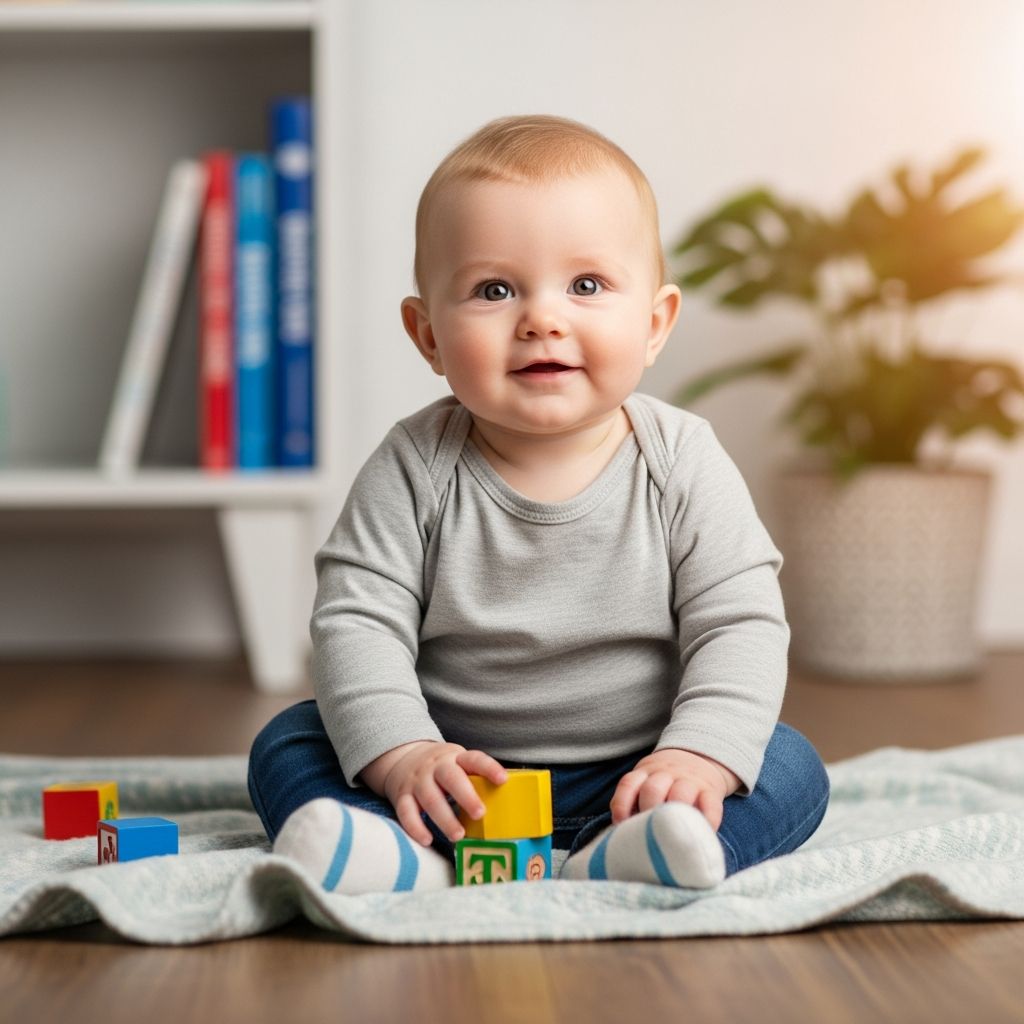
Starting in the earliest years maximizes brain plasticity. Infants benefit from interactive play that sharpens attention, such as games involving hiding and revealing objects, which train memory and impulse control.
As toddlers grow, introduce basic routines like putting away toys after play. This fosters habit formation without overwhelming them. Parents can model these behaviors, showing how small actions lead to order.
- Play peekaboo or similar games daily to boost focus.
- Guide toddlers in sorting blocks by color or shape during cleanup.
- Use positive reinforcement to celebrate small wins.
Design Smart Storage Solutions for Easy Access
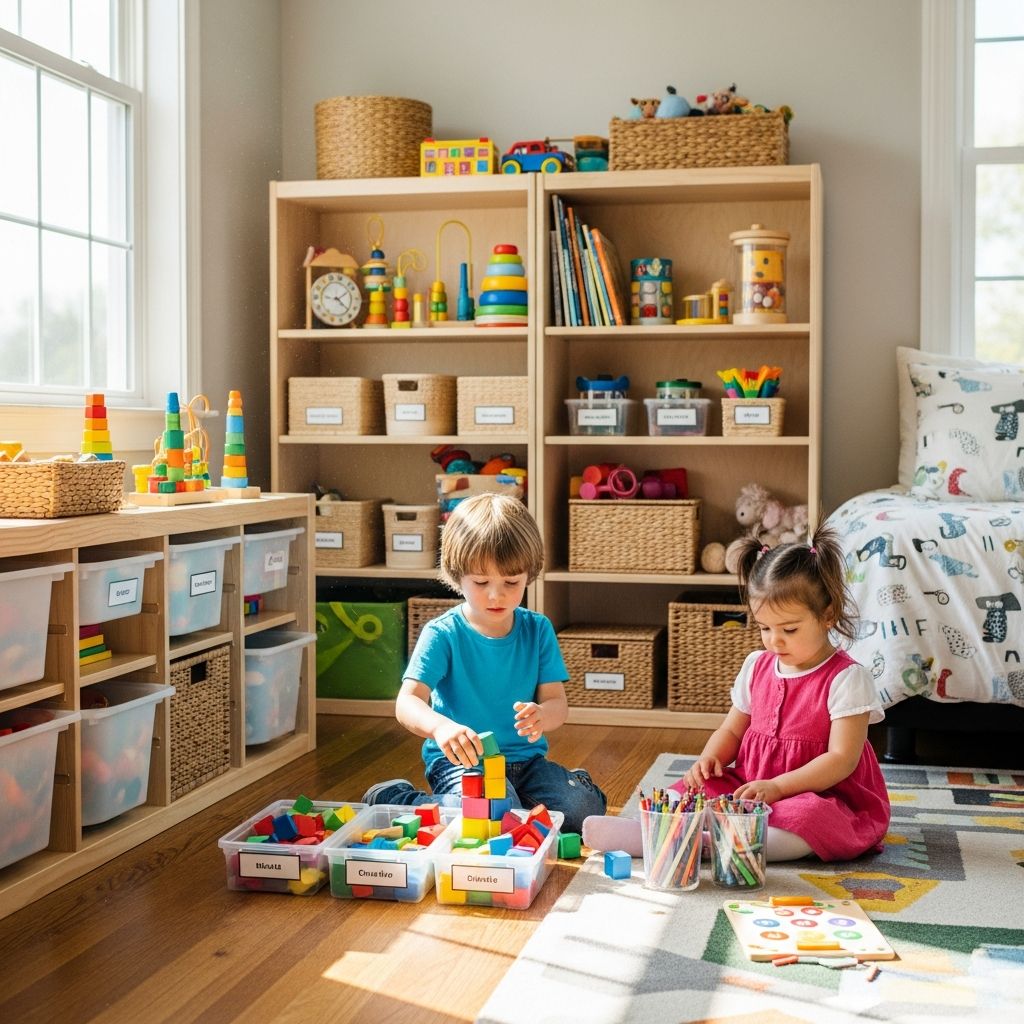
Children are more likely to stay organized when storage is intuitive and reachable. Low hooks for coats, labeled bins for toys, and dedicated drawers for clothes reduce chaos at entry points.
Create zones: a shoe rack by the door, backpack hooks at kid height, and a sink area for bottles. This setup turns home arrival into a seamless routine, promoting ownership of belongings.
| Age Group | Recommended Storage | Benefits |
|---|---|---|
| Infants/Toddlers | Low bins, soft baskets | Easy reach, safe access |
| Preschoolers | Labelled drawers, hooks | Teaches categorization |
| School-age | Planners, file folders | Supports homework flow |
Blend Fun with Cleanup Routines
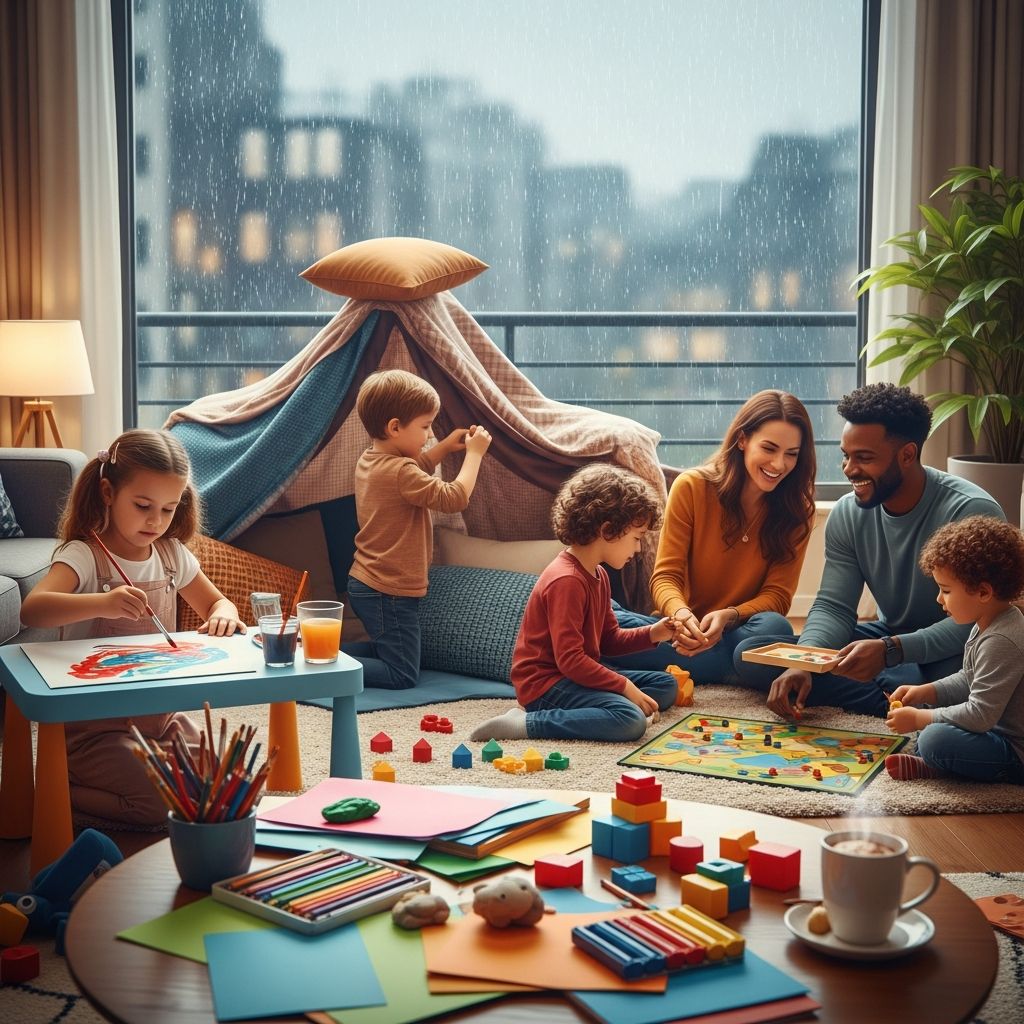
Make tidying playful to build positive associations. Use music, timers, or songs during 5-minute cleanups before transitions, helping kids prepare emotionally.
For ongoing projects, introduce a ‘pause’ marker like a special sign, signaling work will resume later. This eases anxiety and maintains momentum.
- Sing a cleanup song together.
- Set a timer for short bursts.
- Allow ‘in progress’ tags on creations.
Assign Age-Appropriate Home Responsibilities
Involving kids in household tasks builds utility and empowerment. Start with simple duties like setting placemats or sorting laundry, progressing to gardening or meal prep.
Clear expectations via visual charts clarify roles, aiding planning and memory. As competence grows, fade supervision to encourage independence.
Examples by age:
- Toddlers: Place dishes in sink.
- Preschoolers: Sort recyclables.
- School-age: Fold clothes, water plants.
Implement Tools like Checklists and Planners
Visual aids demystify tasks. Co-create checklists for bedtime or outings, teaching prioritization. Kid-sized planners value their time, reinforcing organization as key to achievement.
Establish homework zones with timers for focus sessions, even on light days, to habituate routines.
Cultivate Routines for Daily Success
Consistent schedules anchor behavior. Morning checklists, after-school rituals, and evening wind-downs provide predictability, reducing resistance.
Break tasks into steps: gather supplies, focus, complete, review. Coach gently with questions like ‘What’s next?’ to prompt thinking.
Targeted Decluttering and Project Starts
Overwhelm stalls progress; begin with one area, like bedrooms. Discuss goals: ‘What works? What doesn’t?’ Involve kids in choosing bins or labels.
Set timelines: purge toys this week, organize desk next. This mirrors project management, applicable to schoolwork.
Foster Personal Accountability
Shift from parental pickup to child-led maintenance. Items left out become ‘community property’ until earned back via chores, teaching consequences naturally.
Praise effort over perfection, building intrinsic motivation. Regular check-ins gauge progress and adjust strategies.
Promoting Forward Thinking and Problem-Solving
Encourage anticipation: ‘What do we need for tomorrow?’ This develops planning. When messes occur, guide solutions rather than fix, empowering resilience.
Consistency across steps—order, placement, practice—solidifies gains, per neurodevelopmental approaches.
Frequently Asked Questions
What age should I start teaching organization?
Begin in infancy with play; expand to routines by toddlerhood for optimal development.
How do I handle resistance to cleanup?
Use timers, fun elements, and reassurance that play resumes later to ease transitions.
Are chores beneficial for organization?
Yes, they teach sorting, responsibility, and executive skills through real-world application.
What if my child forgets tasks?
Visual charts and gentle reminders build memory; increase independence gradually.
Can organization improve school performance?
Absolutely, as it enhances focus, planning, and task completion essential for academics.
Long-Term Benefits of Organized Habits
These practices yield independent, confident children ready for life’s demands. Executive function strength correlates with academic and emotional success, per child development studies.
Parents’ patient coaching fills essential ‘toolboxes,’ fostering self-reliance and love through guidance.
References
- Executive Function and Self-Regulation — Harvard Center on the Developing Child. 2011 (authoritative foundational resource on child development). https://developingchild.harvard.edu/science/key-concepts/executive-function/
- 5 Ways to Develop Your Child’s Organizational Skills — Scholastic. Accessed 2026. https://www.scholastic.com/parents/family-life/social-emotional-learning/social-skills-for-kids/12-ways-to-develop-your-childs-organizational-skills.html
- Help Your Child Get Organized — Dayton Children’s Hospital. Accessed 2026. https://childrensdayton.org/kidshealth/child-organized/
- Raising an Organized Child — American Academy of Pediatrics (AAP Book). 2019. https://www.aap.org/Raising-an-Organized-Child-Paperback-and-eBook-Package
- Executive Function Skills in Children — Child Mind Institute. Accessed 2026. https://childmind.org/article/how-to-help-yourself-get-organized/