Becoming a stepparent can be both deeply fulfilling and intensely challenging. You are stepping into a family story that began before you arrived, with its own history, hurts, loyalties, and expectations. Yet with patience, empathy, and clear boundaries, it is possible to build a home where everyone feels respected and emotionally safe.
Understanding the Emotional Landscape of Step Families
Every blended family carries a backstory of loss or change: divorce, death, separation, or a major breakup. Children are not just adjusting to a new adult; they are also processing the fact that their original family structure has shifted, perhaps permanently. When you understand this emotional backdrop, their resistance, withdrawal, or sudden anger feels less personal and more like a natural grief response.
Instead of seeing yourself as a replacement parent, it helps to imagine that you are joining an existing team. The goal is not to erase the past but to gently help everyone move forward with a new, workable family script.
Core Principles for Successful Step Parenting
- Go slow. Relationships with stepchildren grow over months and years, not days or weeks.
- Lead with respect. Children are more likely to trust someone who respects their feelings, history, and loyalties.
- Stay curious, not defensive. When conflict appears, ask what might be underneath the behavior before reacting.
- Stay allied with your partner. A united and calm adult partnership gives children a sense of security.
- Protect your own wellbeing. You cannot show up as your best self if you are running on resentment and exhaustion.
Common Step Family Dynamics (and What They Mean)
| Dynamic | What It Often Signals | Helpful Stepparent Response |
|---|---|---|
| Loyalty conflicts | Child fears that liking you betrays their other parent. | Reassure them they never have to choose sides and that love is not limited. |
| Testing boundaries | Uncertainty about your role or how much authority you have. | Hold consistent, kind limits while keeping major discipline decisions with the biological parent early on. |
| Pulling away or ignoring you | Grief, anger about the breakup, or feeling that things changed too fast. | Give space while still offering low-pressure chances for connection. |
| Over-friendliness at first | Desire to keep the peace, fear of rocking the boat. | Stay warm but grounded; do not rely on this early “honeymoon” to predict the long-term relationship. |
| Triangles and alliances | Child or adult pulls another person in to handle conflict instead of addressing it directly. | Encourage direct conversation and avoid speaking badly about any parent. |
Clarifying Your Role: Mentor, Not Replacement
Children already have parents, whether or not those parents are consistently available or emotionally present. Your role as a stepparent is often more like a mentor, coach, caring aunt/uncle, or trusted adult than a direct substitute. This mindset removes pressure on everyone: the children do not have to decide if you are a “real” parent, and you do not have to battle for a title.
Over time, the relationship may deepen into a parent-like bond, but that development is healthiest when it arises naturally from shared trust and experiences rather than from expectations placed on the children.
Building Trust with Stepchildren
Trust is built in small, consistent moments, not grand gestures. Many stepchildren are waiting to see whether you are reliable, patient, and safe before they risk opening their hearts. Pushing too hard for closeness can actually slow the process and increase resistance.
- Show up when you say you will, and follow through on promises.
- Listen more than you talk, especially when they share feelings about the divorce or their other parent.
- Avoid prying questions about the past; let them decide what to share and when.
- Notice and affirm their strengths and efforts, not just their achievements.
Everyday Practices That Nurture Connection
The most powerful bond-building tools are surprisingly ordinary. Children rarely remember big speeches; they remember how they felt around you: safe, judged, relaxed, or tense. Focus on everyday, low-pressure opportunities to connect.
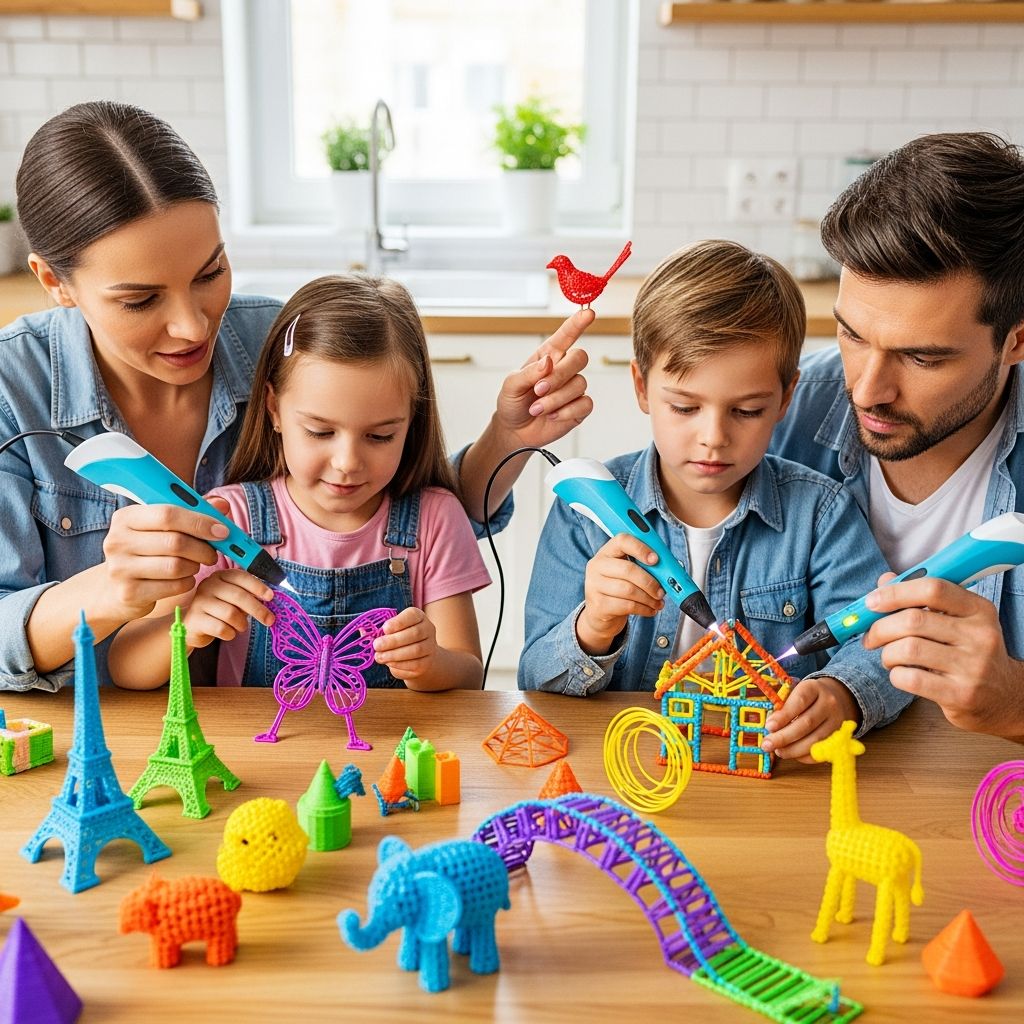
- Invite them into shared activities they already enjoy: games, sports, cooking, music, or creative projects.
- Create small rituals that belong just to you and that child: a weekend walk, a bedtime joke, a shared TV series.
- Practice micro-connection: brief, positive interactions like a smile, a gentle comment, or a short check-in about their day.
- Respect “no” for high-intensity bonding activities at first; let comfort grow at their pace.
Navigating Discipline and Authority
Discipline is one of the most sensitive areas in stepfamilies. Many stepchildren perceive discipline from a stepparent as unfair or illegitimate, particularly early on. A steadier path is to let the biological parent remain the primary disciplinarian while you focus on relationship-building and everyday structure.
As trust grows and norms become clear, your role can gradually expand. The key is that discipline happens inside a relationship, not outside of it. Children are far more likely to cooperate with someone who they feel genuinely understands and cares about them.
Guidelines for Healthier Discipline Roles
- Decide together, as a couple, what the house rules and consequences are before talking to the children.
- Present major rules together, but let the biological parent do most of the direct correcting in the early stages.
- Focus your own authority on things that are directly about you (how you are spoken to, how shared spaces are treated) rather than punishing for broader issues.
- Avoid disciplining out of hurt or a need to prove your status in the family; pause and check your motives when you feel triggered.
Partnering Effectively with the Biological Parent
Your relationship with your partner is the emotional foundation of the home. When the two adults are calm, collaborative, and respectful, children feel safer and less pressured to manage the emotional temperature of the household. Disagreements about parenting are inevitable, but how you handle them makes all the difference.
Think of yourselves as co-leaders of a team. You will not always agree on tactics, but you do need a shared vision of the kind of family environment you want to create: one based on respect, emotional safety, and workable routines.
Practical Co-Parenting Strategies Inside the Home
- Schedule regular private check-ins to talk about the children, rules, and what is or is not working.
- Agree never to argue about parenting decisions in front of the kids; save disagreements for later.
- Back each other up in front of the children whenever possible, then refine the plan together afterward if needed.
- Share your feelings honestly with your partner while avoiding blame; focus on needs, not accusations.
Managing Relationships with the Other Parent(s)
In many blended families, the relationship with an ex-partner or the children’s other parent is one of the most complicated pieces of the puzzle. There may be unresolved hurt, trust issues, or very different parenting philosophies at play. While you cannot control their choices, you can choose not to intensify conflict.
- Avoid criticizing the other parent in front of the children, even if their behavior is difficult; this puts kids in a painful loyalty bind.
- Let logistical communication (schedules, school issues, finances) primarily occur between the biological parents when possible.
- Keep your focus on the children’s sense of safety and stability rather than on who is “right” in adult disputes.
- Remember that children can love more than one adult at the same time without diminishing anyone’s role.
Supporting Children Through Loyalty Conflicts
A central emotional struggle for many stepchildren is the feeling that caring about you betrays their other parent. Even if the other parent encourages the relationship, children might still imagine that you are replacing someone they love or miss. This inner conflict often shows up as sudden anger, rejection, or moodiness around you.
Rather than taking this personally, treat it as a sign that they are trying to protect the importance of their original family. Your job is to send consistent messages that you honor those bonds and that your presence is an addition, not a subtraction.
Ways to Ease Loyalty Binds
- Make explicit statements like, “Your relationship with your mom/dad will always be special, and nothing about us changes that.”
- When they speak positively about the other parent, join them in that warmth instead of going quiet or defensive.
- Allow and even encourage contact, calls, and stories about the other parent when appropriate.
- Do not ask children to report back about what happens at the other household.
Looking After Yourself as a Stepparent
Stepparents often carry a heavy emotional load: managing their own feelings, navigating conflict, and sometimes absorbing children’s pain or anger that predates their arrival. Without deliberate self-care and boundaries, resentment and burnout can quietly build, eventually harming the whole family.
Self-care is not selfish; it is an investment in your capacity to show up with the patience, creativity, and warmth this role demands. Looking after your emotional life makes you a steadier presence for everyone else.
- Stay connected to your own friends, hobbies, and sources of joy outside the family.
- Consider therapy, coaching, or support groups specifically for stepparents.
- Set internal boundaries with yourself about what you can influence versus what is outside your control.
- Allow yourself to grieve the gap between your expectations and reality; this is a normal part of adjustment.
Realistic Expectations: Progress, Not Perfection
Media often presents blended families as either instant disasters or instant fairy tales. In real life, most stepfamilies land in the wide middle: there are tender moments, awkward seasons, setbacks, and gradual breakthroughs. Success is not measured by whether everyone always gets along, but by whether the family can repair, learn, and move forward after conflict.
Instead of aiming for perfection, aim for patterns: more respect over time, more honest conversations, more shared memories, and more emotional safety. Even small shifts in these areas can transform the long-term trajectory of your blended family.
Sample Weekly Check-In Ritual
Many families find it helpful to establish a short, predictable check-in time that gives everyone a voice. This does not have to be formal or heavy. The goal is simply to make it normal to talk about how things are going.
| Step | Activity | Purpose |
|---|---|---|
| 1 | Begin with a brief gratitude round. | Helps everyone notice what is working and lowers defensiveness. |
| 2 | Invite one “rose” (good thing) and one “thorn” (hard thing) from the week. | Normalizes sharing both positive and difficult experiences. |
| 3 | Discuss any practical issues (schedules, chores) briefly. | Reduces confusion and power struggles over logistics. |
| 4 | End with something light or playful (game, joke, shared treat). | Reinforces that even tough topics belong in a fundamentally safe space. |
Frequently Asked Questions About Step Parenting
How long does it usually take to bond with stepchildren?
There is no fixed timeline, but research and clinical experience suggest that it often takes several years for a blended family to feel stable and for deep trust to develop. Some children warm quickly while others remain cautious for a long time. The most reliable predictor of healthy bonds is not speed, but consistent, respectful behavior over time.
Should I try to act like a “real” parent right away?
In most cases, it works better to start in a lower-pressure role focused on connection and support rather than immediate full parental authority. Let the biological parent handle most discipline initially while you build trust and learn the family’s emotional landscape. As your relationship with the children deepens, your authority will feel more natural and less forced.
What if my stepchild openly says they do not like me?
This kind of statement can be very painful, but it is often a clumsy expression of big feelings rather than a permanent verdict on you as a person. Instead of arguing, acknowledge their feelings and stay calm: you might respond with something like, “Thank you for being honest; I know this is a big change.” Over time, keep offering respect and small, positive interactions while also protecting yourself from verbal mistreatment through firm, kind boundaries.
How can I handle different rules between households?
It is common for the two homes in a separated family to have different expectations and routines. Children are capable of adapting to different rules in different places, just as they do at school versus home. Focus on creating clear, predictable guidelines in your home and explaining that every household has its own way of doing things, rather than criticizing the other parent’s approach.
What if my partner sides with their child against me?
This is one of the most painful experiences for stepparents and can erode both the couple relationship and family structure. Ask your partner for a calm, private conversation where you can share the impact on you and explore how to present a more united front without dismissing the child’s feelings. Ideally, both adults work toward a model where the child’s emotions are validated, but the adults still make and uphold decisions together.
Bringing It All Together
Stepparenting is not about being perfect; it is about being present, reflective, and willing to grow alongside your family. When you combine empathy for the children’s experience with clear boundaries and a strong partnership with your spouse, you are already laying the groundwork for a home where everyone can gradually exhale. Over time, the unfamiliar roles and routines can transform into a uniquely resilient, caring family system—one built not on avoiding conflict, but on learning how to navigate it with honesty and heart.