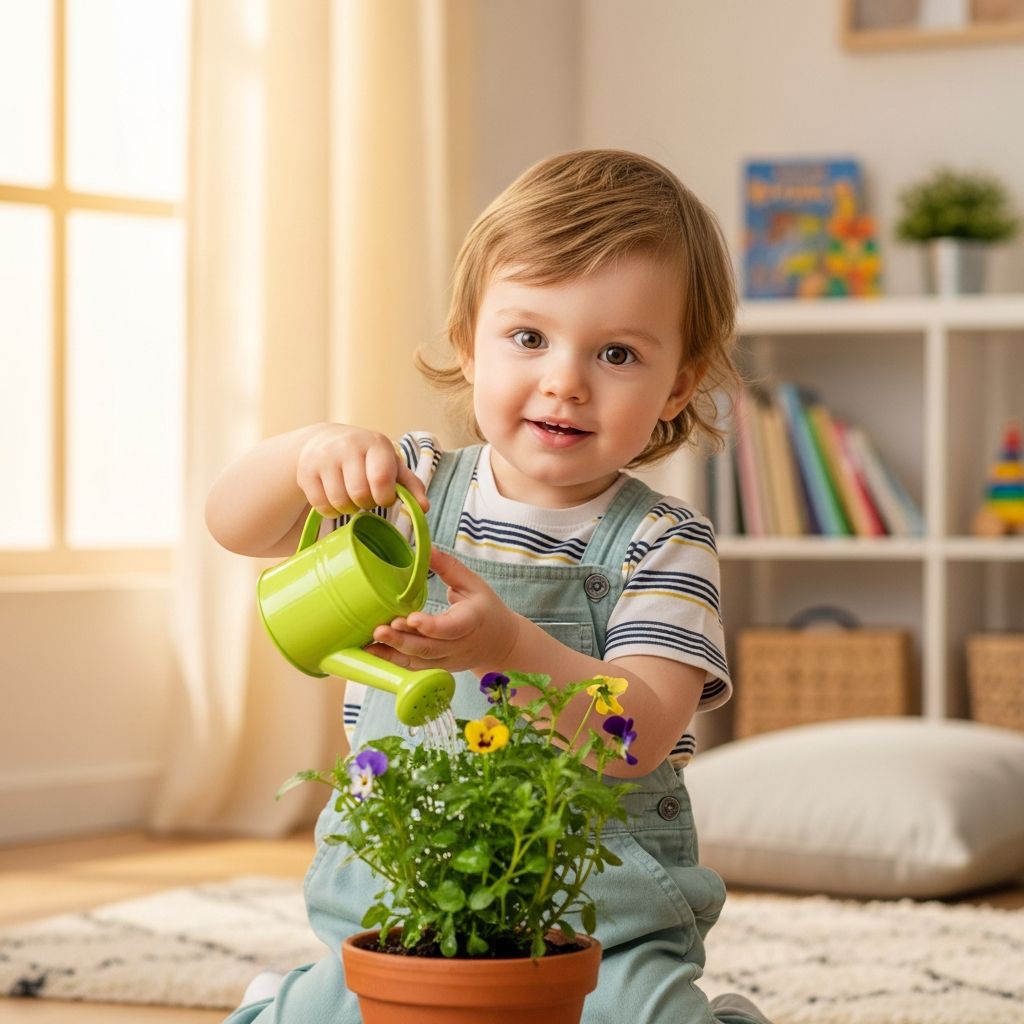
At around 28 months, toddlers enter a phase of rapid emotional and social development where introducing gratitude can profoundly shape their worldview. This guide explores practical, age-appropriate methods to instill thankfulness, drawing from child psychology principles and real-world family practices. By weaving gratitude into daily life, parents can help little ones recognize abundance, reduce whining, and build stronger family bonds.
Why Gratitude Matters for Your Toddler’s Development
Gratitude isn’t just polite words; it’s a foundational skill that enhances emotional intelligence. Research from child development experts shows that children who practice thankfulness exhibit lower stress levels, improved sleep, and greater empathy. For 28-month-olds, who are asserting independence through frequent ‘no’s and demands, gratitude shifts focus from wants to appreciates, curbing tantrums and promoting contentment.
During this toddler stage, brains are wiring for social cues. Expressing thanks reinforces positive neural pathways, making kindness a habit. Families reporting daily gratitude rituals note happier mealtimes and fewer meltdowns, as kids learn to value simple joys like a warm meal or playtime.
Age-Appropriate Strategies to Introduce Thankfulness
Start small with toddlers’ short attention spans. Model behavior first: say ‘thank you’ audibly for everyday acts, like passing a toy. Verbal repetition helps them mimic without pressure. Combine with visuals—point to objects while naming gratitudes, such as ‘I’m thankful for this yummy apple.’
- Daily Modeling: Narrate your thanks during routines, e.g., ‘Thank you for helping Mommy with shoes.’
- Simple Prompts: Ask open questions like ‘What made you smile today?’ to spark reflection.
- Reward Efforts: Praise attempts, even garbled ‘ta-ta,’ to encourage repetition.
Consistency is key; aim for 5-10 minutes daily to avoid overwhelm.
Creative Family Rituals for Building Gratitude Habits
Transform abstract concepts into tangible fun. Gratitude jars top the list: use a clear container where family members drop notes or drawings of daily thanks. For toddlers, pre-draw pictures (sun, family hug) and let them choose or scribble. Review weekly, reading aloud to reinforce memories.
| Ritual | How to Implement | Toddler Benefits |
|---|---|---|
| Gratitude Jar | Daily slips with one thankful item; empty monthly for sharing | Visual tracking builds memory and excitement |
| Thankful Chain | Link paper strips with gratitudes, growing visibly | Hands-on creation fosters pride in positivity |
| Bedtime Thanks | Three things before sleep: family, friends, favorites | Calms mind, improves sleep quality |
These rituals create shared family culture, making gratitude communal rather than chore-like.
Recommended Children’s Books to Spark Thankfulness
Stories captivate toddlers, embedding lessons subtly. Select board books with vibrant illustrations for short sessions. The Gratitude Jar by Katrina Liu follows Mina, who overcomes envy through family jar-filling, leading to overflowing joy by Thanksgiving. Read aloud, pausing to ask ‘What would you put in our jar?’
- The Thank You Letter by Jane Cabrera: Grace thanks everyone from pets to sky, inspiring expansive gratitude.
- Thankful by Elaine Vickers: A girl chains thankful notes during first snow, celebrating small wonders.
- GRATITUDE IS MY SUPERPOWER by Alicia Ortego: A child shares gratitude stones, spreading positivity.
- Look and Be Grateful by Tomie dePaola: Encourages appreciating daily sights like sunrises.
- Otis Gives Thanks: Farm tractor thanks land and friends, relatable for animal lovers.
Incorporate one book weekly, discussing illustrations to personalize: ‘Are you thankful for your teddy like Otis?’ This builds vocabulary and emotional depth.
Overcoming Common Challenges in Teaching Gratitude
Toddlers crave autonomy, often resisting ‘forced’ thanks. Counter by offering choices: ‘Say thank you with words or a hug?’ If whining persists, redirect to gratitude lists: ‘Instead of wanting more toys, what do we love about this one?’.
Parental consistency falters under fatigue—set reminders via apps. For multi-child homes, pair older siblings as models. Track progress in a journal: note tantrum reductions post-rituals, motivating persistence.
Address materialism: Contrast wants vs. needs through stories like The Boy Who Had Everything, where a child learns appreciation after seeing a friend’s sacrifices.
Daily Routines Infused with Gratitude for Lasting Impact
Embed in existing schedules for sustainability. Morning: Thankful wake-up song. Meals: Pass food with ‘thanks.’ Playtime: Thank friends for sharing. Bedtime: Recap three gratitudes.
- Wake-up: ‘Thank you for a new day!’
- Breakfast: Name one food joy.
- Park: Thank nature/weather.
- Dinner: Family share circle.
- Bed: Whisper thanks prayer.
Studies affirm daily practice yields measurable happiness boosts in young children. Adapt for busy days—quick high-fives with ‘thanks!’ suffice.
Long-Term Benefits and Scientific Backing
Beyond immediate calm, gratitude cultivates resilience. Longitudinal observations link early thankfulness to teen prosocial behavior. Families using jars report sustained mood lifts, with kids independently voicing thanks.
Psychologists recommend pairing with growth mindset talks: ‘We appreciate efforts, not just outcomes.’ This equips toddlers for life’s ups/downs.
Frequently Asked Questions (FAQs)
What age is best to start teaching gratitude?
Around 24-30 months, when language blooms and empathy emerges. Start with modeling before expecting responses.
How do I handle a toddler who refuses to say thank you?
Don’t force; model enthusiastically and praise small tries. Use puppets or songs to make it playful.
Can gratitude reduce tantrums in 28-month-olds?
Yes, by refocusing on positives, it diminishes demand-driven meltdowns, per family anecdotes and studies.
Are gratitude jars suitable for non-readers?
Absolutely—use drawings, stickers, or photos for toddlers to participate fully.
What if my family forgets the routine?
Restart gently; even sporadic practice builds habits. Use visual cues like jar on table.
Advanced Tips for Busy Parents
Integrate tech sparingly: Gratitude apps with toddler modes for audio prompts. Community: Join playgroups for collective sharing. Holidays: Amplify with thankful trees using leaves as notes.
Measure success by qualitative shifts—more smiles, fewer complaints—not perfection. Celebrate family milestones, like first unprompted ‘thank you.’
References
- The Boy Who Had Everything (A Story of Gratitude for Kids) — Your Modern Family. Accessed 2026. https://www.yourmodernfamily.com/gratitude-for-kids/
- THE GRATITUDE JAR – Kids Books Read Aloud — Mahla’s Story Time (YouTube). 2023. https://www.youtube.com/watch?v=4J5p0LbX3gw
- The Gratitude Jar By Katrina Liu READ ALOUD — YouTube. 2023. https://www.youtube.com/watch?v=hNecZtPM454
- 10 Bedtime Stories that Teach Gratitude — Lullaby Earth. Accessed 2026. https://www.lullabyearth.com/blog/gratitude
- A Cozy Read-Aloud About Gratitude, Family, and the First Snow — samantha cotterill (YouTube). 2023. https://www.youtube.com/watch?v=Jf-2lQICbpM
- GRATITUDE IS MY SUPERPOWER by Alicia Ortego — YouTube. 2023. https://www.youtube.com/watch?v=vKGJHrS64RM
- Books on Gratitude for Babies and Toddlers — Read Brightly. Accessed 2026. https://www.readbrightly.com/board-books-on-gratitude/