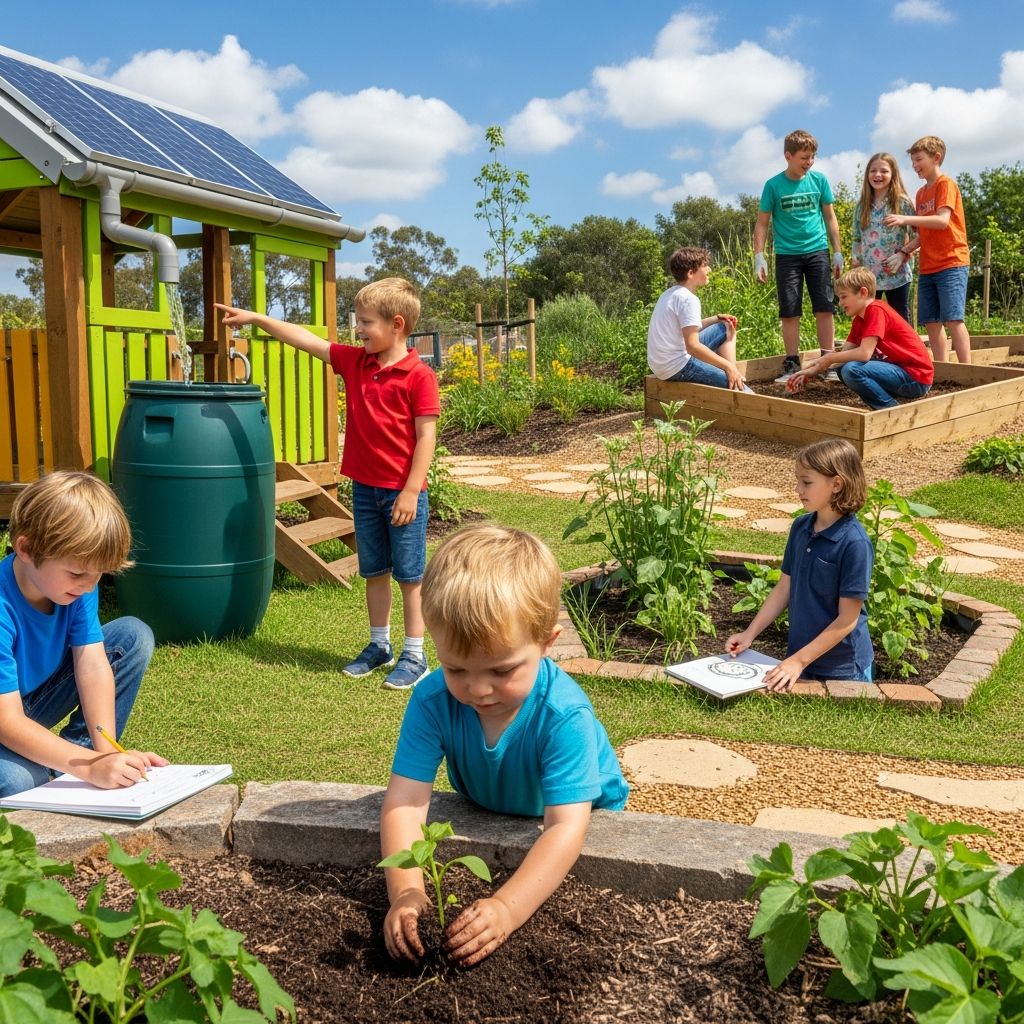
Climate change affects everyone, but children bear the brunt of its long-term consequences. Equipping them with resilience starts with tailored education that matches their developmental stage, emphasizing understanding, emotional coping, and actionable steps. This guide outlines practical methods for parents and educators to nurture climate-savvy kids who feel empowered rather than overwhelmed.
Understanding Climate Resilience for Young Minds
Climate resilience means adapting to environmental shifts while actively mitigating them. For children, it involves grasping basic concepts like weather patterns and human impact without inducing fear. Research highlights that early, positive exposure to nature and solutions reduces anxiety and promotes lifelong stewardship. Programs integrating hands-on learning show students can lower emissions through informed choices, akin to renewable energy impacts.
Key principles include balancing facts with hope, linking global issues to local realities, and using interactive tools. This approach aligns with standards in 40 U.S. states mandating climate literacy, ensuring kids connect classroom knowledge to real-world action.
Early Years (Ages 2-5): Sparking Wonder Through Nature Play
Toddlers and preschoolers learn best via senses and play. Introduce climate ideas through outdoor exploration, focusing on weather changes and caring for living things.
- Daily Nature Walks: Point out seasonal shifts, like falling leaves or budding flowers, asking simple questions: “What do you notice today?” This builds observation skills without jargon.
- Sensory Experiments: Use water play to mimic rain cycles or plant seeds to show growth resilience against dry spells. Household items make it accessible.
- Storytime with Eco-Twists: Read books about animals adapting to habitats, discussing how we help by picking up trash.
These activities foster connection to nature, a buffer against future anxiety. Spend time in green spaces with peers to enhance social bonds and resilience.
Elementary School (Ages 6-9): Hands-On Discovery and Simple Solutions
School-age kids crave facts and projects. Shift to concrete examples of climate effects and easy fixes, tying into school subjects.
| Activity | Learning Goal | Materials Needed |
|---|---|---|
| Backyard Gardening | Understand plant resilience to weather | Pots, soil, seeds |
| Recycling Sort Game | Reduce waste impact | Household recyclables |
| Water Conservation Challenge | Conserve resources | Timer, measuring cups |
Incorporate simulations like building mini-greenhouses from recyclables to visualize warming effects. Localize lessons: If your area faces droughts, track rainfall and discuss conservation laws kids can draft.
Emphasize solutions—planting trees absorbs CO2, visible via simple demos. This empowers them, countering fatalism.
Middle School (Ages 10-13): Exploring Causes, Effects, and Community Roles
Pre-teens handle complexity, questioning human roles in climate shifts. Use data visuals and group projects to analyze vulnerabilities.
- Case Study Reviews: Examine U.S. resilience efforts, like flood barriers, debating fairness in impacts.
- Role-Play Town Halls: Simulate meetings on local risks, assigning roles to build empathy and strategy skills.
- Tech Tools: Apps and videos simulate emissions; track personal carbon footprints via online calculators.
Address emerging eco-anxiety by validating feelings then pivoting to action: Join school clubs or community gardens. Positive news shares, like renewable advances, maintain optimism.
Teens (Ages 14+): Critical Thinking, Advocacy, and Global Perspectives
High schoolers seek purpose. Dive into policy, justice, and activism, using debates and real-world simulations.
Connect to curriculum: In history, link Industrial Revolution to modern consumption; in civics, model climate trials. Games on policy negotiations teach trade-offs in emissions vs. economy.
- Advocacy Projects: Write policymakers or create PSAs on regional issues like wildfires.
- Mindfulness Practices: Age-appropriate meditation to process global news.
- Volunteer Initiatives: Habitat restoration or sustainability audits at school.
Highlight youth movements for inspiration, fostering agency.
Combating Eco-Anxiety Across All Ages
Climate worry is real; 2019 expert advice urges processing emotions via nature time and action. Strategies:
- Listen actively: “How does this make you feel?”
- Share family actions: Energy-saving challenges.
- Curate positive content: Success stories from UN or nonprofits.
For programs, nature access builds ecosystem resilience and child well-being.
Parental and Educator Toolkits
Resources abound: Project WET’s guides for interactive lessons; EcoRise for justice-focused plans. Nonprofits offer free videos, printables.
- Professional development: Trainings on hopeful teaching.
- Home-school links: Weekend projects reinforcing classwork.
Frequently Asked Questions
What if my child feels overwhelmed by climate news?
Balance with solutions-focused talks and nature breaks. Encourage small actions like biking to school.
How do I start conversations at home?
Use dinner chats: “What eco-hero did you learn about today?” Keep it light and inquisitive.
Are there free online resources?
Yes, sites like C2ES offer home activities; Drawdown provides kid-friendly visuals.
Can young kids grasp climate science?
Through play, yes—focus on observable changes like extreme weather prep.
How to involve teens in real change?
Support clubs, petitions; simulations build advocacy skills.
Creating Lasting Change: A Family Commitment
Consistency across ages builds resilient generations. Model behaviors—recycle, conserve—and celebrate progress. Schools integrating resilience prep communities for impacts. Together, turn awareness into action for a thriving planet.
References
- Educating Our Youth on Climate Change: Strategies and Resources — Project WET. 2023-05-15. https://www.projectwet.org/blog/educating-our-youth-climate-change-strategies-and-resources
- How to teach climate change to kids at home — Center for Climate and Energy Solutions (C2ES). 2020-04-01. https://www.c2es.org/2020/04/how-to-teach-climate-change-to-kids-at-home/
- 4 Strategies for Teaching About Climate Change — Edutopia. 2023-01-10. https://www.edutopia.org/article/climate-change-lesson-plans/
- Introduce Your Students to Climate Resilience — EcoRise. 2024-02-20. https://www.ecorise.org/news/intro-to-climate-resilience/
- How Can We Help Kids Cope with Anxiety about Climate Change? — UCSF Magazine. 2023-11-05. https://magazine.ucsf.edu/helping-kids-cope-with-climate-change-anxiety
- How to talk to kids about climate change — Project Drawdown. 2023-08-12. https://drawdown.org/insights/how-to-talk-to-kids-about-climate-change
- Climate Resilience and Children’s Nature Connection: A Toolkit — Children & Nature Network. 2024-06-01. https://www.childrenandnature.org/resources/climate-resilience-and-childrens-nature-connection-a-toolkit/