Understanding the Fundamentals of Treading Water
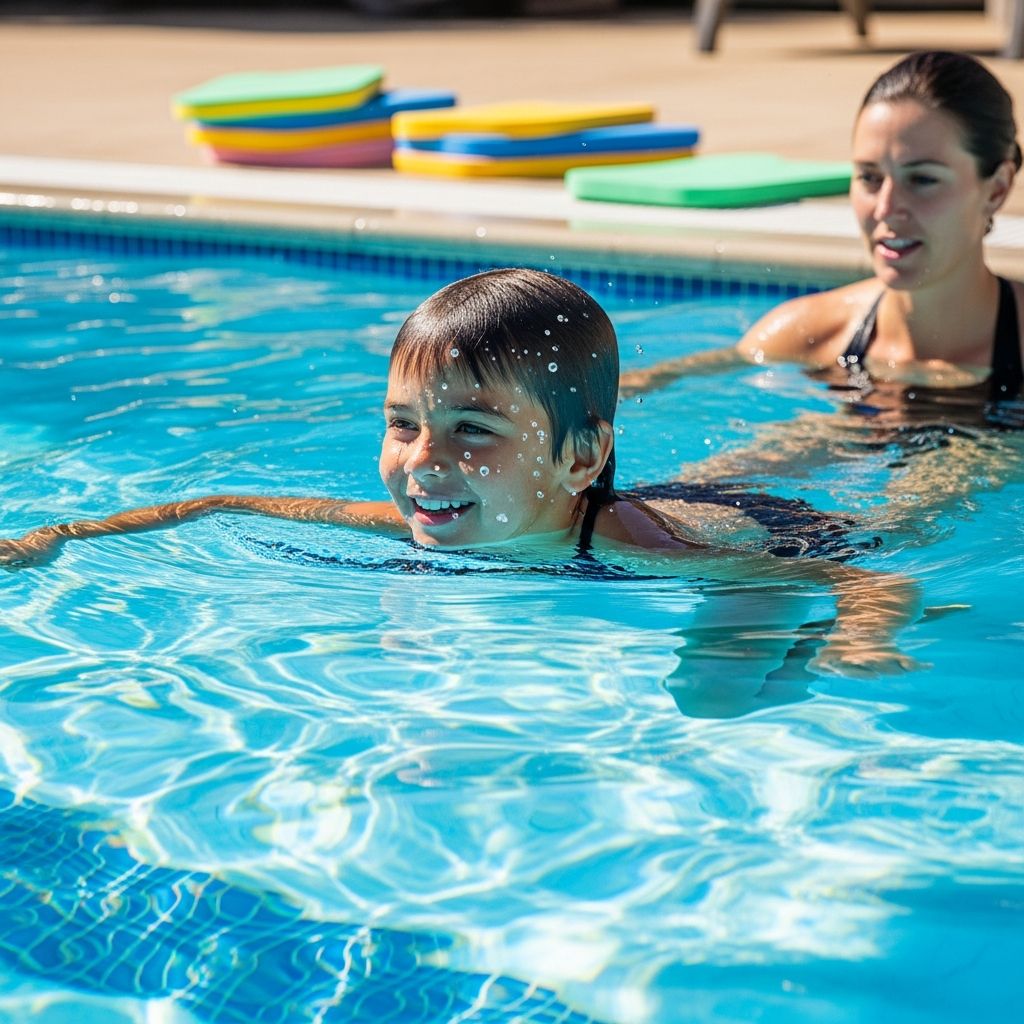
Treading water represents one of the most valuable survival skills a child can develop in an aquatic environment. Unlike traditional swimming strokes that propel a person forward or backward through the water, treading water focuses on maintaining a stationary or near-stationary position while keeping the head above the surface. This skill serves multiple purposes: it provides a rest point during swimming activities, builds confidence in deeper water, and offers a crucial survival mechanism if a child finds themselves in an unexpected water situation.
The mechanics of treading water involve two primary components working in harmony. First, the arms must perform specific movements that create upward pressure, while simultaneously the legs execute controlled motions to maintain vertical positioning. The beauty of this skill lies in its flexibility—there is no single “correct” way to tread water. Children naturally develop their own variations based on their body composition, strength levels, and comfort in the water. This adaptability makes treading water an accessible skill for most children, regardless of their initial swimming ability or athletic background.
Parents should understand that successful treading water doesn’t require explosive movements or constant vigorous activity. Rather, it emphasizes sustainable, controlled motions that allow children to remain afloat while expending minimal energy. This energy conservation aspect becomes particularly important as children progress and face longer durations in the water.
Preparing Your Child: Pre-Treading Water Foundations
Before introducing formal treading water instruction, children benefit from developing basic water comfort and body awareness. Begin by ensuring your child is comfortable with their face in the water, understands how to hold their breath deliberately, and can float on their back with support. These foundational skills create the confidence necessary to progress toward more complex movements.
Assessment of your child’s readiness involves observing their comfort level in progressively deeper water and their ability to follow simple instructions. Children who panic easily or demonstrate extreme anxiety in deeper water may benefit from additional time building confidence before beginning formal treading water lessons. This preparation phase isn’t wasted time—it’s essential groundwork that prevents setbacks and discouragement.
Phase One: Mastering Upper Body Arm Movements
The first phase of treading water instruction focuses exclusively on the arm movements, specifically a technique known as sculling. This technique uses the hands and forearms to create pressure against the water that generates upward lift, allowing the body to remain higher in the water column.
Begin this phase in shallow water where your child can stand comfortably. Instruct them to position their hands underwater alongside their body, approximately at waist level. Their wrists should remain relatively stiff with hands open and slightly cupped, as if gently holding water in their palms. From this position, they execute a rhythmic sweeping motion: hands move toward the center of their body (toward the belly button), then spread outward and away from each other before returning to repeat the motion.
A helpful analogy compares this movement to attempting a silent clap—the hands approach one another but never actually make contact. This prevents crossing the hands or creating conflicting water pressure. Encourage your child to practice this motion for several minutes, focusing on smooth, controlled movements rather than speed or force.
Common errors during this phase include:
- Hands becoming too rigid or tense, reducing the effectiveness of pressure generation
- Arms moving above the water surface, which eliminates the lifting effect
- Hands crossing completely, creating turbulence rather than upward pressure
- Arms too far from the body, reducing leverage and control
Phase Two: Developing Effective Leg Propulsion
Once your child demonstrates comfort with the arm sculling motion, transition to teaching the leg component. Move to deeper water where your child cannot touch the bottom, but remain close enough to provide reassurance and physical support. Have them hold onto you, a wall, or the pool edge while focusing exclusively on their leg movements.
Most children naturally gravitate toward a flutter kick—straight legs with knees locked, moving back and forth rapidly. While this method may keep some children above the surface, it demands enormous energy expenditure and leads to rapid fatigue. Instead, guide them toward a stomping or pedaling motion that requires significantly less effort while providing superior results.
Instruct your child to bend their knees and imagine they’re pedaling a bicycle while standing upright in the water. The emphasis should fall on downward and outward pressure rather than rapid movement. Each leg extends downward with force, then returns upward to the starting position. As they develop competency, encourage them to stomp with their feet spread wider apart, creating a broader base of support underneath their body.
This pedaling or stomping motion generates more powerful thrust than flutter kicking while consuming significantly less energy. The wider leg positioning provides better stability and prevents the body from tilting or sinking unexpectedly. Practice this motion independently for several minutes before combining it with the arm movements.
Phase Three: Integration and Independent Practice
After your child demonstrates comfort with both the arm sculling and leg stomping movements performed separately, begin integrating these components. Position yourself nearby and have your child slowly move away from you while simultaneously executing both the arm and leg motions. Remain close enough to provide immediate assistance if they become nervous or slip below the surface, but encourage them to focus on breathing and maintaining their composure.
For younger children or those who seem hesitant about independent practice, employ a foam noodle positioned horizontally under their armpits. This device provides flotation support while allowing them to execute proper arm and leg movements without their body sinking. The noodle essentially removes the anxiety about sinking, allowing them to concentrate entirely on technique development. Gradually reduce support by raising the noodle slightly or moving it to just fingertip contact, allowing them to build confidence incrementally.
Alternatively, hold your child under their arms, positioned directly in front of them where they can see your face and feel secure. Gradually release your support with one hand while maintaining contact with the other, allowing them to experience semi-independent treading. This progression builds confidence systematically without introducing sudden vulnerability.
Encourage consistent breathing patterns throughout this phase. Remind your child to keep their head upright and face above the water surface, breathing normally between movements. Many children hold their breath when concentrating on physical movements, which increases tension and reduces efficiency.
Advancing Efficiency: Energy Conservation Techniques
Once your child achieves the ability to tread water for extended periods without exhaustion, introduce the concept of efficiency. Challenge them to tread water using the slowest possible movements while maintaining their head above the surface. This efficiency training teaches an invaluable lesson: the minimum effort required to achieve buoyancy conserves energy for extended water survival situations.
Many children initially employ exaggerated or overly vigorous movements. Gradually reducing speed and movement amplitude while maintaining flotation develops greater body awareness and control. This represents the transition from simply staying afloat to treading water skillfully, with subtlety and efficiency.
Practice this efficiency work regularly, challenging your child to find their personal slowest sustainable pace. This becomes particularly important in emergency scenarios where conserving energy directly correlates with survival duration.
Integration with Other Swimming Skills
Treading water achieves maximum benefit when incorporated into broader swimming skill development. Rather than treating it as an isolated technique, use treading water as a transition point between other swimming movements and floating positions.
Consider incorporating these compound skill drills into your practice sessions:
Swimming Transitions
Have your child tread water while you position yourself at a distance. Upon your signal, they stop treading, place their face in the water, and swim freestyle toward you using proper stroking technique. Once they reach you, they resume treading water and hold position. This sequence builds the practical reality that treading water serves as both a rest point and a launch position for active swimming.
Floating Recovery Drills
While treading water, periodically signal your child to transition into a back float. This movement—laying their head back onto the water surface while pushing their stomach upward—provides essential recovery when fatigue threatens. After floating for recovery, have them “stand” back up and resume treading. This combination teaches children that multiple flotation methods exist and that they can transition between them based on their immediate needs.
Combination Movement Sequences
Create practice routines that combine multiple skills: tread water for 30 seconds, float on back for 20 seconds, resume treading for 30 seconds, execute a brief freestyle swim, then return to treading. These compound sequences develop flexibility and adaptability in water environments while building cardiovascular endurance and water confidence.
Creating Effective Practice Sessions
Consistency and structure produce better results than sporadic, unplanned practice. Establish regular practice sessions—ideally twice weekly—focusing on gradual progression rather than rushing advancement. Each session should include:
- Five to ten minutes of warm-up movements in shallow water
- Ten to fifteen minutes focused on the current learning objective
- Five minutes of review consolidating previously learned skills
- Five to ten minutes of integrated skill practice or play
- A positive conclusion that leaves your child eager to return for the next session
Keep practice sessions relatively brief, especially for younger children. Fatigue reduces learning effectiveness and increases injury risk. Short, frequent sessions produce superior long-term results compared to extended, infrequent sessions.
Using Games and Playful Approaches
Transform treading water practice into engaging games rather than formal drills. These approaches maintain interest and motivation while developing competency:
- “Still Statues” challenges children to maintain perfect position while treading water, rewarding stillness rather than movement
- “Wave Makers” encourages efficient arm movements by having children create visible waves while treading
- “Balance Challenges” involve maintaining proper body alignment while treading in different pool locations
- “Distance Contests” safely challenge children to tread water while gradually increasing distance from a parent or wall
- “Slow Motion Treading” transforms efficiency practice into a fun challenge to move as minimally as possible
Safety Considerations and Supervision
Constant, attentive supervision remains non-negotiable during all treading water practice. Maintain visual contact at all times, position yourself within immediate reaching distance, and keep your arms ready for rapid intervention if needed. Never leave a child unsupervised in deeper water, regardless of their treading water proficiency.
Teach your child clear signals for communicating fatigue or distress. They should understand that it’s acceptable—even preferable—to request assistance before becoming exhausted. Normalize communication about difficulty rather than encouraging children to silently struggle.
Progression Timeline and Realistic Expectations
Treading water proficiency develops gradually over weeks or months, not days. Most children require several months of consistent practice to develop reliable, efficient treading water skills. Variations in individual development are completely normal—factors including natural buoyancy, body composition, strength development, and prior water experience all influence progression pace.
Celebrate incremental improvements rather than expecting immediate mastery. A child who can tread water for 30 seconds with support represents significant progress. Building toward extended independent treading develops naturally with continued practice and encouragement.
Frequently Asked Questions
Q: At what age should children begin learning treading water?
A: Children typically develop sufficient coordination and strength to learn basic treading water concepts around ages 5-6, though individual readiness varies significantly. Prior water comfort and swimming foundation skills matter more than specific age.
Q: What if my child is afraid of deeper water?
A: Build confidence gradually using noodles, parental support, and shallow water practice first. Never force progression to deeper water. Work with your child’s comfort level and celebrate improvements at each stage.
Q: How long should treading water practice sessions last?
A: Keep sessions relatively brief—10-15 minutes of focused instruction with younger children. Longer sessions reduce learning effectiveness and can increase fatigue-related risks.
Q: Is treading water an essential survival skill?
A: While important, treading water is one component of water safety. Back floating, swimming ability, and prevention through supervision and life jackets remain equally critical survival skills.
Q: Can children with different swimming abilities learn together?
A: Yes, but provide individualized support and progression based on each child’s level. Group learning can be effective with proper supervision and differentiated instruction.
References
- How to Teach a Kid to Tread Water In 3 Easy Steps — Fatherly. 2025. https://www.fatherly.com/play/how-to-teach-kid-tread-water
- How to teach swimming lessons – Treading water — Swimming Ideas. 2025. https://www.swimminglessonsideas.com/blog/teach-swimming-lessons-treading-water/
- Teach Your Child to Tread Water and Make Them Safe at the Pool — Shaquatics Water Polo. 2023-08-07. https://www.youtube.com/watch?v=4ID30tMA-dY
- How to Teach a Child to Tread Water — YouTube. 2025. https://www.youtube.com/watch?v=DfLgg2t5gQ4