Children today are immersed in a world where celebrities dominate screens, feeds, and conversations. From TikTok influencers to Hollywood actors, these figures shape young minds, influencing everything from fashion choices to life values. Parents often face the challenge of addressing this fascination constructively, turning potential pitfalls into opportunities for growth. This article provides a roadmap for meaningful discussions that promote critical thinking and self-awareness.
Understanding the Allure of Fame in Children’s Lives
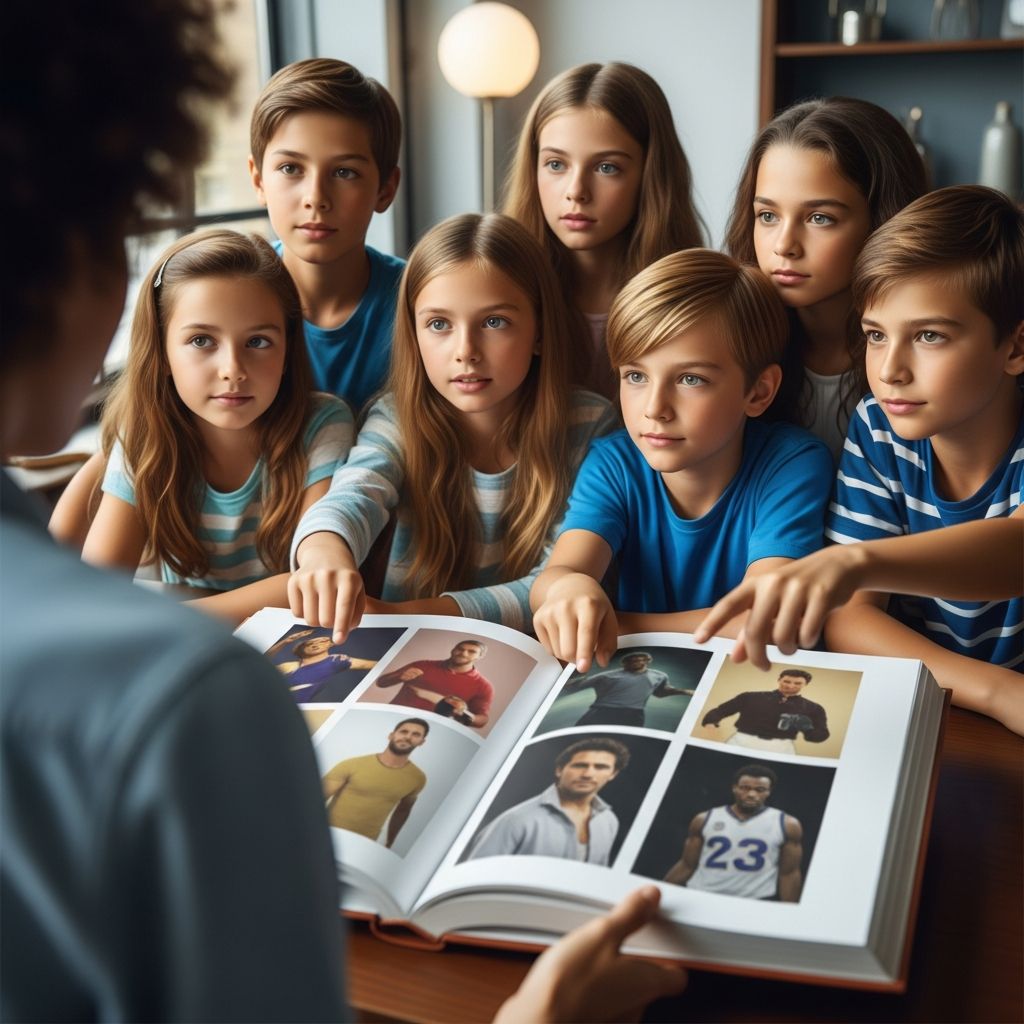
Youngsters naturally gravitate toward celebrities who appear glamorous and accomplished. This hero-worship stems from a developmental need to aspire and identify with success stories. Social media amplifies this by creating an illusion of personal connection—stars post directly to fans, fostering a sense of intimacy that blurs lines between public persona and private life.
Research highlights that children aged 6-12 frequently cite celebrities as admired figures, often knowing more about them than their real-life peers. This shift prioritizes ‘fake world’ relationships over everyday ones, prompting parents to intervene thoughtfully.
Navigating Controversies and Public Missteps
When a beloved star faces scandal—be it legal troubles, public outbursts, or personal failures—kids may react with denial or distress. Dismissing their feelings alienates them; instead, validate emotions while introducing nuance. Explain that fame doesn’t confer perfection; celebrities are humans prone to errors, just like anyone.
- Listen actively: Ask open questions like, “How do you feel about this news?” to uncover their perspective.
- Normalize imperfection: Share age-appropriate examples of growth from mistakes, emphasizing accountability.
- Discuss consequences: Explore how actions impact others, linking to real-life ethics without judgment.
This approach builds resilience, teaching that idols can falter without losing all value, provided they own up responsibly.
Social Media’s Role in Shaping Perceptions
Platforms like Instagram and YouTube deliver curated content, where filters, edits, and selective sharing craft unattainable ideals. Children perceive these as authentic glimpses, leading to unrealistic expectations. Parents should demystify this by demonstrating editing tools and ‘before-and-after’ comparisons.
| Platform Feature | Potential Impact on Kids | Parental Strategy |
|---|---|---|
| Filters & FaceTune | Distorted body image | Show unedited celebrity photos |
| Direct Messaging Style | Illusion of friendship | Discuss ‘highlight reels’ vs. full lives |
| Sponsored Posts | Blind endorsements | Question motives: ‘Why promote this?’ |
Encourage kids to question: Is this real, or staged for likes? Such skepticism empowers them against manipulation.
Addressing Body Image and Appearance Standards
Celebrities often promote extreme aesthetics, from ultra-slim figures to sculpted physiques, fueling insecurities. Counter this by highlighting authenticity advocates like those who share unretouched images. Stress health over size: ‘Be the best version of yourself, not a copy of someone else’.
- Expose photoshop evidence to reveal industry tricks.
- Celebrate diverse bodies in media and real life.
- Model positive self-talk at home.
Studies from child psychology underscore that balanced parental input prevents negative self-perception.
Evaluating Role Model Worthiness
Not all stars merit pedestal placement. Guide children to assess based on consistent values alignment—kindness, perseverance, integrity—over fleeting fame. Compare celebrity influence to that of teachers, family, or coaches, who offer tangible support.
Key criteria for discussion:
- Do their actions match their words?
- How do they handle adversity?
- Are promotions genuine or profit-driven?
Age-Appropriate Conversation Tactics
For Younger Children (Ages 5-8)
Use simple analogies: “Stars are like actors in a play—they show their best side.” Focus on fun aspects while noting everyone has off days.
For Tweens (Ages 9-12)
Dive into media literacy: Analyze posts together, spotting edits and agendas. Discuss peer pressure parallels.
For Teens (Ages 13+)
Tackle deeper issues like mental health struggles or activism. Encourage independent research on scandals for informed opinions.
Tailoring depth to maturity ensures engagement without overwhelming.
Fostering Healthy Fandom Boundaries
Admiration can motivate, but excess leads to obsession. Set guidelines: limit screen time for fan content, prioritize real relationships, and pursue personal goals inspired—not dictated—by idols.
- Co-create ‘idol checklists’ for balanced evaluation.
- Balance with local heroes: community leaders, athletes.
- Monitor emotional investment; intervene if distress arises.
Common Parental Concerns and Solutions
| Concern | Example Scenario | Solution |
|---|---|---|
| Blind Loyalty | Kid defends star’s bad choice | Gently present facts, ask probing questions |
| Product Pressure | Urging buys from endorsements | Research together: value vs. hype |
| Identity Confusion | Mimicking extreme styles | Affirm uniqueness, explore personal style |
Frequently Asked Questions
What if my child gets upset about a celebrity scandal?
Empathize first: “It’s okay to feel disappointed.” Then pivot to learning: “Even favorites mess up—how might they fix it?”
How do I spot influencer manipulation?
Look for disclosure tags, sudden product pushes, or inconsistent messaging. Teach kids to pause and verify.
Should I ban celebrity talk altogether?
No—prohibition breeds secrecy. Open dialogue builds trust and discernment.
Can positive celebrity stories help?
Absolutely. Highlight stars modeling resilience, charity, or authenticity to inspire positively.
How involved should I be in their online follows?
Regularly review ‘fake friends’ alongside real ones. Discuss impacts openly.
Long-Term Benefits of These Discussions
Equipping kids with media savvy cultivates lifelong critical thinkers. They learn to value substance over sparkle, prioritizing real connections and self-acceptance. Parents modeling curiosity and non-judgment strengthen family bonds amid digital noise.
Integrate these talks into daily routines—over dinner, during car rides—for natural reinforcement. Over time, children internalize balanced views, navigating fame’s allure with confidence.
References
- How to Talk to Kids about Celebrity Culture, Influence & Imperfections with Cooper Lawrence, PhD — Dr. Robyn Silverman. 2024. https://drrobynsilverman.com/how-to-talk-to-kids-about-celebrity-culture-influence-imperfections-with-cooper-lawrence-phd-rerelease/
- Explaining Celebrity Mistakes to Kids — Ask Dr. G (Deborah Gilboa). N/A. https://askdoctorg.com/explaining-celebrity-mistakes-to-kids/
- 4 Ways to Talk to Kids about their Celebrity Influencers — Confident Parents Confident Kids. 2018. https://confidentparentsconfidentkids.org/portfolio/on-arianna-huffingtons-thrive-global-4-ways-to-talk-to-kids-about-their-celebrity-influencers/