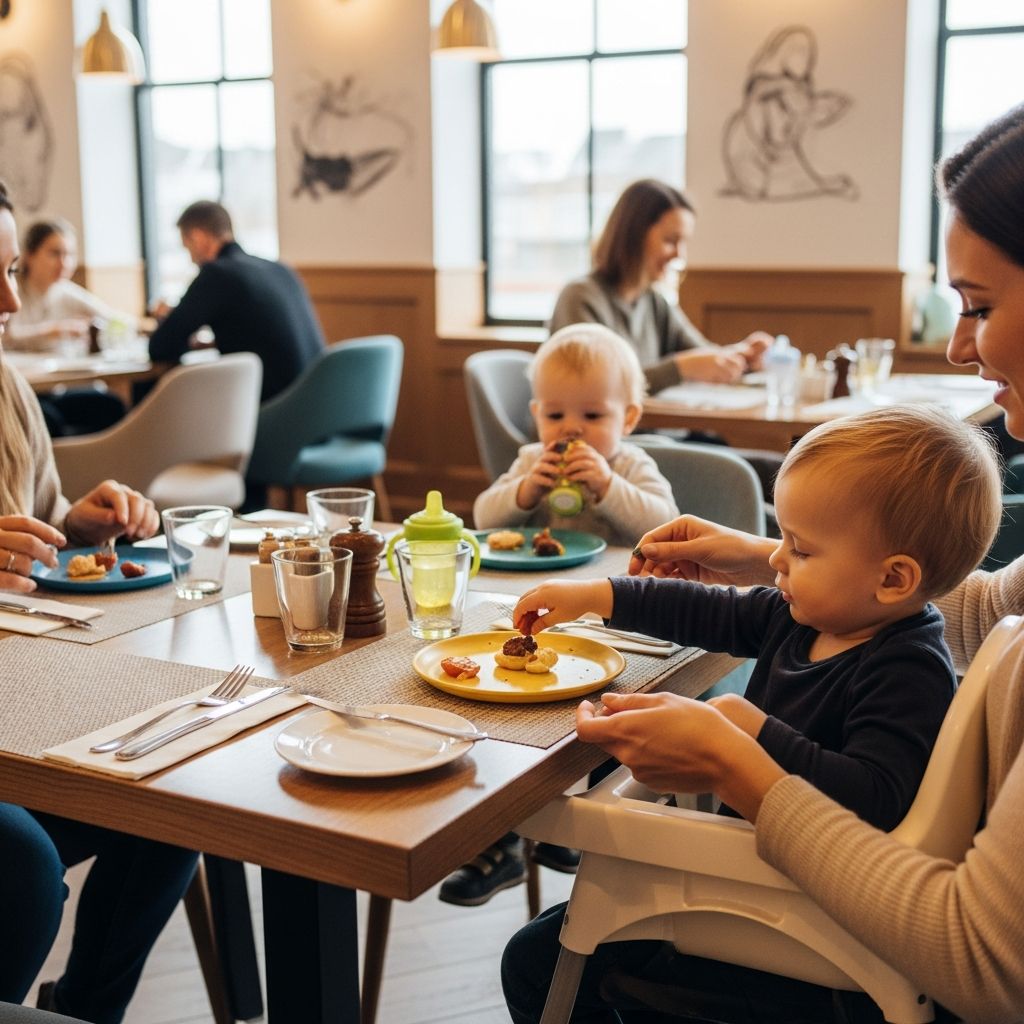
Taking toddlers to restaurants can transform a simple family meal into a delightful outing rather than a chaotic ordeal. With the right preparation and tactics, parents can navigate busy eateries, keep little ones content, and enjoy quality time together. This guide draws on practical advice to help you plan ahead, select venues wisely, and handle common challenges like hunger meltdowns or restlessness.
Planning Your Restaurant Adventure
Success starts before you leave home. Thoughtful preparation sets the tone for a positive experience, minimizing surprises and maximizing enjoyment for everyone involved.
- Check schedules and menus online: Review restaurant websites or apps to preview options, including kids’ selections and high chair availability. This saves time at the table and lets you spot toddler-friendly dishes like simple pastas or grilled proteins with familiar sides.
- Time it right: Aim for off-peak hours, such as early dinners around 5 PM or late lunches, to dodge crowds, shorter waits, and a more relaxed atmosphere where staff can focus on families.
- Assess family readiness: Ensure toddlers aren’t overtired or overly hungry. A short nap and pre-outing snack can prevent crankiness from derailing the meal.
These steps create a buffer against unpredictability, turning potential stress into smooth sailing.
Selecting the Perfect Family-Friendly Venue
Not all restaurants suit dining with young children. Prioritize spots designed for families to boost comfort and reduce disruptions.
| Venue Type | Pros | Cons | Best For |
|---|---|---|---|
| Casual Diners | High chairs, kids’ menus, noise-tolerant | Can get busy | Everyday outings |
| Outdoor Patios | Fresh air, space to move | Weather-dependent | Warm days |
| Fast-Casual Chains | Quick service, simple foods | Limited variety | Short visits |
| Upscale Bistros (Avoid) | Quiet ambiance | No kids’ amenities, formal vibe | Adults only |
Call ahead to confirm booster seats or coloring activities. Family-oriented places often welcome requests for corner booths, providing privacy and space for any spills or wiggles.
Packing the Essential Toddler Kit
A well-stocked bag is your secret weapon. Focus on items that address hunger, boredom, and messes without overloading.
- Snacks galore: Portable favorites like crackers, fruit pouches, cheese sticks, or yogurt squeezes bridge hunger gaps. Opt for non-messy, low-crumb options.
- Special restaurant toys: Reserve “outing-only” items such as quiet books, stacking rings, or soft figurines. Novelty keeps them engaging without home boredom.
- Practical gear: Spill-proof cups, bibs, wet wipes, and a small plate or divider for portioning food. A change of clothes handles accidents.
- Comfort items: A favorite blanket or lovey for security during waits.
Pack light but strategically—aim for items that multitask, like wipes for cleaning toys and tables alike.
Mastering the Art of Ordering and Timing
Speed and strategy in ordering keep hangry moments at bay. Communicate clearly with servers from the start.
- Order drinks and kids’ meals immediately: Upon seating, request toddler food with appetizers or drinks. This allows cooling time and aligns with short attention spans.
- Customize for safety: Ask for lukewarm temperatures, cut-up portions, or sides like fries as “fun treats” to encourage eating.
- Skip rigid kids’ menus: Let toddlers select from adult options with modifications, fostering excitement and exposure to new flavors.
- Request small plates: Divide large servings to avoid overwhelm and speed cooling.
Pro tip: If appetizers are ordered, time the child’s main with them for continuous engagement.
Seating and Comfort Tactics
The right spot enhances control. Request booths or corners for containment, and delay high chairs until food arrives to preserve wiggle room.
- Hold toddlers on laps initially, alternating with a partner for breaks.
- Walk around briefly pre-meal to burn energy, pointing out sights like kitchens or decorations.
- Use booth backs as natural barriers against noise escape.
These adjustments respect other patrons while prioritizing your family’s needs.
Keeping Toddlers Entertained During Waits
Boredom breeds chaos. Layer activities to match wait phases.
- Phase 1 (Arrival): Snacks and lap play.
- Phase 2 (Food wait): Special toys or restaurant-provided crayons.
- Phase 3 (Post-meal): Quick outdoor strolls or people-watching games.
Involve them: Name colors on walls or count salt shakers. Low-volume interactions maintain peace.
Navigating Common Challenges
Tantrums happen. Stay calm with exit strategies.
- Hunger strikes: Deploy snacks; remind of incoming food.
- Restlessness: Lap holds or brief walks—no free roaming.
- Messes: Pre-wipe surfaces; tip extra for cleanups.
- Picky eating: Offer choices, mix familiar with novel.
Apologize briefly if needed, then relocate. Flexibility is key—sometimes meals end early, and that’s okay.
Building Positive Associations Long-Term
Repeat successes to make dining out a joy. Vary venues, celebrate good behavior with praise, and gradually introduce new foods. Over time, toddlers view restaurants as fun adventures, easing future outings.
Nutrition-wise, balance treats with veggies or proteins. The American Academy of Pediatrics emphasizes family meals for healthy habits, even away from home.
Frequently Asked Questions (FAQs)
What if my toddler refuses restaurant food?
Offer brought snacks first, then small tastes. Pressure-free exposure builds acceptance over visits.
How do I handle tantrums discreetly?
Step outside calmly for a reset. Return when composed, using distractions like toys.
Are fancy restaurants ever okay?
Rarely—stick to casual spots until age 4-5 when manners solidify.
What about dietary restrictions?
Call ahead; many chains accommodate allergies with modifications.
How often should we dine out?
1-2 times weekly keeps it special without routine boredom.
References
- Sample Family Nutrition Guidelines — American Academy of Pediatrics. 2023-01-15. https://publications.aap.org/pediatrics/article/151/1/e2022057956/190444/Family-Meals-Nutrition-and-Health-Outcomes
- Infant and Young Child Feeding — World Health Organization. 2023-05-10. https://www.who.int/health-topics/infant-and-young-child-feeding
- Position of the Academy of Nutrition and Dietetics: Nutrition Guidance for Healthy Children Ages 2-11 Years — Academy of Nutrition and Dietetics. 2024-02-20. https://www.jandonline.org/article/S2212-2672(24)00012-5/fulltext
- Child and Adult Care Food Program Guidelines — USDA. 2025-03-01. https://www.fns.usda.gov/cacfp/child-and-adult-care-food-program
- Feeding Guidelines for Infants and Toddlers — Centers for Disease Control and Prevention. 2024-11-12. https://www.cdc.gov/infant-toddler-nutrition/foods-and-drinks/index.html