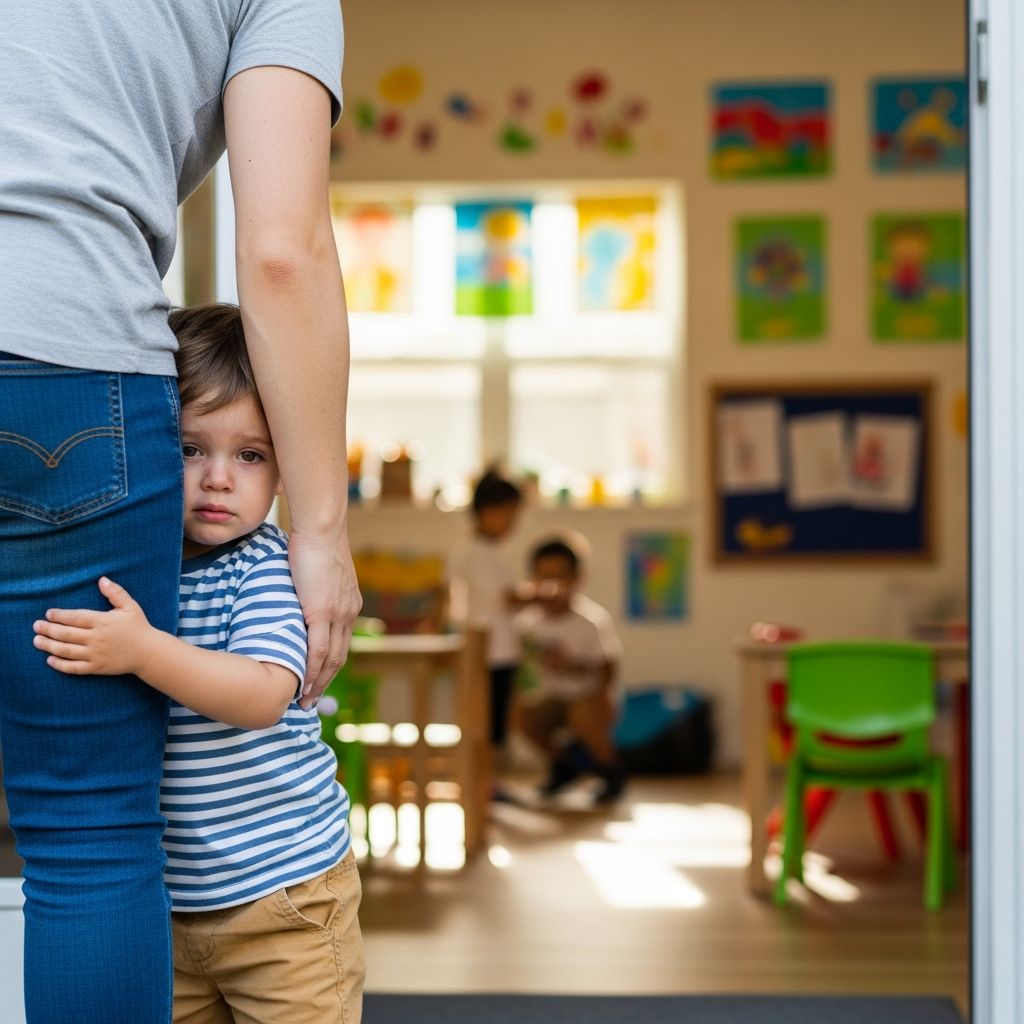
The move to middle school is one of the most dramatic transitions in a child’s school life. New buildings, multiple teachers, shifting friendships, and the onset of puberty can leave both kids and parents feeling unsettled. With the right mindset and tools, however, this stage can become a powerful opportunity for growth, independence, and a stronger parent–child relationship.
Why the Middle School Years Feel So Intense
Middle school typically overlaps with early adolescence, a time marked by rapid physical, cognitive, and emotional changes. Research shows that perceived support from parents during these years is closely linked to fewer behavior problems and emotional difficulties, and that parent–child relationships and adolescent adjustment influence each other in both directions over time. At the same time, academic expectations rise, social life becomes more complex, and schools often become larger and less personal.
| Area of Change | What Tweens Experience | How Parents Often Feel |
|---|---|---|
| School structure | Multiple teachers, changing classrooms, lockers, stricter policies | Unsure how to stay involved or track what’s happening |
| Academics | Heavier workload, more homework, higher expectations | Concerned about grades, organization, and long-term opportunities |
| Social world | Desire to fit in, peer pressure, more complex friendships | Anxious about bullying, exclusion, and harmful influences |
| Emotional life | Mood swings, sensitivity, striving for independence | Torn between wanting to protect and needing to step back |
Understanding these pressures helps you respond with empathy instead of panic, and with long-term perspective instead of short-term reactivity.
Adjusting Your Parenting Style for the Middle School Years
What worked in elementary school often needs to evolve. Your child still needs clear limits and warm connection, but they also need room to practice independence.
From Manager to Coach
Instead of managing every detail of your child’s life, begin to act more like a coach:
- Ask guiding questions instead of giving constant instructions: “What’s your plan for finishing homework tonight?”
- Invite problem-solving when issues arise: “What are two ways you could handle this friend situation?”
- Share your thinking out loud: explain how you make decisions, prioritize tasks, or calm down when stressed.
Research on early adolescence indicates that when young people feel supported by parents, they tend to show fewer behavior and emotional problems over time, and when conflicts or problems escalate, perceptions of support can decline if not actively maintained. A coaching stance helps preserve that sense of support while respecting your child’s growing autonomy.
Balancing Closeness and Independence
Your tween still needs you, even if they roll their eyes or pull away. You are adjusting to a new kind of closeness:
- Schedule casual connection: short check-ins after school, chats in the car, or ten minutes before bed.
- Respect privacy where safe: knock before entering, avoid reading journals or messages unless there is a clear safety concern.
- Allow healthy disagreement: teach respectful debate instead of demanding instant obedience.
Helping Your Child Navigate a New School Environment
Middle school brings logistical challenges that can overwhelm even well-prepared students: larger buildings, rotating schedules, and more adults in charge.
Make the Unknown More Predictable
Reducing uncertainty often reduces anxiety. You can:
- Visit the campus together if possible before school starts; walk the route between classes and practice opening lockers.
- Study the daily schedule with your child and highlight anything that changes by day (labs, electives, PE).
- Create a visual map or simple checklist for the first weeks until routines feel familiar.
Support Organization and Time Management
Middle-schoolers are expected to manage materials, homework, and deadlines more independently, but many are still developing executive function skills:
- Use one main planner (paper or digital) where all assignments and due dates are recorded.
- Set a daily “reset” routine: clear the backpack, file papers, charge devices, and review the next day’s needs.
- Break tasks into steps together: research, outline, draft, revise, and so on.
Children with learning and thinking differences can face extra challenges with organization and shifting routines, and may benefit from explicit teaching of these skills and collaboration with school staff.
Building a Strong School–Home Partnership
As students become more independent, it can be harder for parents to know how and when to get involved. Yet staying informed and collaborative is key to preventing small problems from becoming big ones.
Get to Know Key Adults
Early in the year, try to identify and connect with:
- Homeroom or advisory teacher who has a broad view of your child’s day.
- School counselor or psychologist who supports social and emotional issues.
- Case manager if your child has an Individualized Education Program (IEP) or a 504 plan, ideally before school starts.
Short, respectful emails that share strengths, challenges, and what helps your child learn can set a collaborative tone from the beginning.
Stay Involved Without Micromanaging
- Use online portals as information, not weapons. Check periodically for patterns rather than reacting to every missing assignment.
- Encourage your child to communicate with teachers directly about questions or concerns; help them draft messages if needed.
- Request meetings if struggles persist after a few weeks, focusing on shared problem-solving rather than blame.
Supporting Academic Confidence and Motivation
Academic expectations generally increase in middle school: more homework, deeper content, and higher stakes assessments. This can be exciting for some students and intimidating for others.
Shift the Focus from Outcomes to Effort
To protect motivation and mental health, emphasize what your child can control:
- Normalize setbacks: explain that struggling with new material is part of learning, not a sign of failure.
- Praise strategies (“You kept trying three ways to solve that problem”) instead of labels (“You’re so smart”).
- Set realistic expectations together about grades and workload, adjusting as you see how the year unfolds.
Know When to Step In
Middle school is a time to practice independence, but not to be left entirely alone.
- Assist with planning large projects while letting your child do the actual work.
- Provide a consistent study space with minimal distractions.
- Seek evaluation or extra support if you suspect learning difficulties, persistent avoidance, or disproportionate distress; early support can prevent more serious academic and emotional problems.
Helping Your Child Handle Social Pressures and Friendships
Social life often becomes the central focus of middle school. Students face increasing pressure to fit in, manage group dynamics, and interpret complex social cues. This can be exciting, but also a major source of stress.
Teach Social Skills Explicitly
Many tweens benefit from direct guidance, especially if they struggle with social understanding or anxiety.
- Role-play common scenarios: joining a group at lunch, handling teasing, or inviting someone to hang out.
- Practice assertive communication: using calm, clear language to express needs and boundaries.
- Discuss digital behavior: what is appropriate to post, how to handle group chats, and when to log off.
Responding to Conflict and Exclusion
Your role is less about fixing every conflict and more about helping your child build resilience and perspective.
- Listen fully before offering advice; reflect back what you hear so your child feels understood.
- Validate feelings (“That sounds really hurtful”) while gently broadening perspective (“I wonder what might be going on for them too”).
- Brainstorm options together instead of prescribing one “right” response.
- Involve the school if there is ongoing harassment, threats, or safety concerns.
Protecting Emotional Health During a Turbulent Time
Middle school students often show more mood swings, irritability, and stress. At the same time, early signs of anxiety or depression can emerge in this period. Maintaining strong parental support is associated with better emotional adjustment across these years.
Normalize Feelings and Stress
You can help your child by:
- Talking about emotions openly: label feelings and share age-appropriate examples from your own life.
- Teaching basic coping skills: deep breathing, taking a break, physical activity, or journaling.
- Protecting sleep: consistent bedtimes and limited late-night screen use support mood and learning.
Know the Warning Signs
Seek professional guidance if you notice:
- Persistent sadness, irritability, or withdrawal from friends and activities.
- Dramatic changes in sleep, appetite, or school performance.
- Talk of hopelessness, self-harm, or not wanting to be alive.
Connecting with school counselors, pediatricians, or mental health professionals early can provide support before difficulties escalate.
Common Middle School Challenges and Parent Responses
| Challenge | Less Helpful Reaction | More Helpful Approach |
|---|---|---|
| Forgotten homework and materials | Rescuing every time or harsh punishment | Teach systems, allow natural consequences for occasional lapses, review what to change next time |
| Friend drama and shifting groups | Calling other parents immediately or dismissing concerns | Listen, validate, coach social skills, step in only if safety or bullying is involved |
| Falling grades in one subject | Accusations of laziness or constant nagging | Ask what feels hard, contact teacher, adjust study strategies, consider added support |
| Increased privacy and withdrawal | Interrogation, spying, or total disengagement | Invite regular low-pressure connection, respect some privacy, hold clear safety boundaries |
Frequently Asked Questions (FAQs)
How involved should I be in my child’s homework in middle school?
Aim to be a guide, not a constant supervisor. Help your child set up systems for planning, organization, and studying, but let them do their own work. Step in when they are stuck, not from the first sign of effort. If you see a consistent struggle in a particular subject, collaborate with teachers to adjust strategies or explore supports.
What if my child says they don’t want to talk about school?
Avoid forcing intense conversations on their schedule. Instead, offer regular, low-pressure opportunities to talk—during car rides, while cooking, or at bedtime. Ask open-ended, specific questions (“Who did you sit with at lunch today?”) and be willing to listen more than you speak. Let your child know you are available whenever they are ready.
How can I tell if social issues are normal drama or serious bullying?
Normal conflict comes and goes, involves back-and-forth disagreements, and often resolves or shifts over time. Bullying involves a pattern of targeted, repeated harm where there is a power imbalance—social, physical, or otherwise. If your child feels unsafe, dreads school, or is repeatedly excluded or humiliated, document what is happening and contact the school for support.
My child’s grades dropped after starting middle school. Is this typical?
Some dip in performance during the first term is common as students adjust to new expectations and routines. Use this as information, not a crisis: review where the challenges are (organization, tests, specific subjects), then work with your child and the school to address them. If declines are steep or ongoing, especially alongside emotional changes, consider a more formal evaluation.
How do I stay connected without embarrassing my child at school?
Follow your child’s lead on public displays of affection and visibility. You can stay involved behind the scenes—through email, conferences, and volunteering in ways that do not put them on the spot. At home, show interest in their world, friends, and interests, and let them know you are proud of who they are becoming, not just what they achieve.
References
- More Problems and Less Support: Early Adolescent Adjustment and Perceived Parental Support — Ruth J. Kim & Susan M. McHale et al., Journal of Family Psychology. 2009-10-01. https://pmc.ncbi.nlm.nih.gov/articles/PMC2754764/
- New challenges kids face in middle school — Understood.org. 2022-03-01 (last updated). https://www.understood.org/en/articles/middle-school-challenges-learning-differences
- Moving Up and On To Middle — Cape Fear Christian Academy. 2021-08-15. https://capefearchristianacademy.org/moving-up-and-on-to-middle/
- Navigating Middle School: 7 Tips for Student Success — The Hun School of Princeton. 2020-09-10. https://www.hunschool.org/resources/navigating-middle-school
- 10 Ways to Help Your Child Succeed in Middle School — Nemours KidsHealth. 2021-06-01. https://kidshealth.org/en/parents/school-help-middle.html
- Middle School Adjustment — FamilyEducation. 2019-08-20. https://www.familyeducation.com/school-learning/back-to-school/middle-school-adjustment