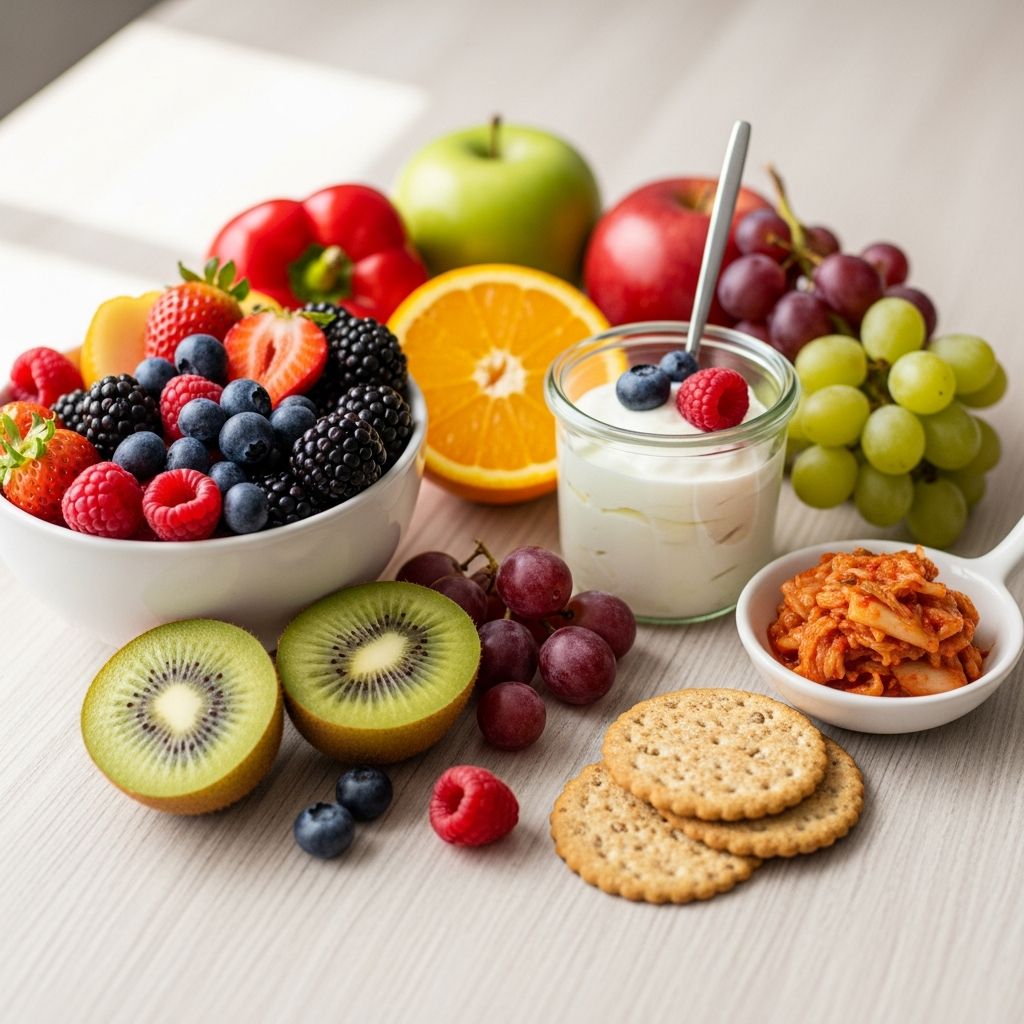
The gut microbiome, a vast community of microorganisms in the digestive tract, plays a pivotal role in a child’s health, influencing digestion, immunity, and even mood. Composed of trillions of bacteria, this ecosystem thrives when supported by the right foods and habits, helping prevent issues like constipation, allergies, and infections. Parents can foster this balance through targeted dietary and lifestyle changes, promoting long-term wellness.
Understanding the Child’s Gut Microbiome
A child’s gut microbiome begins developing at birth and evolves rapidly during early years, shaped by diet, environment, and exposures. Research indicates that a diverse microbiome correlates with reduced risks of chronic conditions, including asthma and obesity. Beneficial bacteria aid in breaking down food, producing vitamins, and training the immune system to distinguish threats from harmless substances. Disruptions, or dysbiosis, from poor diet or antibiotics can lead to tummy troubles and weakened defenses. Maintaining diversity through varied inputs is key to resilience.
Power of Prebiotic-Rich Foods for Gut Nourishment
Prebiotics are non-digestible fibers that serve as fuel for beneficial bacteria, encouraging their growth and activity. Incorporating prebiotic foods into meals helps cultivate a thriving microbiome. Foods like bananas, oats, garlic, onions, and legumes are excellent sources, providing soluble fibers that ferment in the colon to produce short-chain fatty acids, which support gut lining integrity.
- Fruits and veggies: Apples, berries, asparagus, and artichokes deliver inulin and other fibers that feed good bugs.
- Whole grains: Brown rice, whole wheat, and barley offer beta-glucans for sustained bacterial health.
- Seeds and legumes: Chia, flaxseeds, lentils, and chickpeas boost fiber intake without overwhelming young digestive systems.
Start small to avoid gas; aim for 14 grams of fiber per 1,000 calories daily for kids, adjusting by age. Fun tip: Blend spinach into smoothies or make oat-based muffins to sneak in these essentials.
Incorporating Probiotics Naturally Through Diet
Probiotics introduce live beneficial bacteria directly to the gut, restoring balance after disruptions. Fermented foods are natural powerhouses, safer and more effective than many supplements for children, as they survive stomach acid better when consumed with meals.
Top kid-friendly options include:
- Yogurt or kefir with live cultures, plain and topped with fruit for appeal.
- Kimchi or sauerkraut in small amounts mixed into rice or salads.
- Miso in soups or kombucha as a fizzy treat (low-sugar versions).
Pair probiotics with prebiotics—known as synbiotics—for synergy, like yogurt with banana slices. Consult a pediatrician before supplements, especially during antibiotic courses, to replenish lost flora.
Reducing Sugar and Processed Foods Impact
Excess sugar feeds harmful bacteria, promoting inflammation and crowding out beneficial ones, while processed foods lack diversity and introduce additives that disrupt microbial balance. Studies link high-sugar diets to immune suppression and digestive woes.
| Problem Foods | Healthier Swaps | Benefits |
|---|---|---|
| Soda, candy | Water, fruit-infused water | Reduces bad bacteria growth |
| Chips, fast food | Nuts, veggie sticks | Increases fiber, nutrient density |
| Diet drinks | Herbal teas | Avoids artificial sweeteners harming gut |
Gradually replace treats; involve kids in label-reading to teach choices. Limit added sugars to under 25g daily for children over 2.
Role of Physical Activity and Stress Reduction
Movement stimulates gut motility and diversity, with active children showing richer microbiomes. Aim for 60 minutes daily of play, walking, or sports to enhance circulation and bacterial balance. Stress, via the gut-brain axis, alters microbiome composition, potentially causing anxiety or tummy issues in kids.
- Outdoor play with pets or friends exposes to beneficial microbes.
- Mindfulness like deep breathing or yoga calms the system.
- Consistent sleep schedules support microbial recovery.
Family walks post-dinner combine exercise, bonding, and digestion aid.
Strategic Use of Antibiotics and Environmental Exposures
Antibiotics, while vital for bacterial infections, wipe out good bacteria indiscriminately. Reserve for necessities like strep, not viruses, and pair with probiotics. Early pet and sibling interactions seed diverse microbes, potentially lowering allergy risks.
Building Sustainable Family Habits
Regular meals prevent over-snacking, allowing gut cues to guide hunger. A balanced plate—half veggies/fruits, quarter grains, quarter protein—ensures steady nutrient flow. Track progress via fewer complaints or improved stools; adjust as needed with professional input.
Frequently Asked Questions (FAQs)
What age should I start focusing on gut health?
From infancy, via breastfeeding and solids introduction, but habits solidify by school age. Early diversity yields lifelong benefits.
Are probiotic supplements safe for kids?
Yes, under pediatric guidance; food sources preferred first. Choose strains like Lactobacillus for digestion.
How much fiber is enough for my child?
Age + 5 grams daily: 19g for 14-year-olds. Increase gradually with water.
Can gut health affect behavior?
Yes, via gut-brain link; balanced microbiomes link to better mood and focus.
What if my child refuses fermented foods?
Hide in smoothies or familiar dishes; flavor with honey sparingly.
References
- 6 Ways to Boost Your Child’s Gut Health — University Hospitals. 2017-03-01. https://www.uhhospitals.org/blog/articles/2017/03/6-ways-to-boost-your-childs-gut-health
- 5 Tips for Building Better Gut Health in Kids — Children’s Hospital of Richmond. N/A. https://www.chrichmond.org/blog/details/5-tips-for-building-better-gut-health-in-kids
- The Gut Microbiome & Your Child’s Health — Zarbee’s. N/A. https://www.zarbees.com/resources/kids-gut-health-and-the-gut-microbiome
- 8 Ways to Improve Your Family’s Gut Health — Children’s Health. N/A. https://www.childrens.com/health-wellness/8-ways-to-improve-your-familys-gut-health
- 4 Ways to Improve Gut Health & Reduce Inflammation — National Gaucher Foundation. N/A. https://www.gaucherdisease.org/blog/4-ways-to-improve-gut-health-naturally/
- Food as Medicine: Probiotic Foods — Children’s Hospital of Philadelphia. N/A. https://www.chop.edu/health-resources/food-medicine-probiotic-foods
- Gut Health — Boston Children’s Health Physicians. N/A. https://bchp.childrenshospital.org/news/gut-health
- Childhood Development and the Microbiome — PubMed Central / NIH. 2021-12-17. https://pmc.ncbi.nlm.nih.gov/articles/PMC8714606/
- The Gut-Brain Connection: What It Is and How to Help Children — Brown University Health. N/A. https://www.brownhealth.org/be-well/gut-brain-connection-what-it-and-how-help-children