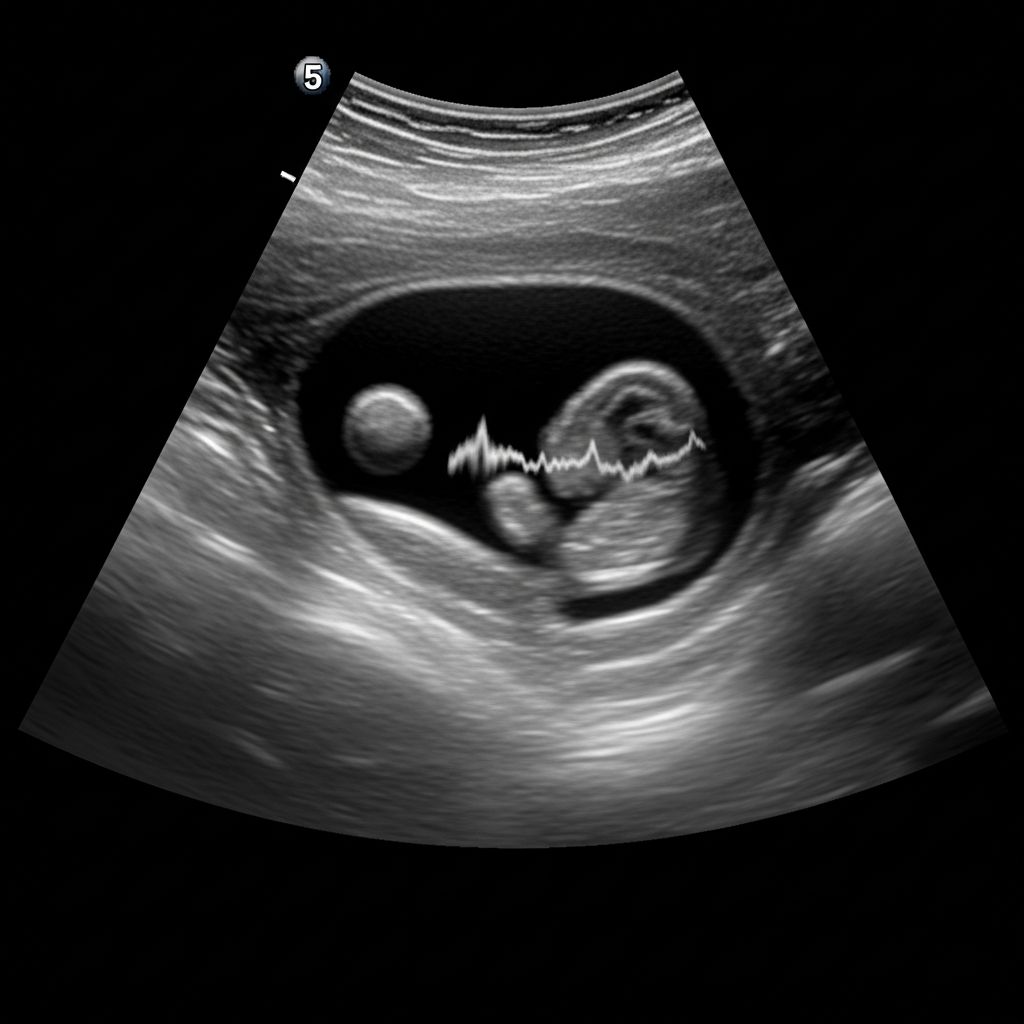
Miscarriage affects up to 1 in 4 pregnancies, leaving individuals and families in profound emotional distress that requires sensitive intervention from their circle. Offering the right kind of support can foster healing, while missteps may deepen isolation. This guide explores effective strategies drawn from health experts to help you stand by loved ones during this vulnerable time.
Understanding the Emotional Impact of Miscarriage
Grief following a miscarriage mirrors the loss of any loved one, encompassing shock, sadness, anger, and guilt, often intensified by the unseen nature of early pregnancy. Physical recovery from procedures like D&C can compound emotional strain with pain, fatigue, and hormonal shifts, sometimes leading to postpartum-like depression in nearly half of cases. Partners and other family members also grieve, yet may feel overlooked, necessitating inclusive support approaches. Recognizing that mourning has no fixed timeline allows supporters to provide sustained presence without pressure.
Key Principles for Empathetic Engagement
Effective support hinges on validation over solutions. Acknowledge the pain explicitly to break the silence surrounding miscarriage, affirming that the loss is real and worthy of grief. Active presence—sitting quietly or listening without interruption—validates feelings more than unsolicited advice. Always inquire about specific needs, as preferences vary: some crave discussion, others space.
- Acknowledge openly: Simple recognition combats isolation.
- Listen actively: Resist fixing; let them lead the conversation.
- Respect timelines: Grief evolves uniquely for each person.
- Check boundaries: Ask how to best assist right now.
Empowering Phrases to Offer Comfort
Words matter profoundly when chosen thoughtfully. Phrases that affirm rather than minimize resonate deeply. For instance, expressing shared sorrow like “I’m so sorry for your loss; I’m here whenever you need me” conveys unwavering solidarity. Inquire gently: “How are you feeling today, and is there anything I can do?” This invites expression without assumption. Reassure faultlessness: “This wasn’t your fault; miscarriages happen for reasons beyond control,” repeated as needed to counter self-blame. Avoid future-oriented platitudes like “You’ll have another soon,” as they dismiss current pain.
| Helpful Phrases | Why They Work |
|---|---|
| “I’m here for you—no matter what.” | Offers unconditional presence. |
| “Tell me more if you’d like; I’m listening.” | Encourages sharing on their terms. |
| “It’s okay to feel this way; take your time.” | Validates emotions without timeline. |
| “What can I help with today?” | Opens door to practical aid. |
Practical Ways to Lighten the Load
Beyond words, tangible actions alleviate daily burdens exacerbated by physical recovery. Propose specific help: “Can I bring meals this week, walk the dog, or handle childcare?” Such offers respect energy depletion from blood loss, surgery, or insomnia. Accompanying to medical follow-ups or errands provides security during vulnerability. Small gestures like delivering groceries or tidying up reinforce care without intruding.
- Meal preparation or delivery to ease cooking demands.
- Household tasks like laundry or cleaning.
- Pet care or supervising existing children.
- Transportation to appointments or therapy sessions.
Extend support to partners and siblings, who may manage compounded responsibilities silently.
Navigating Common Pitfalls and Mistakes
Well-intentioned comments can inadvertently wound. Steer clear of minimizers like “It was early, so it’s not as bad” or statistical reassurances such as “Most women go on to have healthy babies,” which invalidate unique sorrow. Refrain from personal anecdotes unless requested, as comparisons rarely comfort. If a misstep occurs, apologize sincerely: “I’m sorry if that hurt; I want to support you right—tell me how.” This models vulnerability and invites correction.
| Phrases to Avoid | Better Alternatives |
|---|---|
| “At least it was early.” | “Your loss matters deeply to me.” |
| “Just try again soon.” | “I’m here as you process this.” |
| “Everything happens for a reason.” | “This is heartbreaking; how can I help?” |
| “You’re strong; you’ll get over it.” | “It’s okay to grieve however you need.” |
Promoting Long-Term Healing Resources
Guide toward professional or peer support when readiness emerges. Suggest miscarriage-specific groups for shared experiences, available online via social platforms or in-person through providers. Organizations like the Miscarriage Association offer helplines for confidential counsel. Mental health professionals address persistent depression or anxiety, crucial as physical healing progresses. Encourage self-care: hydration, nutrition, gentle exercise, and rest to rebuild strength.
Check in periodically without overwhelming, perhaps weekly texts: “Thinking of you—how’s today?” Sustained contact signals enduring care.
Self-Care for Supporters
Supporting grievers can evoke secondary grief, especially for those with similar losses. Prepare emotionally by processing your feelings separately, perhaps via journaling or therapy. Set boundaries to avoid burnout, ensuring your presence remains sustainable.
Frequently Asked Questions
What if they don’t want to talk about it?
Respect their silence; say, “I’m here when or if you’re ready.” Presence alone comforts.
How long should I keep checking in?
Grief lacks deadlines—continue thoughtfully, spacing contacts as they indicate.
Can I send gifts?
Yes, practical items like meal kits or comfort blankets, paired with a heartfelt note, are appreciated.
What about supporting the partner?
Acknowledge them too: “This affects you both; how are you holding up?”.
Is professional help always needed?
Not immediately, but recommend if grief persists beyond months or impairs daily life.
Building a Supportive Community
Normalize miscarriage discourse to reduce stigma, sharing resources gently to empower collective empathy. Your role, though challenging, profoundly aids recovery, transforming pain into communal strength.
References
- Supporting someone who’s had a miscarriage — Miscarriage Australia. 2024. https://miscarriageaustralia.com.au/finding-miscarriage-support/for-family-and-friends/supporting-someone-after-miscarriage/
- How to help someone after a miscarriage — UCLA Health. 2023-10-12. https://www.uclahealth.org/news/article/how-help-someone-after-miscarriage
- How To Support A Loved One Who’s Had A Miscarriage — The Good Trade. 2024. https://www.thegoodtrade.com/features/miscarriage-support-advice/
- Supporting Someone Through Miscarriage: Dos and Don’ts — Wildflower LLC. 2024. https://www.wildflowerllc.com/supporting-someone-through-miscarriage-dos-and-donts/
- Supporting someone who has had a miscarriage — Tommy’s. 2024. https://www.tommys.org/baby-loss-support/miscarriage-information-and-support/miscarriage-support/supporting-someone-who-has-had-miscarriage
- Supporting someone through pregnancy loss — Miscarriage Association. 2024. https://www.miscarriageassociation.org.uk/your-feelings/supporting-someone-through-pregnancy-loss/
- Emotional Healing After a Miscarriage: A Guide — Georgetown University School of Nursing. 2023. https://online.nursing.georgetown.edu/blog/emotional-healing-after-miscarriage-guide-women-partners-family-friends/