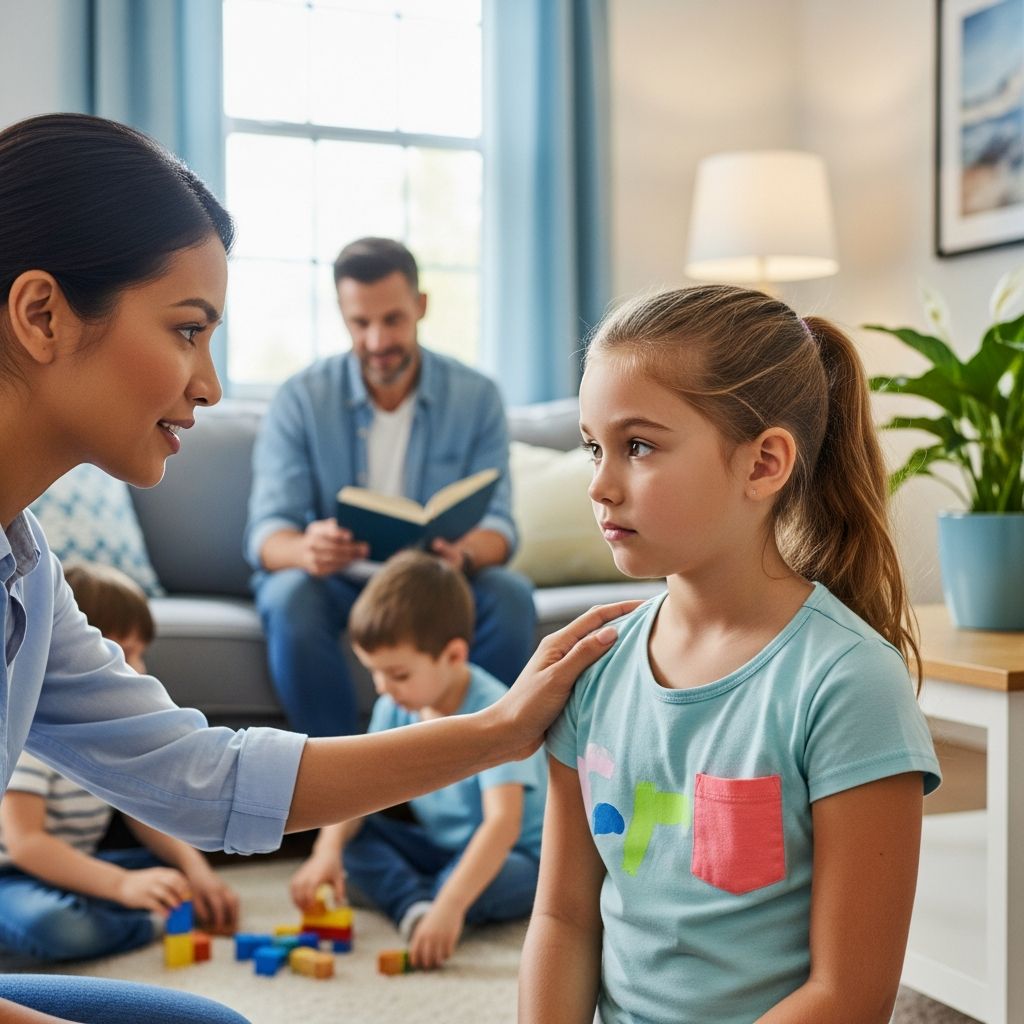
Children who deeply feel the emotions of others often display unique traits that set them apart in social settings. These young empaths absorb the joy, sorrow, and tension around them, requiring parents to adopt tailored approaches for their emotional well-being. This guide explores recognition cues, developmental phases, and actionable parenting techniques to help these children thrive.
Understanding Emotional Sensitivity in Young Children
Emotional sensitivity manifests early, with kids reacting intensely to subtle cues from family and peers. Unlike typical responses, these children might tear up during a sad movie scene or withdraw during family arguments, reflecting a heightened awareness of interpersonal dynamics. Such sensitivity stems from advanced neural pathways that process emotions more vividly, as noted in child development research.
Physical sensitivity often accompanies emotional traits, where children react strongly to textures, sounds, or lights. A scratchy tag on clothing or loud noises can overwhelm them, leading to meltdowns that mimic emotional distress. Recognizing this overlap is crucial for distinguishing between the two and addressing root causes effectively.
Key Indicators of High Empathy in Kids
- Intense Reactions to Others’ Feelings: They cry when seeing a peer upset or mimic distress sounds, showing early emotional mirroring.
- Overwhelmed in Crowds: Large gatherings drain their energy, prompting withdrawal or clinginess due to sensory overload.
- Deep Concern for Animals and Strangers: Offering comfort to injured pets or worried strangers highlights their innate compassion.
- Physical Aversions: Strong dislikes for certain foods, fabrics, or environments signal heightened sensory processing.
- Preference for Solitude: Needing quiet time to recharge after social interactions, unlike more extroverted peers.
These signs typically emerge by preschool age, evolving as cognitive skills mature. Parents observing multiple indicators should view them as strengths rather than deficits, fostering environments that celebrate this gift.
Developmental Milestones of Empathy
Empathy unfolds in predictable stages, aligning with cognitive and social growth. Understanding these helps parents gauge progress and intervene appropriately.
| Age Group | Empathy Stage | Typical Behaviors |
|---|---|---|
| 0-2 Years (Global Empathy) | Basic emotional contagion | Crying when hearing another baby cry; instinctive mimicry without understanding. |
| 2-3 Years (Egocentric Empathy) | Awareness of others’ distress | Recognizing pain in others but responding selfishly, like seeking parental help. |
| 3-5 Years (Empathy for Feelings) | Non-self-centered responses | Consoling peers with hugs or words, distinguishing own feelings from others. |
| 5+ Years (Life Condition Empathy) | Contextual understanding | Grasping chronic vs. temporary emotions, offering tailored support. |
Delays in these milestones may occur in neurodiverse children, where developmental age trumps chronological age. Consistent, patient guidance accelerates progress.
Challenges Faced by Sensitive Children
While empathy builds strong bonds, it poses hurdles like emotional exhaustion from constant absorption. These kids risk anxiety in high-conflict homes or bullying scenarios, where they internalize negativity. Physically sensitive children face additional struggles, such as school cafeteria overloads or clothing discomforts disrupting focus.
Without support, low empathy signs in older kids—ignoring others’ pain or laughing at misfortune—can emerge as coping mechanisms. Early intervention prevents this, turning potential vulnerabilities into relational superpowers.
Practical Strategies for Parenting Empaths
Supporting sensitive children involves creating safe spaces and teaching regulation tools. Start by modeling calm responses: narrate your emotions during interactions, like “I feel frustrated when traffic delays us, so I’m taking deep breaths.” This teaches vocabulary and coping.
- Establish Routines: Predictable schedules reduce anxiety, providing security amid emotional waves.
- Validate Feelings: Acknowledge their intensity without dismissal—”It’s okay to feel overwhelmed; let’s find a quiet spot.”
- Sensory Adjustments: Offer noise-canceling headphones, soft clothing options, or textured toys for self-soothing.
- Role-Playing Exercises: Practice scenarios like comforting a sad friend to build confident responses.
- Limit Exposures: Gradual introductions to crowds or new foods prevent shutdowns.
For school-aged kids, collaborate with teachers on accommodations like flexible seating or break times, ensuring academic success alongside emotional health.
Building Resilience in Emotionally Sensitive Kids
Resilience training equips empaths to handle overloads without crumbling. Mindfulness practices, such as guided breathing or visualization, ground them during heightened states. Encourage boundary-setting: phrases like “I need a moment” empower self-advocacy.
Positive reinforcement amplifies growth—praise specific acts, such as “Your hug really helped your sister feel better.” This reinforces empathy as a valued trait, boosting self-esteem.
Family Dynamics and Long-Term Benefits
In family settings, sensitive children thrive when siblings learn empathy too. Group activities like shared storytelling highlight emotional cues, strengthening bonds. Long-term, these kids excel in careers requiring compassion, like counseling or teaching, thanks to honed emotional intelligence.
Parents must self-care to avoid burnout; modeling balance teaches kids healthy limits.
Frequently Asked Questions
At what age do children typically show empathy?
Signs appear as early as infancy through mimicking, maturing into true empathy by ages 3-5 with consoling behaviors.
Is emotional sensitivity the same as being an empath?
Sensitivity often includes physical reactions alongside emotional ones, but both indicate high empathy potential needing nurturing.
How can I help my sensitive child in school?
Work with educators for sensory breaks, quiet zones, and emotion-check-ins to support focus and social integration.
What if my child shows low empathy signs?
For older kids ignoring others’ pain, model kindness consistently and use role-play; consult professionals if persistent.
Can empathy be taught to all children?
Yes, through daily modeling, discussions, and games, advancing them through developmental stages regardless of starting point.
Advanced Tools for Emotional Regulation
Incorporate play-based therapies like emotion playdough mats, where kids sculpt feelings, aiding expression and vocabulary. Journaling prompts for school-agers, such as “How did your friend’s happiness make you feel?” deepen self-awareness.
Technology aids too: apps with emotion-tracking or virtual reality empathy simulations offer safe practice grounds.
Health Considerations for Sensitive Children
Monitor for anxiety or sensory processing disorders, common comorbidities. Pediatric guidelines recommend occupational therapy for physical sensitivities, enhancing tolerance over time. Nutrition plays a role—omega-3 rich foods support brain development tied to empathy circuits.
Regular check-ups ensure holistic health, catching issues early.
References
- Understanding Empathy Development Stages So You Know How Your Kids Are Doing — Kong Academy. 2023. https://www.kongacademy.org/understanding-empathy-development-stages-so-you-know-how-your-kids-are-doing/
- Stages of Empathy Development — The OT Toolbox. 2023. https://www.theottoolbox.com/stages-of-empathy-development/
- Recognizing Early Signs of Emotional Growth in Toddlers — Creative World School. 2023. https://creativeworldschool.com/early-signs-emotional-growth-toddlers/
- When to Worry: Signs That A Child May Have Low Empathy — Michele Borba Ed.D. 2023. https://micheleborba.com/building-moral-intelligence-and-character/when-to-worry-signs-that-a-child-may-have-low-empathy/
- When Do Kids Develop Empathy? — YouTube (Child Development Expert). 2023. https://www.youtube.com/watch?v=GjJqlEusg1o