Understanding Why Children Swear
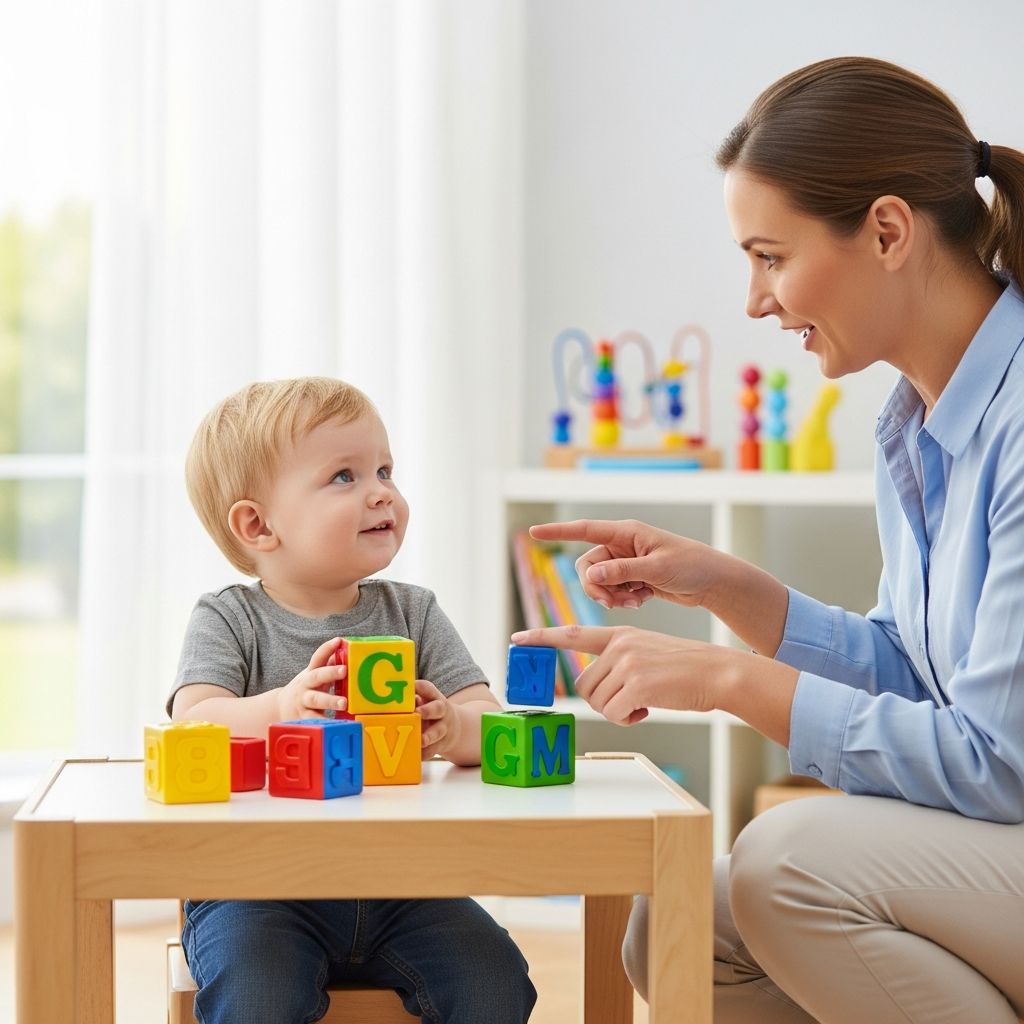
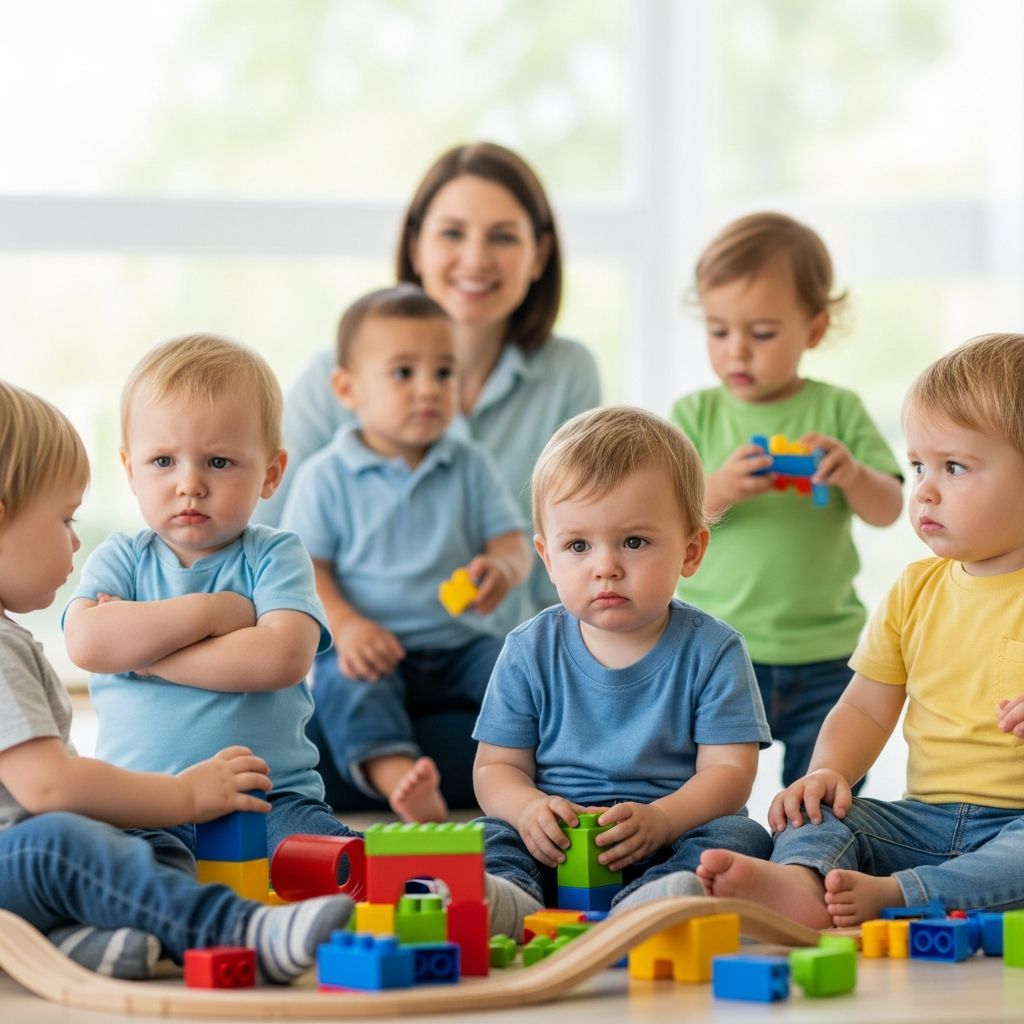
Swearing in young children is a common developmental phase, often driven by curiosity, imitation, or a desire to express strong emotions. Toddlers and preschoolers may pick up swear words from adults, siblings, media, or peers, and use them without fully understanding their meaning. For many children, swearing is a way to test boundaries, seek attention, or communicate frustration when they lack the vocabulary to express themselves. Recognizing these underlying motivations helps parents respond with empathy and effectiveness.
Setting Clear Family Language Rules
Establishing consistent expectations around language is crucial for guiding children toward respectful communication. Families should agree on which words are acceptable and which are not, and ensure all caregivers enforce these rules uniformly. Posting simple, visual reminders can help younger children remember the rules. For example, a chart with pictures of happy faces next to words like “please” and “thank you,” and sad faces next to words that are not allowed, can make the rules more accessible.
- Discuss language rules during calm moments, not just when correcting behavior.
- Include adults in the rules—children learn by observing the language used by parents and caregivers.
- Reinforce rules with positive language, such as “Let’s use kind words” instead of “Don’t say that.”
Teaching Emotional Vocabulary
Children often swear when they feel overwhelmed or frustrated because they lack the words to express their emotions. Teaching emotional vocabulary helps children articulate their feelings in a healthy way. Use books, feeling charts, and role-playing to help children identify and name their emotions. For example, a child might learn to say “I’m really mad” instead of using a swear word when upset.
- Practice naming emotions during play and daily routines.
- Model emotional language by sharing your own feelings, such as “I feel frustrated when I can’t find my keys.”
- Encourage children to use “feeling words” by praising them when they express themselves appropriately.
Responding Calmly and Consistently
When a child swears, it’s important to respond calmly and avoid overreacting, as strong reactions can inadvertently reinforce the behavior. Acknowledge the child’s feelings, set clear limits, and redirect toward more positive language. For example, “I see you’re upset, but we don’t use that word. Let’s find a different way to say how you feel.”
- Pause and take a deep breath before responding to avoid escalating the situation.
- Connect with your child by validating their emotions, then explain why the word is inappropriate.
- Offer alternatives, such as “Let’s use a different word to express that feeling.”
Modeling Respectful Language
Children learn language by imitating the adults around them. Parents and caregivers should model respectful communication in all situations, including when they are frustrated or angry. Using positive language and managing emotions constructively sets a powerful example for children.
- Be mindful of your own language, especially in stressful moments.
- Use “I” statements to express your feelings, such as “I feel upset when the toys are left out.”
- Apologize if you use inappropriate language, showing that everyone can learn and grow.
Creating Positive Alternatives
Encourage children to use creative or playful alternatives to swear words. For example, invent silly words or phrases that can be used when a child feels angry or frustrated. This approach makes language learning fun and reduces the power of swear words.
- Brainstorm funny words together, such as “fiddlesticks” or “darn it.”
- Practice using these alternatives during play and daily routines.
- Praise children when they use positive alternatives instead of swear words.
Building Emotional Resilience
Children who feel secure and connected are less likely to use swearing as a way to seek attention or express frustration. Spend quality time with your child every day, offering love and attention. This helps children feel valued and reduces the need for negative behaviors.
- Set aside special time each day for one-on-one connection.
- Use positive affirmations and expressions of love throughout the day.
- Encourage children to talk about their feelings and experiences.
FAQs About Swearing in Young Children
| Question | Answer |
|---|---|
| Why do young children swear? | Children often swear to test boundaries, express strong emotions, or imitate others. |
| Should I ignore my child when they swear? | Ignoring can be effective if swearing is attention-seeking, but it’s important to set clear limits and teach alternatives. |
| How can I teach my child to use respectful language? | Model respectful language, teach emotional vocabulary, and set consistent family rules. |
| What should I do if my child swears in public? | Stay calm, acknowledge their feelings, and gently remind them of the family rules. |
| Can swearing be a sign of intelligence? | Some research suggests that children who experiment with language, including swearing, may have higher verbal abilities. |
Conclusion
Managing swearing in young children requires patience, consistency, and a focus on teaching positive communication skills. By setting clear rules, modeling respectful language, and helping children express their emotions in healthy ways, parents can guide their children toward respectful and effective communication. Remember, every child is learning, and with supportive guidance, they can develop the skills to navigate their emotions and relationships with kindness and respect.