Parenting often involves navigating intense emotional moments, especially when discussions turn into heated exchanges with children or teens. These outbursts can strain relationships and hinder effective communication. This guide offers fresh, actionable approaches to interrupt these cycles, drawn from expert insights on child development and family dynamics. By implementing structured methods, parents can create a home environment where calm prevails over chaos.
Understanding the Roots of Family Yelling Cycles
Yelling frequently emerges from frustration, power struggles, or a lack of clear boundaries. When parents raise their voices, children may mirror this behavior, perceiving it as the norm for resolving conflicts. Research from child psychology highlights that repeated exposure to shouting activates stress responses in developing brains, making kids more reactive over time.
Common triggers include inconsistent routines, unmet expectations, and emotional overload. For instance, teens testing independence might provoke arguments, while younger children express big feelings through volume. Recognizing these patterns is the first step toward change. Parents who reflect on their own triggers—such as fatigue or stress—gain better control, modeling self-regulation for their kids.
Building a Foundation of Calm Communication
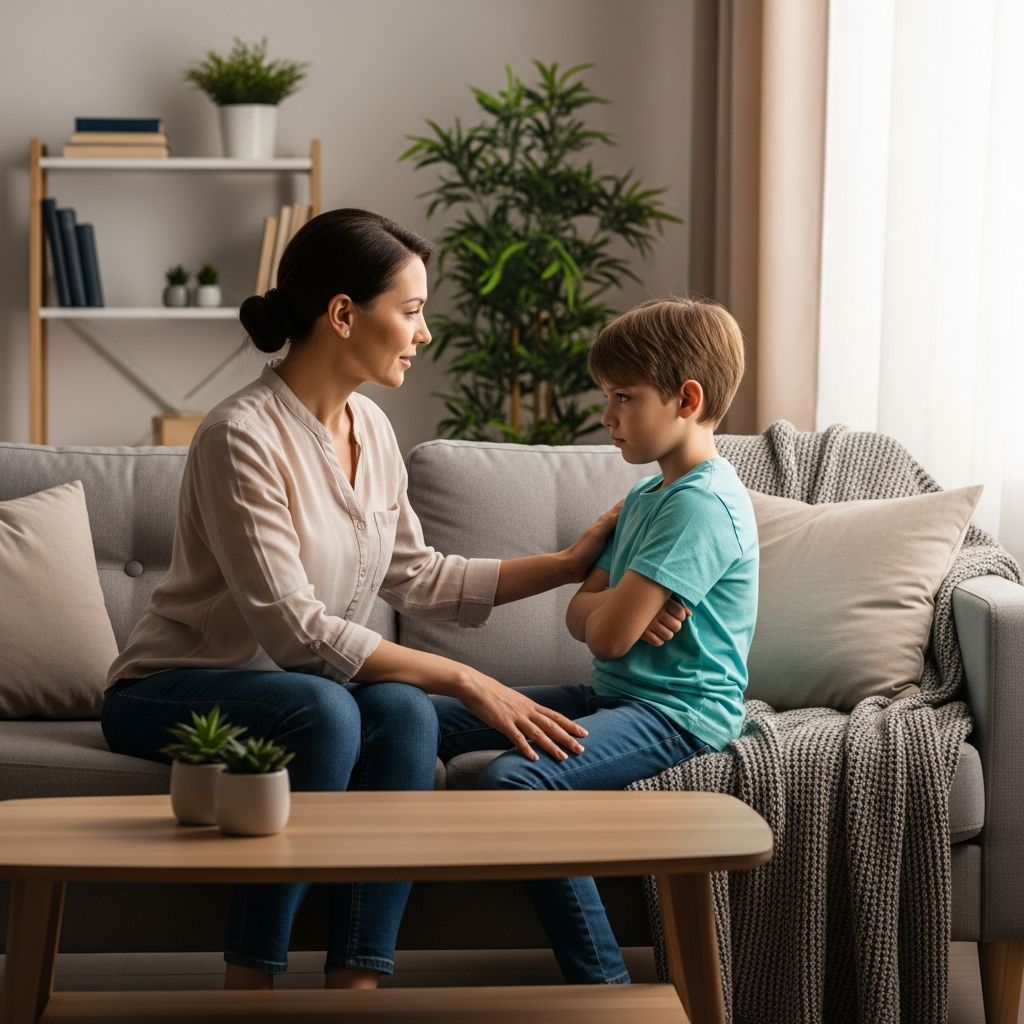
Effective dialogue starts with presence. Instead of shouting across rooms, approach your child directly. Position yourself at their level, maintain a neutral expression, and speak softly. This non-verbal cue signals safety, encouraging openness rather than defensiveness.
- Eye contact without staring: Look toward their face to convey attentiveness, but avoid intense gazing that could escalate tension.
- Neutral tone: Keep your voice steady and volume low; children often match parental energy levels.
- Body language matters: Open posture with relaxed shoulders invites connection.
Studies indicate that up to 70% of communication is non-verbal, underscoring the power of facial expressions in conveying intent. A calm demeanor during tough talks can disarm potential conflicts before they ignite.
Implementing Daily Routines to Prevent Escalations
Structure acts as a buffer against chaos. Without predictable schedules, every request risks becoming a battleground. Establish clear family rules and routines that outline expectations for behavior, chores, and downtime.
| Time of Day | Activity | Expected Behavior |
|---|---|---|
| Morning | Breakfast & Prep | Cooperative task completion, no raised voices |
| Afternoon | Homework | Focused work with scheduled breaks |
| Evening | Family Time | Calm discussions, device-free |
Visual charts or apps can reinforce these routines, reducing reliance on verbal nagging. When children know what comes next, arguments over transitions diminish significantly.
Mastering the Art of Disengagement
When yelling begins, your priority is swift exit. Calmly state a boundary like, “I won’t continue if voices are raised,” then physically leave the space. This removes your engagement, deflating the power dynamic instantly.
- Identify the yell: Acknowledge it briefly without emotion.
- State your limit: Keep it short and factual.
- Depart gracefully: Walk away without slamming doors or dramatic flair.
- Re-engage later: Return after a set cooldown period, such as 15 minutes.
This technique teaches children that shouting yields no audience, shifting their strategy toward constructive talk over time.
Cultivating Positive Interactions Amid Challenges
Balance discipline with warmth by prioritizing positive regard. Even during corrections, maintain a composed expression. Pair feedback with affirmations to reinforce good behavior, fostering resilience against frustration.
- Daily positives: Note one thing your child did well each day.
- Reflective listening: Echo back their feelings, e.g., “You sound upset about homework.”
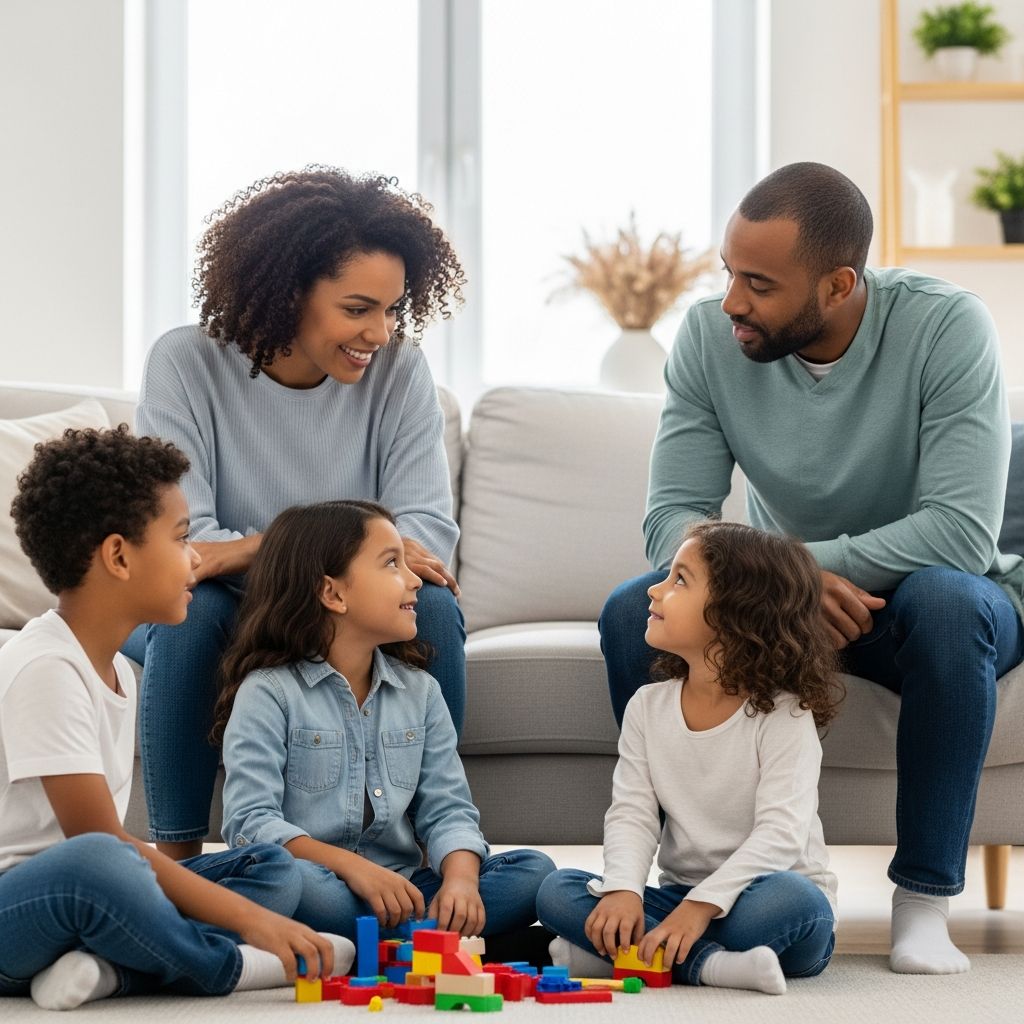
- Shared activities: Engage in fun, low-stakes play to rebuild bonds.
Consistent positivity reprograms family interactions, making calm the default response.
Repairing Bonds After Emotional Storms
Post-argument reconciliation is crucial. Once tempers cool, initiate repair with a sincere apology if you yelled. Use “I” statements: “I felt overwhelmed and raised my voice; I’m sorry.” This models accountability.
Explore underlying issues together. Ask open questions like, “What made you so frustrated?” Active listening—nodding, paraphrasing—validates their experience, preventing future blowups. Follow with hugs or joint activities to reaffirm love.
Teaching Lifelong Emotional Tools to Your Children
Equip kids with skills beyond shouting: deep breathing, problem-solving, and assertive expression. Practice during calm moments through role-play or games.
- Breathing exercises: “Breathe in for 4, out for 4” to regulate arousal.
- Negotiation practice: Role-play compromises on screen time.
- Assertiveness training: Teach phrases like “I need a break” instead of screaming.
These tools build emotional intelligence, reducing reliance on volume for expression. Longitudinal studies from the American Psychological Association show that children with strong coping skills experience fewer conflicts in adolescence.
Addressing Age-Specific Challenges
Toddlers and Preschoolers
Young children yell to communicate unmet needs. Stay present, reflect emotions (“You’re mad because it’s bedtime”), and offer choices to empower them.
School-Age Kids
They argue for autonomy. Use routines and logical consequences, like loss of privileges tied to behavior.
Teens
Respect their space while enforcing boundaries. Face-to-face talks work best; avoid public corrections.
Self-Care for Parents: Staying Regulated
Parental calm is contagious. Prioritize sleep, exercise, and breaks. When overwhelmed, use personal mantras or quick meditations. Coregulation—your steady presence—helps children mirror composure.
If patterns persist, consider family counseling from certified professionals to uncover deeper issues.
Frequently Asked Questions (FAQs)
What if my child follows me when I walk away?
Remain disengaged; repeat your boundary calmly and continue moving to another area. Consistency teaches respect for space.
How long until these strategies work?
Expect 2-4 weeks of consistent application for noticeable shifts, though full habits may take months.
Is it okay to apologize to my kids?
Yes, sincere apologies model humility and strengthen trust without undermining authority.
What about kids with special needs?
Tailor approaches; sensory-sensitive children may need quiet time alone before reconnection.
Can yelling ever be justified?
Rarely; it models poor coping. Reserve raised voices for true dangers, like safety warnings.
Long-Term Benefits of a Yell-Free Home
Families adopting these methods report deeper connections, improved academic focus, and reduced behavioral issues. Children learn healthy conflict resolution, carrying these skills into adulthood. Commit today: track one strategy weekly, celebrate progress, and watch your home transform.
References
- Peaceful Parent, Happy Kids: How to Stop Yelling and Start Connecting — Dr. Laura Markham. 2012 (updated editions through 2024). https://www.ahaparenting.com/books/peaceful-parent-happy-kids
- Handbook of Child Psychology and Developmental Science — American Psychological Association (via Wiley). 2015 (relevant sections timeless for emotional development). https://doi.org/10.1002/9781118963418
- Coregulation in Parent-Child Relationships — Dr. Kris Bearing (clinical psychologist). 2023-12-15. https://www.drbeurkens.com/podcast/how-to-respond-to-kids-who-say-hurtful-things-when-upset/
- Effects of Harsh Verbal Discipline on Children — Psychology Today (peer-reviewed synthesis). 2024-01-10. https://www.psychologytoday.com/us/blog/parenting-is-not-a-fad/202401/the-truth-about-yelling
- Positive Parenting: Evidence-Based Strategies — Centers for Disease Control and Prevention (CDC). 2024 (Essentials for Parenting program). https://www.cdc.gov/parents/essentials/index.html