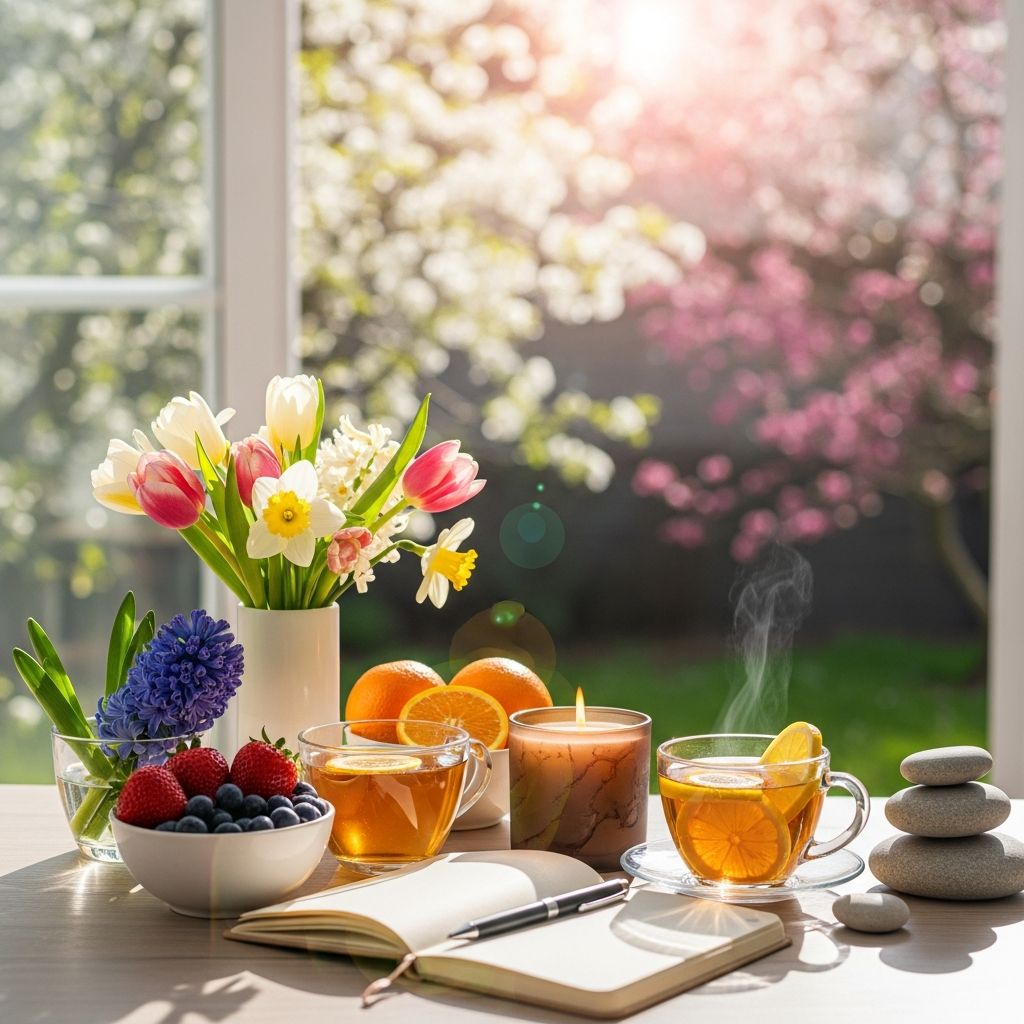
Spring arrives with blooming flowers, longer days, and a natural urge for renewal. This season offers the perfect opportunity to adopt habits that enhance physical vitality, sharpen mental focus, and strengthen emotional resilience. Drawing from established health guidelines, these seven strategies provide actionable steps to infuse your routine with fresh energy and lasting well-being.
1. Embrace Outdoor Movement for Physical Renewal
The transition to spring weather encourages shifting exercise routines outdoors, where natural surroundings amplify benefits. Research from health authorities emphasizes that 150 minutes of moderate activity weekly supports cardiovascular health, muscle strength, and overall mobility.
Begin with brisk walks in local parks or neighborhoods, aiming for 20-30 minutes daily. This low-impact activity improves circulation, reduces inflammation, and triggers endorphin release for elevated mood. For variety, incorporate cycling on scenic trails, which enhances joint flexibility and leg strength—e-bike options make it accessible for varying fitness levels. Swimming in community pools emerges as an ideal full-body workout, engaging multiple muscle groups while boosting lung capacity and heart health, especially on warmer days.
- Walking: Enhances focus and decompressed mental state in nature.
- Cycling: Builds endurance with minimal joint stress.
- Swimming/Yoga: Promotes flexibility and relaxation outdoors.
Gardening doubles as exercise, involving digging and planting that build strength, promote better sleep, and aid weight management while providing vitamin D from sunlight for bone health. Strength training with bodyweight exercises or resistance bands, 2-3 times weekly, further supports bone density and fall prevention. Consistency is key—start small to build sustainable habits.
2. Optimize Hydration Habits as Temperatures Rise
Hydration becomes crucial as spring warmth increases perspiration and activity levels. Bodies comprise about 60% water, and adequate intake regulates temperature, aids digestion, and maintains cognitive function. Older adults face heightened dehydration risks due to diminished thirst signals, making proactive sipping essential.
Aim for consistent water intake throughout the day, enhanced by infused flavors like cucumber, berries, or lemon for appeal. High-water foods such as watermelon and herbal teas contribute significantly, reducing risks of kidney issues and urinary tract concerns. Track intake to ensure at least eight glasses daily, adjusting for exercise.
| Hydration Boosters | Benefits | Daily Goal |
|---|---|---|
| Plain or Infused Water | Core hydration, flavor variety | 6-8 glasses |
| Water-Rich Fruits (e.g., Berries) | Nutrients + fluids | 2 servings |
| Herbal Teas | Antioxidants, low-calorie | 2-3 cups |
Proper hydration sharpens mental clarity and sustains energy, forming a foundational wellness pillar.
3. Nourish with Seasonal, Nutrient-Dense Foods
Spring’s fresh produce invites dietary refreshes that combat winter indulgences. Guidelines recommend ample vegetables, fruits, whole grains, lean proteins, and healthy fats to bolster immunity and vitality.
Prioritize farmers’ market hauls: leafy greens, colorful veggies, and herbs for antioxidants and fiber. Swap heavy creams for light soups, limit red meats and processed items, and incorporate omega-3-rich fish, poultry, avocados, and olive oil. Greek yogurt with fruit serves as a satisfying dessert alternative to sugary treats.
- Increase veggies per meal for sustained energy.
- Opt for whole grains and legumes for heart health.
- Reduce fried foods; save for occasional treats.
Aim for five daily servings of fruits and vegetables to lower chronic disease risks and elevate mood through nutrient synergy. Container gardening at home adds purpose and direct access to fresh yields.
4. Prioritize Sun Safety and Skin Protection
While spring sun aids vitamin D production for bone strength, unprotected exposure risks skin damage. Apply broad-spectrum SPF 30+ sunscreen, wear wide-brimmed hats, and choose light, protective clothing.
Balance outdoor time with shade breaks, especially midday. This practice preserves skin health without forgoing mood-boosting sunlight benefits, crucial for overall wellness.
5. Cultivate Social Connections and Community Ties
Human bonds are vital for emotional health. Spring facilitates gatherings—schedule visits, video calls, or join local groups to foster connection and combat isolation. Volunteering at charities or mentoring provides purpose, enhancing life satisfaction.
Group walks or outdoor classes multiply physical gains with social rewards, strengthening resilience against stress.
6. Sharpen Your Mind with Engaging Activities
Mental agility matches physical fitness in importance. Engage in puzzles, reading, skill-building classes, or journaling to stimulate cognition. Mindfulness practices like deep breathing or gentle yoga quiet the mind, reducing anxiety.
Art or nature-focused hobbies further decompress, promoting focus amid seasonal changes.
7. Refresh Your Environment and Routines
Declutter spaces to improve air quality, minimize allergens, and reduce fall hazards. Stock first-aid kits, schedule check-ups, and recommit to goals for a holistic reset. Strenuous cleaning counts toward exercise quotas.
Frequently Asked Questions (FAQs)
What if I’m new to outdoor exercise?
Start with 10-minute walks, gradually increasing duration. Consult a physician for personalized clearance.
How much water is enough daily?
Target 64-100 ounces, more with activity. Monitor urine color for hydration status.
Can gardening replace gym workouts?
Yes, it provides cardio, strength, and flexibility—aim for moderate intensity.
Best spring foods for energy?
Leafy greens, berries, nuts, and fish deliver sustained fuel without crashes.
How does nature impact mental health?
It lowers stress hormones, improves focus, and elevates mood via sensory engagement.
References
- Spring Into Better Health: Wellness Tips for a Healthier You — Accessia Health. 2023. https://accessiahealth.org/spring-wellness-tips-for-a-healthier-you/
- Spring into Wellness! 15+ Health Tips for Older Adults This Season — Ecumen. 2023. https://ecumen.org/blog/spring-into-wellness-15-health-tips-for-older-adults-this-season/
- 7 Spring Wellness Tips to Keep Older Adults Healthy and Happy — Total Life. 2023. https://totallife.com/7-spring-wellness-tips-to-keep-older-adults-healthy-and-happy/
- 9 Easy Tips to Kickstart Your Spring Wellness Routine — Scripps Health. 2023-03-20. https://www.scripps.org/news_items/7758-9-easy-tips-to-kickstart-your-spring-wellness-routine
- Spring Wellness Tips for Seniors — Bethesda Health Group. 2023. https://bethesdahealth.org/blog/spring-wellness-tips-for-seniors/
- 5 Simple Ways to Spring Clean Your Wellness Routine — Virtua Health. 2023. https://www.virtua.org/articles/5-simple-ways-to-spring-clean-your-wellness-routine